

Emeryopone buttelreepeni
- Scientific Name
- Emeryopone buttelreepeni
- Tribe
- Ponerini
- Subfamily
- Ponerinae
- Author
- Forel, 1912
- Distribution
- Found in 2 countries
Emeryopone buttelreepeni Overview
Emeryopone buttelreepeni is an ant species of the genus Emeryopone. It is primarily documented in 2 countries , including Indonesia, Malaysia. Detailed taxonomic data and occurrence records can be further explored via authoritative databases such as AntWeb or the Global Biodiversity Information Facility (GBIF).
Emeryopone buttelreepeni
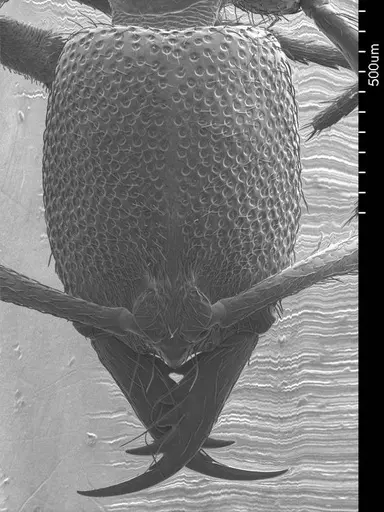
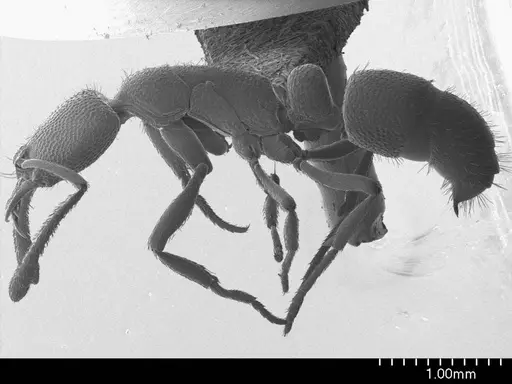
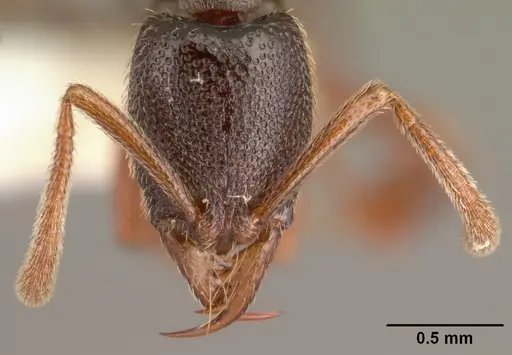
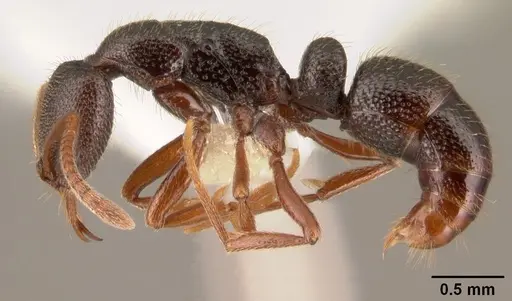
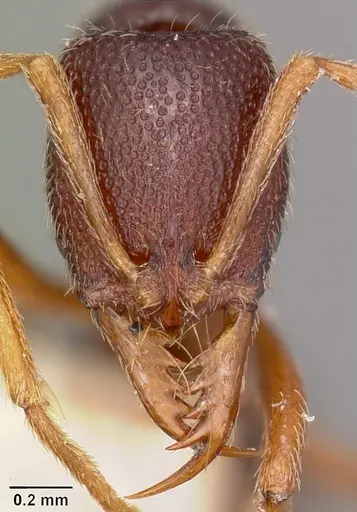
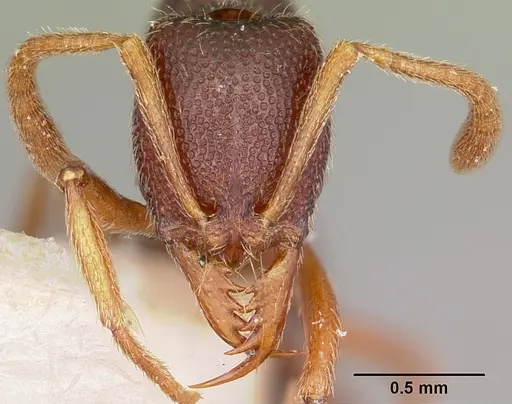
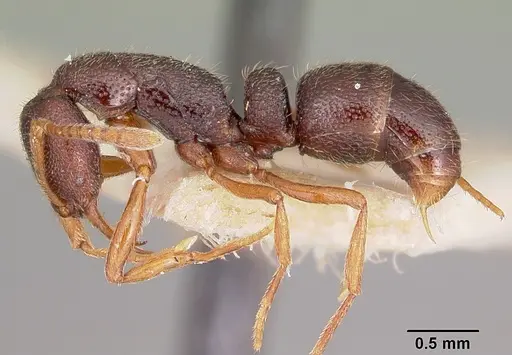
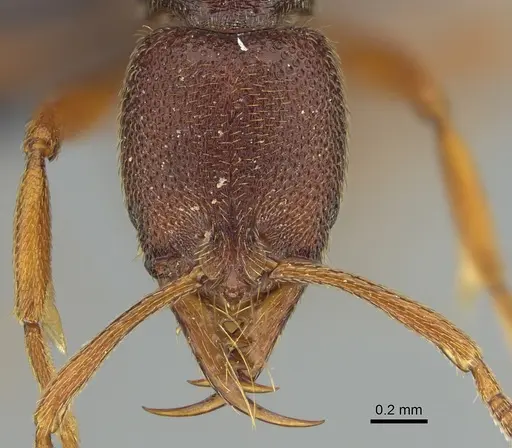
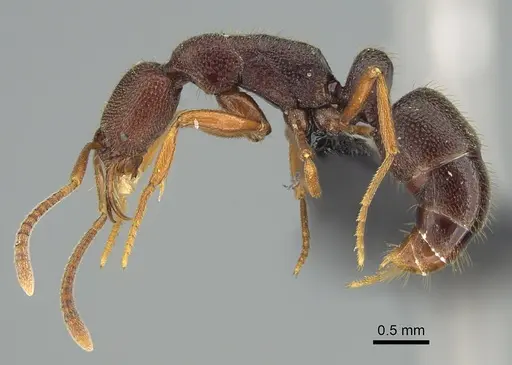
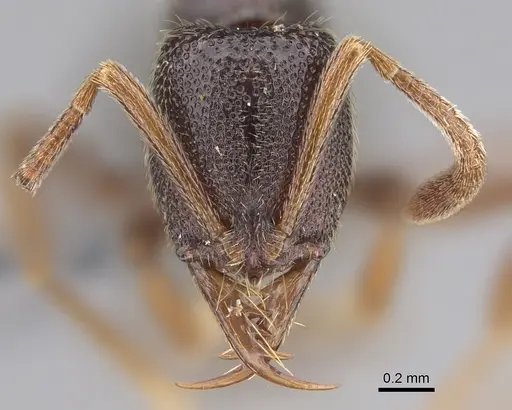
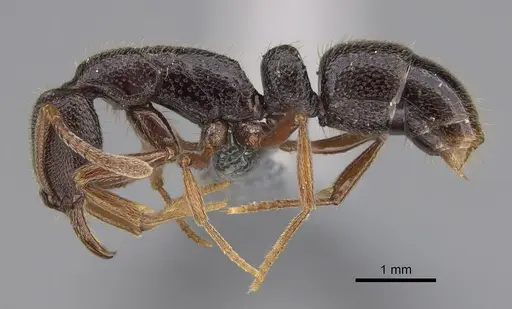
Emeryopone buttelreepeni is a small to medium-sized predatory ant belonging to the subfamily Ponerinae. Workers measure approximately 5-6mm and feature the characteristic Ponerine morphology including a distinct petiole and powerful mandibles. The genus Emeryopone is rare in the ant-keeping hobby, with this species being the most documented member. Originally described from Sumatra in 1912,this species has since been recorded across Southeast Asia including Thailand, Borneo, Malaysia, Nepal, and Singapore [1]. These ants inhabit tropical rainforest leaf litter, where they hunt small invertebrates in the dark, humid understory [2].
Quick Summary
- Difficulty: Expert
- Origin & Habitat: Tropical rainforests of Southeast Asia, found in leaf litter in alluvial and limestone forest types in Borneo, Thailand, and surrounding regions [2][1]
- Colony Type: Likely monogyne (single queen) based on typical Ponerinae patterns. Colony size appears small, likely under 100 workers based on related Ponerine ants.
- Colony: Monogyne
- Founding: Claustral
- Size & Growth:
- Queen: Approximately 6-7mm (estimated based on genus and related Ponerinae)
- Worker: Approximately 5-6mm [3]
- Colony: Likely under 100 workers (estimated based on typical Ponerinae colony sizes)
- Growth: Slow to moderate, Ponerine ants typically develop more slowly than many common keeping species
- Development: 8-12 weeks (estimated based on typical Ponerinae development at 24-26°C) (Ponerine ants generally have longer development times than Myrmicinae species. First workers (nanitics) are typically smaller than mature workers.)
- Antkeeping:
- Temperature: Keep warm at 24-28°C. Tropical species require consistent warmth. A heating cable on one side of the nest creates a suitable gradient.
- Humidity: High humidity required, aim for 70-85%. These rainforest leaf-litter ants need consistently moist substrate. Keep the nest substrate damp but not waterlogged.
- Diapause: No, this is a tropical species that does not require hibernation. Maintain warm conditions year-round.
- Nesting: Prefers humid, dark chambers. A Y-tong (AAC) nest or plaster nest with good moisture retention works well. Provide narrow chambers scaled to their size. Naturalistic setups with leaf litter and moist soil can also work.
- Behavior: Ponerine ants are typically predatory and somewhat defensive. They use their powerful mandibles to capture prey rather than stinging. Workers are active foragers in leaf litter, hunting small arthropods. They may be more aggressive when defending the nest compared to common keeping species. Escape prevention is important, ensure lids fit tightly and use appropriate barriers. Their small size means they can squeeze through small gaps.
- Common Issues: tropical humidity requirements can be difficult to maintain consistently, slow growth may frustrate beginners expecting rapid colony development, predatory diet makes feeding more challenging than simply providing sugar water, escape prevention requires attention due to their small size, limited availability in the ant-keeping hobby makes obtaining colonies difficult
Housing and Nest Setup
Emeryopone buttelreepeni requires a humid, dark environment that mimics their natural leaf litter habitat. A Y-tong (AAC) nest or plaster formicarium works well because these materials hold moisture effectively. The chambers should be appropriately sized for their 5-6mm workers, not too large or too small. Provide a water reservoir connected to the nest to maintain humidity over time. An outworld (foraging area) should be included for offering prey items. Use tight-fitting lids as these small ants can escape through surprisingly small gaps. Some keepers success with naturalistic setups using moist soil and leaf litter, which helps maintain humidity and provides enrichment. [2][3]
Feeding and Diet
As a Ponerine ant, E. buttelreepeni is primarily predatory and requires protein-rich food sources. The high δ15N values (7.47 for Ponerinae in one study [4]) confirm their predatory nature, they sit higher in the food chain than many ant species. Offer small live prey such as fruit flies, small crickets, mealworms, and other appropriately-sized insects. Prey should be killed or incapacitated before offering to prevent potential injury to the ants. While sugar sources may be accepted occasionally, protein should form the majority of their diet. Feed every 2-3 days, removing uneaten prey after 24 hours to prevent mold.
Temperature and Humidity Management
This tropical species requires warm, humid conditions year-round. Maintain temperatures between 24-28°C, avoiding drops below 22°C. A heating cable placed on top of the nest (never underneath where it could dry out the substrate) can help maintain warmth. Humidity should remain high at 70-85%. Monitor substrate moisture regularly, it should feel damp but not have standing water. Condensation on the nest walls indicates good humidity. In dry environments, consider using a humidifier near the colony or covering portions of the nest with plastic wrap to retain moisture. Avoid placing the nest near air conditioning vents or drafty areas. [2]
Behavior and Temperament
Emeryopone buttelreepeni exhibits typical Ponerine behavior, they are active hunters with well-developed mandibles. Workers forage individually through leaf litter rather than forming large foraging trails. They are more defensive than many common keeping species and will readily defend their nest against threats. When disturbed, they may raise their abdomen in a threat display or attempt to bite. Their sting is present but not particularly potent to humans. Colonies are likely relatively quiet, with workers spending most of their time in the nest or hunting in the immediate surroundings. The small colony size means you won't see the massive worker swarms seen in species like Camponotus or Formica. [3]
Colony Development
Ponerine ants typically develop more slowly than many popular keeping species. A newly mated queen will seal herself in a claustral chamber and raise her first brood using stored fat reserves. The first workers (nanitics) will be smaller than mature workers and may take 8-12 weeks to emerge at optimal temperatures. After the nanitics mature, the colony grows gradually. Given their likely small colony size (under 100 workers), don't expect rapid expansion. Patience is essential with this species, a mature colony may take 2-3 years to develop. The queen has a relatively long lifespan typical of Ponerinae, potentially living several years.
Acquisition and Legal Considerations
Emeryopone buttelreepeni is rarely available in the ant-keeping hobby due to its limited distribution and the difficulty of establishing colonies from wild-caught queens. If available, prices will likely be higher than common species. When acquiring a colony, ensure it was legally collected and transported. Check local regulations regarding ant keeping, some areas require permits for certain species. Never release this species or any non-native ant into the wild, as they could become invasive and harm local ecosystems. If you can no longer keep your colony, consider rehoming it to another ant keeper rather than release. [1][2]
Frequently Asked Questions
Is Emeryopone buttelreepeni good for beginners?
No, this species is not recommended for beginners. It requires specific tropical conditions (high humidity, warm temperatures), has a predatory diet requiring live prey, grows slowly, and is rarely available. Beginners should start with more forgiving species like Lasius, Tetramorium, or Camponotus.
How long does it take for the first workers to emerge?
Based on typical Ponerinae development, expect 8-12 weeks from egg to first worker at optimal temperatures (24-28°C). This is slower than many common keeping species. Patience is essential.
What do Emeryopone buttelreepeni eat?
They are predatory ants requiring protein-rich food. Feed small live or killed insects such as fruit flies, small crickets, mealworms, and other appropriately-sized arthropods. Sugar water may be occasionally accepted but protein should form the bulk of their diet.
What temperature do they need?
Keep them warm at 24-28°C. This tropical species does not tolerate cool temperatures. A heating cable on the nest can help maintain appropriate temperatures, but avoid direct heat that could dry out the substrate.
Do they need hibernation?
No, this is a tropical species that does not require hibernation. Maintain warm, humid conditions year-round. Temperatures should not drop significantly below 22°C.
How big do colonies get?
Based on typical Ponerinae patterns, colonies likely remain relatively small, probably under 100 workers at maturity. They are not large colony species.
Can I keep multiple queens together?
This has not been documented for this species. Based on typical Ponerinae patterns, they are likely monogyne (single queen). Combining unrelated queens is not recommended without evidence they can coexist.
What humidity level do they need?
High humidity at 70-85% is required. These rainforest leaf-litter ants need consistently moist substrate. Keep the nest substrate damp but not waterlogged. Monitor for condensation as an indicator of adequate humidity.
Why are my ants dying?
Common causes include: temperatures too low or unstable, humidity too low (drying out), improper diet (insufficient protein), mold from overwatering or uneaten prey, or stress from excessive disturbance. Review each parameter and adjust accordingly.
When should I move them to a formicarium?
Wait until the colony has at least 20-30 workers and the test tube setup shows signs of crowding or waste buildup. Ponerine ants prefer stable, dark environments, so avoid moving them unnecessarily. Make sure the new setup can maintain humidity.
Is this species available in the ant-keeping hobby?
No, this species is very rarely available. It has limited distribution in Southeast Asia and is not commonly kept. Most ant keepers will not encounter this species for sale. Related or more common Ponerinae species may be alternatives.
References

This caresheet is licensed under CC BY-SA 4.0 .
ANTWEB1008525
View on AntWeb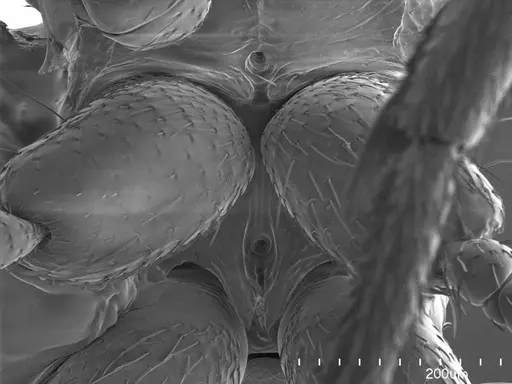
CASENT0101953
View on AntWeb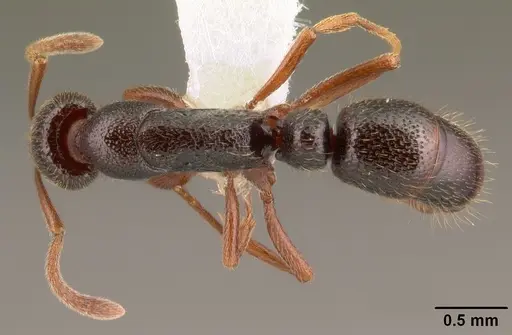
CASENT0104586
View on AntWeb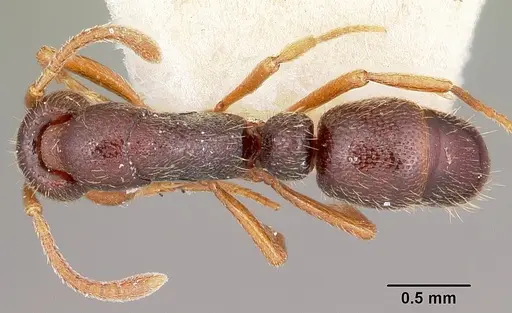
CASENT0131922
View on AntWeb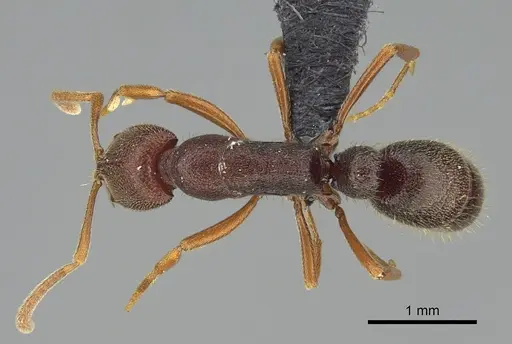
CASENT0353563
View on AntWeb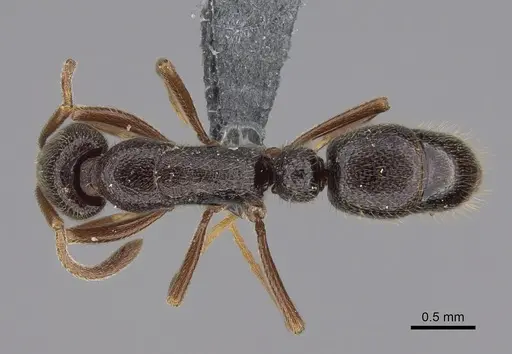
Literature
Loading...Loading products...