

Ectomomyrmex zhengi
- Scientific Name
- Ectomomyrmex zhengi
- Tribe
- Ponerini
- Subfamily
- Ponerinae
- Author
- Xu, 1995
- Distribution
- Found in 2 countries
Ectomomyrmex zhengi Overview
Ectomomyrmex zhengi is an ant species of the genus Ectomomyrmex. It is primarily documented in 2 countries , including China, Lao People's Democratic Republic. Detailed taxonomic data and occurrence records can be further explored via authoritative databases such as AntWeb or the Global Biodiversity Information Facility (GBIF).
Ectomomyrmex zhengi
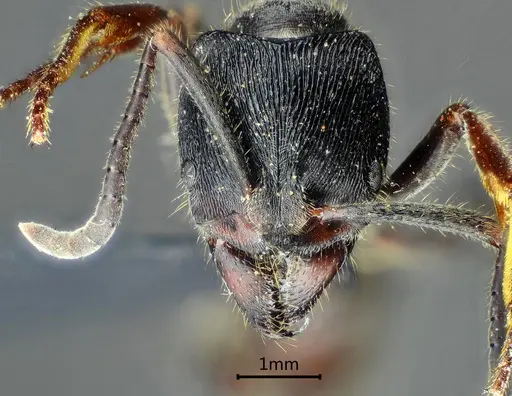
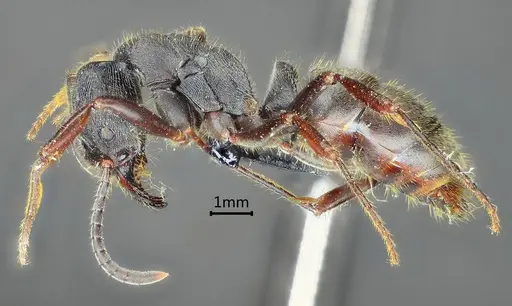
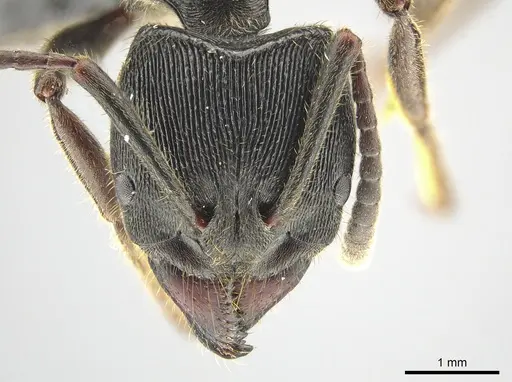
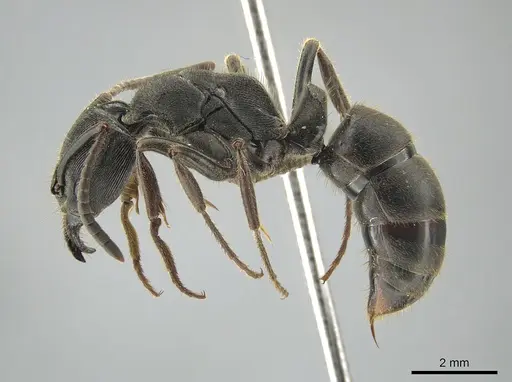
Ectomomyrmex zhengi is a large, striking ponerine ant endemic to Yunnan Province in southern China. Workers measure 12-13.8mm, making them one of the larger ant species kept in captivity. They have a robust, powerful build with a distinctive black body and dark reddish-brown on the mandibles, antennae, legs, and tip of the abdomen. Their head features a unique angularly concave occipital margin, and their body is covered in abundant erect hairs giving them a somewhat fuzzy appearance. This species belongs to the subfamily Ponerinae, which are known for their potent stings and predatory habits [1].
These ants are found exclusively in the forested regions of Yunnan, where they inhabit primary and secondary forests. They are not found in disturbed habitats like rubber plantations, indicating they require intact forest ecosystems with adequate ground cover and leaf litter [2]. As predators, they play an important role in their native ecosystem, hunting small invertebrates in the forest floor.
Quick Summary
- Difficulty: Medium
- Origin & Habitat: Yunnan Province, China, found in primary and secondary forest habitats at elevations ranging from lowland to subalpine areas. They require forested environments with leaf litter and are not found in open or agricultural areas [2][3].
- Colony Type: Colony structure is unconfirmed for this species. Based on typical Ponerinae patterns, they likely form single-queen colonies (monogyne) with claustral founding. Further research is needed to confirm colony structure.
- Size & Growth:
- Queen: Undescribed in available literature, likely 14-16mm based on worker size and genus patterns
- Worker: 12.0-13.8mm [1]
- Colony: Unknown, likely several hundred workers based on genus patterns for large Ponerinae
- Growth: Moderate, Ponerinae typically develop more slowly than Myrmicinae species
- Development: Estimated 8-12 weeks at optimal temperature based on typical Ponerinae development patterns (Direct development data unavailable, estimate based on related Ponerinae species. Ponerine brood development is generally slower than many common ant genera.)
- Antkeeping:
- Temperature: Keep nest area at 22-26°C with a gentle gradient. Room temperature within this range is acceptable. Avoid temperatures above 30°C. Ponerinae are less tolerant of high temperatures than some tropical species.
- Humidity: Maintain moderate to high humidity, roughly 60-80%. Keep the nest substrate consistently moist but not waterlogged. These forest-floor ants prefer conditions similar to their natural leaf-litter habitat.
- Diapause: Likely required, temperate and subtropical Ponerinae species typically need a winter rest period. Reduce temperature to 15-18°C for 2-3 months during winter months.
- Nesting: Y-tong (AAC) nests or plaster nests work well. Provide chambers scaled to their large size. A naturalistic setup with soil and leaf litter can also be successful. They prefer dark, enclosed spaces similar to their natural nesting sites under stones or in rotting wood.
- Behavior: Ectomomyrmex zhengi is a defensive and potentially aggressive species with a potent sting. Workers are active foragers that hunt prey on the forest floor. They are not escape artists due to their large size, but standard escape prevention (Fluon barriers) should still be used. They are primarily nocturnal or crepuscular in activity patterns, which is common for many Ponerinae species. Their sting is medically significant, pain ratings for related Ponerine ants are typically high. Keepers should use caution during colony maintenance.
- Common Issues: sting risk is significant, this is a large Ponerine ant with a potent sting, use caution and wear gloves when working with the colony, slow development compared to common ant species can lead to beginner impatience and overfeeding attempts, wild-caught colonies may carry parasites that can devastate captive colonies, humidity control is critical, too dry and brood dies, too wet and mold becomes a problem, they are forest specialists and do poorly in open or barren setups, provide appropriate ground cover and hiding spaces
Housing and Nest Setup
Ectomomyrmex zhengi requires housing that reflects their forest-floor origins. Y-tong (AAC) nests work well because they provide dark, enclosed chambers that these ants prefer. The chambers should be appropriately sized for their large 12-14mm workers, avoid cramped spaces but don't provide unnecessarily large areas either. Plaster nests with moisture reservoirs are also suitable and help maintain humidity.
The outworld should include ground cover elements like small stones, leaf litter, or artificial plants to provide hiding spots and reduce stress. These ants are not strong climbers, so the focus should be on horizontal space rather than vertical. Escape prevention is important despite their size, use Fluon on the rim of the nest and ensure lids fit tightly. A water test tube setup should always be available in the outworld. [1][2]
Feeding and Diet
As a Ponerinae species, Ectomomyrmex zhengi is primarily predatory. They hunt and consume small invertebrates in the wild, making live prey the ideal food source. Offer small crickets, mealworms, fruit flies, and other appropriately sized insects. Prey should be killed if it is large enough to potentially harm the ants, though many keepers find these ants readily accept pre-killed prey.
Sugar sources may be accepted but are not a primary dietary need for most Ponerinae. A small amount of honey or sugar water can be offered occasionally, but do not rely on it as a staple. Fresh water must always be available. Feed prey 2-3 times per week, adjusting based on colony size and consumption rate. Remove uneaten prey after 24-48 hours to prevent mold.
Temperature and Seasonal Care
Maintain nest temperatures between 22-26°C. This species comes from subtropical Yunnan forests where temperatures are moderate year-round. A heating cable on one side of the nest can create a gradient if room temperature falls below this range. Avoid temperatures above 30°C, Ponerinae are generally less heat-tolerant than many tropical ants.
Winter care requires a diapause period. Reduce temperatures to 15-18°C for 2-3 months, typically from late autumn through winter. During this time, reduce feeding to once every 2-3 weeks as colony activity decreases. Do not skip the diapause as it is important for colony health and reproductive cycling. Return to normal temperatures gradually in spring.
Sting and Safety
This is one of the more significant safety considerations for antkeepers. Ectomomyrmex zhengi has a potent sting comparable to a wasp sting in pain level. The sting is not dangerously toxic for healthy humans, but it is genuinely painful and can cause localized swelling.
Always wear gloves when working with the colony. Use slow, deliberate movements to avoid provoking defensive responses. When moving colonies or performing maintenance, work in a well-lit area where you can see ant positions clearly. Keep epinephrine or antihistamines accessible if you have allergies to insect stings. Never handle these ants with bare hands once the colony reaches moderate size.
Colony Development and Growth
Ponerine ants typically develop more slowly than many common ant species in the hobby. From egg to first worker (nanitic), expect approximately 8-12 weeks at optimal temperature, though this is an estimate based on related species rather than documented specifically for E. zhengi. The first workers will be smaller than mature workers and may take several weeks to fully develop.
Colony growth is gradual, do not expect rapid expansion. A well-established colony may eventually reach several hundred workers over several years. Patience is essential with this species. Avoid the temptation to overfeed, as excess food decomposes and causes mold problems. Monitor colony health through worker activity levels and brood production.
Frequently Asked Questions
Does Ectomomyrmex zhengi have a painful sting?
Yes, this species has a potent sting that causes significant pain comparable to a wasp sting. Use caution and wear gloves when handling the colony.
How long does it take for Ectomomyrmex zhengi to produce first workers?
Expect 8-12 weeks from egg to first worker at optimal temperature (22-26°C). This is slower than many common ant species.
What do Ectomomyrmex zhengi ants eat?
They are primarily predatory, feed small insects like crickets, mealworms, and fruit flies. Pre-killed prey is often accepted. Sugar water can be offered occasionally but is not essential.
Do Ectomomyrmex zhengi ants need hibernation?
Yes, a winter diapause is recommended. Reduce temperature to 15-18°C for 2-3 months during winter. This helps maintain colony health.
Is Ectomomyrmex zhengi good for beginners?
No, this species is not recommended for beginners. Their potent sting, slow development, and specific humidity requirements make them better suited for experienced antkeepers.
What size colony does Ectomomyrmex zhengi reach?
Colony size is not well documented, but based on genus patterns for large Ponerinae, expect several hundred workers over several years.
Can I keep Ectomomyrmex zhengi in a test tube setup?
Test tubes can work for founding colonies but may need to be upsized quickly due to their large size. Y-tong or plaster nests are more suitable for established colonies.
What temperature does Ectomomyrmex zhengi need?
Keep nest temperatures between 22-26°C. Avoid temperatures above 30°C. Room temperature within this range is typically acceptable.
Where is Ectomomyrmex zhengi found in the wild?
This species is endemic to Yunnan Province in southern China. They inhabit primary and secondary forests and are not found in disturbed areas like rubber plantations.
How big are Ectomomyrmex zhengi workers?
Workers are large, measuring 12.0-13.8mm. This makes them one of the larger ant species commonly kept in captivity.
References

This caresheet is licensed under CC BY-SA 4.0 .
ANTWEB1060516
View on AntWeb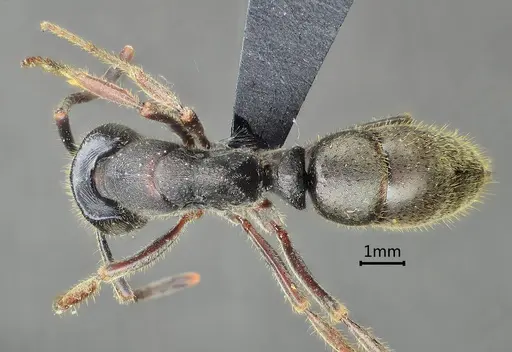
MCZ-ENT00759860
View on AntWeb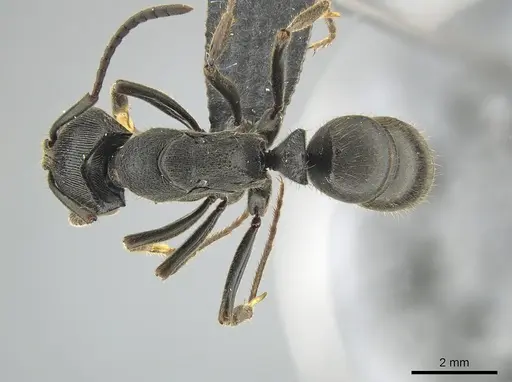
Literature
Loading...Loading products...