

Ectomomyrmex javanus
- Scientific Name
- Ectomomyrmex javanus
- Tribe
- Ponerini
- Subfamily
- Ponerinae
- Author
- Mayr, 1867
- Distribution
- Found in 4 countries
Ectomomyrmex javanus Overview
Ectomomyrmex javanus is an ant species of the genus Ectomomyrmex. It is primarily documented in 4 countries , including China, Korea, Republic of. Detailed taxonomic data and occurrence records can be further explored via authoritative databases such as AntWeb or the Global Biodiversity Information Facility (GBIF).
Ectomomyrmex javanus
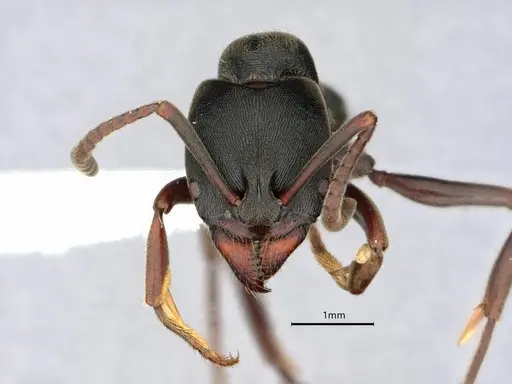
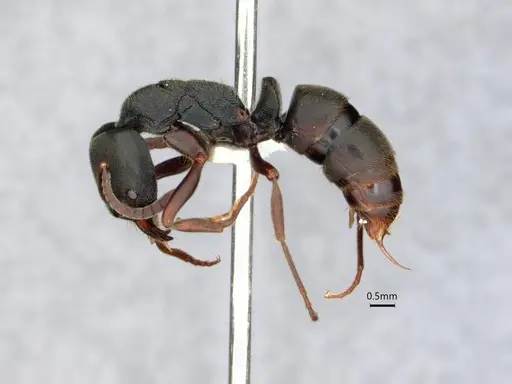
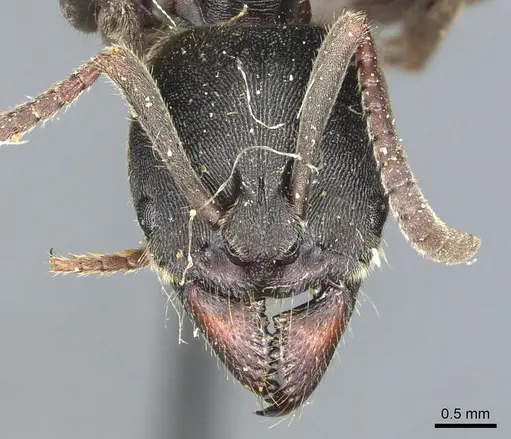
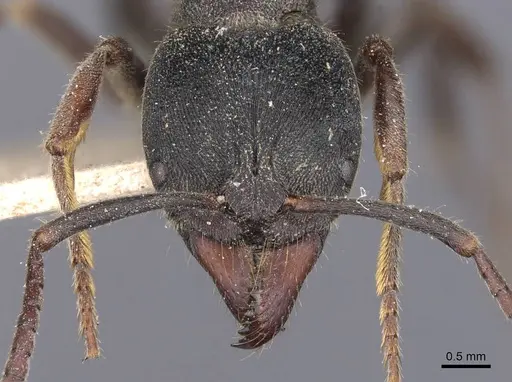
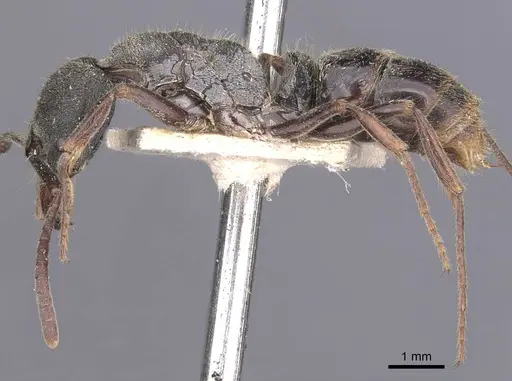
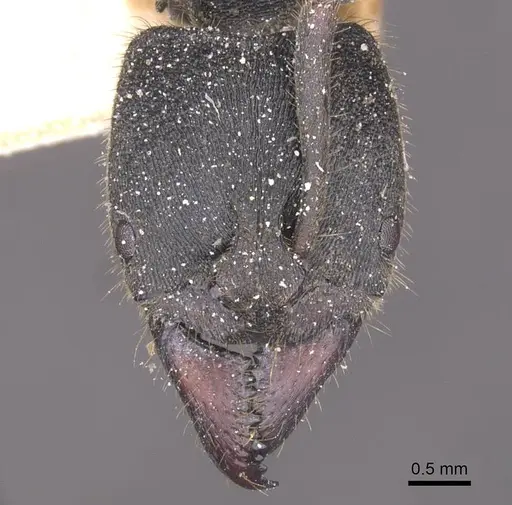
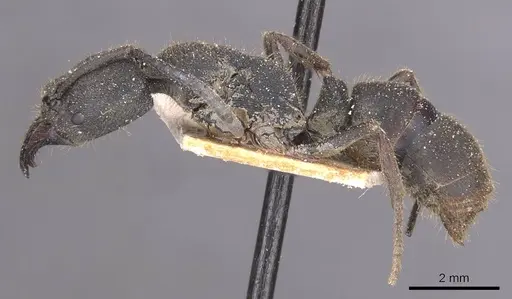
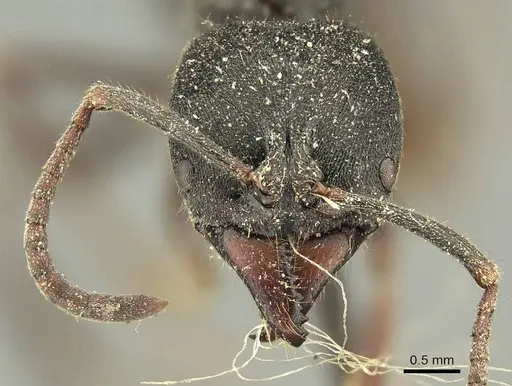
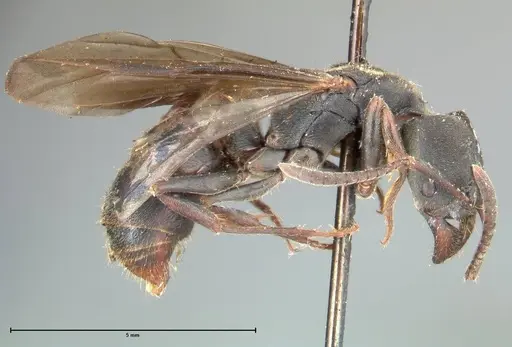
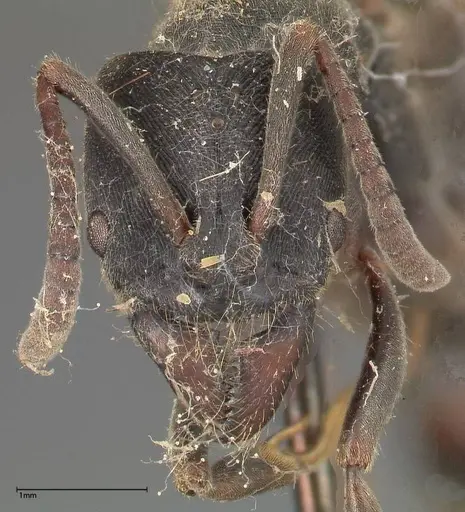
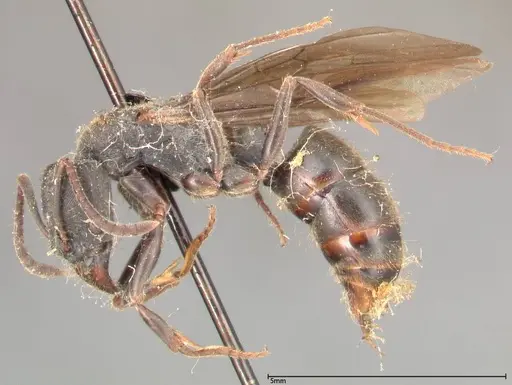
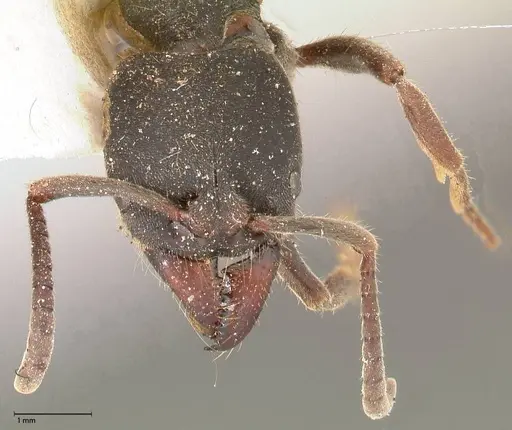
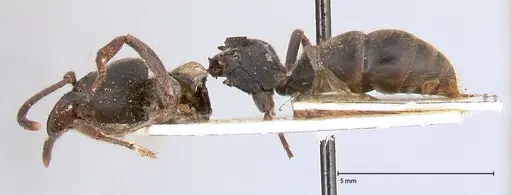
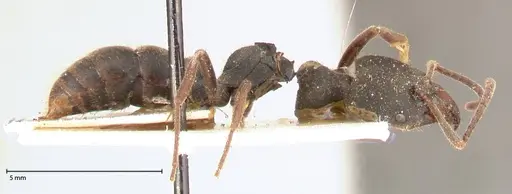
Ectomomyrmex javanus is a large predatory ant native to East and Southeast Asia, ranging from Japan and Korea through China to Indonesia and India. Workers measure 7-12mm depending on region, making them one of the larger ponerine ants in Asia. They have a distinctive black body with reddish-brown mandibles, antennae, and legs. The head features raised lateral margins forming blunt keels, and the body is covered in dense erect hairs. These ants nest under stones at forest margins and are strict ground-dwellers that forage individually for prey rather than forming trails. As a carnivorous species, they actively hunt small invertebrates and can deliver a painful sting. This species was previously known as Ectomomyrmex javanus before the genus revision in 2014.
Quick Summary
- Difficulty: Medium
- Origin & Habitat: East and Southeast Asia, found in Japan (Kyushu, Tsushima, Nansei Islands), Korea, China (Yunnan, Guizhou, Guangxi, Taiwan, Hong Kong), India, Myanmar, Malaysia, Indonesia, Philippines, Vietnam, and Cambodia. Inhabits primary forest margins and nests under stones at elevations ranging from 574-3000m depending on location [1][2][3].
- Colony Type: Monogyne, single queen colonies. This species is monogynous, meaning each colony has one egg-laying queen [4].
- Colony: Monogyne
- Size & Growth:
- Queen: Unconfirmed, queen size not directly documented in available research
- Worker: 7-12mm depending on region. Japanese/Korean specimens around 7mm [2], Chinese specimens 10.2-11.9mm [1]
- Colony: Unknown, colony size not documented in available research
- Growth: Moderate, inferred from typical Ponerine growth patterns
- Development: 6-10 weeks estimated based on related Ponerine species (Development time is estimated as no direct study exists for this species. Ponerines typically develop slower than many common ant genera.)
- Antkeeping:
- Temperature: Keep at 22-26°C. This is a subtropical to tropical species found in warm regions, but populations in Japan and Korea suggest they can tolerate cooler conditions. Provide a temperature gradient allowing workers to choose their preferred zone.
- Humidity: High humidity, they inhabit forest floor environments. Keep nest substrate consistently moist but not waterlogged. Their natural habitat under stones maintains stable moisture.
- Diapause: Yes, populations in Japan and Korea experience cold winters. Provide a cool period around 10-15°C for 2-3 months during winter months, mimicking their natural seasonal cycle.
- Nesting: Nests under stones in nature. In captivity, use a naturalistic setup with a stone or heavy object as cover, or a Y-tong/plaster nest with moist substrate. They prefer dark, secure nesting sites and will not use exposed nests. Provide soil or sand substrate that can hold moisture.
- Behavior: Carnivorous and predatory, these ants actively hunt small invertebrates. Workers forage alone rather than in trails, making them efficient solo hunters. They have a painful sting and will use it defensively if threatened. They are ground-dwelling and rarely climb. Escape risk is moderate, while large, they can squeeze through small gaps. Use standard barrier methods but focus on secure container edges.
- Common Issues: colonies may fail if kept too dry, their forest floor habitat requires consistent moisture, slow growth compared to common ant species may cause keepers to overfeed or disturb the colony unnecessarily, wild-caught colonies may have parasites that can decimate the colony in captivity, they require live prey, sugar water alone will not sustain them, overwintering failure is common if temperatures drop too suddenly or humidity is too high during dormancy
Housing and Nest Setup
Ectomomyrmex javanus requires a setup that mimics their natural forest floor habitat. They are strict ground-dwellers that nest under stones and foragers on soil surfaces. A naturalistic setup works best, use a container with 3-5cm of moist soil or sand as substrate, then place a flat stone or piece of slate on top to create a dark, secure nesting chamber. Alternatively, a Y-tong or plaster nest with moist substrate can work, but ensure the nest chamber is dark and the ants feel secure. Avoid acrylic nests with transparent viewing areas, these ants prefer darkness. The outworld should be simple with a small water station and hunting area for prey. Because they are large ants, ensure the setup can accommodate workers up to 12mm in size. [2][1][5]
Feeding and Diet
This is a carnivorous ant species, they require live protein prey to survive and thrive. In the wild, they actively hunt small invertebrates including other ants, springtails, small beetles, and various soil arthropods. In captivity, offer small live prey such as fruit flies, pinhead crickets, mealworms, small roaches, and other appropriately-sized insects. Feed prey items 2-3 times per week, adjusting based on colony size and consumption. Unlike many ants, they do not primarily forage for honeydew or nectar, their diet is predominantly predatory. You can occasionally offer a small drop of sugar water or honey, but do not rely on it as a food source. Remove uneaten prey after 24-48 hours to prevent mold. The infrabuccal pocket study showed they process solid food through a specialized filtering system, confirming their carnivorous diet [5].
Temperature and Seasonal Care
Maintain temperatures between 22-26°C for optimal colony health and development. This species has a broad range from tropical Southeast Asia to temperate Japan and Korea, suggesting they can adapt to various conditions within this range. A temperature gradient is beneficial, allow workers to move between warmer and cooler areas of the nest. During winter, populations in the northern parts of their range (Japan, Korea, northern China) experience cold temperatures and enter a period of reduced activity. If your colony originates from these regions, provide a cool overwintering period of 2-3 months at 10-15°C. This mimics their natural seasonal cycle and supports healthy colony development. Reduce feeding during this period and keep the substrate slightly drier to prevent mold issues. [2][1]
Humidity and Water Requirements
These forest floor ants require high humidity to thrive. Keep the nest substrate consistently moist, it should feel damp to the touch but not be waterlogged or have standing water. The moisture level should be stable, as they naturally nest under stones where humidity remains constant. A water station in the outworld provides drinking water and helps maintain ambient humidity. Monitor for condensation on nest walls, if condensation is absent or minimal, lightly mist the substrate. However, avoid creating overly wet conditions that can lead to mold. The key is consistency rather than extreme moisture, aim for the damp-but-not-wet feel of a forest floor. [2]
Behavior and Handling
Ectomomyrmex javanus workers are solitary foragers, they do not form recruitment trails like many ants. Instead, individual workers hunt and capture prey on their own. This behavior means they are less interactive than trail-forming species but no less interesting to observe. They are defensive and will sting painfully if threatened or handled roughly. When caring for this species, minimize disturbance to the nest and avoid handling workers directly. They are not aggressive toward the colony when you maintain their setup, but will defend if they feel cornered. Their sting is reported as painful, comparable to other Ponerines, so exercise caution during maintenance. They are not escape artists in the traditional sense, but their large size means they can push through loose lids, use secure closures. [2]
Colony Founding and Development
Colony founding behavior has not been directly documented in scientific literature for this species. Based on related Ponerine patterns, the queen likely hunts during founding (semi-claustral) rather than sealing herself away completely (claustral). After mating, the queen probably establishes a small chamber under a stone or in soil, where she hunts to feed her first brood until workers emerge. Development from egg to worker likely takes 6-10 weeks at optimal temperature, which is slower than many common ant species. The first workers (nanitics) will be smaller than mature workers. Growth rate is moderate, Ponerine colonies typically develop more slowly than Myrmicines or Formicines. Patience is essential when establishing this species. Do not disturb the founding chamber unnecessarily.
Frequently Asked Questions
Can I keep Ectomomyrmex javanus in a test tube setup?
Test tubes are not ideal for this species. They naturally nest under stones in soil and require a more naturalistic setup with moist substrate. A small container with damp soil and a stone or slate on top works best, or a Y-tong/plaster nest with dark chambers.
How long does it take for the first workers to emerge?
The exact timeline is unconfirmed, but based on related Ponerine species, expect 6-10 weeks from egg to first worker at optimal temperature (around 24°C). They develop slower than common ant species, so patience is essential.
Do Ectomomyrmex javanus ants sting?
Yes, they can sting painfully. This is a defensive species that will use its sting if threatened. Handle with care and avoid direct handling of workers.
What do Ectomomyrmex javanus eat?
They are carnivorous and require live protein prey. Feed small insects like fruit flies, pinhead crickets, mealworms, or small roaches 2-3 times per week. They do not primarily eat sugar, occasional honey or sugar water can be offered but is not essential.
Are Ectomomyrmex javanus good for beginners?
This species is rated as medium difficulty. They require specific conditions (high humidity, live prey) and have slower growth than beginner species. They are best suited for keepers with some ant-keeping experience who can provide consistent care.
Do they need hibernation?
Yes, if your colony originates from Japan or Korea, provide a cool period around 10-15°C for 2-3 months during winter. This mimics their natural seasonal cycle. Reduce feeding during this time and keep substrate slightly drier.
How big do colonies get?
Colony size is not well documented in scientific literature. Based on their solitary foraging behavior and the size of related species, colonies likely reach several hundred workers at most. They are not known for supercolonies.
Can I keep multiple queens together?
No, this is a monogyne (single queen) species. Multiple unrelated queens will fight. Only keep one queen per colony.
When should I move them to a formicarium?
Wait until the colony has at least 20-30 workers before considering a formicarium. They do well in naturalistic setups, so a formicarium is optional. If used, ensure it provides dark chambers and moist substrate.
Why are my Ectomomyrmex javanus dying?
Common causes include: too dry conditions (they need consistent moisture), lack of live prey (they cannot survive on sugar alone), mold from overwatering, or disturbance during founding. Ensure proper humidity, provide live prey regularly, and minimize nest disturbances.
Are they aggressive?
They are not aggressive toward humans unless threatened, but they are defensive and will sting. They are solitary foragers and focus on hunting prey rather than defending territory. In captivity, they are calm if their nest is not disturbed.
What is the best nest type for this species?
A naturalistic setup with moist soil and a stone or slate on top is ideal. If using a formicarium, choose Y-tong or plaster nests with dark chambers and moisture-retaining substrate. Avoid transparent acrylic nests.
References

This caresheet is licensed under CC BY-SA 4.0 .
CASENT0217561
View on AntWeb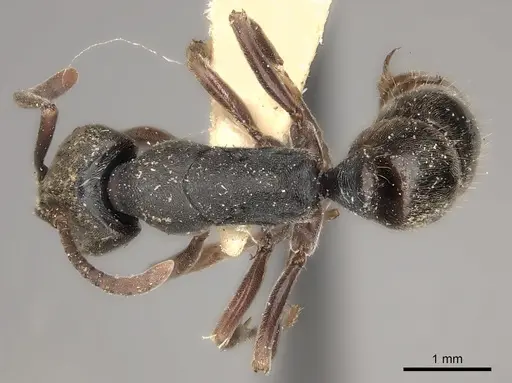
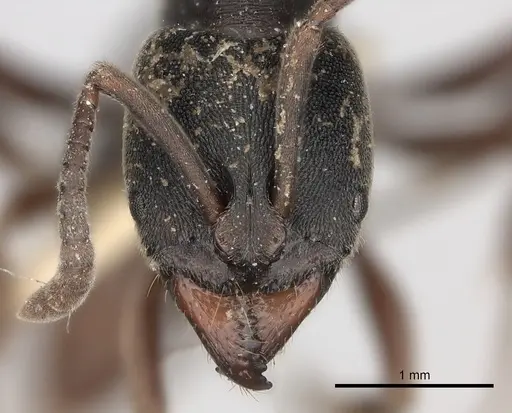
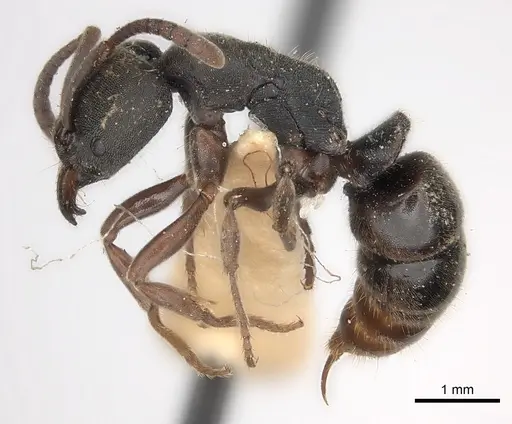
CASENT0882083
View on AntWeb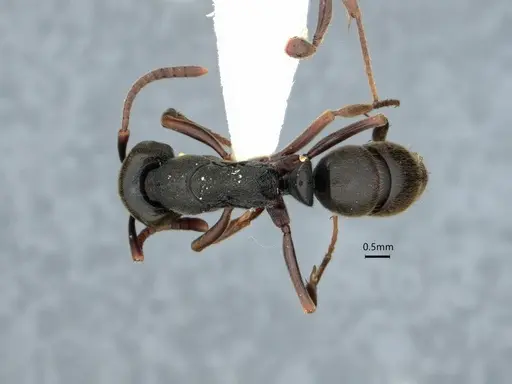
CASENT0903898
View on AntWeb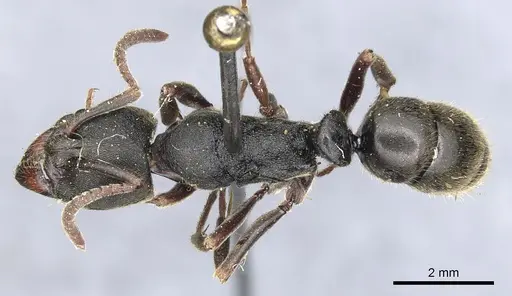
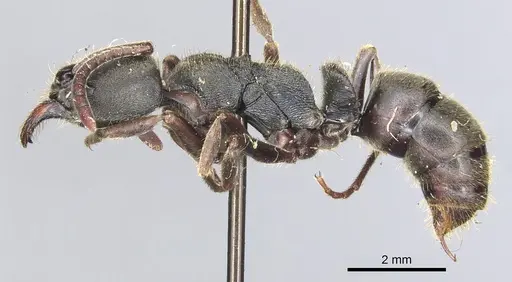
CASENT0907270
View on AntWeb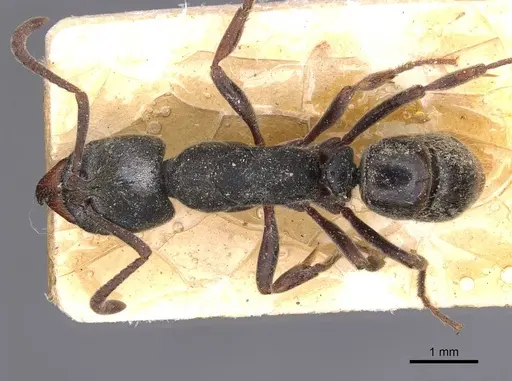
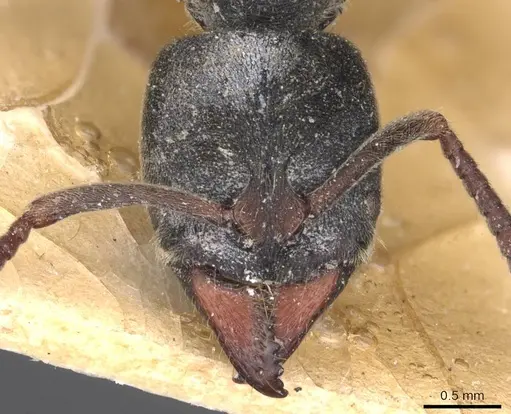
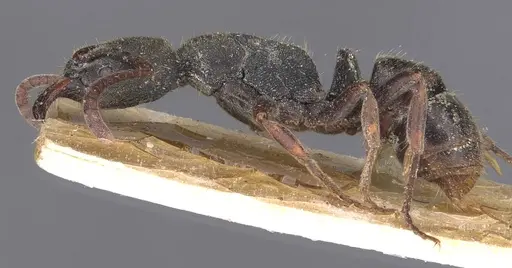
CASENT0907271
View on AntWeb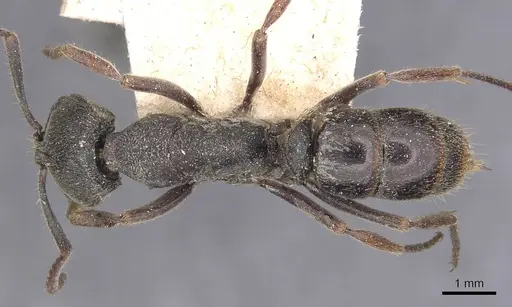
CASENT0915263
View on AntWeb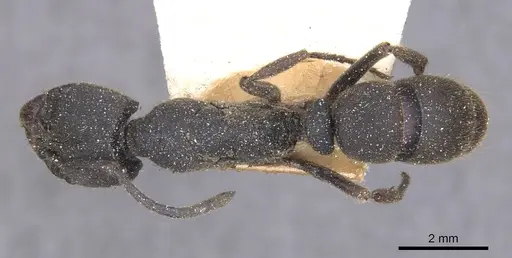
CASENT0915666
View on AntWeb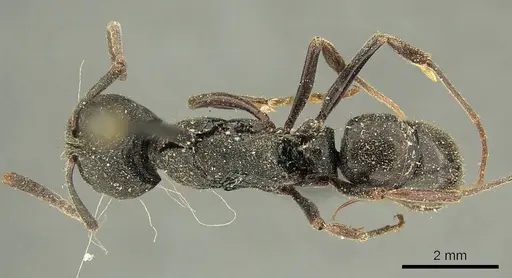
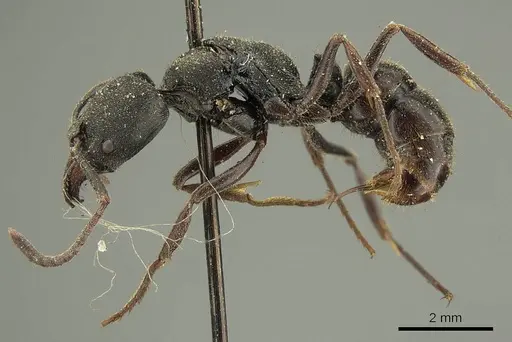
FOCOL0365
View on AntWeb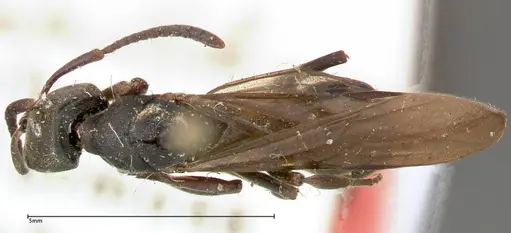
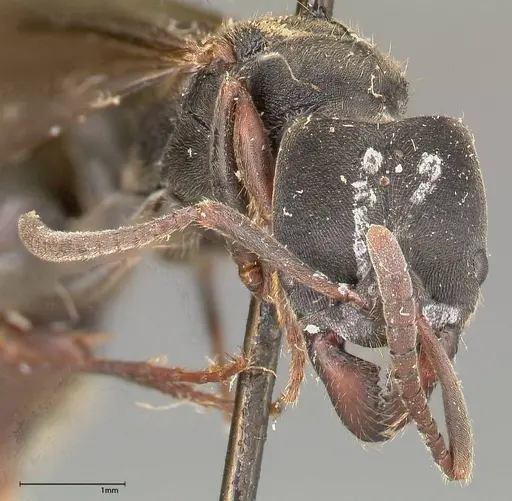
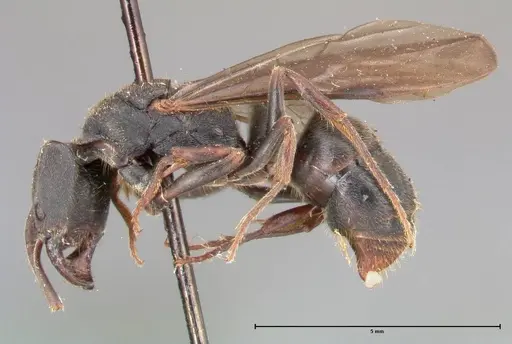
FOCOL0366
View on AntWeb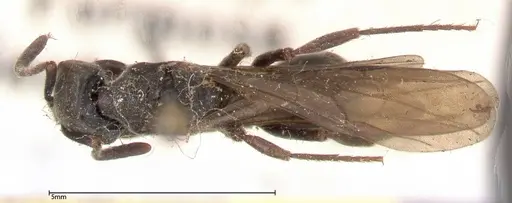
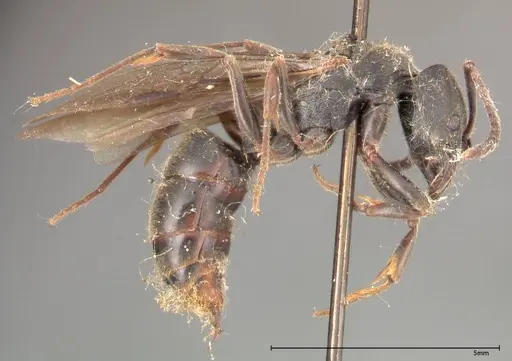
FOCOL0367
View on AntWeb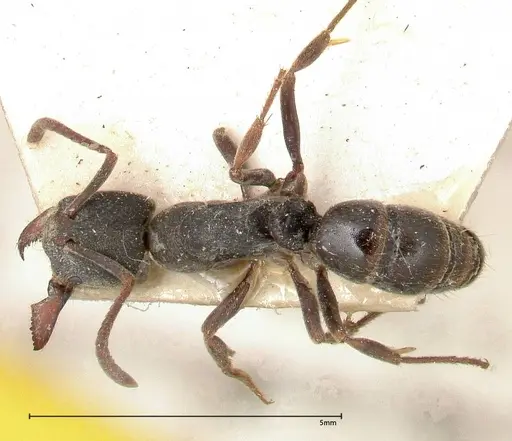
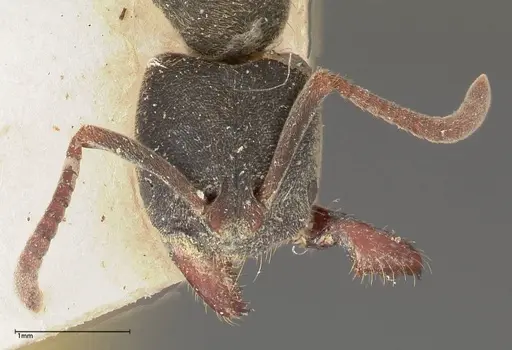
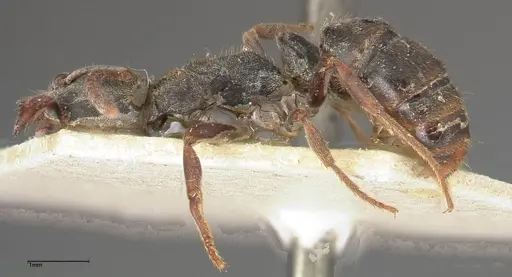
FOCOL0583
View on AntWeb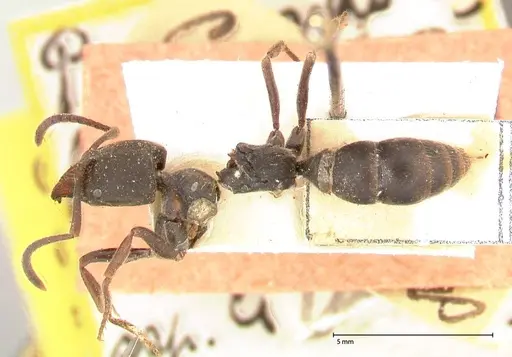
Literature
Loading...Loading products...