

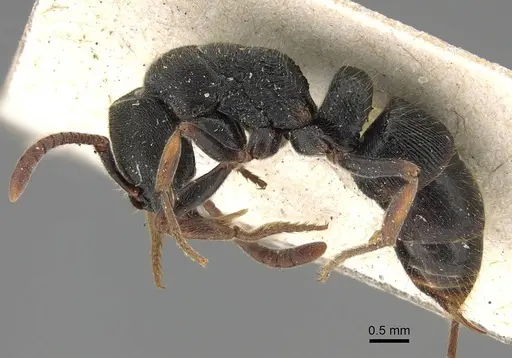
Ectomomyrmex exaratus
- Scientific Name
- Ectomomyrmex exaratus
- Tribe
- Ponerini
- Subfamily
- Ponerinae
- Author
- Emery, 1901
- Distribution
- Found in 2 countries
Ectomomyrmex exaratus Overview
Ectomomyrmex exaratus is an ant species of the genus Ectomomyrmex. It is primarily documented in 2 countries , including Papua New Guinea, Solomon Islands. Detailed taxonomic data and occurrence records can be further explored via authoritative databases such as AntWeb or the Global Biodiversity Information Facility (GBIF).
Ectomomyrmex exaratus
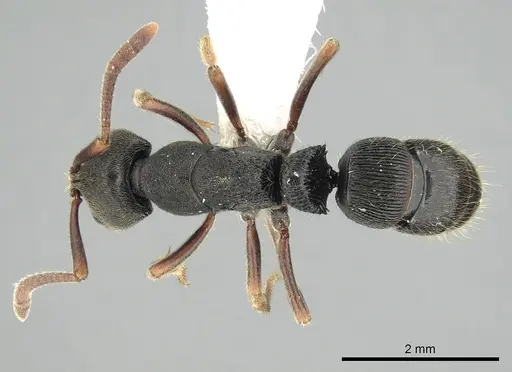
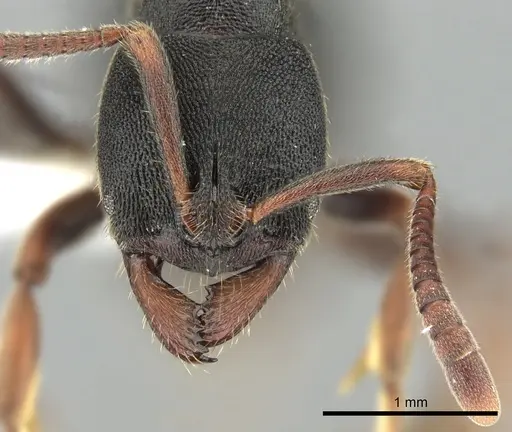
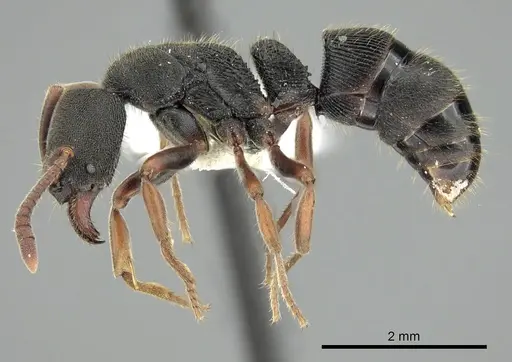
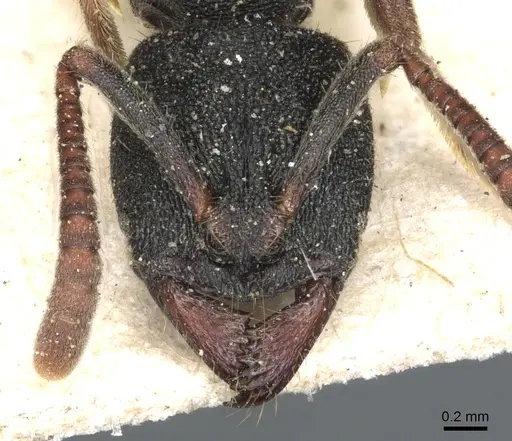
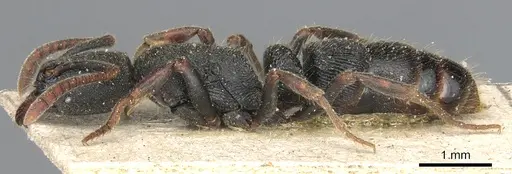
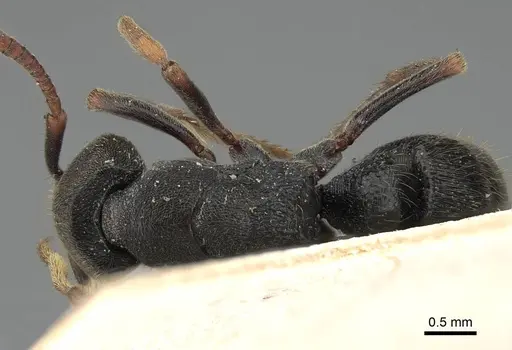
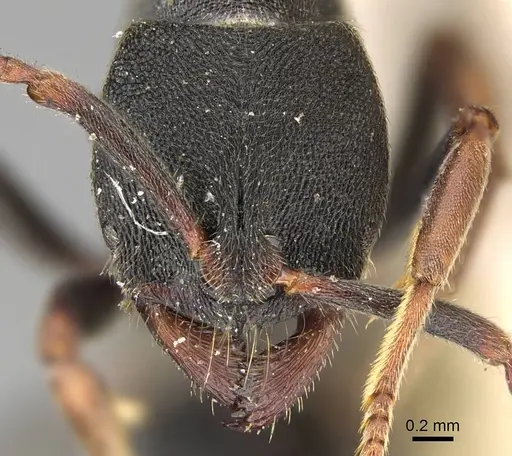
Ectomomyrmex exaratus is a medium-sized Ponerine ant native to the Australasian region, specifically found in New Guinea and the Solomon Islands [1]. Workers are robust with the characteristic Ponerine body shape, featuring powerful mandibles and a potent sting. The species was originally described by Emery in 1901 and has undergone taxonomic revisions, moving between Pachycondyla and Ectomomyrmex before being settled in its current genus [1]. This ant inhabits tropical forest environments in its native range, where it typically nests in soil or under stones in shaded, humid areas.
Quick Summary
- Difficulty: Unknown, this species has never been kept in captivity and has no documented husbandry history
- Origin & Habitat: Native to New Guinea and the Solomon Islands (Makira, Guadalcanal, Ysabel) in tropical Australasian forests [2][3]
- Colony Type: Unconfirmed, colony structure has not been documented in the scientific literature
- Size & Growth:
- Queen: Unknown, no measurements available in available literature
- Worker: Unknown, worker measurements not provided in original description or subsequent literature
- Colony: Unknown, no colony size data exists for this species
- Growth: Unknown
- Development: Unknown, development has not been studied (No data exists on egg-to-worker development time for this species)
- Antkeeping:
- Temperature: Unknown, no thermal studies exist. Based on its tropical origin (New Guinea/Solomon Islands), likely requires warm conditions in the mid-to-high 20s°C. Start around 24-28°C and monitor colony activity.
- Humidity: Likely requires high humidity (70-85%) typical of tropical forest floor ants from this region. Keep substrate consistently moist but not waterlogged.
- Diapause: Unknown, no seasonal studies exist for this species. Tropical ants from this region may not require a true diapause but may show reduced activity during cooler periods.
- Nesting: Presumably nests in soil or under stones in its natural habitat, typical of Ponerine ants. A naturalistic setup with moist substrate and a humid retreat area would be most appropriate. Test tube setups may work if humidity is maintained.
- Behavior: Behavior is unstudied in captivity. As a Ponerine ant, it likely has a potent sting and defensive temperament typical of the tribe. Workers probably forage individually (not in recruitment trails) and are predatory on small invertebrates. Escape prevention should be considered if the species is ever kept, Ponerines are typically strong climbers. The small size of the workers (likely 6-10mm range based on genus) means they can squeeze through small gaps.
- Common Issues: no captive husbandry information exists, this species has never been documented in the antkeeping hobby, tropical humidity requirements may be difficult to maintain consistently, potentially aggressive with a painful sting, handle with caution if ever acquired, complete lack of development data makes proper care impossible to determine, origin from remote Pacific islands may make acquisition impossible
Taxonomy and Distribution
Ectomomyrmex exaratus was originally described by Carlo Emery in 1901 as Ectomomyrmex exaratus from specimens collected in New Guinea [1]. The species was later moved to Ectomomyrmex by William Mann in 1919,then to Pachycondyla again by Brown in 1995,before being returned to Ectomomyrmex by Schmidt and Shattuck in 2014 as part of their comprehensive revision of Ponerinae classification [1]. The species is known from New Guinea and several islands in the Solomon Islands chain, including Makira (formerly San Cristobal), Guadalcanal, and Ysabel [2][3]. This distribution pattern across the Bismarck Archipelago and Solomon Islands is typical of many Australasian ant species that colonized these islands during past sea level fluctuations.
Natural History
The natural history of Ectomomyrmex exaratus remains essentially undocumented. No peer-reviewed studies exist on this species' biology, behavior, colony structure, or ecology. As a member of the Ponerini tribe within the Ponerinae subfamily, it likely shares certain traits with better-studied Ponerine ants: predatory feeding habits, individual foraging behavior, and relatively small colonies compared to more derived ant subfamilies. The species was collected in forest environments in the Solomon Islands, suggesting it prefers shaded, humid microhabitats typical of tropical understory ants [2]. Further field research in its native New Guinean and Solomon Island habitats would be needed to understand its basic biology.
Keeping Prospects
Ectomomyrmex exaratus has never been documented in the antkeeping hobby and no information exists on captive care requirements. The species' remote origin (New Guinea and Solomon Islands) and the lack of any documented imports make it essentially unavailable to hobbyists. If specimens were to become available, care would need to be extrapolated from related Ponerine species. Expect requirements similar to other tropical Ponerines: high humidity (70-85%), warm temperatures (24-28°C), and a diet based on small live prey. The potent sting typical of Ponerine ants should be considered when handling. Until actual husbandry data exists, this species cannot be recommended for any keeper regardless of experience level.
Related Species
The genus Ectomomyrmex contains approximately 15 described species distributed throughout the Old World tropics, primarily in Asia and Australasia [1]. The genus is part of the Ponerini tribe, which includes many well-known predatory ants. Some Ectomomyrmex species are considered pests in parts of their range due to their painful stings. The genus was historically confused with Pachycondyla, and many former Pachycondyla species were moved to Ectomomyrmex during the 2014 classification revision [1]. None of the Ectomomyrmex species are commonly kept in captivity, and this genus remains poorly studied even among professional myrmecologists.
Frequently Asked Questions
Can I keep Ectomomyrmex exaratus as a pet ant?
No, this species has never been documented in the antkeeping hobby and appears to be essentially unavailable. It is native to remote regions of New Guinea and the Solomon Islands, and no exports or captive colonies have been reported.
What does Ectomomyrmex exaratus eat?
Unknown for this specific species. As a Ponerine ant, it almost certainly predates on small invertebrates like other ants, springtails, and tiny arthropods. Sugar sources may or may not be accepted, this would need to be tested if specimens ever become available.
How big do Ectomomyrmex exaratus colonies get?
Colony size is completely unstudied. Based on typical Ponerine patterns, colonies are likely relatively small, probably under a few hundred workers at maximum. Ponerine ants typically maintain smaller colonies than more derived ant families.
What temperature and humidity does Ectomomyrmex exaratus need?
These requirements are unconfirmed. Based on its tropical origin in New Guinea and the Solomon Islands, expect warm temperatures (24-28°C) and high humidity (70-85%). This would need verification through trial and error if specimens ever become available.
How long does it take for Ectomomyrmex exaratus to develop from egg to worker?
Unknown, no development data exists for this species. Based on related tropical Ponerines, development likely takes 6-10 weeks at optimal temperature, but this is purely speculative.
Is Ectomomyrmex exaratus good for beginners?
This question cannot be answered, the species has never been kept in captivity and no husbandry information exists. It cannot be recommended for any experience level until basic care requirements are documented.
Do Ectomomyrmex exaratus queens found colonies alone?
Founding behavior is unconfirmed for this species. Many Ponerine ants are semi-claustral (queen must leave the nest to hunt for food during founding), but this would need to be directly observed to confirm for E. exaratus.
Where can I get Ectomomyrmex exaratus?
This species appears to be essentially unavailable to hobbyists. It is native to remote Pacific island nations (Papua New Guinea and Solomon Islands) that are unlikely to permit ant exports. No documented imports exist in the antkeeping hobby.
Is Ectomomyrmex exaratus aggressive?
Aggression is unstudied, but Ponerine ants are typically defensive and will sting when threatened. Assume this species has a potent sting and defensive temperament until proven otherwise.
References

This caresheet is licensed under CC BY-SA 4.0 .
Literature
Loading...Loading products...