

Ectomomyrmex astutus
- Scientific Name
- Ectomomyrmex astutus
- Tribe
- Ponerini
- Subfamily
- Ponerinae
- Author
- Smith, 1858
- Distribution
- Found in 5 countries
Ectomomyrmex astutus Overview
Ectomomyrmex astutus is an ant species of the genus Ectomomyrmex. It is primarily documented in 5 countries , including China, Hong Kong, Korea. Detailed taxonomic data and occurrence records can be further explored via authoritative databases such as AntWeb or the Global Biodiversity Information Facility (GBIF).
Ectomomyrmex astutus
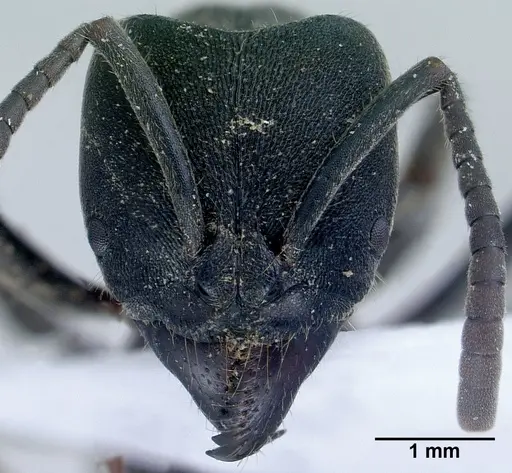
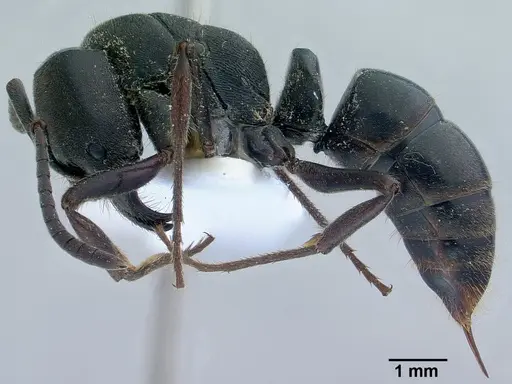
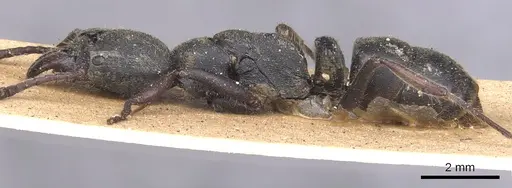
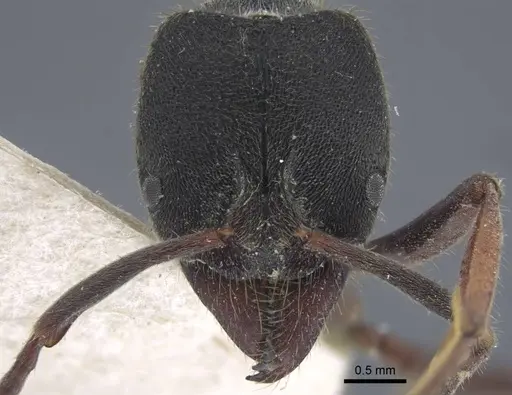
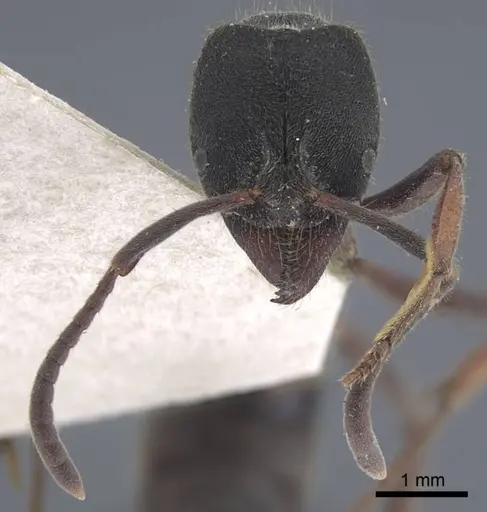
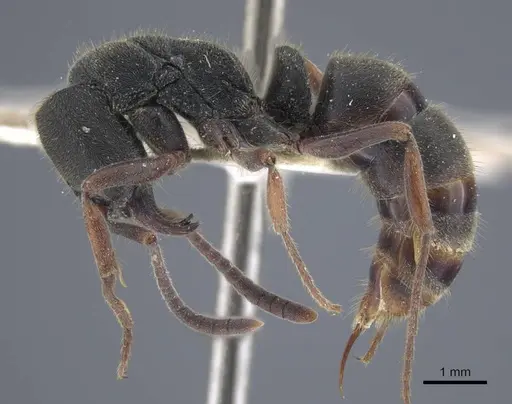
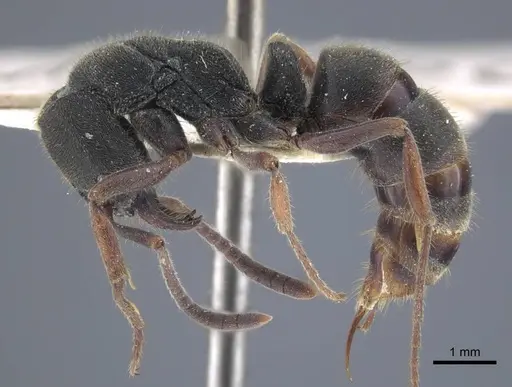
Ectomomyrmex astutus is a large, robust ant species belonging to the Ponerinae subfamily. Workers measure 8.5-16mm and have a distinctive appearance with a black to brownish-black body, reddish-brown mandibles, antennae, and leg tarsi. The head and mesosoma feature coarse longitudinal striations, while the abdomen has fine punctures giving it a subtle blue sheen. Fine yellow pubescence covers the body with sparse standing hairs. This species has an extensive range across Asia and Australasia, from Australia and New Guinea through Southeast Asia to southern China and India. It is a ground-nesting predator known for its aggressive temperament and powerful sting, making it a challenging but rewarding species for experienced antkeepers.
Quick Summary
- Difficulty: Medium
- Origin & Habitat: Tropical and subtropical regions of Asia and Australasia. Found in Australia (type locality), New Guinea, Borneo, India, Indonesia, Malaysia, Thailand, Vietnam, and southern China including Yunnan, Guizhou, Guangxi, Zhejiang, Fujian, Hong Kong, and Hainan. Inhabits forest environments including mixed deciduous forests and limestone forests, nesting in soil and foraging on the ground surface [1][2][3].
- Colony Type: Polygynous, colonies can have multiple queens working together. Also uses gamergates (reproductive workers) as an additional reproductive strategy [4][5]. This gives colonies flexibility in reproduction.
- Colony: Polygyne
- Special: Gamergates
- Size & Growth:
- Queen: Approximately 12-14mm (queen described by Karavaiev 1925 but exact measurements not specified in available literature)
- Worker: 8.5-16mm [6][7][3]
- Colony: Up to 38 workers [8]
- Growth: Moderate, colonies remain relatively small compared to many ant species
- Development: 8-12 weeks (estimated based on typical Ponerinae development patterns) (Direct development data unavailable for this species. Estimates based on related Ponerinae species which typically require 2-3 months for complete development)
- Antkeeping:
- Temperature: Keep at 24-28°C. This tropical species requires warm conditions year-round. Use a heating cable on one side of the nest to create a temperature gradient [2].
- Humidity: Maintain moderate to high humidity (60-80%). These forest-dwelling ants prefer moist substrate but not waterlogged conditions. Keep the nest substrate consistently damp with occasional drier areas for the ants to regulate their own conditions.
- Diapause: No true hibernation required. As a tropical species, they remain active year-round if kept warm. However, activity may slow slightly during cooler months, this is not a formal diapause but rather reduced metabolism.
- Nesting: Ground-nesting species. Use a naturalistic setup with soil or a Y-tong/plaster nest with chambers scaled to their large size. Provide a deep soil layer for nesting chambers. Outworld should include substrate for foraging.
- Behavior: Aggressive and powerful stingers. Workers are solitary foragers, hunting individually rather than in groups [9]. They are opportunistic predators that hunt small invertebrates on the ground surface [10]. Colonies are defensive and will readily attack threats. Their powerful sting makes them a species to handle with caution. Escape prevention is important, while not tiny, they are strong and determined.
- Common Issues: small colony size means slow growth, beginners may lose patience, powerful sting makes handling risky, use caution when servicing nests, tropical warmth requirements year-round can increase electricity costs, soil nesting setup requires more maintenance than test tube arrangements, wild-caught colonies may have Wolbachia infection which could affect colony health [4]
Housing and Nest Setup
Ectomomyrmex astutus requires a setup that accommodates their ground-nesting behavior and large size. A naturalistic terrarium-style enclosure works best, with a deep soil layer (at least 5-10cm) for the ants to excavate chambers. Alternatively, a Y-tong (acrylic) nest with large chambers or a plaster nest with appropriately sized tunnels can work well. The nest should be kept humid with a water reservoir or regular misting, while the outworld can be drier. Provide a temperature gradient using a heating cable on part of the nest, aim for 24-28°C in the warm zone. Escape prevention is important despite their larger size, use tight-fitting lids and barrier tape as a precaution. [1][2]
Feeding and Diet
These ants are predators that hunt small invertebrates on the ground. In captivity, offer a varied diet including live prey such as small crickets, mealworms, and other small insects. They are opportunistic foragers that hunt individually rather than coordinating in groups [9], so place prey in the outworld where workers can find it. They likely also accept protein-based foods like crushed insects. Sugar sources may be accepted but are not their primary food, focus on providing regular protein prey. Feed every 2-3 days, adjusting based on colony consumption.
Temperature and Seasonal Care
As a tropical species from Asia and Australasia, Ectomomyrmex astutus requires warm conditions year-round. Maintain temperatures between 24-28°C in the nest area. A heating cable placed on one side of the nest creates a gradient allowing ants to thermoregulate. They do not require hibernation or diapause, keeping them warm through winter is essential. Activity may naturally decrease slightly during cooler months, but they should remain active if temperatures are maintained. Avoid temperatures below 20°C for extended periods. [2][3]
Colony Structure and Reproduction
This species is polygynous, meaning colonies naturally have multiple queens rather than a single dominant queen. Additionally, they use gamergates, workers that can become reproductive and lay eggs [4][5]. This gives the colony flexibility in reproduction. Colonies propagate through a combination of haplometrosis (independent queen founding), budding (queen leaves with workers to form new colony), and fissioning (colony splits). Maximum colony size is relatively small at around 38 workers [8], so do not expect massive colonies. The presence of multiple reproductives helps ensure colony survival.
Behavior and Temperament
Ectomomyrmex astutus is an aggressive species with a powerful sting [11]. Workers are solitary foragers rather than cooperative hunters, each ant hunts independently [9]. They are ground-dwelling predators that search for prey on the forest floor. Colonies are defensive and will respond aggressively to threats. The sting is reported to be painful, so exercise caution when working with this species. They are not suitable for beginners who want a hands-on ant-keeping experience. Despite their small colony sizes, they are active and engaging to observe.
Frequently Asked Questions
How long does it take for Ectomomyrmex astutus to develop from egg to worker?
Exact development time has not been documented for this species. Based on typical Ponerinae development patterns, expect approximately 8-12 weeks from egg to first worker at optimal temperatures (24-28°C). Be patient, colonies grow slowly and remain relatively small (max ~38 workers).
Can I keep multiple Ectomomyrmex astutus queens together?
Yes, this is natural for the species. Ectomomyrmex astutus is polygynous, meaning colonies naturally have multiple queens. Unlike many ant species where multiple queens fight, these queens coexist peacefully. You can keep a foundress cluster together if you capture multiple queens.
What do Ectomomyrmex astutus eat?
They are predators that hunt small invertebrates. Feed live prey such as small crickets, mealworms, fruit flies, and other small insects. They are opportunistic foragers that hunt individually [9]. Offer protein prey 2-3 times per week. Sugar water may be accepted but is not their primary food source.
Are Ectomomyrmex astutus good for beginners?
No, this species is recommended for intermediate to experienced antkeepers. They require tropical warmth year-round, have a powerful sting, and are aggressive. Additionally, their small colony size and slow growth can be frustrating for beginners expecting rapid development. They are best suited for keepers who already have experience with Ponerinae or other aggressive ant species.
How big do Ectomomyrmex astutus colonies get?
Colonies remain relatively small, reaching a maximum of approximately 38 workers [8]. This is small compared to many ant species. Do not expect massive colonies, these ants prioritize individual strength over numerical superiority.
Do Ectomomyrmex astutus need hibernation?
No, they do not require hibernation. As a tropical species from Asia and Australasia, they need warm conditions year-round. Maintain temperatures of 24-28°C consistently. They may show reduced activity in cooler months but this is not a true diapause.
When should I move Ectomomyrmex astutus to a formicarium?
Wait until the colony has established and has at least 10-15 workers. For newly caught queens, keep them in a simple setup (test tube or small container with soil) until the first workers (nanitics) emerge and the colony is firmly established. Then you can move them to a larger naturalistic setup.
References

This caresheet is licensed under CC BY-SA 4.0 .
CASENT0179011
View on AntWeb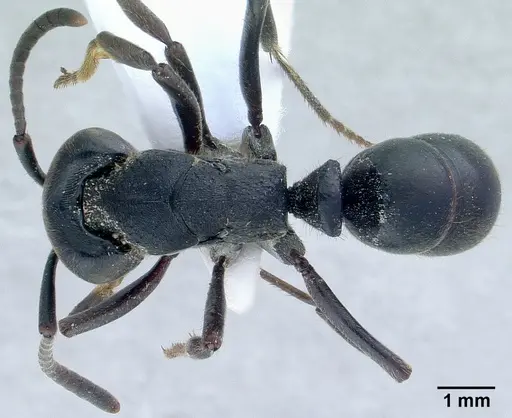
CASENT0882082
View on AntWeb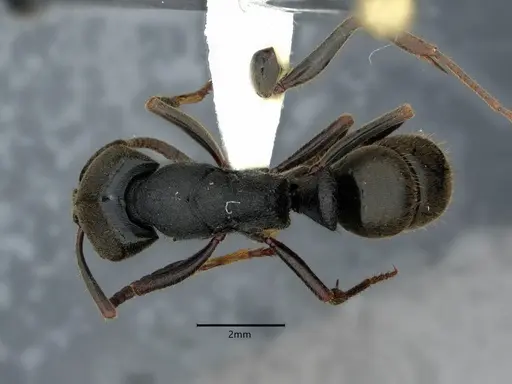
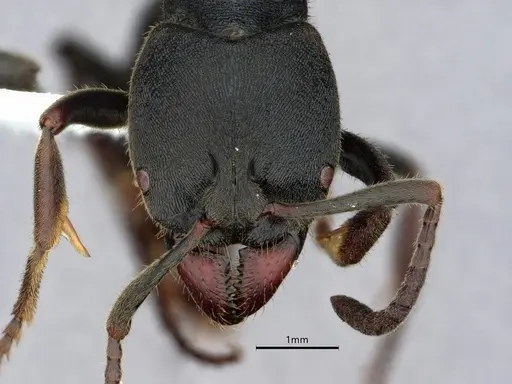
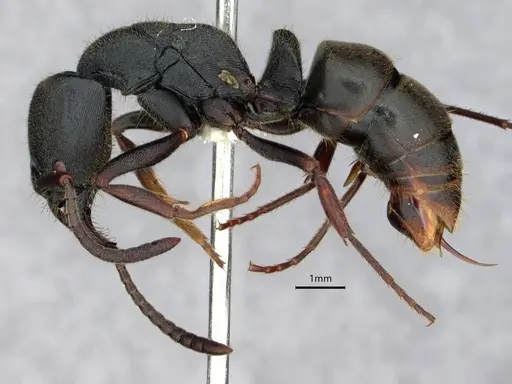
CASENT0902492
View on AntWeb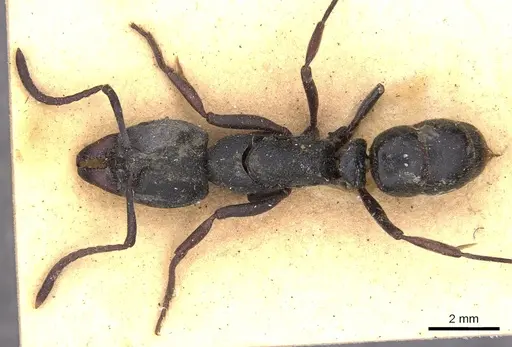
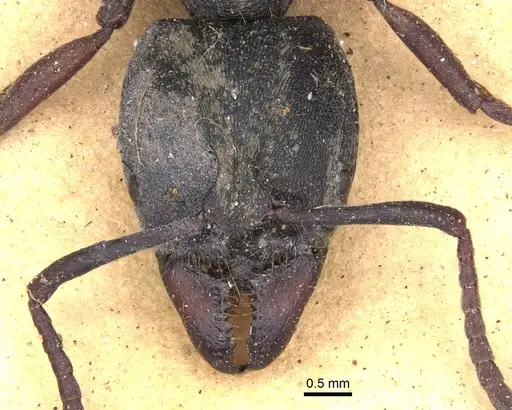
CASENT0916823
View on AntWeb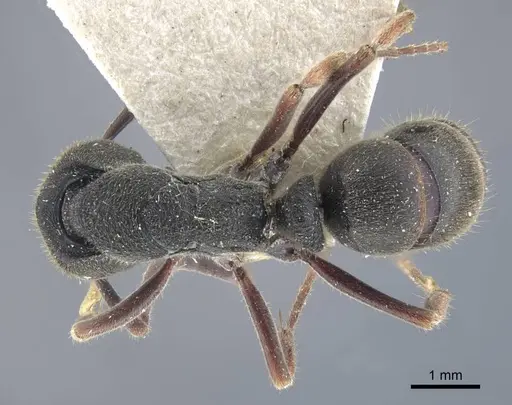
Literature
Loading...Loading products...