

Ectomomyrmex acutus
- Scientific Name
- Ectomomyrmex acutus
- Tribe
- Ponerini
- Subfamily
- Ponerinae
- Author
- Emery, 1900
- Distribution
- Found in 1 countries
Ectomomyrmex acutus Overview
Ectomomyrmex acutus is an ant species of the genus Ectomomyrmex. It is primarily documented in 1 countries , including Papua New Guinea. Detailed taxonomic data and occurrence records can be further explored via authoritative databases such as AntWeb or the Global Biodiversity Information Facility (GBIF).
Ectomomyrmex acutus
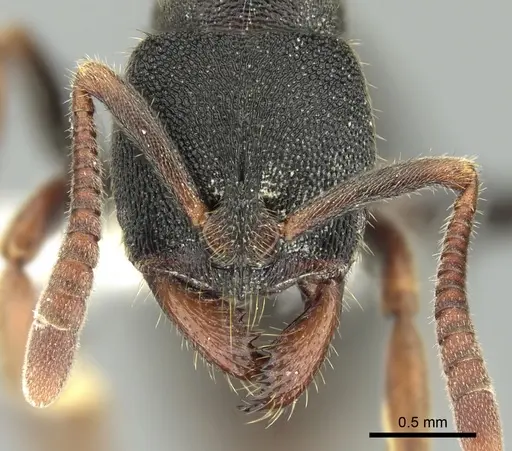
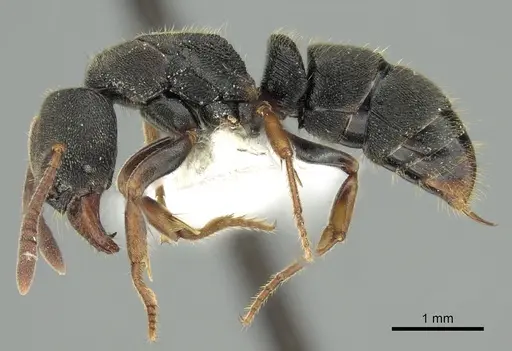
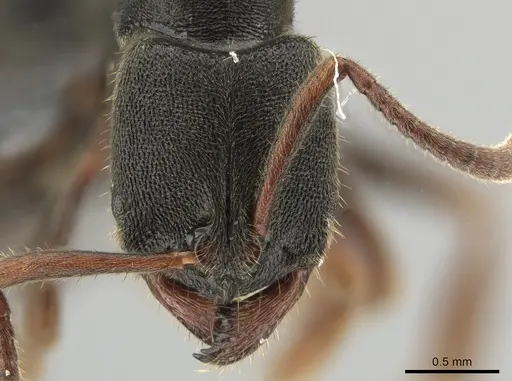
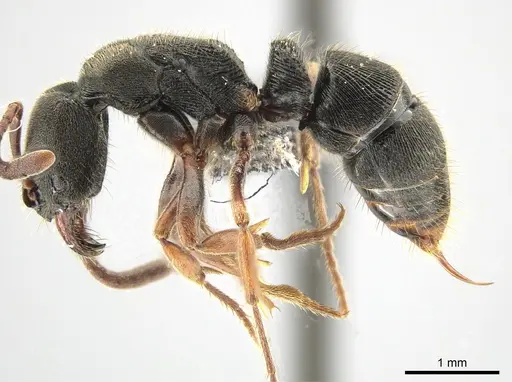
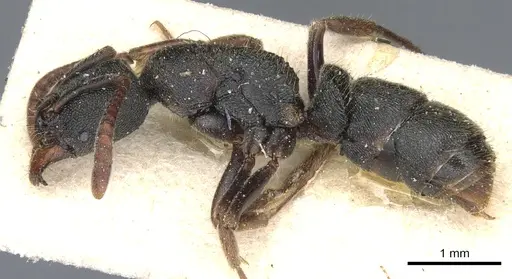
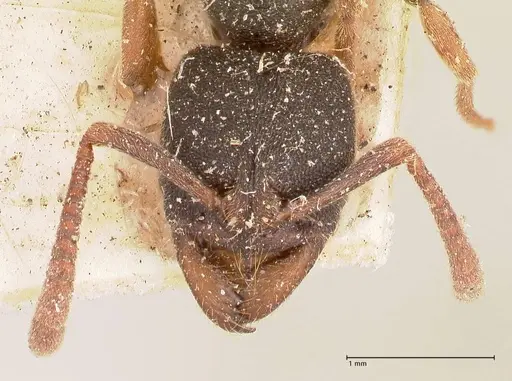
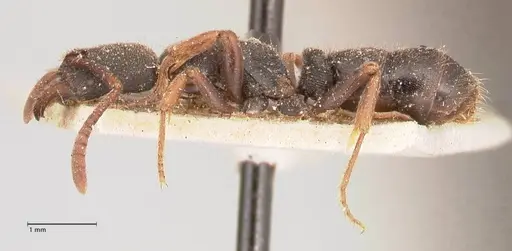
Ectomomyrmex acutus is a medium-sized predatory ant belonging to the subfamily Ponerinae. Workers are robust with a distinct elongated head and powerful mandibles. The species was originally described from New Guinea by Emery in 1900 and is also found throughout the Solomon Islands, including Guadalcanal [1]. These ants are predatory hunters, typical of the Ponerini tribe, and are equipped with a potent sting for subdueing prey. As a tropical species from humid regions of Papua New Guinea and the Solomon Islands, they require warm and moist conditions in captivity.
Quick Summary
- Difficulty: Medium
- Origin & Habitat: Native to New Guinea and the Solomon Islands, where it inhabits tropical forest environments. The species has been recorded from lowland to mid-elevation areas in Guadalcanal and throughout the Bismarck Archipelago [1]. In their natural range, they nest in soil, under stones, or in rotting wood in humid forest settings.
- Colony Type: Single-queen colonies (monogyne) are typical for this species, based on typical Ponerinae patterns. Colonies are relatively small, typically reaching a few hundred workers at maturity.
- Colony: Monogyne
- Founding: Claustral
- Size & Growth:
- Queen: Approximately 10-12mm based on genus estimates for Ectomomyrmex
- Worker: Approximately 7-10mm based on genus estimates
- Colony: Likely reaches several hundred workers at maturity based on typical Ponerinae colony sizes
- Growth: Moderate, Ponerine ants typically develop at a moderate pace compared to faster-growing Formicinae
- Development: Estimated 6-10 weeks at optimal tropical temperatures based on related Ponerinae species (Development time is temperature-dependent, warmer conditions within the safe range will speed development. First workers (nanitics) are typically smaller than normal workers.)
- Antkeeping:
- Temperature: Keep at 24-28°C, mimicking warm tropical conditions. A slight temperature gradient allows ants to regulate their own exposure to heat.
- Humidity: High humidity is essential, maintain 70-85% relative humidity. Keep the nest substrate consistently moist but not waterlogged. These ants come from humid tropical environments and are sensitive to drying out.
- Diapause: No true diapause is required. As a tropical species, they do not experience cold winters in their native range. However, slight temperature reductions during the dry season period may be beneficial if mimicking natural cycles.
- Nesting: Provide a humid nest environment such as a Y-tong (AAC) nest, plaster nest, or naturalistic setup with moist substrate. They prefer dark, enclosed spaces and will nest in soil or rotting wood in captivity. Ensure the nest has adequate moisture retention.
- Behavior: Ectomomyrmex acutus is a predatory ant that actively hunts for prey. Workers are aggressive defenders of the colony and will readily sting intruders. They are primarily nocturnal or crepuscular foragers, hunting small invertebrates. This species has a potent sting, one of the more painful stings among Ponerinae ants. They are excellent escape artists for their size and require secure containment. Workers are moderately large, so standard barriers are usually adequate, but vigilance is still important.
- Common Issues: high humidity requirements mean mold can become a problem if ventilation is inadequate, predatory diet means they require live prey, failure to provide appropriate food leads to colony decline, potent sting makes handling risky, use caution when servicing the colony, tropical species are sensitive to temperature drops, avoid keeping them in cool rooms, small colony sizes mean they are vulnerable to stress, minimize disturbances during founding and early growth
Housing and Nest Setup
Ectomomyrmex acutus requires a humid nest environment that mimics the moist tropical conditions of their native New Guinea and Solomon Islands habitat. Y-tong (AAC) nests work well because they retain moisture while allowing you to observe the colony. Plaster nests are another excellent option, as they can be kept consistently moist. For the outworld, use a simple setup with a water test tube for drinking and a small foraging area. Because they are predatory, you will need to provide live prey regularly. The nest should be kept dark or covered to reduce stress, these ants prefer dim conditions similar to their natural understory habitat. A small water reservoir in the outworld ensures workers have access to drinking water.
Feeding and Diet
As a Ponerinae ant, Ectomomyrmex acutus is primarily predatory and requires live invertebrate prey to thrive. Offer small insects such as fruit flies, small crickets, mealworms, and other appropriately sized arthropods. Prey items should be no larger than the ants themselves. Unlike some ants that readily accept sugar, Ponerinae species focus on protein sources. However, you can occasionally offer a drop of diluted honey or sugar water to see if they accept it, some colonies will, while others ignore it entirely. Feed prey every 2-3 days for established colonies, adjusting based on how quickly food is consumed. Remove any uneaten prey after 24 hours to prevent mold issues.
Temperature and Humidity Control
Maintaining proper temperature and humidity is critical for this tropical species. Keep the nest area at 24-28°C, this is warm but within safe limits for most Ponerinae. A heating cable or mat on one side of the nest can create a gentle gradient, allowing ants to move between warmer and cooler areas. Humidity should be kept high at 70-85%. The nest substrate should feel consistently moist but never sitting in standing water. Check moisture levels every few days and rehydrate as needed by adding small amounts of water to the nest. Avoid placing the colony near air conditioning units or drafty windows, as temperature fluctuations and dry air can stress the colony.
Behavior and Defense
Ectomomyrmex acutus workers are active hunters that patrol the nest area and surrounding territory in search of prey. They use their powerful mandibles to capture small invertebrates and subdue them. The sting of this species is notably painful, these ants should be handled with extreme care. When threatened, workers will readily sting, and the venom can cause significant discomfort in humans. For colony maintenance, use minimal disturbance and work carefully around the nest. Avoid blowing on the colony or tapping the nest, as this triggers defensive responses. When moving or observing the colony, do so from a distance when possible.
Colony Development
A newly mated queen will seal herself into a founding chamber and lay eggs without leaving the nest, this is claustral founding. She will survive on stored fat reserves while raising the first brood. The first workers, called nanitics, are typically smaller than mature workers and emerge after several weeks of development. Once the first workers arrive, the colony enters a growth phase as the queen continues laying eggs and workers increase their foraging activity. Growth is moderate, expect several months before the colony reaches 50 workers, and over a year to reach several hundred. Ponerine colonies tend to plateau at smaller sizes compared to Formicinae or Myrmicinae species.
Frequently Asked Questions
How long does it take for Ectomomyrmex acutus to produce first workers?
Expect first workers to emerge 6-10 weeks after the queen lays eggs, assuming optimal temperatures around 26°C. This timeline is based on typical Ponerinae development patterns since specific development data for this species is not available.
Do Ectomomyrmex acutus ants sting?
Yes, they have a potent sting. This is one of the more painful stings among Ponerinae ants. Handle with extreme caution and avoid direct contact with the colony.
What do Ectomomyrmex acutus eat?
They are predatory ants that require live invertebrate prey. Offer small insects like fruit flies, small crickets, and mealworms. They may occasionally accept sugar water, but protein from prey is essential.
Can I keep multiple Ectomomyrmex acutus queens together?
This species is typically monogyne (single queen). Combining unrelated queens is not recommended as they will likely fight. Only one queen per colony is advised.
What temperature do Ectomomyrmex acutus need?
Keep them warm at 24-28°C. As a tropical species from New Guinea and the Solomon Islands, they require consistently warm conditions to thrive.
Do Ectomomyrmex acutus need hibernation?
No, they do not require hibernation. As a tropical species, they are active year-round and do not experience cold winters in their natural habitat.
How big do Ectomomyrmex acutus colonies get?
Colonies typically reach several hundred workers at maturity. They are not among the largest ant species, but can form substantial colonies over time.
Are Ectomomyrmex acutus good for beginners?
This species is rated as medium difficulty. While their care requirements are straightforward once understood, their predatory diet, high humidity needs, and potent sting make them better suited for keepers with some antkeeping experience.
What humidity level do Ectomomyrmex acutus require?
They need high humidity at 70-85%. Keep the nest substrate consistently moist but not waterlogged. This mimics the humid tropical conditions of their native habitat.
When should I move Ectomomyrmex acutus to a formicarium?
Wait until the colony has at least 30-50 workers before moving to a larger formicarium. The founding setup (test tube or small container) works well for the first few months. Moving too early can stress the colony.
References

This caresheet is licensed under CC BY-SA 4.0 .
CASENT0249174
View on AntWeb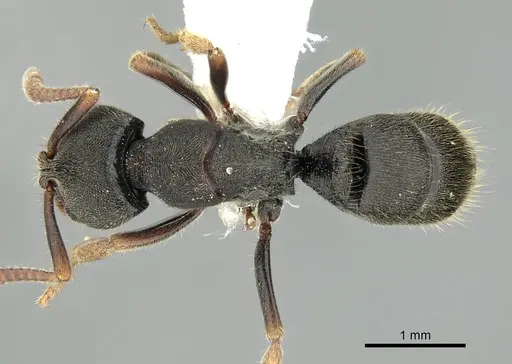
CASENT0650362
View on AntWeb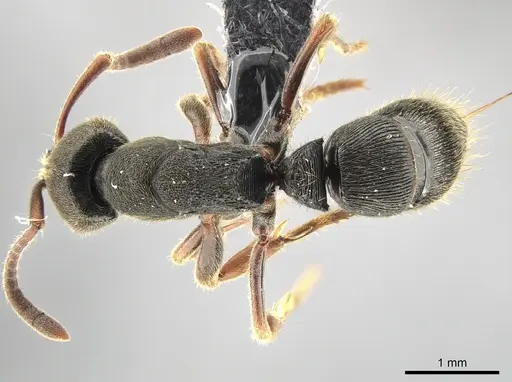
CASENT0903902
View on AntWeb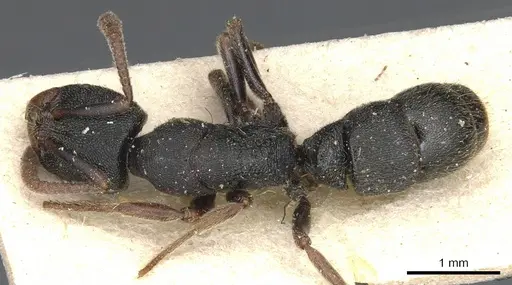
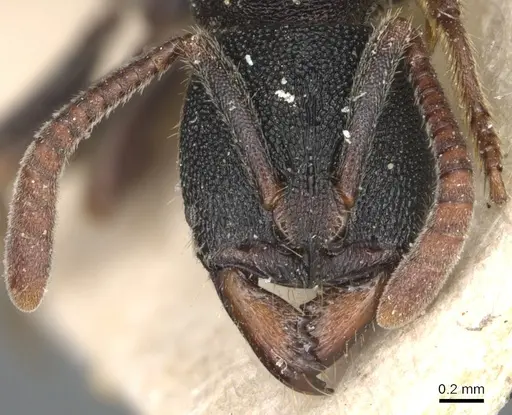
FOCOL0962
View on AntWeb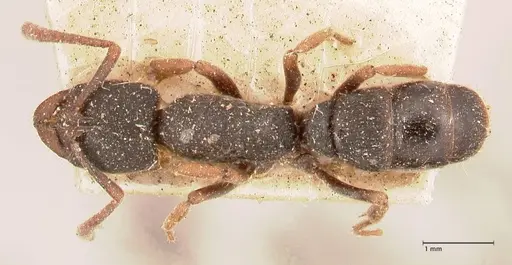
Literature
Loading...Loading products...