

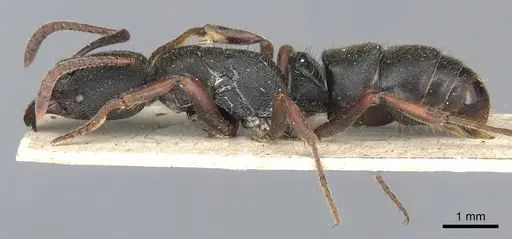
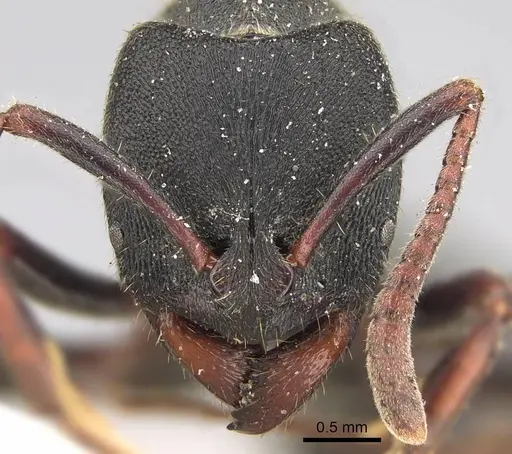
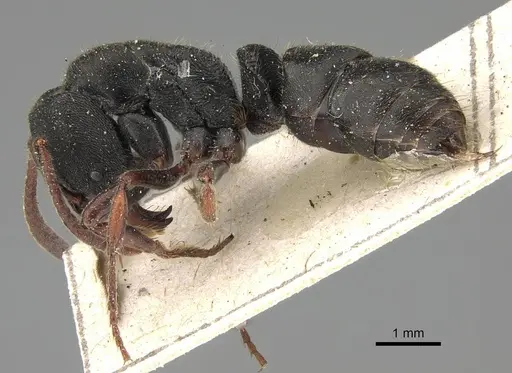
Ectomomyrmex aciculatus
- Scientific Name
- Ectomomyrmex aciculatus
- Tribe
- Ponerini
- Subfamily
- Ponerinae
- Author
- Emery, 1901
- Distribution
- Found in 1 countries
Ectomomyrmex aciculatus Overview
Ectomomyrmex aciculatus is an ant species of the genus Ectomomyrmex. It is primarily documented in 1 countries , including Papua New Guinea. Detailed taxonomic data and occurrence records can be further explored via authoritative databases such as AntWeb or the Global Biodiversity Information Facility (GBIF).
Ectomomyrmex aciculatus
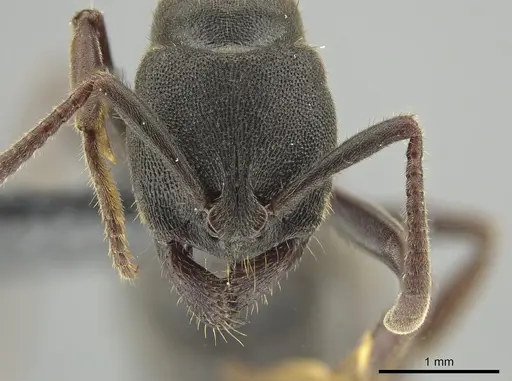
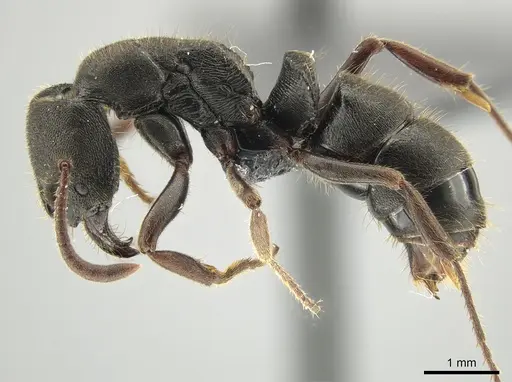
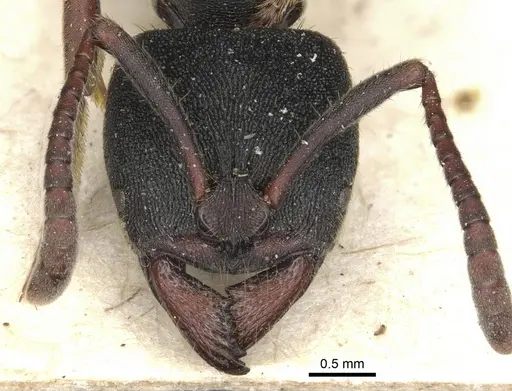
Ectomomyrmex aciculatus is a medium-sized ant species found across tropical and subtropical Asia. Workers measure around 6-9mm with a robust, dark brown to black body. The genus name 'Ectomomyrmex' means 'cut ant' in Greek, referring to their powerful mandibles used for hunting prey. These ants are ground-nesting, typically creating nests in soil or under stones in forested areas. They are known for their aggressive defensive behavior and painful stings, which they use to protect their colonies [1].
What makes Ectomomyrmex interesting is their hunting strategy, they are active predators that chase down prey rather than simply scavenging. They occupy forest habitats in both primary and secondary forest areas, but are notably absent from human-modified landscapes like rubber plantations [1]. This suggests they prefer intact forest environments with good ground cover and minimal disturbance.
Quick Summary
- Difficulty: Medium
- Origin & Habitat: Tropical and subtropical Asia, found in primary and secondary forest habitats, not in agricultural areas like rubber plantations [1].
- Colony Type: Likely single-queen colonies based on typical genus patterns. No specific research on colony structure for this species.
- Colony: Monogyne
- Founding: Claustral
- Size & Growth:
- Queen: Approximately 10-12mm, inferred from genus-level data for medium-sized Ectomomyrmex species
- Worker: 6-9mm [1]
- Colony: Likely several hundred to a few thousand workers, estimated based on genus patterns
- Growth: Moderate, estimated from typical Formicinae development
- Development: 6-10 weeks, estimated based on related Formicinae species at optimal temperature (Development time is estimated as no specific study exists for this species. Related Formicinae ants typically take 6-10 weeks from egg to worker at temperatures around 24-28°C.)
- Antkeeping:
- Temperature: Keep nest area around 24-28°C. They are a tropical species and need consistent warmth. A heating cable on one side of the nest can create a gentle gradient. Room temperature may be sufficient if your home stays in the low-to-mid 20s°C.
- Humidity: Keep substrate moderately moist but not waterlogged. These forest-floor ants prefer conditions that mimic damp soil, think forest floor after rain, not saturated mud. Provide a water tube for drinking access.
- Diapause: No, as a tropical species, they do not require hibernation. Keep temperatures consistent year-round.
- Nesting: These ants do well in naturalistic setups with soil or in Y-tong/plaster nests. They prefer nesting in soil with good moisture retention. Provide deep substrate (at least 5-10cm) if using a naturalistic setup. Flat stones or pieces of bark on top of soil can encourage natural nesting behavior.
- Behavior: Ectomomyrmex are aggressive defenders with painful stings. Workers are active foragers that hunt live prey. They are not escape artists but can climb smooth surfaces. Their sting is notably painful, handle with caution. Workers are bold and will readily defend the colony when threatened.
- Common Issues: sting pain, these ants have painful stings and will use them when threatened, so handle with care, tropical temperature needs, they may struggle in cool rooms without supplemental heating, ground-nesting preference means they need deeper nest chambers or naturalistic setups to feel secure, aggressive defense means colony transfers require patience and care to avoid mass attacks
Housing and Nest Setup
Ectomomyrmex aciculatus does best in naturalistic setups that mimic their forest-floor habitat. A deep container (at least 10-15cm tall) filled with moist soil works well. You can layer the substrate with sand and soil to create texture. Place flat stones or pieces of bark on the surface to give them cover, in the wild, they often nest under objects on the ground.
If you prefer a formicarium, Y-tong nests or plaster nests work better than acrylic for this species because they allow for better moisture retention. The chambers should be appropriately sized, these are medium-large ants, so avoid overly tight spaces. Provide a water tube connected to the nest to maintain humidity. An outworld for foraging is essential since they actively hunt prey. [1]
Feeding and Diet
These ants are active predators and need a protein-rich diet. Offer live insects appropriate to their size, small crickets, mealworms, fruit flies, and similar prey items work well. They will also accept protein-based commercial ant foods. Sugar sources are appreciated but not required, you can offer occasional drops of honey or sugar water.
Feed them 2-3 times per week with prey items, removing any uneaten food after 24 hours to prevent mold. The colony size determines portion size, start small and adjust based on how quickly they consume the food. A well-fed colony will have workers with plump abdomens.
Temperature and Heating
As a tropical species, Ectomomyrmex aciculatus needs warmth to thrive. Keep the nest area at 24-28°C for optimal brood development. If your room temperature stays in this range naturally, you may not need additional heating. However, many keepers use a heating cable or heat mat on one side of the nest to maintain consistent temperatures.
Place heating under or to one side of the nest, never directly on it, to avoid overheating. Create a temperature gradient so ants can choose their preferred spot. Watch for worker behavior, if they constantly avoid the heated area, it may be too warm. Consistent temperatures are more important than exact numbers.
Behavior and Handling
Ectomomyrmex aciculatus is not a species for beginners who want a hands-off experience. These ants are bold defenders and will aggressively protect their nest. Workers can deliver a painful sting, this is their primary defense and they will use it readily.
When working with the colony, go slowly and use patience. Avoid blowing on the ants or making sudden movements. If you need to move the colony, wait until most workers are in the outworld foraging rather than disturbing the nest directly. Their sting is the main concern, it can cause localized pain and swelling, similar to a bee sting. Those with insect venom allergies should avoid this species.
Frequently Asked Questions
How long does it take for Ectomomyrmex aciculatus to have first workers?
Estimated 6-10 weeks from egg to first worker at optimal temperature (24-28°C). This is based on typical Formicinae development patterns since no specific study exists for this species.
What do Ectomomyrmex aciculatus eat?
They are predators that need live protein prey like small crickets, mealworms, and fruit flies. They also accept commercial protein foods and occasional sugar sources like honey water.
Can I keep Ectomomyrmex aciculatus in a test tube?
Test tubes are not ideal for this species long-term. They prefer ground-nesting setups with deeper substrate. A naturalistic setup with soil or a Y-tong/plaster nest works better.
Do Ectomomyrmex aciculatus need hibernation?
No, they are a tropical species and do not require hibernation. Keep temperatures consistent year-round in the 24-28°C range.
Are Ectomomyrmex aciculatus good for beginners?
No, this species is better suited for intermediate to experienced antkeepers. Their painful sting and specific temperature needs make them challenging for beginners.
How big do Ectomomyrmex aciculatus colonies get?
Based on genus patterns, colonies likely reach several hundred to a few thousand workers. Exact maximum is unknown for this specific species.
What temperature do Ectomomyrmex aciculatus need?
Keep nest area at 24-28°C. They need consistent warmth and do best with a temperature gradient so workers can choose their preferred spot.
Why is my Ectomomyrmex aciculatus colony dying?
Common causes include temperatures that are too cool (below 22°C), substrate that is too dry or too wet, and insufficient protein in their diet. Check these factors first. Also ensure they are not being disturbed too frequently.
References

This caresheet is licensed under CC BY-SA 4.0 .
CASENT0249172
View on AntWeb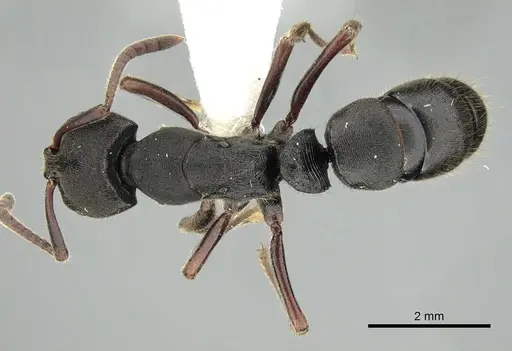
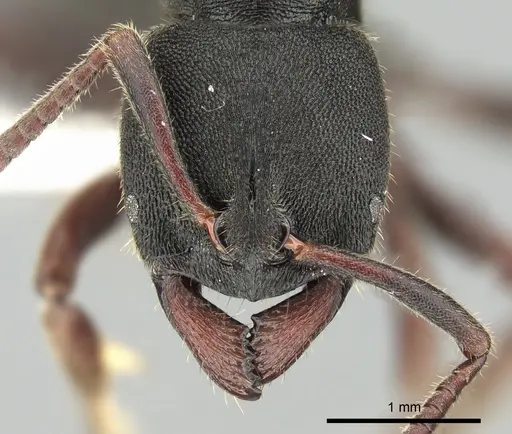
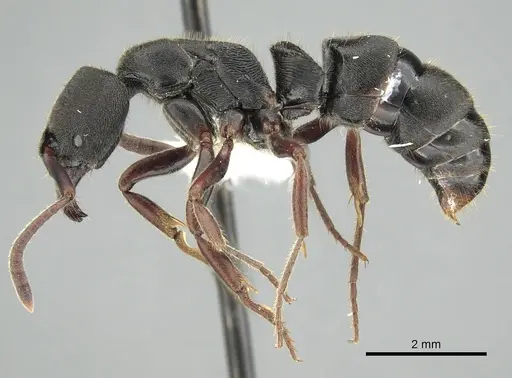
CASENT0650198
View on AntWeb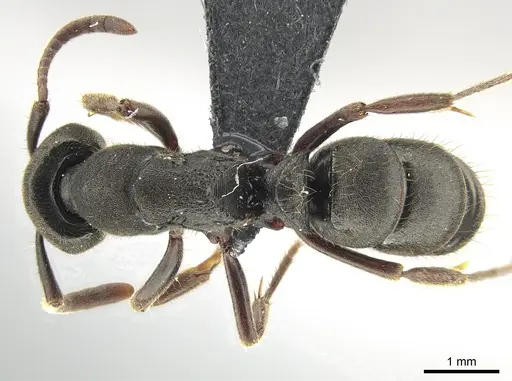
CASENT0903899
View on AntWeb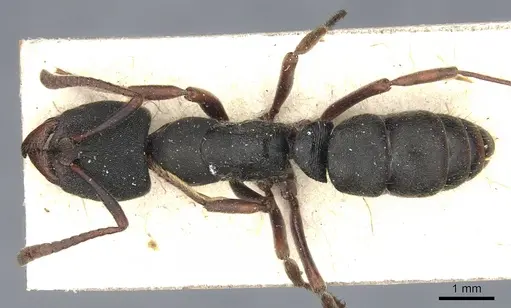
CASENT0922434
View on AntWeb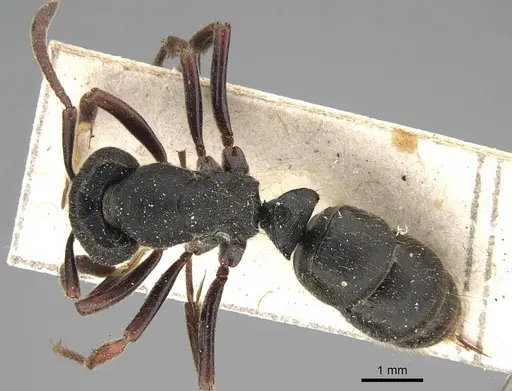
Literature
Loading...Loading products...