

Ectatomma planidens
- Scientific Name
- Ectatomma planidens
- Tribe
- Ectatommini
- Subfamily
- Ectatomminae
- Author
- Borgmeier, 1939
- Distribution
- Found in 1 countries
Ectatomma planidens Overview
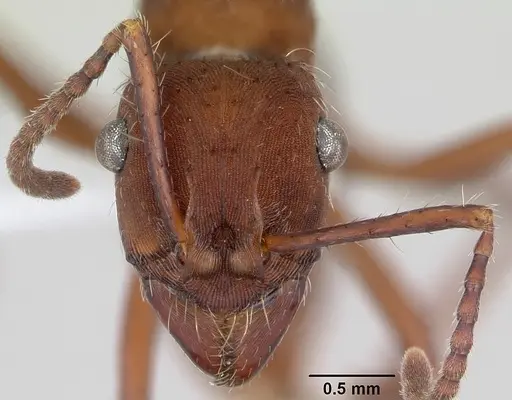
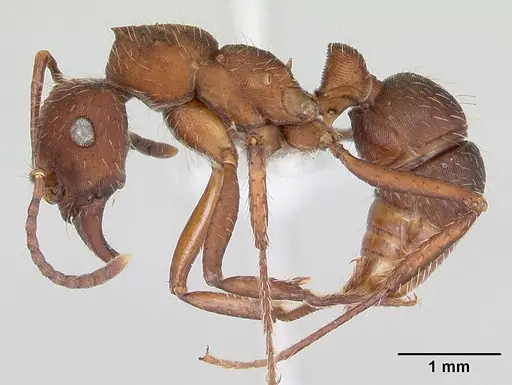
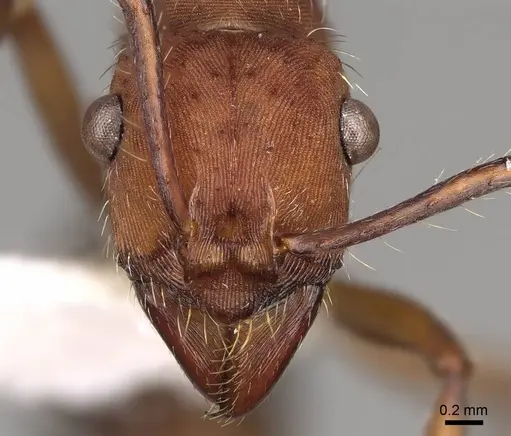
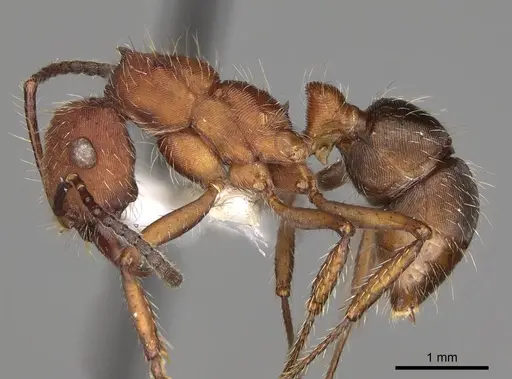
Ectatomma planidens is an ant species of the genus Ectatomma. It is primarily documented in 1 countries , including Brazil. Detailed taxonomic data and occurrence records can be further explored via authoritative databases such as AntWeb or the Global Biodiversity Information Facility (GBIF).
Ectatomma planidens
Ectatomma planidens is a medium-sized ant belonging to the subfamily Ectatomminae, found throughout the Neotropical region including Brazil, Paraguay, and Argentina. Workers are part of the 'large predator guild' and are primarily diurnal foragers, hunting solitarily without recruiting nestmates. This species is commonly found in Brazilian cerrado habitats, including areas of altered vegetation, and is known to visit extrafloral nectaries on plants like Chamaecrista debilis. Colonies have been documented as polygynous, meaning multiple queens can coexist in a single nest. The species shows some tolerance to human-modified landscapes, being recorded in Eucalyptus plantations and areas recovering from fire, though it prefers native cerrado vegetation.
Quick Summary
- Difficulty: Medium
- Origin & Habitat: Native to the Brazilian cerrado and surrounding Neotropical regions. Found in Brazil (São Paulo, Goiás states), Paraguay, and Argentina. Inhabits cerrado savanna and forest-edge habitats, typically in soil or leaf-litter strata. [1][2][3]
- Colony Type: Polygynous colonies with multiple queens confirmed [4]. Colonies are opportunistic and can establish in disturbed areas.
- Colony: Polygyne
- Size & Growth:
- Queen: Estimated 10-12mm based on genus Ectatomma patterns
- Worker: Estimated 8-10mm based on genus Ectatomma patterns
- Colony: Unknown, no direct colony size data available
- Growth: Moderate, estimated based on typical poneromorph development
- Development: Estimated 8-12 weeks at optimal tropical temperatures (Development timeline is not directly studied for this species. Estimates based on typical Ectatomminae patterns.)
- Antkeeping:
- Temperature: Keep at 24-28°C, mimicking warm tropical conditions. A gentle gradient allowing warmer and cooler areas is recommended.
- Humidity: Maintain moderate to high humidity (60-80%). These ants inhabit cerrado environments with seasonal moisture patterns, so provide a damp substrate without waterlogging.
- Diapause: No, being a tropical species, they do not require hibernation. Keep temperatures stable year-round.
- Nesting: Natural nesting occurs in soil and leaf-litter. In captivity, a naturalistic setup with moist soil or a Y-tong/plaster nest works well. Provide a deep substrate layer for tunneling.
- Behavior: This is a diurnal, predatory ant that forages solitarily without recruiting help from nestmates. They are active hunters and will tend to extrafloral nectaries. They are not aggressive toward keepers but may defend their nest if threatened. Escape risk is moderate, use standard barrier methods. [5][3][6]
- Common Issues: tropical species requires warm, stable temperatures year-round, cold kills colonies, solitary foraging means they may not quickly discover food, place prey directly in foraging area, polygynous colonies may have multiple egg-layers, do not remove extra queens if present, wild-caught colonies may carry parasites from native habitat, slow colony growth can frustrate keepers expecting rapid expansion
Natural History and Distribution
Ectatomma planidens is native to the Neotropical region, specifically the Brazilian cerrado and surrounding areas. The species was originally described by Borgmeier in 1939 from specimens collected in São Paulo and Goiás states of Brazil. Current distribution includes Brazil, Paraguay, and Argentina. These ants are classified as 'opportunists' in functional group terminology, meaning they can exploit a variety of resources and tolerate some habitat disturbance. They are primarily ground-dwelling, found in soil strata and leaf-litter, though they will forage arboreally when tending extrafloral nectaries. The species shows diurnal activity patterns and has been recorded visiting extrafloral nectaries of plants like Chamaecrista debilis in the cerrado. [7][6][3]
Foraging Behavior
Unlike many ant species that use chemical recruitment to mobilize workers to food sources, Ectatomma planidens is primarily a solitary forager. Research in agricultural systems shows these ants typically hunt alone without recruiting nestmates, with a mean foraging time of around 10 minutes per individual. They are part of the 'large predator guild' in the cerrado, meaning they actively hunt prey rather than just collecting sugar sources. This hunting behavior makes them effective predators in the ecosystem. They will also visit extrafloral nectaries during the day, providing plant protection services in exchange for sugary rewards. When keeping them, place prey items directly in their foraging area since they won't recruit others to help transport large prey. [5][8][6]
Colony Structure
Research has confirmed that Ectatomma planidens forms polygynous colonies, meaning multiple queens can coexist in a single nest [4]. This is somewhat unusual among ants, where single-queen colonies are more common. The presence of multiple queens can lead to larger colony sizes and may provide colony resilience. When keeping this species, you may encounter multiple queens in a founding cluster or established colony, this is normal and they should be left together. The species has been found in various habitats from preserved cerrado to altered areas, suggesting some flexibility in nesting requirements. Colony size data is not available, but related Ectatomma species typically reach several hundred workers. [4]
Housing and Nesting
In the wild, Ectatomma planidens nests in soil and leaf-litter, typical of ground-dwelling ants in the cerrado ecosystem. For captive care, a naturalistic setup with moist soil substrate works well, allowing the ants to create their own tunnels and chambers. Alternatively, a Y-tong (acrylic) nest with narrow chambers and a water reservoir can provide good visibility while maintaining appropriate humidity. The nest area should be kept dark or dimly lit, as these ants prefer darker nesting sites. Provide a separate outworld area for foraging, and use a barrier like fluon on the rim to prevent escapes. Since they are moderate-sized ants (estimated 8-10mm workers), standard formicarium chambers work well.
Feeding and Diet
As part of the large predator guild, Ectatomma planidens primarily hunts live prey. In captivity, offer small insects like fruit flies, small crickets, mealworms, and other appropriately-sized arthropods. They are diurnal foragers, so offer food during daylight hours for best acceptance. They will also accept sugar water or honey as an energy source, similar to other poneromorph ants. Since they are solitary foragers without recruitment, place food directly in the foraging area where the ants can find it easily. Feed protein-rich prey 2-3 times per week, and keep a sugar source available at all times. Remove uneaten prey after 24 hours to prevent mold. [5][8]
Temperature and Seasonal Care
Being a tropical species from Brazil's cerrado, Ectatomma planidens requires warm temperatures year-round. Keep the nest area at 24-28°C (75-82°F). A heating cable on one side of the nest can create a temperature gradient, allowing the ants to self-regulate. Unlike temperate species, they do not require a winter diapause period. Temperature drops below 20°C can stress the colony and slow development. Room temperature within this range is acceptable, but monitor during winter if your home cools significantly. Stable, warm conditions will support healthy colony growth and reproduction.
Frequently Asked Questions
How long does it take for Ectatomma planidens to produce first workers?
The exact development timeline is not documented for this species. Based on typical Ectatomminae patterns, expect 8-12 weeks from egg to worker at optimal warm temperatures (around 26°C). Growth is likely moderate, faster than some slow-growing poneromorphs but not as rapid as invasive tropical species.
Can I keep multiple Ectatomma planidens queens together?
Yes, this is normal for the species. Research confirms polygynous colonies with multiple queens occur naturally. Unlike many ant species where multiple queens fight, Ectatomma planidens queens can coexist. When collecting a colony, you may find several queens, leave them together.
What do Ectatomma planidens ants eat?
They are predators in the large guild, primarily hunting small insects. Feed live prey like fruit flies, small crickets, or mealworms. They will also visit extrafloral nectaries in the wild, so they likely accept sugar water or honey. Place protein prey in the foraging area 2-3 times weekly, and keep sugar water available.
Do Ectatomma planidens ants sting?
Ectatomminae ants have a functional sting and can defend themselves if threatened. However, they are not particularly aggressive toward keepers and typically flee rather than attack. The sting is likely painful for their prey and may cause mild discomfort to humans if stung.
Are Ectatomma planidens good for beginners?
This species is rated Medium difficulty. They require warm, stable tropical conditions year-round (no hibernation) and have specific humidity needs. They are slower to establish than some species. The main challenges are maintaining proper temperature and humidity, and being patient through the founding stage. Experienced antkeepers should have success, but true beginners may find the requirements challenging.
What is the best nest type for Ectatomma planidens?
A naturalistic setup with moist soil or a Y-tong/plaster nest works well. They are ground-nesting ants that prefer dark, humid chambers. Provide a deep substrate for tunneling if using a naturalistic setup. Keep the nest humid but not waterlogged, and ensure darkness for the nesting area.
Why isn't my Ectatomma planidens colony growing?
Check that temperatures are warm (24-28°C), cold stress slows or stops development. Ensure humidity is adequate but not excessive (mold kills colonies). As solitary foragers, they may miss food placed far away, place prey directly in their path. Finally, be patient, moderate growth rates mean visible expansion takes months.
Do Ectatomma planidens need hibernation?
No. Being a tropical species from Brazil's Neotropical region, they do not require hibernation or winter cooling. Keep temperatures stable and warm year-round. Temperatures below 20°C can be harmful.
How big do Ectatomma planidens colonies get?
Colony size is not directly documented for this species. Based on related Ectatomma species, colonies likely reach several hundred workers. Polygynous colonies may grow larger than single-queen colonies of similar species.
References

This caresheet is licensed under CC BY-SA 4.0 .
CASENT0173379
View on AntWeb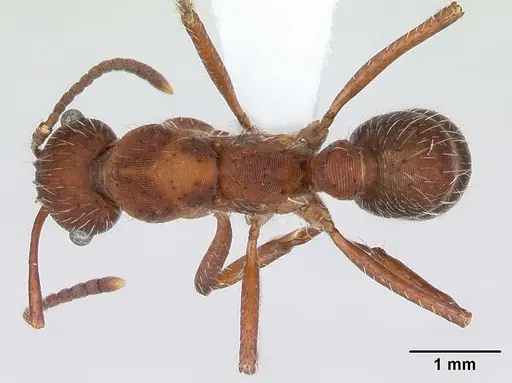
CASENT0281508
View on AntWeb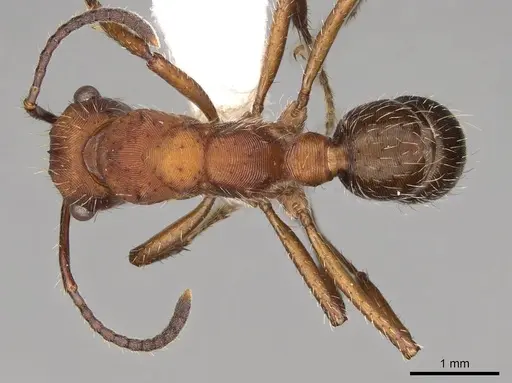
Literature
Loading...Loading products...