

Ectatomma permagnum
- Scientific Name
- Ectatomma permagnum
- Tribe
- Ectatommini
- Subfamily
- Ectatomminae
- Author
- Forel, 1908
- Distribution
- Found in 4 countries
Ectatomma permagnum Overview
Ectatomma permagnum is an ant species of the genus Ectatomma. It is primarily documented in 4 countries , including Bolivia, Plurinational State of, Brazil. Detailed taxonomic data and occurrence records can be further explored via authoritative databases such as AntWeb or the Global Biodiversity Information Facility (GBIF).
Ectatomma permagnum
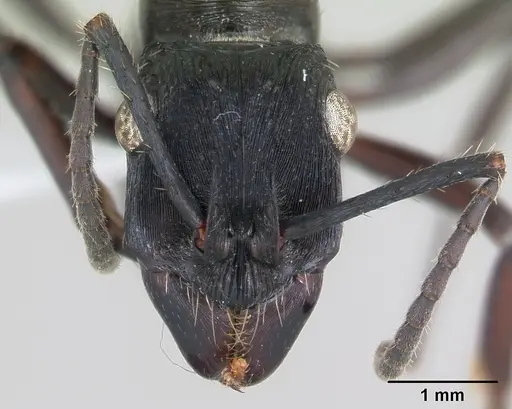
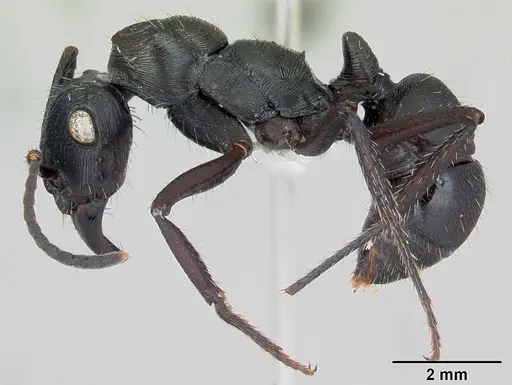
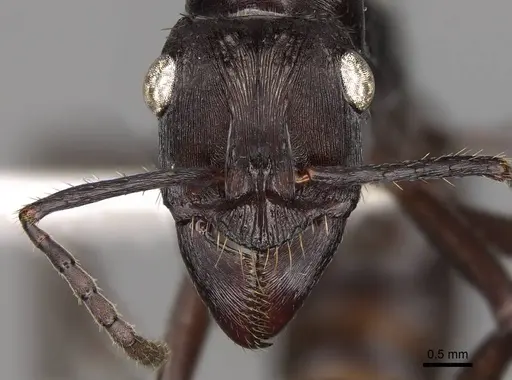
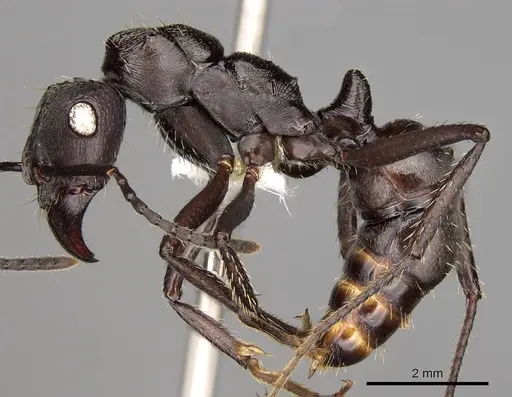
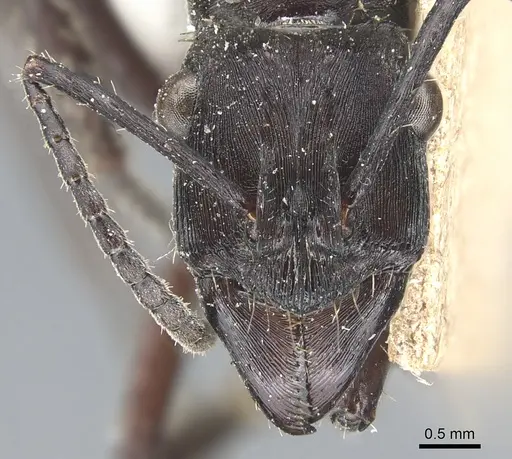
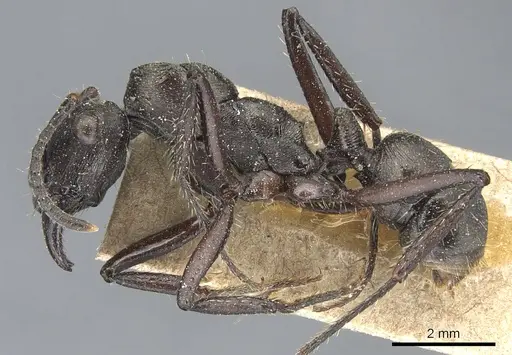
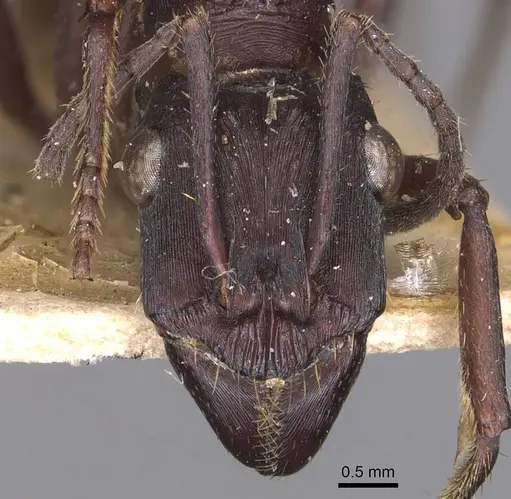
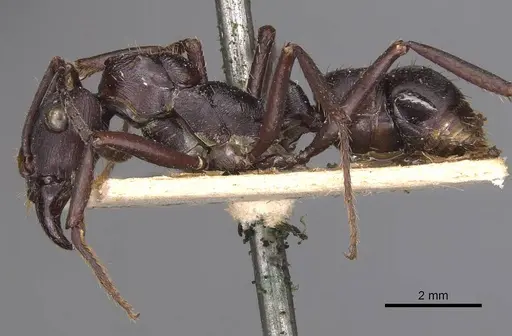
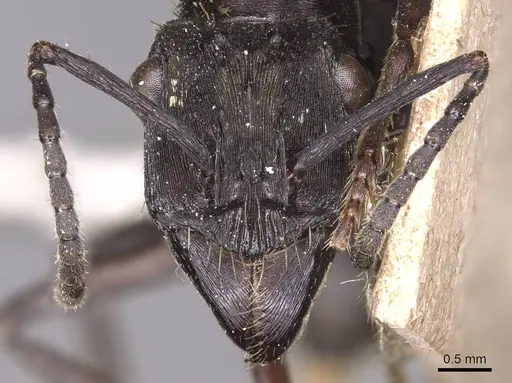
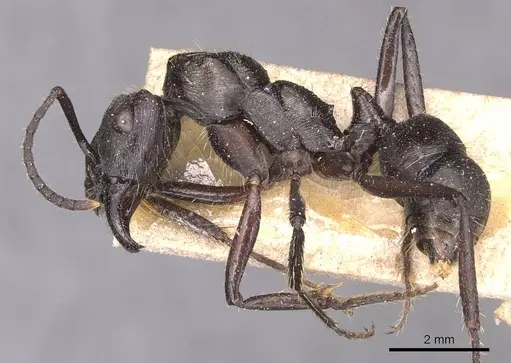
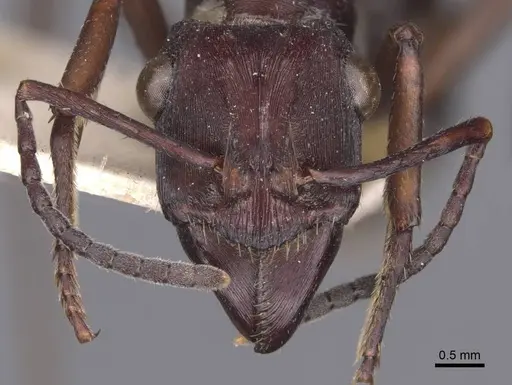
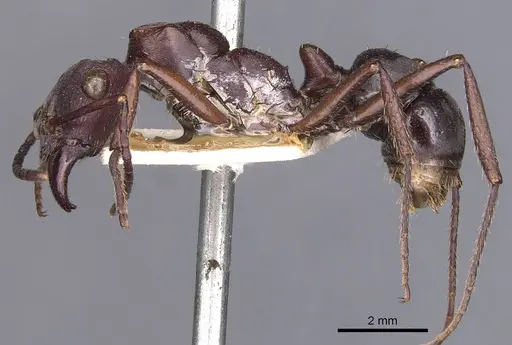
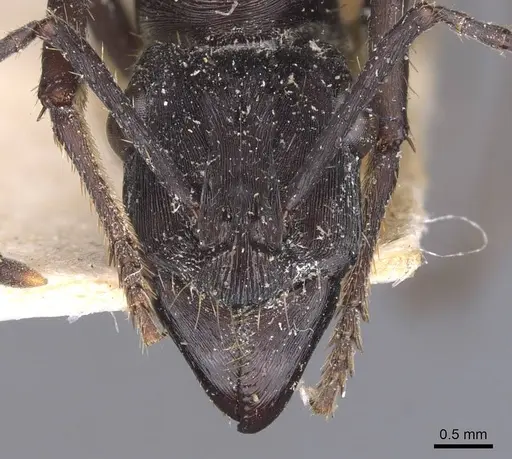
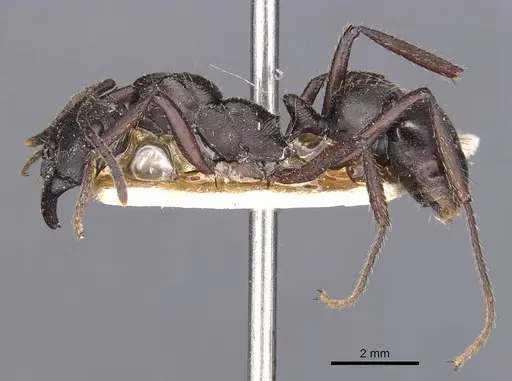
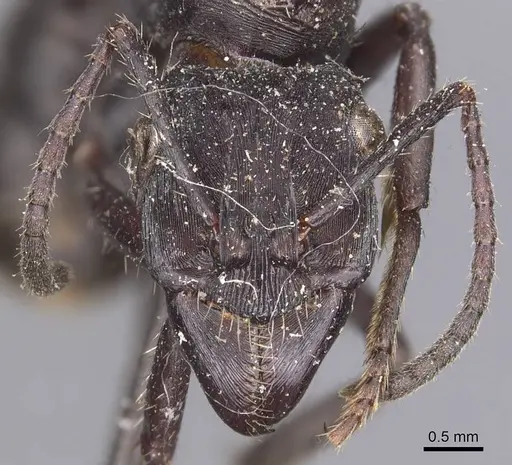
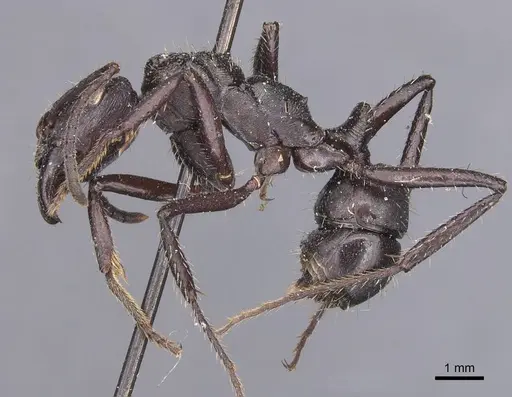
Ectatomma permagnum is a large predatory ant species native to the Neotropical region, found across Argentina, Bolivia, Brazil, and Paraguay [1]. Workers are robust ants with dark brown integument, coarse wrinkles, and distinct shiny reflections, featuring large mandibles and a potent sting [2]. This species belongs to the subfamily Ectatomminae and is known for its predatory behavior, actively hunting other arthropods including ants, beetles, termites, and various insects [3][4]. Unlike many ant species, E. permagnum does not protect extrafloral nectaries, instead focusing on patrolling and feeding on nectar while primarily hunting prey [3]. The species shows a preference for forest environments and forest edges, nesting in the soil and maintaining polygynous colonies with multiple queens [5].
Quick Summary
- Difficulty: Medium
- Origin & Habitat: Native to the Neotropical region, Argentina, Bolivia, Brazil, and Paraguay. Found in Cerrado, Atlantic Forest, Pantanal, and transitional Amazon-Cerrado areas. Prefers forest environments and forest edges, nesting in soil [1][6][7].
- Colony Type: Polygynous colonies with multiple queens working together [5]. Nest density can reach 1480 nests per hectare in suitable habitat [8].
- Colony: Polygyne
- Size & Growth:
- Queen: Estimated 10-12mm based on genus patterns, direct measurements not available
- Worker: Large workers, approximately 7-9mm based on comparative data with similar Ectatomma species [2]
- Colony: Colonies can reach several hundred workers based on related species patterns
- Growth: Moderate, based on typical Ectatomma development patterns
- Development: Estimated 8-12 weeks at optimal tropical temperatures (25-28°C) based on genus-level data (Development time inferred from related Ectatomma species, direct measurements for this specific species not available)
- Antkeeping:
- Temperature: Keep at 24-28°C. As a Neotropical species from tropical and subtropical regions, they require warm conditions year-round. Room temperature within this range is suitable, use a heating cable on one side of the nest to create a gentle gradient if needed.
- Humidity: Keep substrate moderately moist. This species inhabits forest floor environments with some humidity. Provide a moisture gradient with damp soil in part of the nest and slightly drier areas for the ants to self-regulate.
- Diapause: No, as a Neotropical species from tropical to subtropical regions, they do not require hibernation. Maintain warm temperatures year-round.
- Nesting: Soil-nesting species. In captivity, a naturalistic setup with moist soil or a Y-tong/plaster nest works well. They prefer enclosed dark chambers similar to their natural soil nests. Provide deep substrate for nesting and a foraging area[6].
- Behavior: Ectatomma permagnum is a diurnal, predatory ant that forages slowly and deliberately on the ground and leaf litter [2]. Workers move with frequent stops, lifting their heads and moving their antennae conspicuously while hunting. They have large mandibles and a potent sting, making them capable defenders of their nest [2]. This species is not aggressive toward humans but will sting if threatened. Escape prevention is important, while larger than many ants, they can still escape through small gaps. They are generalist predators, hunting various arthropods including other ants, beetles, termites, and insects [3][4].
- Common Issues: Predatory diet means colonies require regular protein prey, failure to provide adequate live food often leads to colony decline, As a ground-nesting species, they need secure, escape-proof housing with appropriate substrate depth, Wild-caught colonies may carry parasites that can devastate captive colonies, Slow foraging behavior means they may not compete well with faster ant species for food, Multiple queens in polygynous colonies may require more space than single-queen species
Housing and Nest Setup
Ectatomma permagnum is a soil-nesting species that requires a naturalistic setup with moist substrate or a Y-tong/plaster formicarium with chambers scaled to their large size. In the wild, they nest in the soil stratum and are found exclusively in forest environments and along forest edges [6][7]. Provide deep substrate (at least 5-7cm) for the colony to dig chambers and tunnels. A moisture gradient is important, keep part of the nest substrate damp while allowing some drier areas for the ants to regulate their own humidity. Use a water reservoir or regular misting to maintain moisture. Since they are diurnal and forager on the ground, provide a spacious outworld area for hunting and foraging. Escape prevention should be good quality, while they are larger ants, they can still squeeze through small gaps.
Feeding and Diet
This species is a generalist predator of arthropods. Studies of their nest waste chambers reveal they primarily hunt and consume other ants (especially Camponotus and Pheidole), beetles, termites (particularly Cornitermes), true bugs, various Hymenoptera, crickets, and cockroaches [3][4]. They do not protect extrafloral nectaries despite visiting them [3]. In captivity, offer a variety of small live prey including fruit flies, small crickets, mealworms, and other small insects. Protein should be the primary food source. Sugar water or honey can be offered occasionally but is not a primary food source for this predatory species. Feed prey 2-3 times per week, adjusting based on colony size and consumption. Remove uneaten prey after 24 hours to prevent mold.
Temperature and Seasonal Care
As a Neotropical species from Brazil and surrounding countries, Ectatomma permagnum requires warm temperatures between 24-28°C. They are found in tropical and subtropical regions and do not enter diapause or hibernation. Maintain consistent warmth year-round without seasonal temperature drops. If your room temperature falls below 24°C, use a heating cable on one side of the nest to create a gentle gradient. Place the heating element on top of the nest, not underneath, to avoid evaporating moisture too quickly. Room temperature within their range is typically sufficient. They show diurnal activity patterns in the wild [9].
Behavior and Defense
Ectatomma permagnum workers are large ants with distinctive foraging behavior. They move relatively slowly compared to many ant species, frequently stopping to lift their heads and move their antennae while scanning for prey [2]. They are capable defenders with large mandibles and a potent sting [2]. The species shows diurnal preference and is most active during the day [9]. Workers forage on the ground and in leaf litter along forest edges. While not aggressive toward humans, they will sting if their nest is threatened or they feel cornered. Their sting is reportedly painful due to their size and potent venom. In captivity, observe their hunting behavior, they are methodical predators that ambush prey rather than swarming aggressively.
Colony Structure and Growth
This species forms polygynous colonies with multiple queens working together [5]. This is unusual among ants and means your colony may have more than one reproductive queen. In the wild, nest density can reach 1480 nests per hectare, with random distribution patterns [8]. Colony growth is moderate, expect several months from founding to first workers, and several years to reach several hundred workers. The presence of multiple queens can accelerate colony growth initially. As the colony grows, they will need expanding space. Monitor for queen health and replace nest modules as needed.
Frequently Asked Questions
Can I keep Ectatomma permagnum in a test tube?
Test tubes are not ideal for this species. They are large, soil-nesting ants that need deep substrate for nesting and a spacious foraging area. A naturalistic setup with moist soil or a Y-tong/plaster formicarium works much better. Test tubes are suitable only for temporary housing or founding queens.
What do Ectatomma permagnum ants eat?
They are predatory ants that hunt arthropods. Feed them live prey like fruit flies, small crickets, mealworms, and other small insects. Studies show they primarily eat other ants, beetles, termites, and various insects [3]. Sugar water can be offered occasionally but protein prey is essential.
How long does it take for Ectatomma permagnum to produce first workers?
Estimated 8-12 weeks from egg to first worker at optimal temperature (25-28°C). This is based on related Ectatomma species as specific development data for this species is not available.
Do Ectatomma permagnum ants sting?
Yes, they have a potent sting. They are large ants with large mandibles and can deliver a painful sting if threatened. They are not aggressive toward humans but will defend their nest if provoked.
Are Ectatomma permagnum good for beginners?
This species is rated as Medium difficulty. They require warm temperatures year-round, need a predatory diet with regular live prey, and need soil-based housing. They are not as difficult as some specialized predators but require more care than simple sugar-feeding ants.
Can I keep multiple queens together?
Yes, this is a polygynous species, colonies naturally have multiple queens [5]. Unlike many ants where multiple queens will fight, this species is adapted to multi-queen colonies. However, if combining unrelated foundresses, monitor initially to ensure acceptance.
Do Ectatomma permagnum need hibernation?
No, they do not require hibernation. As a Neotropical species from tropical and subtropical regions, they need warm temperatures year-round (24-28°C).
Why are my Ectatomma permagnum dying?
Common causes include: insufficient protein prey (they are obligate predators), temperatures below 24°C, improper humidity (too dry or waterlogged substrate), or parasites from wild-caught colonies. Ensure proper housing with appropriate substrate moisture and provide varied live prey regularly.
How big do Ectatomma permagnum colonies get?
Colonies can reach several hundred workers based on related species patterns. The high nest density in the wild (1480 nests/ha) suggests they form many colonies rather than extremely large single colonies [8].
When should I move to a formicarium?
Move from a founding setup to a larger formicarium when the colony reaches 30-50 workers or outgrows their initial setup. They need space for a foraging area and deep substrate for nesting.
What temperature is ideal for Ectatomma permagnum?
Keep them at 24-28°C. This is a warm Neotropical species that does not tolerate cool temperatures. Room temperature within this range is ideal, use heating only if needed.
Are Ectatomma permagnum dangerous to humans?
They can sting and their sting is painful due to their size and potent venom, but they are not considered dangerous. They are not aggressive and will only sting when threatened or provoked.
References

This caresheet is licensed under CC BY-SA 4.0 .
CASENT0173378
View on AntWeb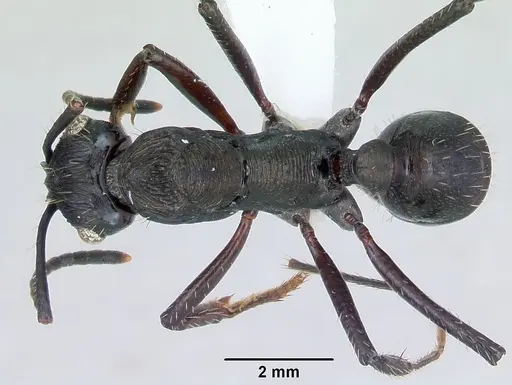
CASENT0281507
View on AntWeb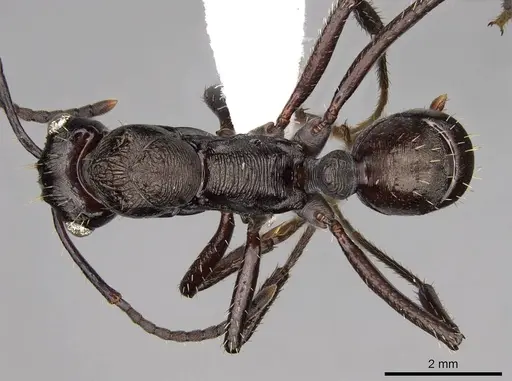
CASENT0903842
View on AntWeb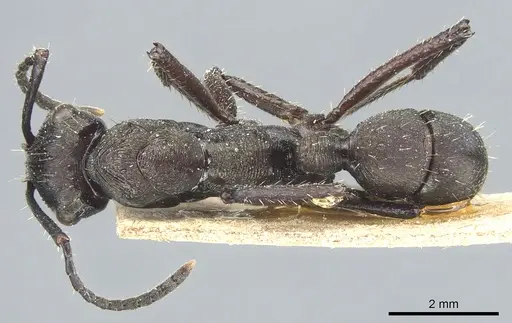
CASENT0905379
View on AntWeb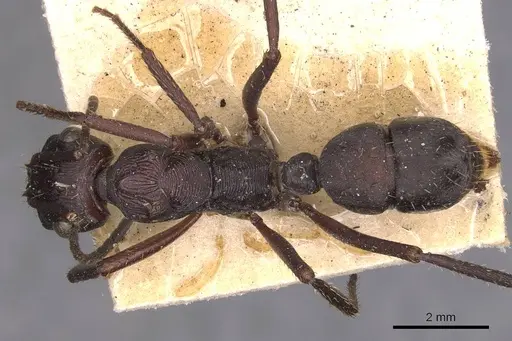
CASENT0905381
View on AntWeb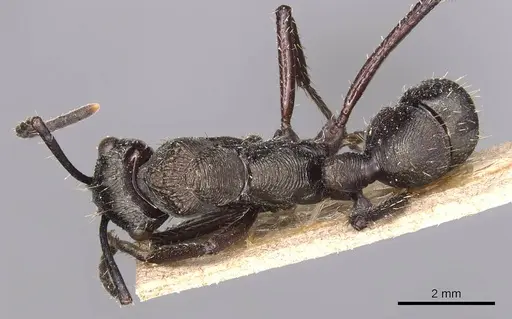
CASENT0907182
View on AntWeb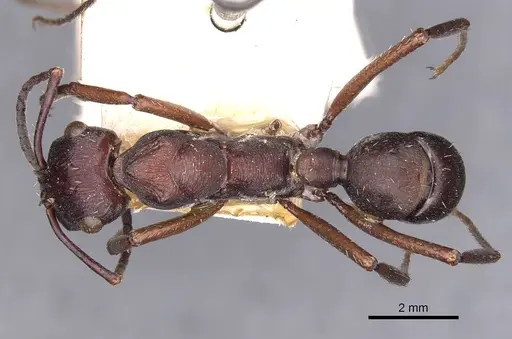
CASENT0907183
View on AntWeb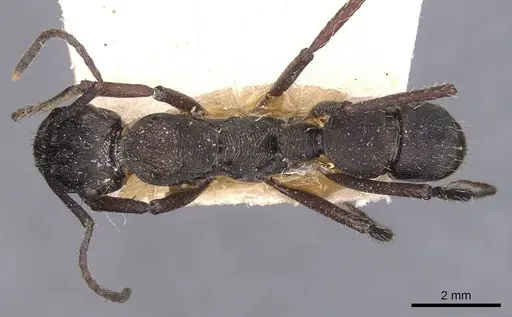
CASENT0907184
View on AntWeb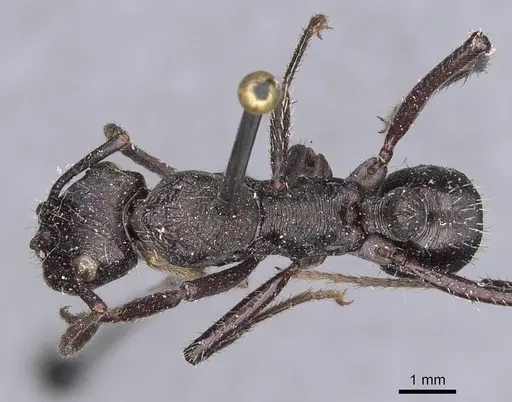
Literature
Loading...Loading products...