

Ectatomma opaciventre
- Scientific Name
- Ectatomma opaciventre
- Tribe
- Ectatommini
- Subfamily
- Ectatomminae
- Author
- Roger, 1861
- Distribution
- Found in 4 countries
Ectatomma opaciventre Overview
Ectatomma opaciventre is an ant species of the genus Ectatomma. It is primarily documented in 4 countries , including Argentina, Brazil, Colombia. Detailed taxonomic data and occurrence records can be further explored via authoritative databases such as AntWeb or the Global Biodiversity Information Facility (GBIF).
Ectatomma opaciventre
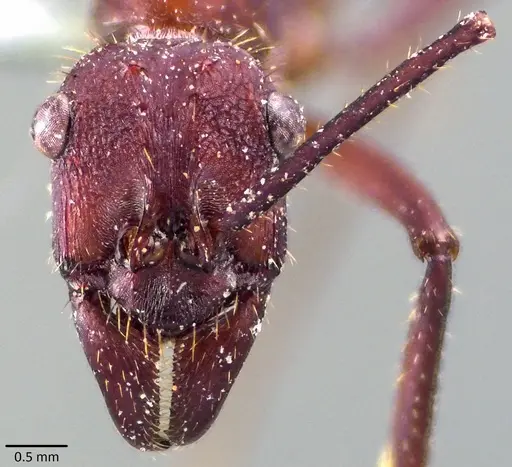
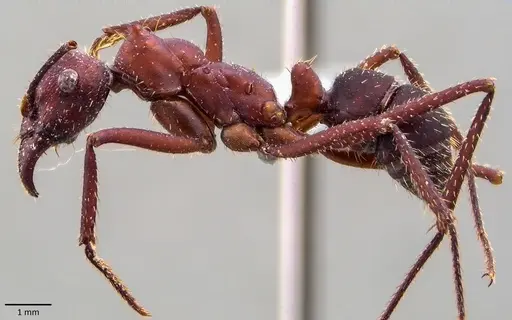
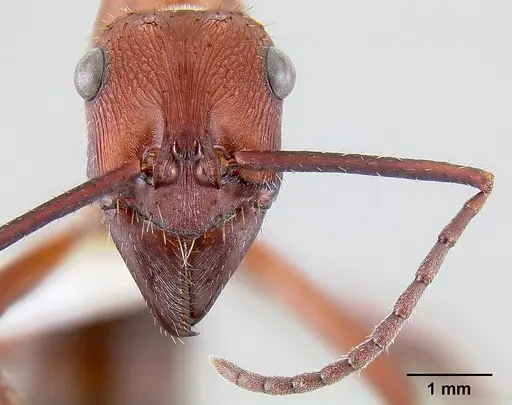
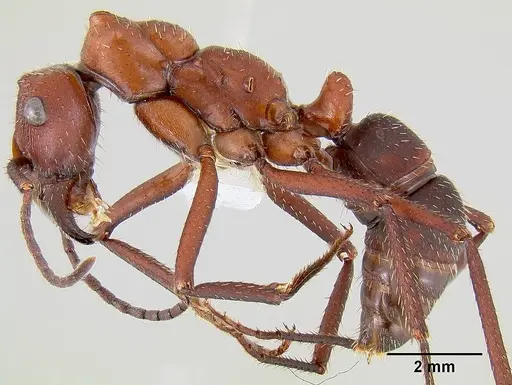
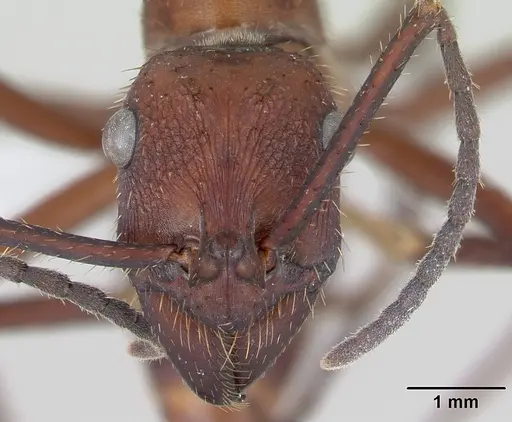
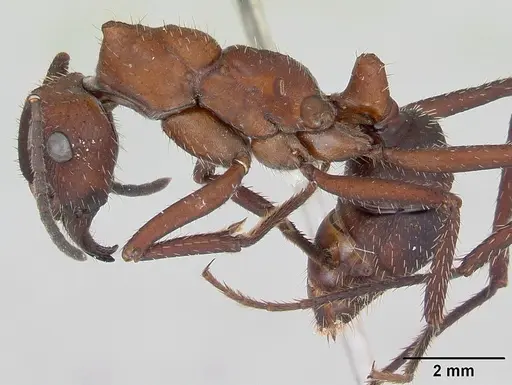
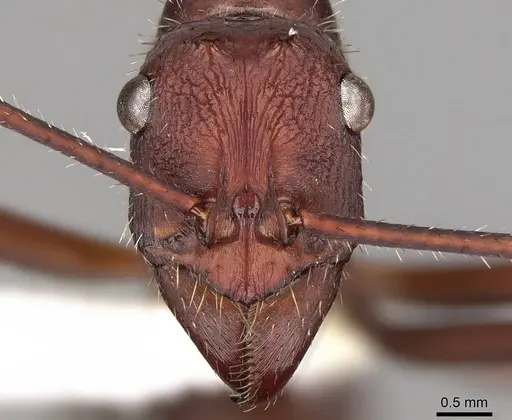
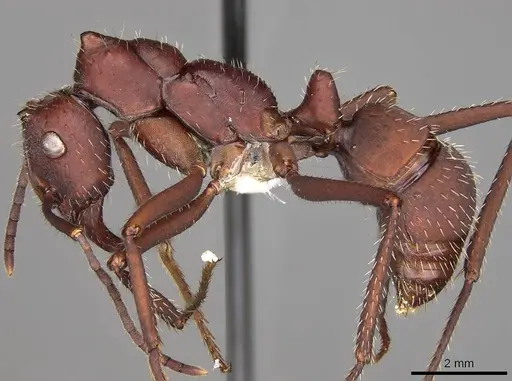
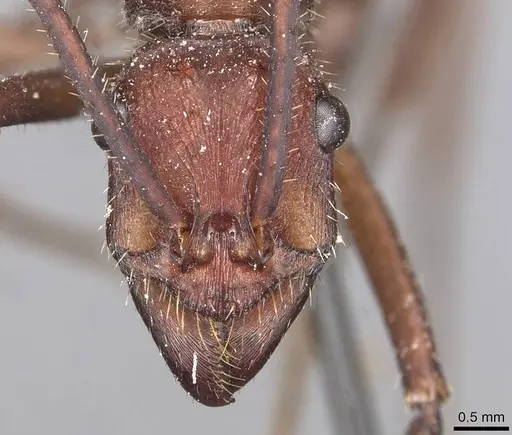
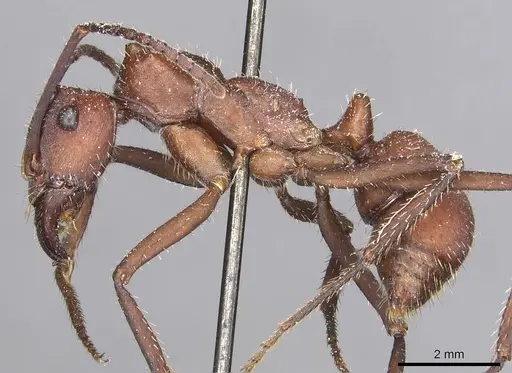
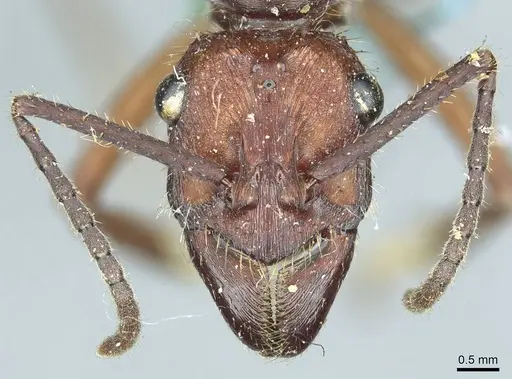
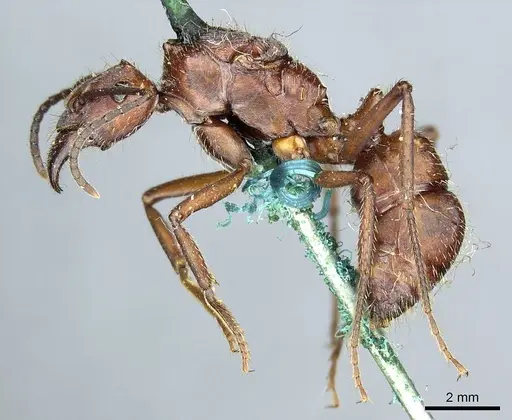
Ectatomma opaciventre is a relatively large predatory ant native to the South American tropics, found from northern Argentina through Paraguay to central Brazil and Colombia. Workers are robust with distinctive spines on the pronotum and a pair of prominent teeth on the head. The queen measures around 15mm, making this a sizable species in the ant world. This species stands out as the only member of its subfamily adapted to dry, open savanna habitats, a remarkable trait among typically moisture-loving ectatommine ants. They are solitary hunters with well-developed mandibles and a functional stinger, making them efficient predators of termites and other small invertebrates.
Quick Summary
- Difficulty: Medium
- Origin & Habitat: Native to the Neotropical region, found in northern Argentina, Paraguay, southeastern Venezuela, and central Brazil in cerrado and caatinga savanna ecosystems. Also recorded in Colombia's Meta department at 580-650m elevation [1][2][3].
- Colony Type: Colonies can be either single-queen (monogyne) or multi-queen (polygyne), with documented presence of microgynes (tiny queens that coexist with standard-sized queens) [4]. Colony size typically reaches around 60 workers based on field studies [5].
- Colony: Optionally polygyne
- Founding: Semi-claustral
- Size & Growth:
- Queen: Approximately 15mm [6]
- Worker: Approximately 12-15mm (large workers for the genus) [7]
- Colony: Up to approximately 60 workers based on field population studies [5]
- Growth: Moderate, estimated based on related Ectatomma species
- Development: Estimated 8-12 weeks based on genus-level data for Ectatomma species (Direct development data unavailable, estimates based on typical Poneromorph (Ectatomminae) development patterns at optimal temperatures)
- Antkeeping:
- Temperature: Keep at 22-26°C. This is a heat-tolerant species adapted to open savanna conditions with a critical thermal maximum of 45.6°C [8]. They can tolerate warmer temperatures better than most ectatommine ants.
- Humidity: Keep relatively dry, this is a xerophilic (dry-adapted) species unique among Ectatomminae. Provide low to moderate humidity with dry nesting areas and a small water tube. Avoid overly damp conditions.
- Diapause: No true diapause required, being a tropical species, they remain active year-round. However, a slight reduction in temperature during winter months (dropping to around 18-20°C) may help simulate seasonal patterns.
- Nesting: Soil-nesting species that builds single vertical tunnel nests in the wild. In captivity, a naturalistic setup with compact soil chambers or a Y-tong/plaster nest works well. They prefer compact, slightly dry substrate rather than moist conditions.
- Behavior: Ectatomma opaciventre is a strictly diurnal, solitary forager, they hunt alone without cooperating with nestmates during food search or transport [1]. Each forager shows strong fidelity to their specific foraging territory. Despite being large, they are not aggressive toward keepers but will defend if threatened. They possess a functional stinger with medically significant venom containing multiple enzymes including hyaluronidases (six times more potent than rattlesnake venom), proteases, and phospholipases [7]. Escape risk is moderate, their larger size makes them easier to contain than tiny ants, but they are strong climbers.
- Common Issues: solitary foraging means they cannot rely on mass recruitment, food discovery may be slower, xerophilic nature means they can die from overly humid or damp nest conditions, venom is potent, while not dangerous to healthy humans, stings can cause localized pain and swelling, colonies grow slowly and remain modest in size compared to many ant species, wild-caught colonies may be stressed from collection and require careful acclimation
Housing and Nest Setup
Ectatomma opaciventre is a soil-nesting species that constructs single vertical tunnel nests in the wild. For captivity, a naturalistic setup with compact soil chambers works best, or you can use a Y-tong (acrylic) nest with narrow passages scaled to their size. Because they are xerophilic (dry-adapted), keep the nesting area relatively dry, avoid the constantly damp conditions suitable for many other tropical ants. Provide a small water tube for drinking access, but don't over-moisten the substrate. A thin layer of substrate at the bottom of the outworld allows them to forage naturally. Use escape prevention appropriate for their size, they are large enough that standard barriers work well, but ensure connections between nest and outworld are secure. [1][5][3]
Feeding and Diet
This is a predatory ant with a carnivorous diet. In the wild, they primarily hunt termites and leaf-cutter ants, but also eat other insects including other ants, beetles, caterpillars, and spiders [9][10][11]. They are solitary foragers, they hunt alone and do not recruit nestmates to food sources. In captivity, offer live prey such as small crickets, mealworms, fruit flies, and other small insects. They will also occasionally accept seeds and fruit, as they have been observed removing diaspores in the wild [12]. Do not rely on sugar water or honey, they are primarily predatory and show no interest in liquid carbohydrates like honeydew or nectar [1]. Feed every 2-3 days with prey items, adjusting based on colony size and consumption rate.
Temperature and Heating
Ectatomma opaciventre is remarkably heat-tolerant for an ectatommine ant, they are the only species in their subfamily known to thrive in dry, open savanna habitats [3]. Their critical thermal maximum (CTmax) is 45.6°C, showing they can handle much higher temperatures than most ants [8]. Keep them at 22-26°C as a baseline. Because they come from warm savanna environments, they do better with warmer conditions than the cool, damp preferences of many related species. A heating cable on one side of the nest can create a temperature gradient, allowing them to choose their preferred warmth. They do not require hibernation or true diapause, being a tropical species, but you can slightly reduce temperatures in winter to around 18-20°C.
Behavior and Temperament
These ants are strictly diurnal, they only forage during daylight hours and rest at night [1]. Unlike many ant species, they are solitary foragers who hunt alone without cooperating with nestmates during food search or transport. Each individual shows strong fidelity to a specific foraging area, returning to the same territory repeatedly. They are not aggressive toward humans but will defend their nest if threatened. They possess a well-developed stinger with potent venom containing multiple bioactive compounds including hyaluronidases, proteases, phospholipase A2,and L-amino acid oxidases [7]. The venom has significant effects on blood coagulation and platelet aggregation. While not dangerous to healthy humans, stings cause localized pain and swelling. Their large size and strong mandibles make them impressive predators.
Colony Structure and Reproduction
Ectatomma opaciventre has flexible colony structure, colonies can be monogyne (single queen) or polygyne (multiple queens), and they are known to have microgynes (tiny queens that coexist with standard-sized queens) [4]. This social polymorphism is unusual and interesting for antkeepers. Colony size remains modest, field studies show populations of around 9-61 individuals per colony, with maximum around 60 workers [5]. They build simple nests with a single vertical tunnel. Queens are approximately 15mm, making them among the larger queens in the genus. The species is part of a monophyletic clade that originated between the second half of the Pliocene and the Pleistocene [13].
Frequently Asked Questions
Is Ectatomma opaciventre good for beginners?
This species is rated as Medium difficulty. They are more forgiving of temperature mistakes than many tropical ants due to their heat tolerance, but their xerophilic (dry) nature means you must avoid over-humidifying their nest. Their solitary foraging style also means you won't see the exciting mass recruitment displays of some species. They are best suited for antkeepers interested in predatory ants who can provide proper housing conditions.
What do Ectatomma opaciventre ants eat?
They are primarily predatory, eating live insects like small crickets, mealworms, fruit flies, and other tiny arthropods. Their main prey in the wild is termites and leaf-cutter ants. They also occasionally eat seeds and fruit. They do not show interest in sugar water or honey, stick to protein-rich prey items [9][10].
How long does it take for Ectatomma opaciventre to produce first workers?
Exact development time is unconfirmed for this species. Based on typical Ectatomma and Poneromorph development patterns, expect approximately 8-12 weeks from egg to first worker at optimal temperatures (around 24-26°C). They grow at a moderate pace compared to many ants.
Do Ectatomma opaciventre ants sting?
Yes, they have a well-developed stinger and their venom is potent. The venom contains multiple enzymes including hyaluronidases (six times more powerful than rattlesnake venom), proteases, and phospholipases [7]. For healthy humans, a sting causes localized pain and swelling but is not dangerous. Those with venom allergies should exercise caution.
Can I keep multiple queens together?
Yes, this species can form both monogyne (single-queen) and polygyne (multi-queen) colonies. They also have microgynes (tiny queens) that can coexist with standard-sized queens [4]. However, when starting a colony from a wild-caught queen, it's safest to house her alone until workers emerge, then consider combining if needed.
What temperature do Ectatomma opaciventre need?
Keep them at 22-26°C. This species is remarkably heat-tolerant and can survive temperatures up to 45.6°C [8]. They prefer warmer conditions than most ectatommine ants, reflecting their adaptation to open savanna habitats. A slight temperature gradient allows them to choose their preferred spot.
Do they need hibernation?
No, they do not require true hibernation or diapause. Being a tropical species from savanna habitats, they remain active year-round. You can provide a slight temperature reduction in winter (around 18-20°C) to simulate seasonal changes, but this is not necessary for their health.
Why are my Ectatomma opaciventre dying?
The most common issues are: 1) Over-humidity, they are xerophilic and die in damp conditions, 2) Lack of live prey, they are obligate predators and need regular protein, 3) Stress from wild collection, wild-caught colonies may take time to acclimate. Ensure the nest is relatively dry, provide consistent live prey, and be patient during the adjustment period.
How big do Ectatomma opaciventre colonies get?
Colony size remains modest compared to many ants. Field studies show maximum colony sizes around 60 workers [5]. They are not a fast-growing species that produces massive colonies, expect a moderate-sized colony even at maturity.
Are Ectatomma opaciventre escape artists?
Their large size (12-15mm) makes them easier to contain than tiny ants. Standard escape prevention methods work well, they cannot squeeze through the small gaps that trouble smaller species. However, ensure all connections are secure and lids fit properly.
When should I move them to a formicarium?
Start with a simple setup, a test tube setup or small container works for the founding colony. Once the colony reaches 15-20 workers and you see consistent activity, you can move them to a more elaborate naturalistic setup or Y-tong nest. They prefer compact soil chambers over large open spaces.
References

This caresheet is licensed under CC BY-SA 4.0 .
ANTWEB1041852
View on AntWeb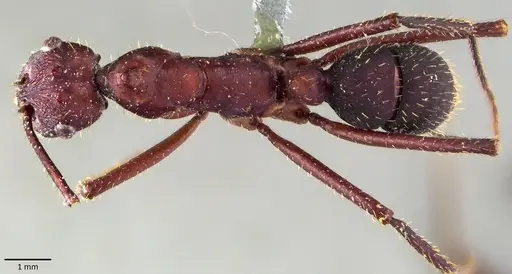
CASENT0106081
View on AntWeb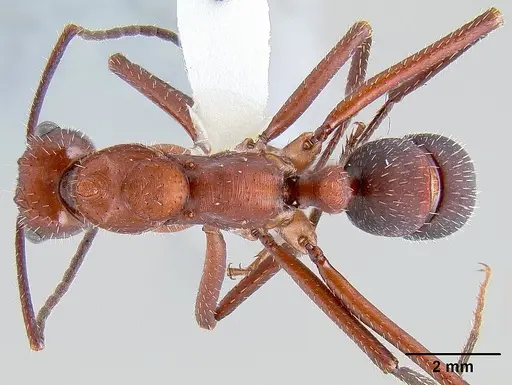
CASENT0173377
View on AntWeb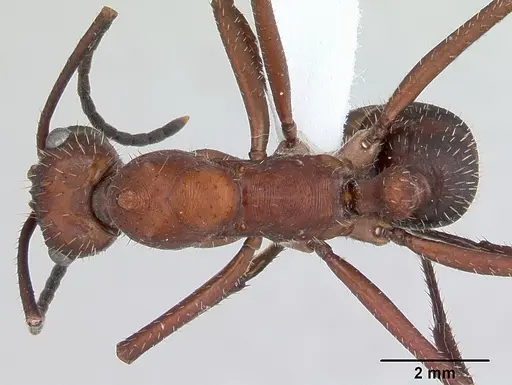
CASENT0281506
View on AntWeb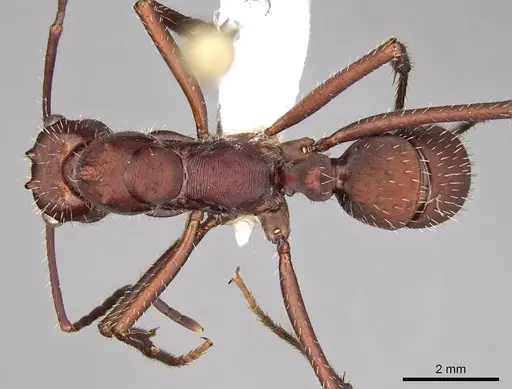
CASENT0915107
View on AntWeb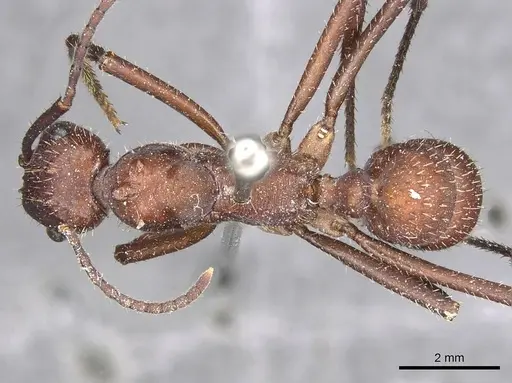
CASENT0915908
View on AntWeb
Literature
Loading...Loading products...