

Ectatomma muticum
- Scientific Name
- Ectatomma muticum
- Tribe
- Ectatommini
- Subfamily
- Ectatomminae
- Author
- Mayr, 1870
- Distribution
- Found in 1 countries
Ectatomma muticum Overview
Ectatomma muticum is an ant species of the genus Ectatomma. It is primarily documented in 1 countries , including Brazil. Detailed taxonomic data and occurrence records can be further explored via authoritative databases such as AntWeb or the Global Biodiversity Information Facility (GBIF).
Ectatomma muticum
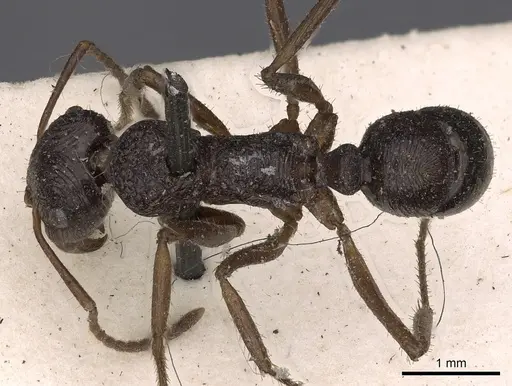
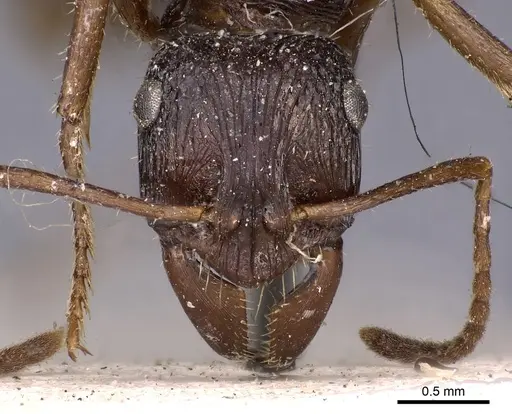
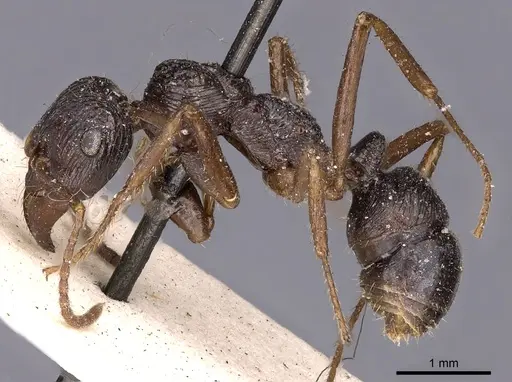
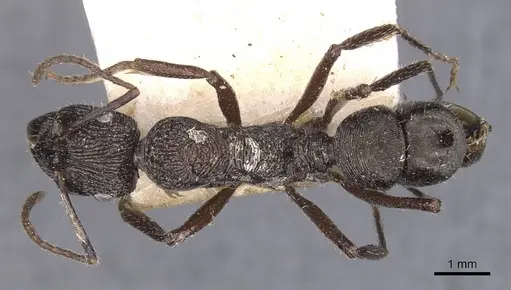
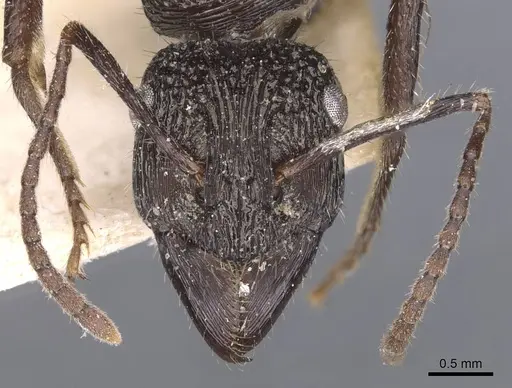
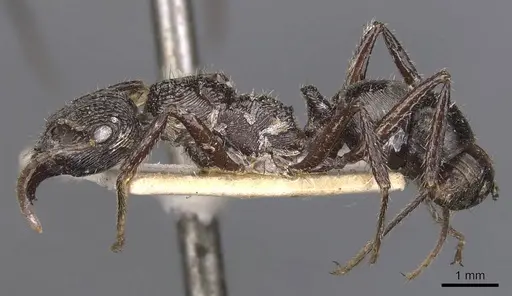
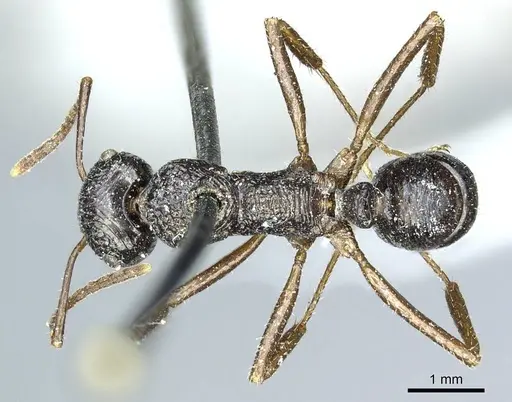
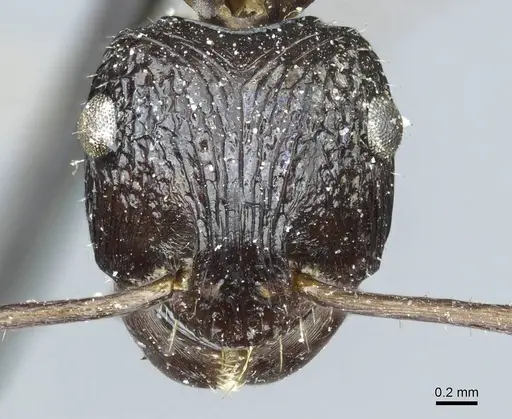
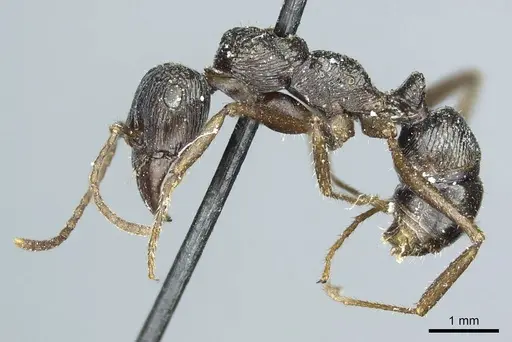
Ectatomma muticum is a medium-sized ponerine ant native to the Neotropical region, found across northeastern Brazil, Guyana, Mexico, and Paraguay. Workers measure 7.4-8mm and have a distinctive shiny dark brown to black body with chestnut-colored mandibles, antennae, and legs. Unlike many ectatommine ants, this species lacks the typical spines or teeth on its thorax, giving it the name 'muticum' (Latin for 'muted' or 'smooth'). They are ground-dwelling ants that nest in soil but will climb vegetation to forage, particularly at night when they visit extrafloral nectaries on plants like Turnera subulata. This species is classified as a subordinate in ant communities, meaning it coexists with more dominant species rather than competing aggressively with them.
Quick Summary
- Difficulty: Medium
- Origin & Habitat: Native to the Neotropical region, primarily in northeastern Brazil's Caatinga dry tropical forest, but also found in Cerrado, Atlantic Rainforest edges, and Amazon-Cerrado transition zones [1][2]. They nest at ground level in soil and are ground-dominant but will forage in vegetation [3][4].
- Colony Type: Monogyne (single-queen) colonies have been documented. Research on the Ectatomma genus shows no confirmed polygynous (multi-queen) colonies for this species [5]. Queens are larger than workers and were described by Almeida Filho in 1987 [6].
- Colony: Monogyne
- Size & Growth:
- Queen: Larger than workers, exact measurements unconfirmed but genus queens typically 10-14mm
- Worker: 7.4-8mm [7]
- Colony: Colony size data is limited, but nest density in Brazil ranges from 990 to 1730 nests per hectare in suitable habitat [8]. Based on related species, colonies likely reach several hundred workers.
- Growth: Moderate, tropical species with year-round activity in warm climates
- Development: Estimated 6-8 weeks at optimal tropical temperatures (26-28°C) based on typical ponerine development patterns (Direct development data unavailable, estimates based on related Ectatomma species and tropical ant development timelines)
- Antkeeping:
- Temperature: Keep at 24-28°C. This is a tropical species from Brazil's warm regions, so maintain warm conditions year-round. A heating cable on one side of the nest creates a temperature gradient that allows ants to regulate their own temperature [4].
- Humidity: Moderate humidity around 60-75%. These ants inhabit the Caatinga (dry forest) but also occur in more humid areas like restinga and Atlantic forest edges. Keep the nest substrate moist but not waterlogged, with some drier areas available. Their ground-nesting behavior means they prefer stable moisture rather than wet conditions [3][1].
- Diapause: No, as a tropical species, they do not require hibernation. However, slight temperature reductions during winter months (down to 22°C) may slow activity naturally as would occur in their native range.
- Nesting: Ground-nesting species that prefers soil nests. In captivity, a naturalistic setup with a deep soil layer or a Y-tong/plaster nest works well. They are not arboreal nesters but will forage up plants. Provide a nest chamber with direct access to soil or a moist substrate for brood care [3][4].
- Behavior: Ectatomma muticum is a predatory ant that hunts other arthropods [9]. They are more active at night and will climb vegetation to forage, including visiting extrafloral nectaries. They are not aggressive toward humans but have a functional stinger for prey subdual. Workers are moderately active and will establish foraging trails. They are subordinate species in their native ecosystems, meaning they avoid competition with more dominant ants rather than confronting them directly. Escape prevention is important, while not tiny, they are agile and can climb smooth surfaces [4].
- Common Issues: tropical temperature requirements mean colonies can struggle in cool rooms without heating, predatory diet means they need regular live prey, sugar sources alone won't sustain them, ground-nesting behavior requires proper humidity control to prevent desiccation, no documented colony founding information makes initial establishment challenging, wild-caught colonies may have parasites that can decimate captive populations
Housing and Nest Setup
Ectatomma muticum is a ground-nesting species that requires access to soil or a moist substrate for nesting. A naturalistic setup with a deep soil layer (at least 5-10cm) works well, or you can use a Y-tong nest with a plaster base that holds moisture. Since they nest at ground level and are ground-dominant, avoid tall arboreal setups. The outworld should include soil areas where they can forage, and they will climb vegetation to reach food sources placed at various heights. Use a secure lid, while not tiny, these ants are agile climbers that can escape through small gaps. A water test tube should always be available in the outworld for drinking water. [3][4][8]
Feeding and Diet
This is a predatory ant species that hunts and consumes other arthropods [9]. In captivity, feed them small live prey such as fruit flies, small crickets, mealworms, and other insects appropriate to their size. They are not strict predators though, they will also visit extrafloral nectaries in the wild [4], so they may accept sugar water or honey as a supplementary energy source. Feed protein-rich prey 2-3 times per week, and keep sugar water available at all times. Remove uneaten prey after 24-48 hours to prevent mold. Their predatory nature means they need a steady supply of live or recently killed insects to thrive.
Temperature and Seasonal Care
As a tropical species from Brazil's warm regions, Ectatomma muticum requires consistent temperatures of 24-28°C year-round [4]. They occur in regions where temperatures remain warm throughout the year, so they do not enter true hibernation. During winter, if your room temperature drops below this range, use a heating cable or heat mat on one side of the nest to maintain warmth. Avoid temperatures below 20°C for extended periods. The heating element should be placed on top of the nest or on the side, not underneath water reservoirs to prevent excessive evaporation. Monitor colony activity, if workers become sluggish, increase temperature slightly.
Behavior and Foraging
These ants are more active during nighttime hours in the wild [4], though they will forage during the day as well. They are predatory and will hunt arthropods both on the ground and in vegetation. Workers will climb plants to access extrafloral nectaries, demonstrating arboreal foraging behavior despite being ground-nesters [4]. They are classified as subordinate species in their native ecosystems, meaning they tend to avoid direct competition with dominant ants rather than fighting for territory. In captivity, provide enrichment such as climbing structures and varied food heights to encourage natural foraging behaviors. They are not particularly aggressive toward keepers but have a functional stinger for subduing prey.
Colony Establishment
Establishing a colony from a wild-caught queen is the most common method. The founding type for this species is not directly documented in scientific literature, but based on typical Ectatomma patterns, the queen likely leaves the nest periodically to forage during colony founding (semi-claustral). This means you should provide the founding queen with small prey items alongside her stored reserves. Colony growth is moderate, expect the first workers (nanitics) to emerge within 6-8 weeks under optimal conditions. Wild-caught colonies may carry parasites that can cause problems in captivity, so quarantine and monitor new colonies carefully. Colony size data is limited, but based on nest density studies showing 990-1730 nests per hectare [8], individual colonies are likely moderate in size.
Legal and Ethical Considerations
Ectatomma muticum is native to the Neotropical region (Brazil, Guyana, Mexico, Paraguay). If you keep this species, ensure it was legally acquired from a reputable breeder. Never release this ant species outside its native range, it could become invasive in non-native regions. In Brazil, there may be regulations about collecting native ant species, so verify the legal status of collection and export in your area. Captive-bred colonies are preferable to wild-caught specimens to reduce pressure on wild populations. [6][1]
Frequently Asked Questions
How long does it take for Ectatomma muticum to produce first workers?
Based on typical tropical ponerine development, expect first workers (nanitics) approximately 6-8 weeks after the queen lays eggs, provided temperatures are maintained at 26-28°C. Development is faster in warmer conditions and slower if temperatures drop.
What do Ectatomma muticum ants eat?
They are predatory ants that primarily hunt and consume other arthropods. Feed small live prey like fruit flies, small crickets, and mealworms 2-3 times per week. They may also accept sugar water or honey as an energy supplement, as they visit extrafloral nectaries in the wild.
Do Ectatomma muticum ants sting?
Yes, they have a functional stinger used for subduing prey. However, they are not aggressive toward humans and will only sting if directly threatened or handled roughly. The sting is not considered dangerous to healthy humans.
What temperature do Ectatomma muticum ants need?
Keep them warm at 24-28°C year-round. This is a tropical species from Brazil that does not tolerate cool temperatures. Use a heating cable on one side of the nest to maintain warmth, especially in cooler climates.
Are Ectatomma muticum good for beginners?
This species is rated as Medium difficulty. While not the easiest species, experienced beginners can succeed with them if they can maintain warm temperatures and provide a proper predatory diet. They require more specialized care than sugar-feeding ants.
Do Ectatomma muticum need hibernation?
No, they do not require hibernation. As a tropical species, they remain active year-round with consistent warmth. You may observe slightly reduced activity in cooler months, but no formal diapause period is needed.
How big do Ectatomma muticum colonies get?
Colony size data is limited, but based on related species and the high nest density (990-1730 nests per hectare) observed in their native range, individual colonies likely reach several hundred workers. They are not known for forming supercolonies.
Can I keep multiple Ectatomma muticum queens together?
No, this species is monogyne (single-queen). Research confirms single-queen colonies, and combining unrelated queens is not recommended as they would likely fight.
What type of nest is best for Ectatomma muticum?
A naturalistic setup with deep soil or a Y-tong/plaster nest works well. They are ground-nesters that need access to moist substrate. Avoid arboreal or vertical-only nests. The nest should have chambers scaled to their 7-8mm worker size.
Why is my Ectatomma muticum colony declining?
Common causes include: temperatures below 20°C, insufficient protein prey (they are predatory), too dry or too wet conditions, parasites from wild-caught colonies, or stress from excessive disturbance. Review temperature, feeding, and humidity before assuming disease.
References

This caresheet is licensed under CC BY-SA 4.0 .
Literature
Loading...Loading products...