

Ectatomma goninion
- Scientific Name
- Ectatomma goninion
- Tribe
- Ectatommini
- Subfamily
- Ectatomminae
- Author
- Kugler & Brown, 1982
- Distribution
- Found in 2 countries
Ectatomma goninion Overview
Ectatomma goninion is an ant species of the genus Ectatomma. It is primarily documented in 2 countries , including Colombia, Ecuador. Detailed taxonomic data and occurrence records can be further explored via authoritative databases such as AntWeb or the Global Biodiversity Information Facility (GBIF).
Ectatomma goninion
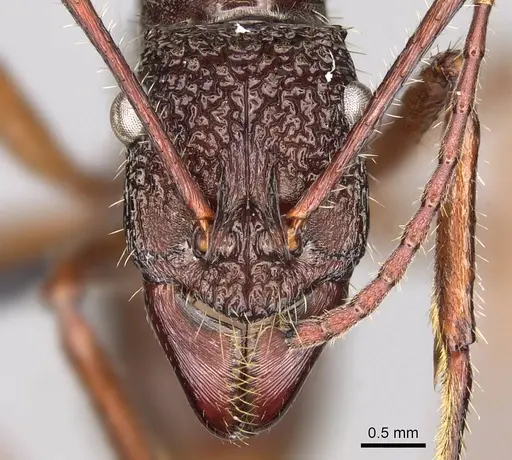
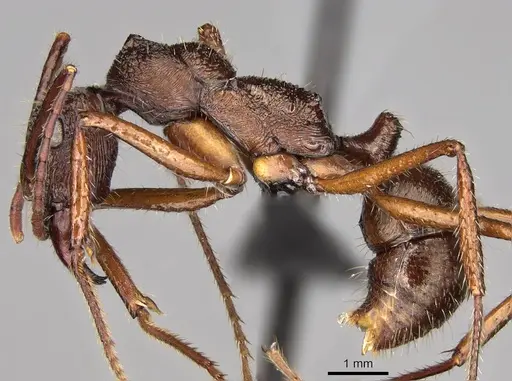
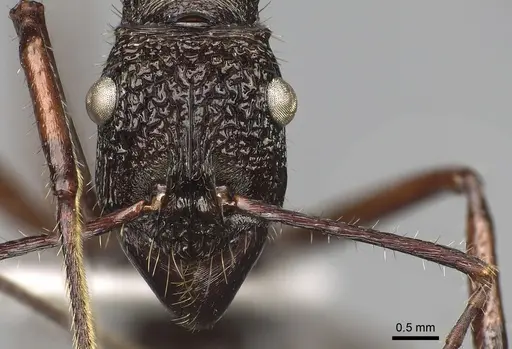
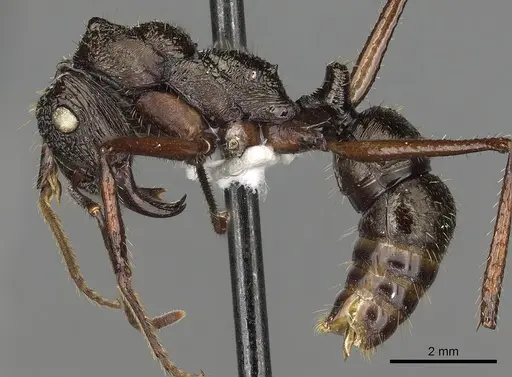
Ectatomma goninion is a large predatory ant species native to the tropical lowlands of Colombia and Ecuador. Workers are easily recognized by their impressive size, distinctive square-shaped head with projected corners, and thick petiolar node (the segment connecting the thorax and abdomen). They inhabit lowland forests at elevations between 5-520 meters, typically foraging in the leaf litter layer on the forest floor. This species represents the poneromorph ant group, ancient ants with more primitive social structures compared to more advanced ant genera. They are active hunters, preying on small invertebrates they encounter in the leaf litter. The species was formally described in 1982 by Kugler and Brown, with type specimens collected from the Chocó department of Colombia.
Quick Summary
- Difficulty: Medium to Hard
- Origin & Habitat: Tropical lowland forests of Colombia and Ecuador, found in departments of Chocó, Cauca, and Risaralda at elevations of 5-520 meters. They forager in leaf litter on the forest floor [1][2][3].
- Colony Type: Colony structure is unconfirmed. Based on typical Ectatomma patterns, likely single-queen (monogyne) colonies, though this requires confirmation for this specific species.
- Size & Growth:
- Queen: Estimated 10-14mm based on genus Ectatomma queen sizes
- Worker: Large workers, estimated 8-12mm based on genus patterns and species descriptions noting their large size [4][1]
- Colony: Unknown for this species, likely moderate colony sizes typical of Ectatomma (hundreds of workers)
- Growth: Moderate, inferred from typical poneromorph development patterns
- Development: Estimated 6-10 weeks based on typical Ectatomma and related poneromorph development at tropical temperatures (Poneromorph ants typically have slower development than advanced ant genera. Warm tropical temperatures (24-28°C) will accelerate development.)
- Antkeeping:
- Temperature: Keep at 24-28°C, these are lowland tropical ants requiring warm, stable conditions. A heating cable on one side of the nest can create a gentle gradient [1].
- Humidity: High humidity required, think damp tropical forest floor. Keep nest substrate consistently moist but not waterlogged. Provide a water tube for drinking access.
- Diapause: No, as a tropical species from lowland Colombia and Ecuador, they do not require hibernation. Maintain warm conditions year-round.
- Nesting: In captivity, they do well in naturalistic setups with deep substrate (at least 5-10cm) for burrowing, or in Y-tong/plaster nests with chambers scaled to their large size. They prefer to forage in substrate rather than on open foraging areas.
- Behavior: These ants are active predators that hunt through leaf litter and substrate. They are not aggressive toward keepers but have functional stingers and may use them if threatened. Workers are large and relatively slow-moving compared to smaller ant species. They establish defined foraging routes through the substrate. Escape prevention is important but not as critical as for tiny ants, their size makes them easier to contain with standard barriers.
- Common Issues: lack of specific care information, this is a rarely kept species with limited documentation, humidity management, tropical ants can suffer in dry conditions, leading to mortality, predatory feeding requirements, they need live prey and may not accept commercial ant foods, slow colony growth, poneromorph ants develop more slowly than advanced ant species, difficulty establishing foundress queens, limited information on successful founding methods
Natural History and Distribution
Ectatomma goninion is endemic to the tropical lowlands of western Colombia and Ecuador. In Colombia, they are found in the departments of Chocó, Cauca (including Gorgona Island), and Risaralda at elevations ranging from 5 to 520 meters above sea level [2][3]. The type locality is in the Chocó department, a region known for its exceptionally biodiverse tropical rainforests. These ants are ground-dwelling predators that forager primarily in the leaf litter layer, hunting small invertebrates they find while searching through the decomposing vegetation. Their large size and distinctive square head with projected corners make them relatively easy to identify compared to many other leaf litter ants. The workers construct nests in the soil, typically under logs, stones, or directly in the forest floor substrate.
Housing and Nest Setup
For keeping Ectatomma goninion in captivity, a naturalistic setup works best given their natural history as leaf litter foragers. Use a deep enclosure (at least 5-10cm of substrate) with a mixture of soil and sand or coconut fiber. The substrate should remain consistently moist but never waterlogged. A layer of leaf litter on top provides foraging enrichment and helps maintain humidity. Alternatively, a Y-tong (acrylic) nest with appropriately sized chambers can work well, ensure the chambers are large enough for their sizeable workers to move through comfortably. Provide a water tube secured with cotton as a drinking source. Because they are active predators, include some hiding structures like small pieces of cork bark or fake plants where they can stalk prey. Escape prevention is important, while not tiny, they are strong climbers and can escape through small gaps if lids are not secure.
Feeding and Diet
As predatory ants, Ectatomma goninion requires a protein-rich diet consisting primarily of live small invertebrates. Offer small prey items such as fruit flies, small crickets, mealworms, waxworms, and other appropriately sized insects. They typically hunt by searching through the leaf litter, so placing prey on the substrate surface allows them to exhibit natural hunting behaviors. Feed two to three times per week, removing any uneaten prey after 24-48 hours to prevent mold. While not confirmed for this specific species, many Ectatomma species will occasionally accept protein-based commercial ant foods, but these should not replace live prey as the primary food source. Sugar sources like honey or sugar water may be accepted but are not required, focus on providing varied live prey for optimal health.
Temperature and Humidity Requirements
Being a lowland tropical species from Colombia and Ecuador, Ectatomma goninion requires warm and humid conditions. Maintain temperatures between 24-28°C (75-82°F) year-round. A slight temperature gradient is beneficial, use a heating cable or heat mat on one side of the enclosure to create a warm zone while allowing the ants to self-regulate by moving to cooler areas. High humidity is critical, aim for 70-85% relative humidity. This can be achieved by keeping the substrate consistently moist and using an enclosure that retains humidity well. Misting the enclosure occasionally helps, but avoid creating standing water. The combination of warmth and humidity mimics their natural understory forest floor habitat where temperatures remain stable and moisture is high. [1]
Colony Development and Growth
Ectatomma goninion is a poneromorph ant, a group characterized by more primitive social structures and typically slower development compared to advanced ant genera like Camponotus or Formica. The queen is large (estimated 10-14mm) and likely claustral, sealing herself in a chamber to raise the first brood on stored body reserves. Development from egg to worker likely takes 6-10 weeks under optimal tropical conditions (around 26-28°C), though this is an estimate based on related species. The first workers (nanitics) will be smaller than mature workers but still relatively large. Colonies probably grow more slowly than many common pet ant species, so patience is required. Mature colonies likely reach several hundred workers based on typical Ectatomma colony sizes. Unlike some poneromorphs, this species does not appear to have ergatoid (wingless) replacement queens, if the queen dies, the colony will likely fail.
Behavior and Temperament
Ectatomma goninion workers are active hunters that search through substrate and leaf litter for prey. They are not particularly aggressive toward keepers but possess functional stingers and may use them if they feel threatened or if the colony is disturbed. Their large size makes them more noticeable than typical small ant species, and they move with deliberate, purposeful movement compared to the frantic activity of smaller ants. Workers likely establish foraging routes and can learn to recognize feeding times. They are diurnal, hunting during daylight hours when their tropical forest floor habitat is illuminated by filtered light. The species does not exhibit supercolonial behavior and colonies are likely territorial. When keeping multiple colonies, ensure they cannot interact as they may engage in aggressive confrontations. [1]
Frequently Asked Questions
How long does it take for Ectatomma goninion to raise first workers?
Based on typical Ectatomma and poneromorph development, expect 6-10 weeks from egg to first worker at optimal temperatures (24-28°C). This is slower than many common ant species, so patience is required during the founding stage.
What do Ectatomma goninion ants eat?
They are predatory ants that require live small invertebrates. Feed appropriately sized prey such as fruit flies, small crickets, mealworms, or other insects. They may accept commercial protein foods experimentally, but live prey is essential for healthy colonies.
Do Ectatomma goninion ants sting?
Yes, they have functional stingers. However, they are not aggressive toward keepers and typically only sting when severely threatened or provoked. The sting is not medically significant for healthy humans but may cause localized pain and irritation.
What temperature do Ectatomma goninion ants need?
Keep them warm at 24-28°C (75-82°F). These are lowland tropical ants requiring year-round warmth. A heating cable on part of the nest can help maintain optimal temperatures.
Are Ectatomma goninion ants good for beginners?
This species is not ideal for beginners. Limited specific care information exists, they require high humidity and warm conditions, need regular live prey, and develop more slowly than common pet ant species. Start with more documented species before attempting Ectatomma goninion.
How big do Ectatomma goninion colonies get?
Colony size is not well documented for this species, but based on typical Ectatomma patterns, mature colonies likely reach several hundred workers. Growth is relatively slow compared to advanced ant genera.
Do Ectatomma goninion ants need hibernation?
No, they do not require hibernation. As a tropical lowland species from Colombia and Ecuador, they need warm conditions year-round. Maintain temperatures between 24-28°C throughout the year.
What humidity level do Ectatomma goninion ants need?
High humidity is essential, aim for 70-85% relative humidity. Keep the substrate consistently moist but not waterlogged. This mimics their natural tropical forest floor habitat.
Can I keep multiple Ectatomma goninion queens together?
This is not recommended. There is no documented evidence that this species can be kept in polygynous (multi-queen) conditions. Based on typical Ectatomma patterns, they likely form single-queen colonies. Combining unrelated queens has not been studied for this species.
What type of nest is best for Ectatomma goninion?
A naturalistic setup with deep moist substrate (5-10cm) works well, allowing them to forage naturally through leaf litter. Alternatively, a Y-tong or plaster nest with large chambers scaled to their size can work. Ensure adequate humidity retention.
References

This caresheet is licensed under CC BY-SA 4.0 .
CASENT0281504
View on AntWeb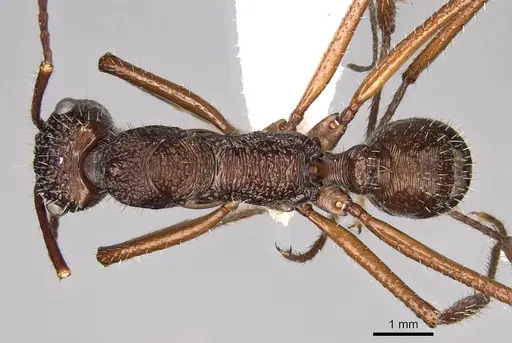
CASENT0281815
View on AntWeb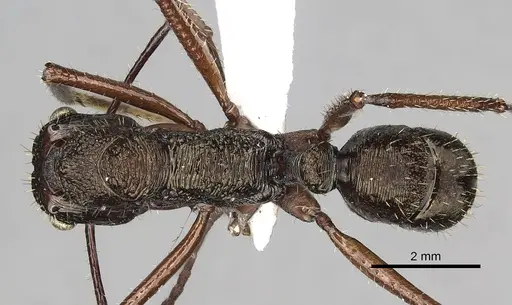
Literature
Loading...Loading products...