

Ectatomma edentatum
- Scientific Name
- Ectatomma edentatum
- Tribe
- Ectatommini
- Subfamily
- Ectatomminae
- Author
- Roger, 1863
- Distribution
- Found in 11 countries
Ectatomma edentatum Overview
Ectatomma edentatum is an ant species of the genus Ectatomma. It is primarily documented in 11 countries , including Argentina, Bolivia, Plurinational State of. Detailed taxonomic data and occurrence records can be further explored via authoritative databases such as AntWeb or the Global Biodiversity Information Facility (GBIF).
Ectatomma edentatum
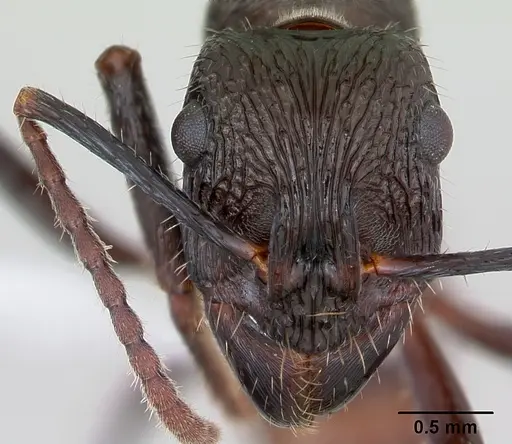
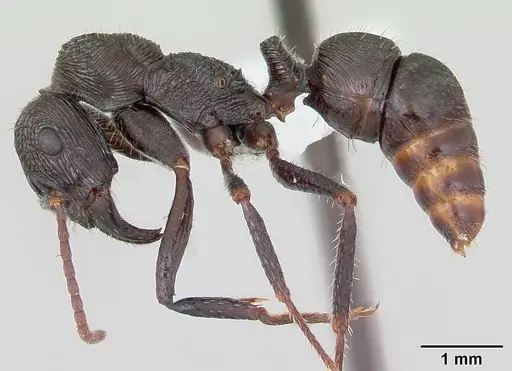
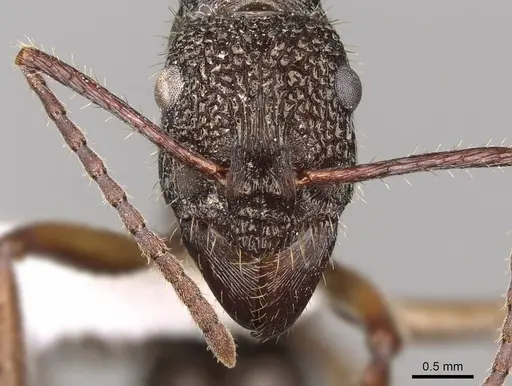
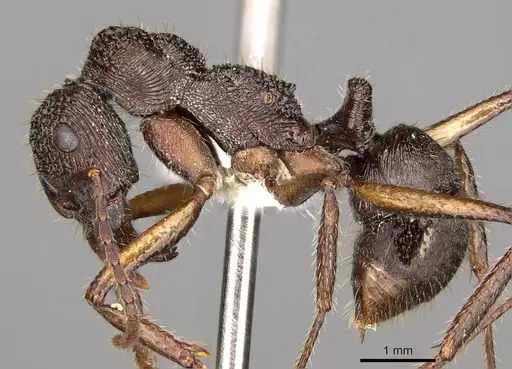
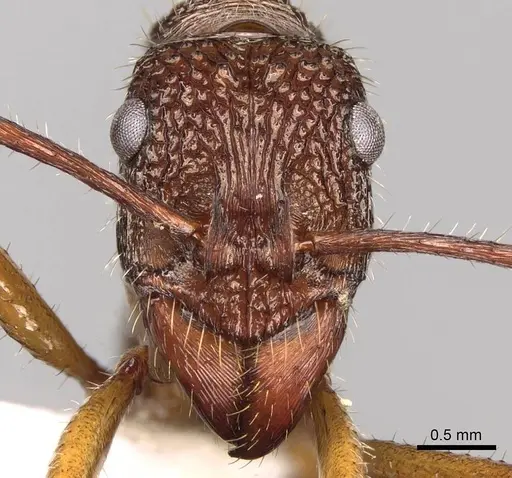
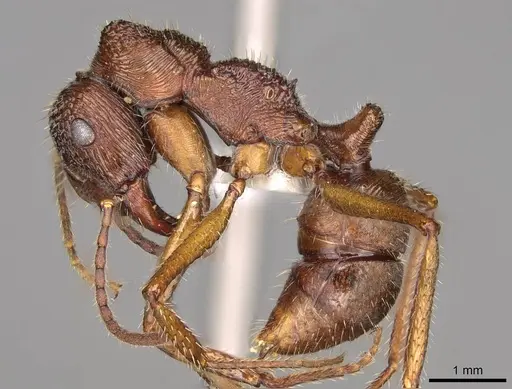
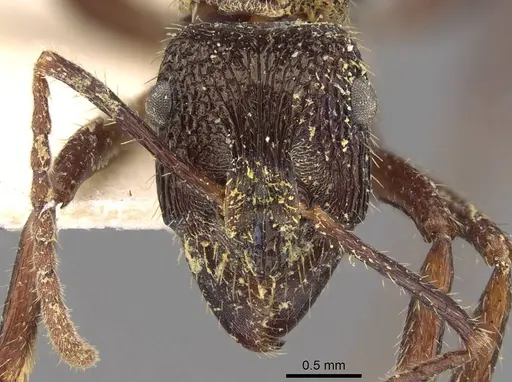
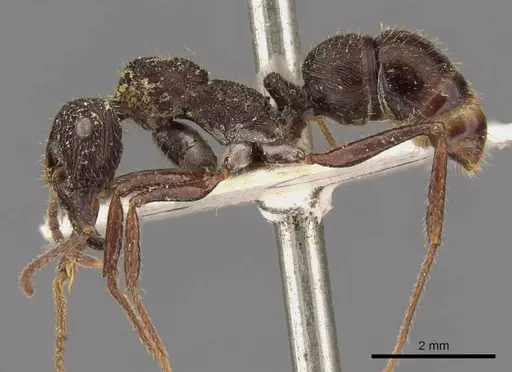
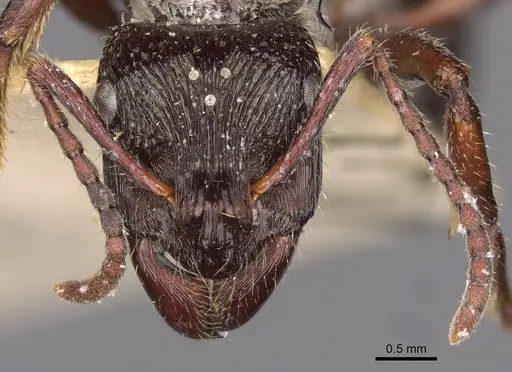
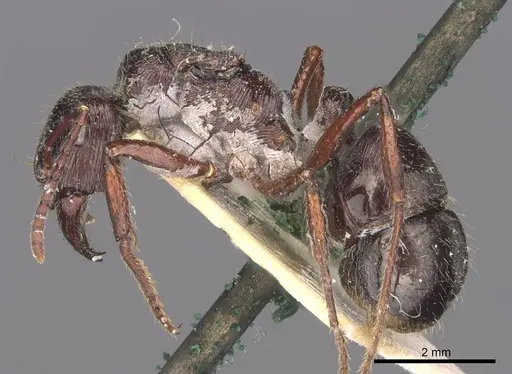
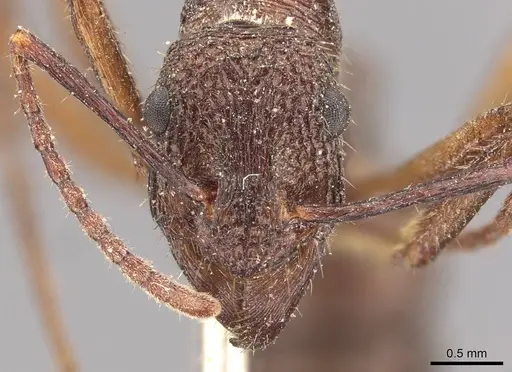
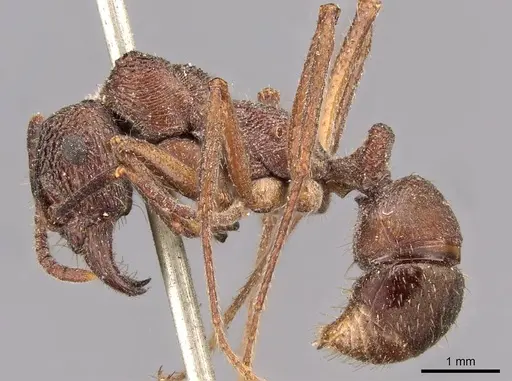
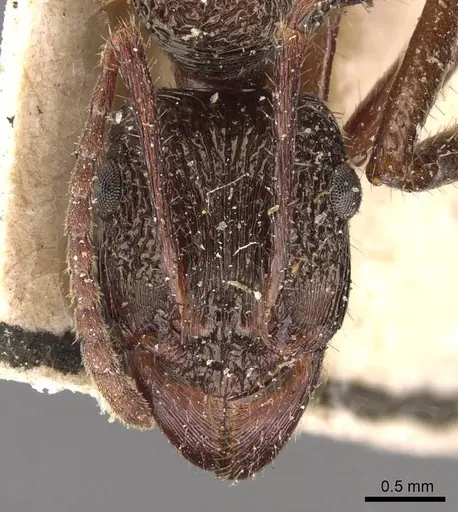
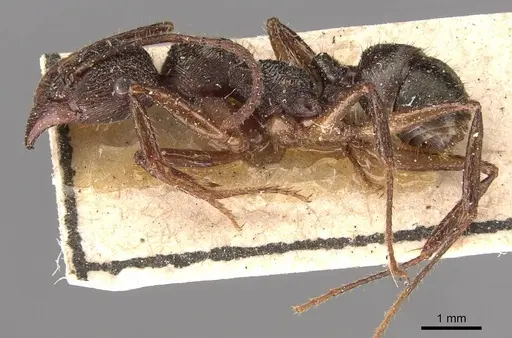
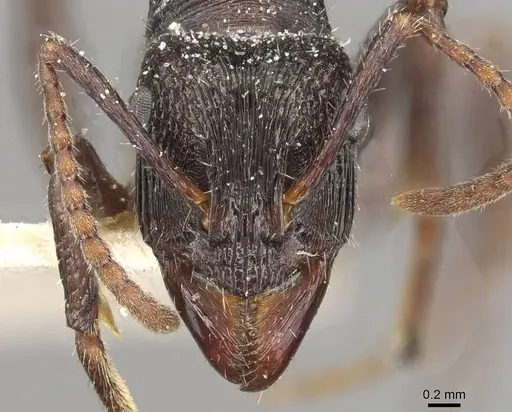
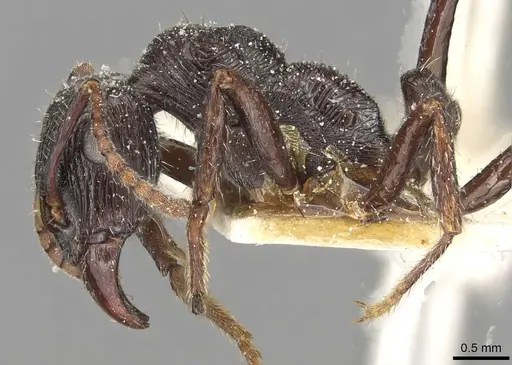
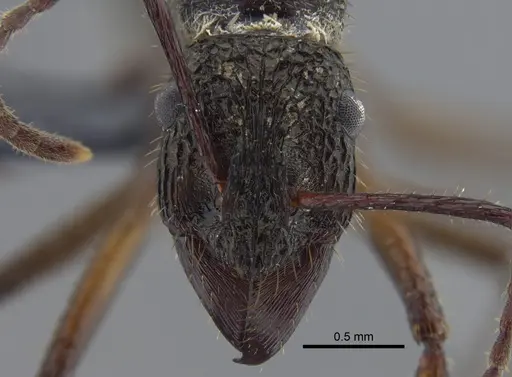
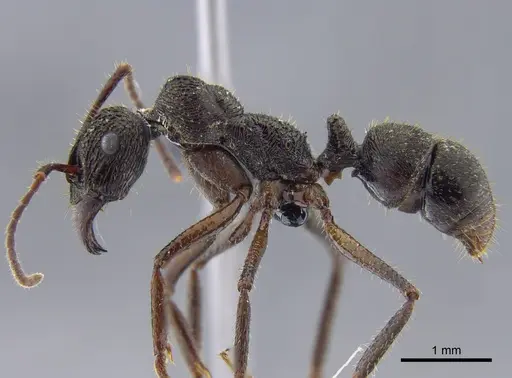
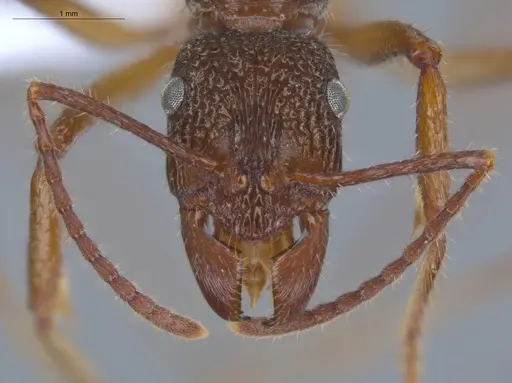
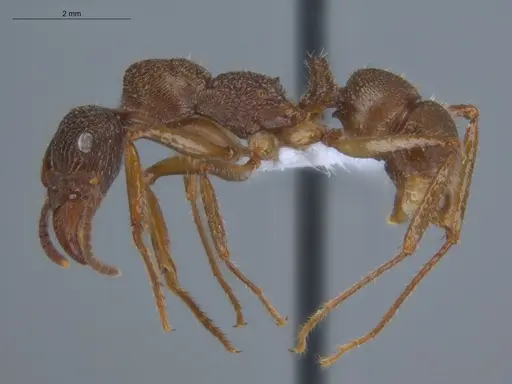
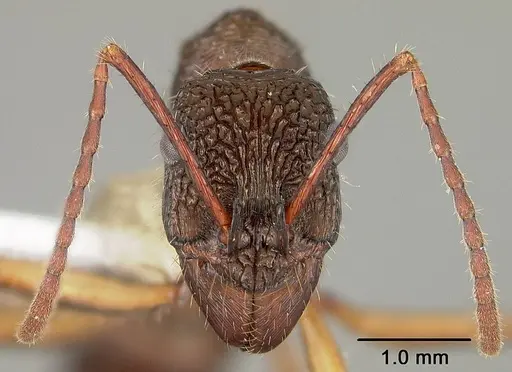
Ectatomma edentatum is a medium-sized ant belonging to the subfamily Ectatomminae, found throughout the Neotropical region from Costa Rica down to Argentina [1]. Workers reach about 13mm in length and have distinctive mandibles with a wide masticatory margin around 0.9mm, giving them strong biting performance compared to related species [2]. They are ground-dwelling ants that build nests in fallen logs, under rocks, or directly in soil, with a strong preference for shaded and humid environments like forest edges and litter layers [3][4]. What makes this species particularly interesting is its dual role as both a specialized predator and a seed disperser, they actively hunt small invertebrates in leaf litter while also feeding on fruits and seeds, and they are known for their aggressive defense of territory [5][6].
Quick Summary
- Difficulty: Medium
- Origin & Habitat: Native to the Neotropical region, found across Argentina, Bolivia, Brazil, Colombia, Costa Rica, Ecuador, French Guiana, Guyana, Panama, Paraguay, Peru, Suriname, Trinidad and Tobago, Uruguay, and Venezuela [7]. They inhabit shaded, humid environments including Atlantic Forest, Cerrado, Amazon, and Caatinga biomes, typically nesting in fallen logs, under rocks, or in leaf litter at elevations from sea level to about 1000m [3][4][8].
- Colony Type: Colonies can be either monogyne (single queen) or polygyne (multiple queens), with documented queen dimorphism including both standard-sized queens and smaller microgynes [9]. Small colonies with low worker numbers are typical, and they are ground-nesting with workers foraging solitarily in the leaf litter and on the ground surface [3][4][10].
- Colony: Optionally polygyne
- Size & Growth:
- Queen: Estimated 12-15mm based on genus patterns
- Worker: Approximately 13mm [11]
- Colony: Small colonies, typical colony size is relatively low [3][4]
- Growth: Moderate, based on typical Ectatomma patterns
- Development: Estimated 6-10 weeks at optimal tropical temperatures based on genus-level data (Direct development data unavailable, estimates based on related Ectatomma species)
- Antkeeping:
- Temperature: Keep at 22-26°C. They prefer warm, stable conditions typical of their tropical and subtropical range. A gentle gradient allowing workers to self-regulate is beneficial.
- Humidity: High humidity preferred, they thrive in shaded, humid environments. Keep nest substrate consistently moist but not waterlogged. Provide a water source and occasional misting if the setup dries out.
- Diapause: Unknown, no specific research on hibernation requirements. Given their broad tropical to subtropical range, they likely do not require a true diapause but may show reduced activity in cooler months.
- Nesting: Ground-nesting species that does well in naturalistic setups with soil or in Y-tong/plaster nests. They prefer tight chambers and appreciate multiple hiding spots. Avoid overly dry conditions.
- Behavior: These ants are aggressive and territorial, known to dominate areas and inhibit less aggressive species [5]. Workers forage solitarily rather than in groups, hunting prey in the leaf litter. They are active both day and night, with documented round-the-clock tending of treehoppers for honeydew [12]. They have a powerful bite and will defend their nest vigorously. Escape risk is moderate, use standard barrier precautions.
- Common Issues: small colony size means slow population growth, don't expect rapid expansion, humidity requirements are critical, too dry and colonies will struggle, aggressive temperament requires careful handling during nest transfers, nocturnal activity in some studies suggests they may be more active at night, adjust feeding schedules accordingly, wild-caught colonies may have parasites that affect captive survival
Housing and Nest Setup
Ectatomma edentatum is a ground-nesting species that does well in naturalistic setups with a soil substrate or in Y-tong/plaster formicariums. They prefer tight chambers scaled to their medium size and do best with multiple chambers connected by narrow passages. The nest should maintain consistently moist substrate conditions, these ants have a strong affinity for humid, shaded environments [3][4]. A water test tube should always be available. Since they are ground-dwellers, provide a deep enough substrate layer for them to dig chambers if they choose to. Avoid placing the nest in direct sunlight or overly dry areas.
Feeding and Diet
This species is a generalized predator that feeds primarily on small arthropods in the leaf litter [3][4]. In captivity, offer protein sources like small crickets, mealworms, fruit flies, and other small insects. They also accept fruits and seeds, research shows they interact with diaspores in both Atlantic Forest and Cerrado habitats [6][13]. A unique aspect of their diet is their dependence on honeydew from treehoppers, they are among the most frequent tending ant species for Guayaquila xiphias and extend their tending activities for 24 hours [12][14]. In captivity, you can occasionally offer sugar water or honey as a supplement, but protein-rich prey should form the bulk of their diet.
Temperature and Humidity
Keep these ants at temperatures between 22-26°C, which matches their natural range in tropical and subtropical South America. They are adapted to warm, stable conditions and should be kept away from temperature extremes. Humidity is critical, they thrive in shaded, humid environments and nest in moist substrates like fallen logs and leaf litter [3][4]. The nest substrate should remain consistently damp but never waterlogged. Provide a water source and monitor moisture levels regularly. In drier climates, you may need to mist the nest occasionally or use a moisture-retaining setup.
Behavior and Temperament
Ectatomma edentatum is an aggressive, territorial species known to dominate areas and inhibit population growth of less aggressive ant species [5]. Workers forage solitarily rather than in groups, hunting prey individually through the leaf litter [10]. They are active both day and night, with documented round-the-clock activity when tending treehoppers [12]. Their powerful mandibles give them a strong bite, and they will readily defend their nest against threats. When keeping this species, use standard escape precautions, while not particularly known as escape artists, any gaps in your setup will be found and exploited. They are not ideal for beginners due to their specific humidity requirements and slower colony growth.
Colony Structure and Growth
Colonies can have either a single queen or multiple queens, and the genus shows queen dimorphism with both standard-sized queens and smaller microgynes occurring [9]. Colony size remains relatively small throughout their life, with field studies consistently noting low worker numbers [3][4]. This means colony growth is slower than many common ant species. Be patient with founding colonies, it may take several months to a year or more to see significant worker numbers. The diploid chromosome number is 2n=46,which has been studied in Brazilian populations [15][16].
Seasonal Care
Given their broad range from tropical Amazon to subtropical Argentina, these ants likely do not require a true hibernation or diapause period. However, they may show reduced activity during cooler months in the southern parts of their range. No specific research documents overwintering requirements for this species. Monitor your colony throughout the year and adjust feeding, they may eat less during periods of lower activity. If your room temperature drops significantly in winter, consider using a gentle heat source to maintain stable temperatures in the 22-26°C range.
Frequently Asked Questions
How long does it take for Ectatomma edentatum to produce first workers?
Direct development data is not available for this species. Based on related Ectatomma species, expect approximately 6-10 weeks from egg to first worker at optimal temperatures. Founding colonies require patience, these ants have small colony sizes and moderate growth rates.
What do Ectatomma edentatum ants eat?
They are generalized predators feeding primarily on small arthropods. In captivity, offer small insects like fruit flies, pinhead crickets, and mealworms. They also accept fruits and seeds, and will collect sugar water or honey. A unique part of their natural diet is honeydew from treehoppers, which they tend round-the-clock in the wild.
Can I keep multiple queens together?
Yes, this species is facultatively polygyne, colonies can have either a single queen or multiple queens working together. However, introducing unrelated queens should be done carefully as they may initially fight. It is not recommended to combine unrelated foundresses without careful acclimation.
Do Ectatomma edentatum ants sting?
They are in the subfamily Ectatomminae (sometimes classified as Ponerinae historically) and have a functional sting. However, their sting is not considered dangerous to humans. They are more known for their powerful bite using their large mandibles.
Are Ectatomma edentatum good for beginners?
They are rated as medium difficulty. They require specific humidity conditions and have slower colony growth than many common species. They are best suited for antkeepers who have some experience maintaining humid setups and who understand that small colonies grow slowly. Their aggressive temperament also requires careful handling.
What temperature do they need?
Keep them at 22-26°C. They prefer warm, stable conditions matching their tropical and subtropical natural range. Avoid temperature extremes and keep them away from drafts or air conditioning vents.
Do they need hibernation?
No specific research documents hibernation requirements. Given their broad tropical to subtropical range, they likely do not require a true diapause. However, they may show reduced activity in cooler months. Maintain stable temperatures year-round.
How big do colonies get?
Colonies remain relatively small compared to many ant species. Field studies consistently report small colony sizes with low worker numbers. Maximum colony size is not well documented but is likely under a few hundred workers based on typical Ectatomma patterns.
When should I move them to a formicarium?
Wait until the colony has established a solid worker population, typically at least 20-30 workers. They do well in naturalistic setups with soil substrate from the start. If using a Y-tong or plaster nest, ensure the chambers are appropriately sized for their medium body size.
Why are my ants dying?
The most common issues are improper humidity (too dry) and temperature stress. These ants require consistently moist substrate and warm conditions. Also ensure they have adequate protein, without prey items, predators can decline. Wild-caught colonies may carry parasites that affect captive survival.
References

This caresheet is licensed under CC BY-SA 4.0 .
CASENT0173376
View on AntWeb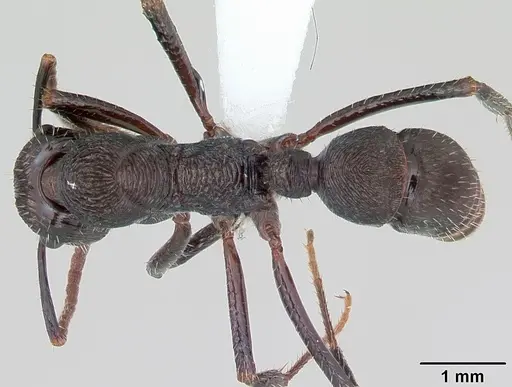
CASENT0281501
View on AntWeb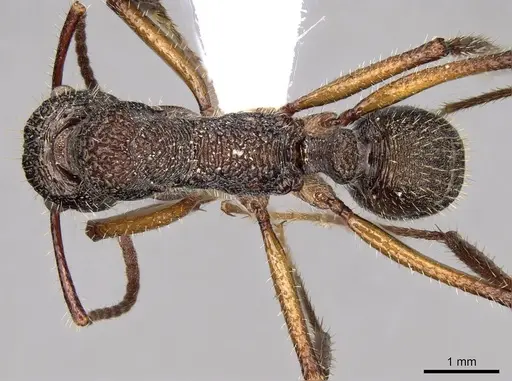
CASENT0281502
View on AntWeb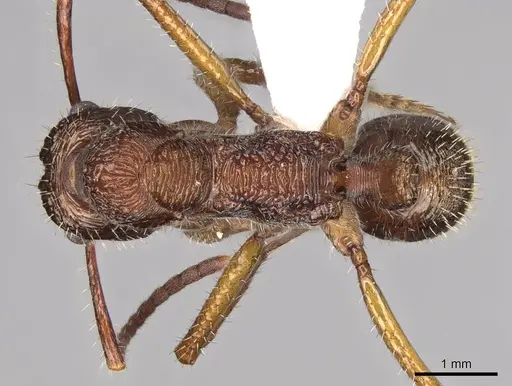
CASENT0907177
View on AntWeb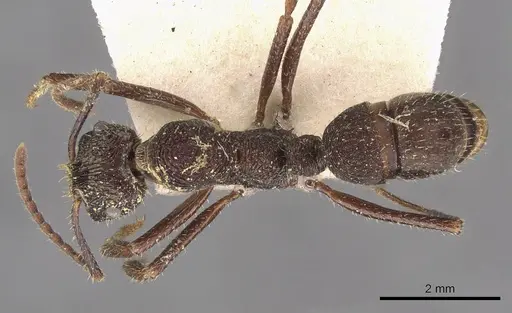
CASENT0907178
View on AntWeb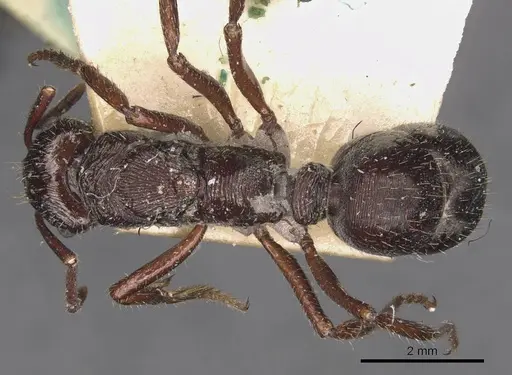
CASENT0907179
View on AntWeb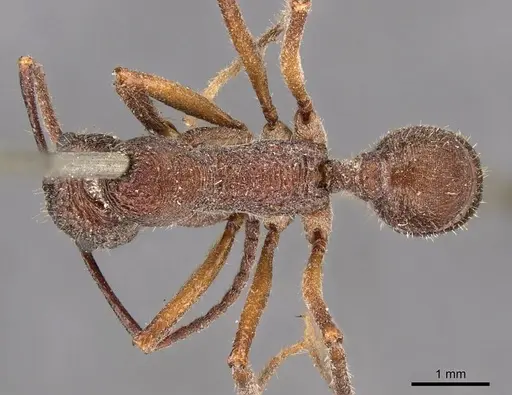
CASENT0907180
View on AntWeb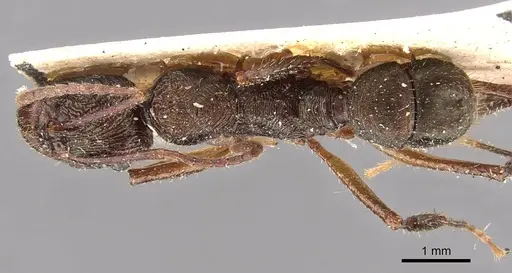
CASENT0915106
View on AntWeb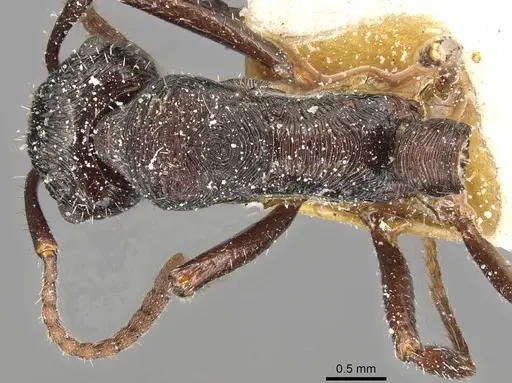
CBUMAGENT41744
View on AntWeb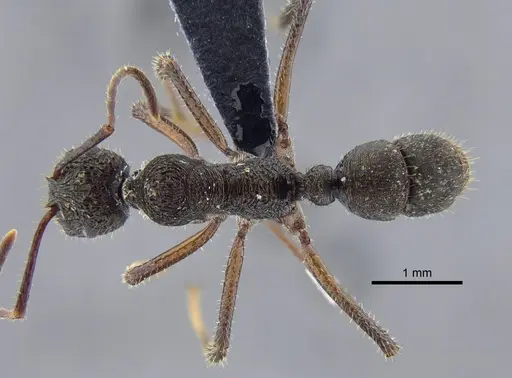
ECOFOG-TR13-0070-07
View on AntWeb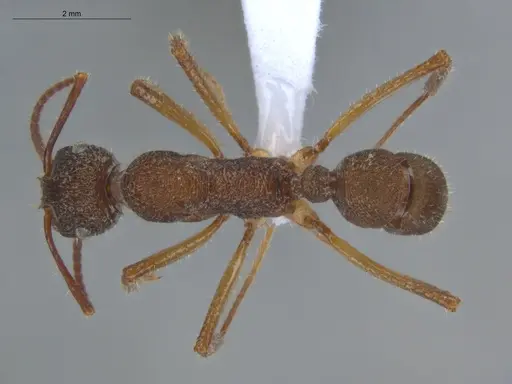
USNMENT00441003
View on AntWeb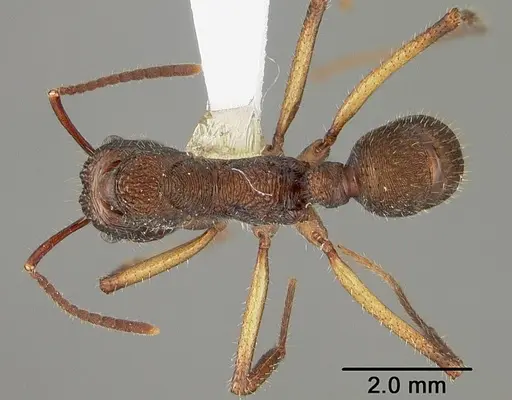
Literature
Loading...Loading products...