

Ectatomma confine
- Scientific Name
- Ectatomma confine
- Tribe
- Ectatommini
- Subfamily
- Ectatomminae
- Author
- Mayr, 1870
- Distribution
- Found in 1 countries
Ectatomma confine Overview
Ectatomma confine is an ant species of the genus Ectatomma. It is primarily documented in 1 countries , including Colombia. Detailed taxonomic data and occurrence records can be further explored via authoritative databases such as AntWeb or the Global Biodiversity Information Facility (GBIF).
Ectatomma confine
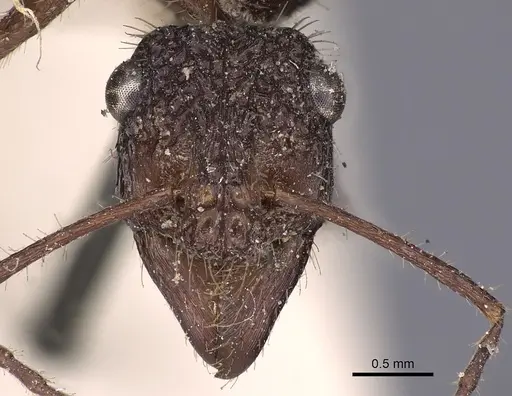
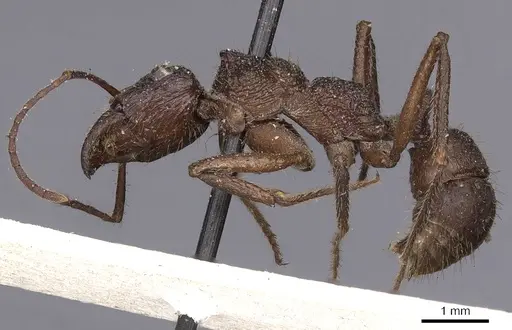
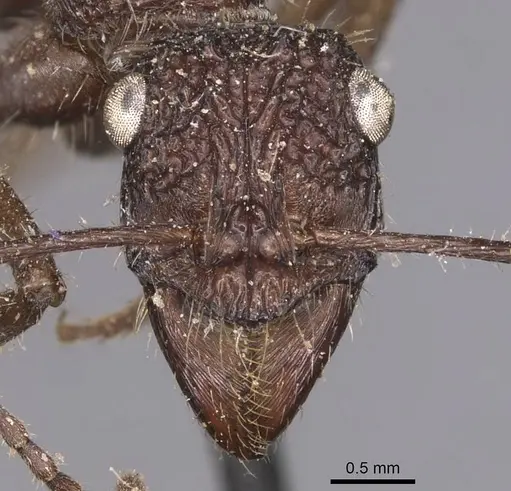
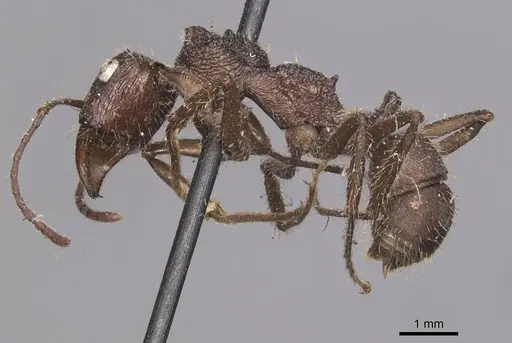
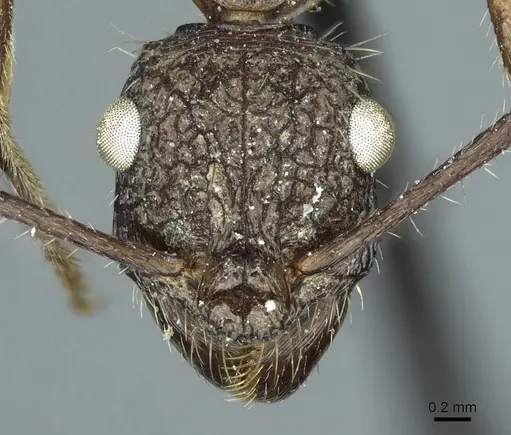
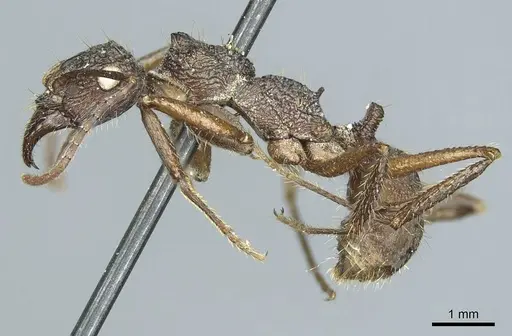
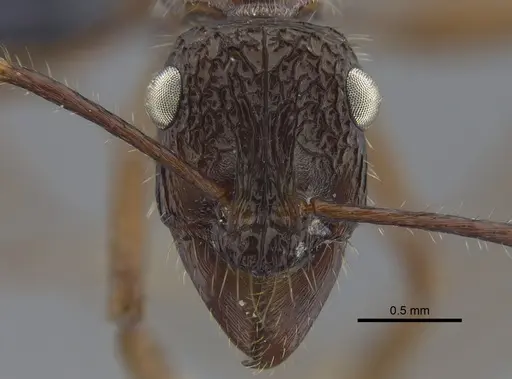
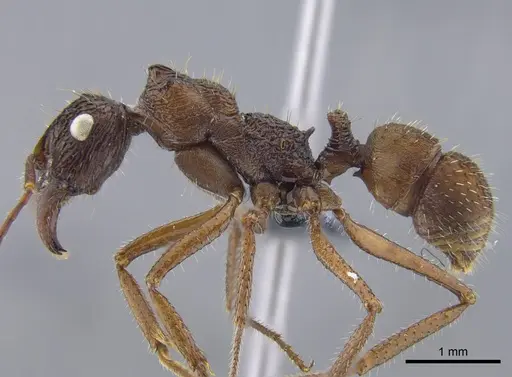
Ectatomma confine is a medium-sized predatory ant native to the Neotropical region, originally described from the 'Nueva Granada' area encompassing parts of Venezuela, Colombia, Panama, and Ecuador [1][2]. Workers measure 8.65-9.60 mm with a dark brown body and contrasting light yellowish-brown legs, featuring distinctive sharp pronotal tubercles and propodeal teeth that help identify this species [2]. The head is slightly narrowed toward the back with prominent convex eyes, and the body is covered with coarse piligerous punctures giving it a textured appearance [2]. This species was first recorded in Colombia in 2006 in the Boyacá department and has since been found in Antioquia as well [3][4]. E. confine is a very close relative of E. ruidum, differing mainly in the processes of the mesosoma, and may eventually be recognized as an extreme variant of that species [5]. As a member of the Ectatomminae subfamily, these ants are active predators with relatively simple colony structures compared to more advanced ant groups.
Quick Summary
- Difficulty: Medium
- Origin & Habitat: Neotropical region, Colombia, Panama, and historically the 'Nueva Granada' region including Venezuela and Ecuador. Found in lowlands between 5-520m elevation in Colombia, with specimens collected up to 630m [6][2][3]. They inhabit tropical rainforest environments and surrounding landscapes.
- Colony Type: Monogyne (single queen colonies), typical for the genus. Colony size appears moderate, likely reaching a few hundred workers based on related species.
- Colony: Monogyne
- Founding: Claustral
- Size & Growth:
- Queen: Not directly measured in available literature, genus estimate 10-12mm
- Worker: 8.65-9.60 mm [2]
- Colony: Likely several hundred workers based on genus patterns, unconfirmed for this specific species
- Growth: Moderate
- Development: Estimated 6-8 weeks based on related Ectatomma species development patterns at tropical temperatures (Development time inferred from genus-level data, specific timeline for E. confine not documented)
- Antkeeping:
- Temperature: Keep at 24-28°C, these are tropical ants requiring warm conditions. A heating cable on one side of the nest creates a suitable gradient.
- Humidity: High humidity preferred, aim for 70-80% relative humidity. Keep the nest substrate consistently moist but not waterlogged. These ants naturally inhabit damp tropical forest floor environments.
- Diapause: No, as a tropical species, they do not require hibernation. Maintain warm conditions year-round.
- Nesting: In nature they nest in soil or rotting wood in forest floor environments. In captivity, a Y-tong (AAC) nest or plaster nest with good moisture retention works well. Provide a humid, dark nesting area with access to an outworld for foraging.
- Behavior: Ectatomma confine is an active predator. Workers hunt small invertebrates and can deliver a painful sting if threatened. They are not overly aggressive toward humans but will defend their nest. Workers are medium-sized and relatively robust, making escape prevention straightforward, they cannot squeeze through standard test tube barriers. They are diurnal foragers, actively hunting during daylight hours. The colony will likely maintain clear trails to food sources.
- Common Issues: tropical temperature requirements mean colonies can struggle in air-conditioned rooms or cool climates, high humidity needs can lead to mold problems if ventilation is poor, predatory diet means they require regular protein input, sugar alone will not sustain them, slow colony growth compared to many common pet ants may frustrate beginners, wild-caught colonies may carry parasites that can cause colony failure in captivity
Housing and Nest Setup
Ectatomma confine does well in a Y-tong (AAC) nest or a plaster formicarium that can hold moisture. These ants need humidity, so choose a nest material that won't dry out quickly. A test tube setup can work for founding colonies, but you'll need to monitor moisture carefully. The outworld should be simple, a plastic container works fine with a barrier to prevent escapes. Since workers are nearly 10mm, standard test tube barriers are effective. Provide a dark cover over the nest area to mimic their natural underground nesting preference. The foraging area should be easy to clean since these ants are messy hunters.
Feeding and Diet
As predators, Ectatomma confine needs a protein-rich diet. Offer small live insects like fruit flies, small crickets, mealworms, or other appropriately-sized prey twice weekly. They will likely accept dead prey as well if moved around to simulate movement. Sugar sources are also important, offer a drop of sugar water or honey occasionally, though protein should be the primary food. Fresh water should always be available. Remove uneaten prey after 24-48 hours to prevent mold. In the wild, these ants hunt various small invertebrates on the forest floor, so replicate that diet in captivity.
Temperature and Humidity
These are tropical ants requiring warm, humid conditions. Maintain temperatures between 24-28°C year-round. A heating cable placed on part of the nest can help maintain warmth, but always provide an unheated area so ants can regulate their temperature. For humidity, aim for 70-80% relative humidity inside the nest. The substrate should feel consistently moist but never waterlogged. Mist the nest area occasionally and monitor for condensation, some condensation is good but excessive moisture leads to mold. Poor ventilation combined with high humidity is the most common mistake. Ensure adequate but not excessive airflow.
Colony Development
Ectatomma confine is a claustral founder, the queen seals herself in a chamber and raises the first workers alone without foraging. She relies entirely on stored fat reserves to produce eggs and feed larvae. The first workers (nanitics) will be smaller than normal workers. After the nanitics emerge, the colony grows gradually. Expect 6-8 weeks from egg to first worker at optimal temperatures. Colony growth is moderate, don't expect the rapid expansion seen in Lasius or Tapinoma. The colony will likely reach several hundred workers over time, though exact maximum size for this species is unknown. Patience is key with these ants.
Behavior and Defense
Workers of Ectatomma confine are active hunters that will venture out to capture prey. They are not particularly aggressive toward humans but will sting if directly threatened or if you handle them roughly. The sting is reportedly painful, similar to other Ectatomma species. Workers are robust and relatively easy to contain, they cannot squeeze through standard barriers like tiny ants can. The colony will establish foraging trails and may become more active and visible as the colony grows. They are diurnal, with most activity during daylight hours. A calm, dark cover over the nest helps them feel secure.
Frequently Asked Questions
How long does it take for Ectatomma confine to raise first workers?
Expect 6-8 weeks from egg to first worker at optimal tropical temperatures (24-28°C). This is based on related Ectatomma species patterns, as specific development data for E. confine is not available.
What do Ectatomma confine ants eat?
They are predators that need protein. Feed small live insects like fruit flies, small crickets, or mealworms twice weekly. They will also accept sugar water or honey occasionally. Remove uneaten prey after a day to prevent mold.
Do Ectatomma confine ants sting?
Yes, they can sting. The sting is reportedly painful, though these ants are not particularly aggressive. They will only sting if directly threatened or handled roughly. Handle them gently and avoid provoking them.
What temperature do Ectatomma confine ants need?
Keep them warm at 24-28°C year-round. These are tropical ants that do not tolerate cool temperatures. A heating cable on part of the nest helps maintain warmth, but provide a temperature gradient so ants can choose their preferred spot.
Are Ectatomma confine good for beginners?
They are rated as medium difficulty. They require warm, humid conditions and a predatory diet, which is more demanding than sugar-feeding ants. They are slower-growing than common pet ants. Experience with ant keeping basics is recommended before trying this species.
How big do Ectatomma confine colonies get?
Based on related species, colonies likely reach several hundred workers. The exact maximum for this specific species is not documented. Growth is moderate, expect gradual expansion over months and years.
Do Ectatomma confine ants need hibernation?
No, they do not hibernate. As tropical ants, they need warm conditions year-round. Maintain temperatures between 24-28°C continuously. Cooling them down can stress or kill the colony.
Can I keep multiple Ectatomma confine queens together?
This species is monogyne, colonies have a single queen. Combining unrelated queens has not been documented and is not recommended. In the wild, colonies establish with one founding queen.
When should I move Ectatomma confine to a formicarium?
Move them when the colony reaches around 30-50 workers and the test tube is becoming crowded. Make sure the new nest maintains similar humidity levels. They do well in Y-tong or plaster nests that hold moisture.
Why is my Ectatomma confine colony declining?
Common causes include: temperatures too cool (below 24°C), humidity too low, insufficient protein in diet, mold from poor ventilation, or parasites from wild-caught colonies. Check all three key parameters: warmth, humidity, and food quality.
References

This caresheet is licensed under CC BY-SA 4.0 .
CASENT0900516
View on AntWeb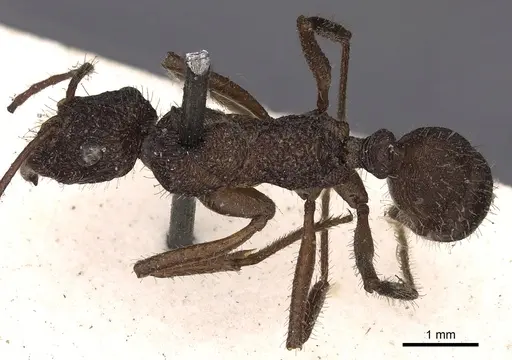
CASENT0905378
View on AntWeb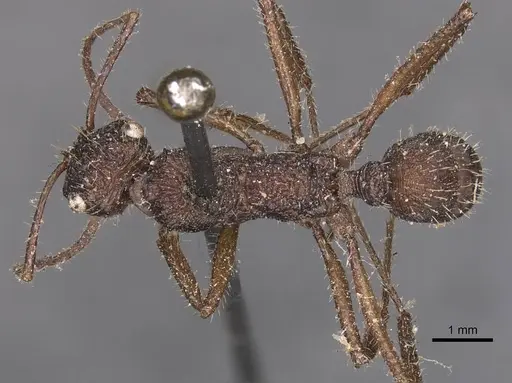
CASENT0915906
View on AntWeb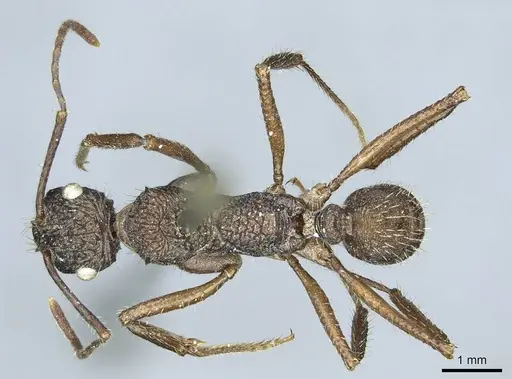
CBUMAGENT41745
View on AntWeb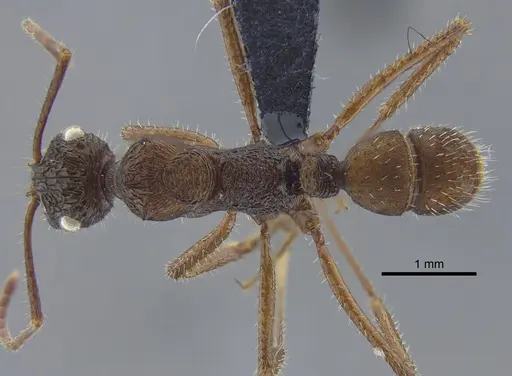
Literature
Loading...Loading products...