

Eciton vagans
- Scientific Name
- Eciton vagans
- Subfamily
- Dorylinae
- Author
- Olivier, 1792
- Distribution
- Found in 14 countries
Eciton vagans Overview
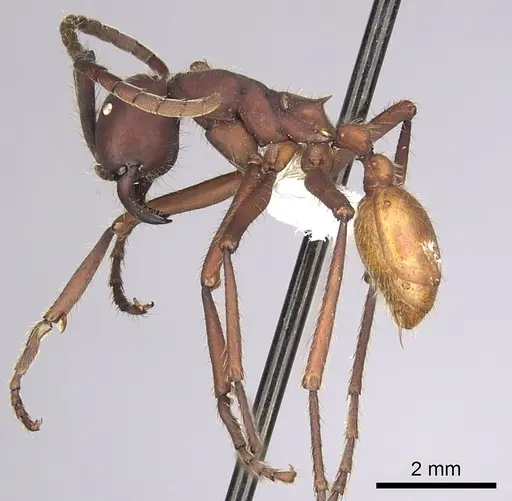
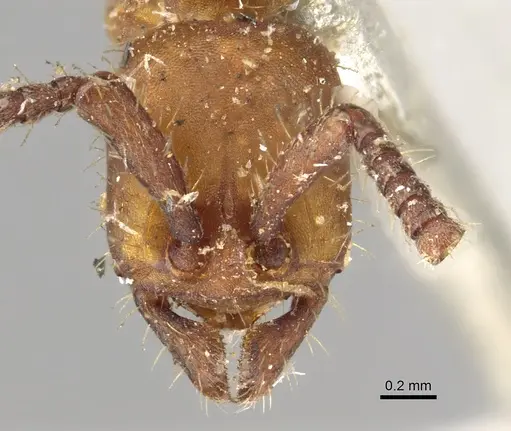
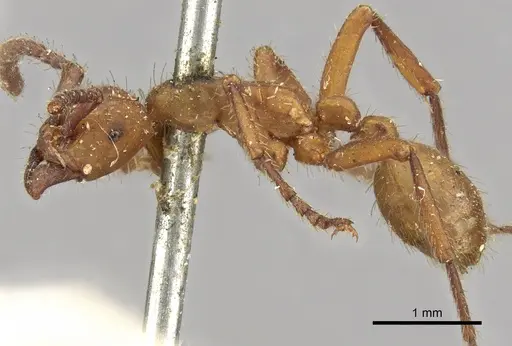
Eciton vagans is an ant species of the genus Eciton. It is primarily documented in 14 countries , including Argentina, Brazil, Colombia. Detailed taxonomic data and occurrence records can be further explored via authoritative databases such as AntWeb or the Global Biodiversity Information Facility (GBIF).
Eciton vagans
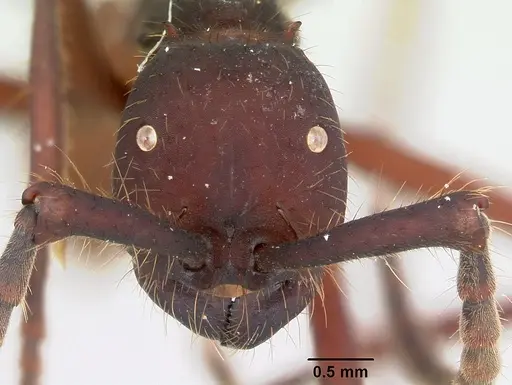
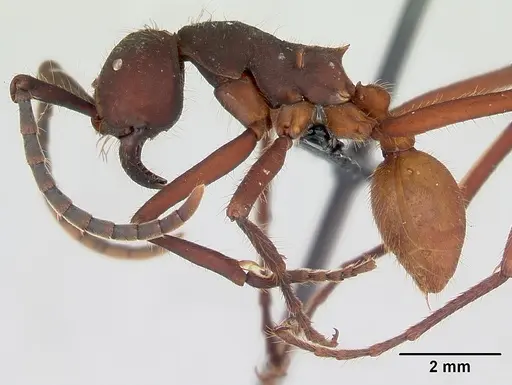
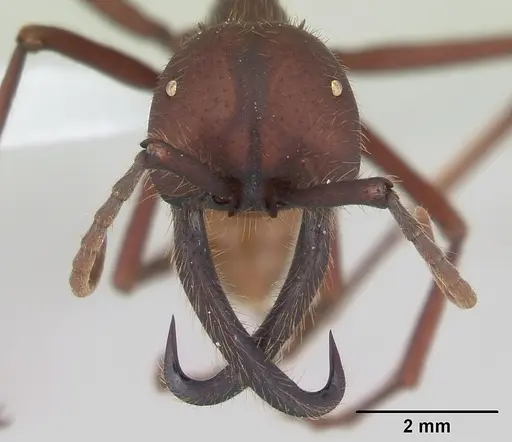
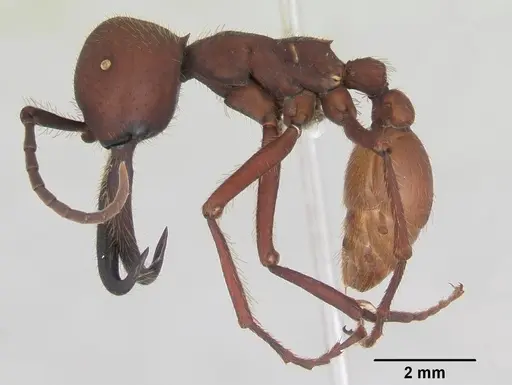
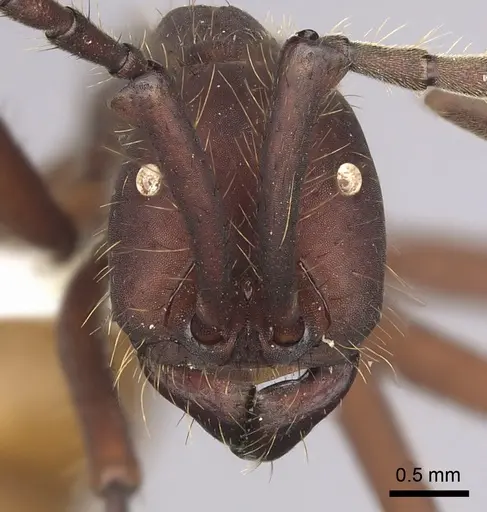
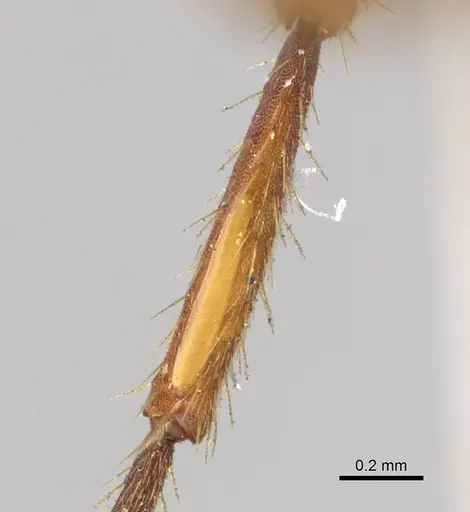
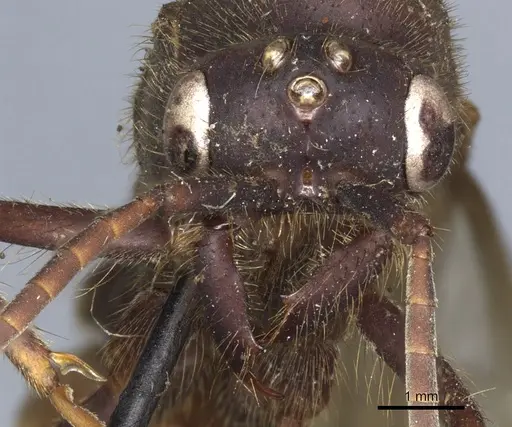
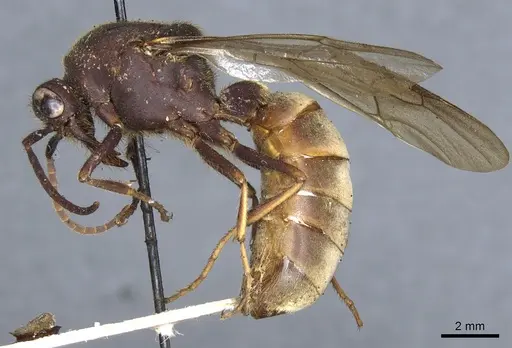
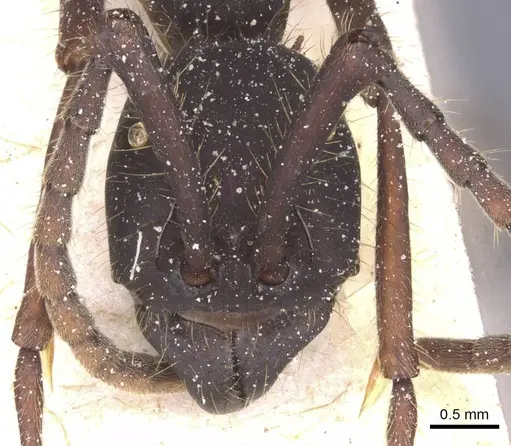
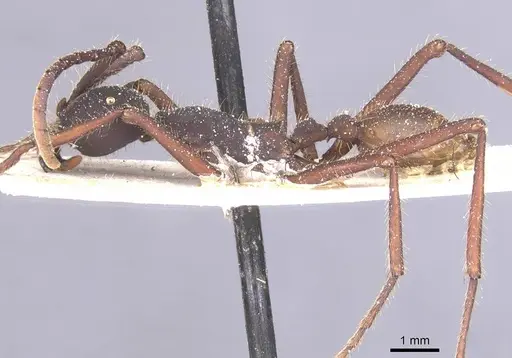
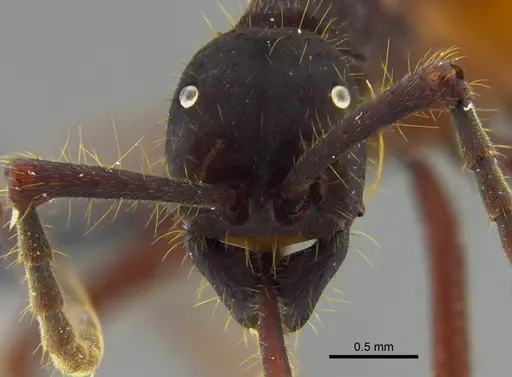
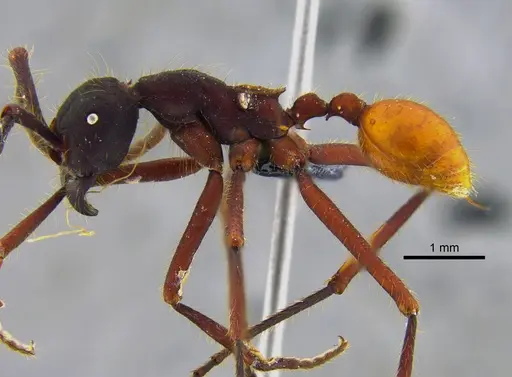
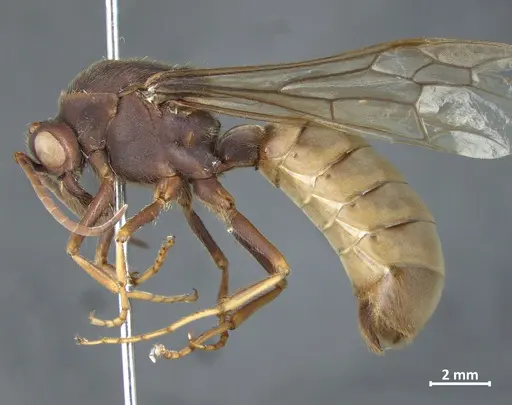
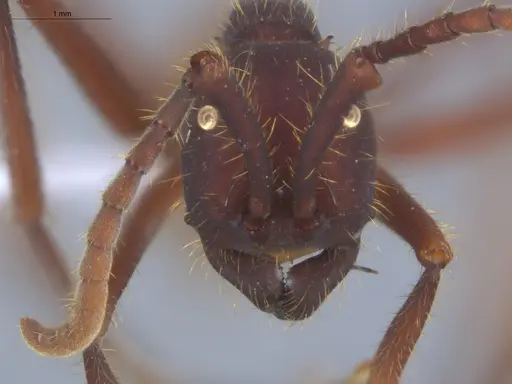
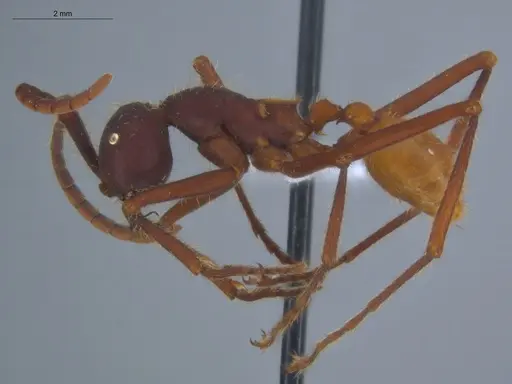
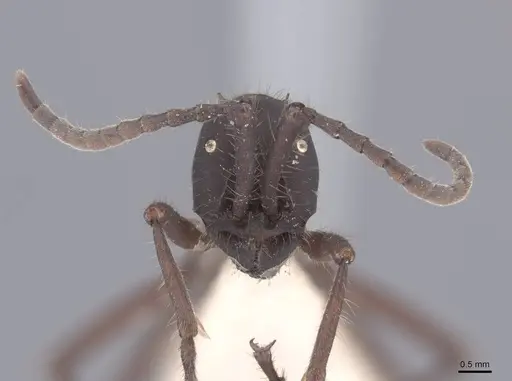
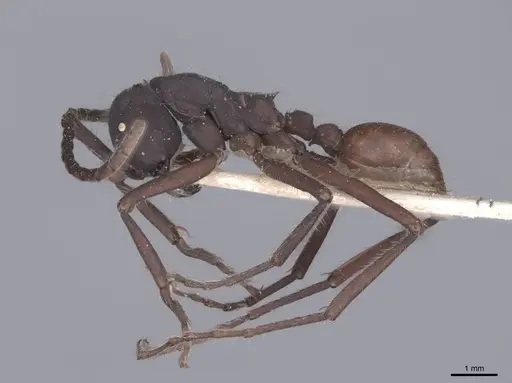
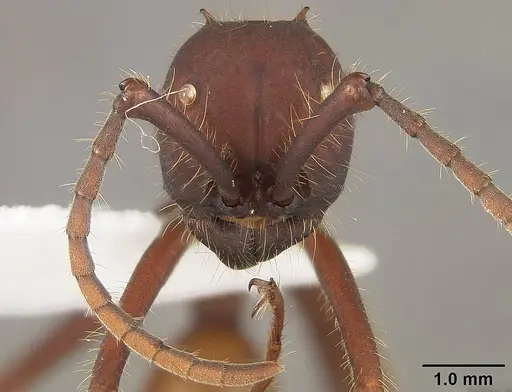
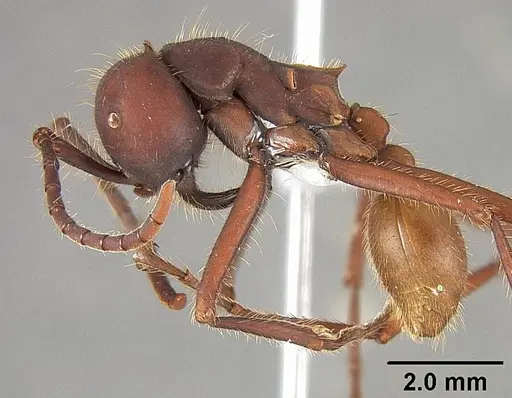
Eciton vagans is a Neotropical army ant species found from Mexico down through Central America to Brazil and Argentina. Workers are dark reddish-brown and measure up to 8mm, with a distinct soldier caste that has notably longer mandibles than the worker head width [1][2]. Like all army ants, they are highly predatory, conducting organized raids to capture prey including other ants, wasp larvae, and various arthropods. Colonies form temporary bivouacs underground and display the characteristic army ant behavior of alternating nomadic and statary phases [1]. This species is primarily nocturnal, with most raiding activity occurring between sunset and midnight, and they forage both day and night with significantly higher activity at night [3][4].
Quick Summary
- Difficulty: Expert
- Origin & Habitat: Neotropical region from Mexico to Brazil and Argentina, found in low and mid-elevation tropical forests below 1500 meters altitude [2][5]. In Colombia, they inhabit areas up to 1500m including regions like Antioquia, Caldas, and Valle del Cauca [6][7]. They prefer forest habitats and conduct raids from subterranean bivouacs.
- Colony Type: Colony structure typical of army ants, single queen with large numbers of polymorphic workers including a distinct soldier caste. Colonies have nomadic and statary phases where they alternate between moving frequently and staying settled while the queen lays eggs [1].
- Colony: Monogyne
- Founding: Claustral
- Size & Growth:
- Queen: Queens described but exact measurements not specified in available literature [8]
- Worker: Workers up to 8mm in length [1]. Major caste 10.7-15.3 mg dry weight, non-major workers 0.7-12.5 mg [9].
- Colony: Colony samples have shown thousands of workers, one sample had 2,375 workers plus 59 majors and 302 larvae/cocoons [1].
- Growth: Moderate, statary phase estimated at 24 days based on laboratory cocoon development [1].
- Development: Estimated 3-4 weeks based on related Eciton species development patterns [1]. (Development timing inferred from Rettenmeyer's observation of 24-day statary phase. Actual egg-to-worker time likely similar to other Eciton species.)
- Antkeeping:
- Temperature: Tropical species requiring warm conditions around 24-28°C. Keep stable as they are adapted to consistent tropical temperatures.
- Humidity: High humidity preferred, they nest in subterranean bivouacs 25-30cm below ground surface in naturally humid forest floor conditions [1].
- Diapause: No, as a tropical species, they do not require hibernation. Activity may reduce slightly during drier seasons but they remain active year-round.
- Nesting: Army ants do not build permanent nests. In captivity, they require a large outworld space for raiding and a dark, humid chamber for the bivouac. A naturalistic setup with a deep soil layer (30+ cm) allows them to construct their bivouac. They need extensive floor space for raid columns to form.
- Behavior: Highly predatory and aggressive. They conduct organized swarm raids at night, emerging from subterranean bivouacs to form columns extending 10-100+ meters across the forest floor [1]. Workers have a painful sting comparable to wasp stings, one sting was still noticeable 3 days later [1]. They are excellent escape artists due to their small size and determined nature. Colonies are nomadic, moving their bivouac every few days during the nomadic phase. They show both day and night foraging, with significantly more activity at night [3].
- Common Issues: Very difficult to establish in captivity, army ants have complex nomadic/statary cycle requirements that are nearly impossible to replicate, Require enormous space for proper raiding behavior, colonies naturally form columns 10-100+ meters long, Painful sting makes them hazardous to handle without protection, Specialized predatory diet, need constant supply of live ant brood, wasp larvae, or other arthropods, Colony collapse is likely without proper bivouac conditions and continuous prey availability
Housing and Space Requirements
Eciton vagans is NOT a beginner-friendly species and requires expert-level husbandry. These army ants need enormous amounts of space, in the wild, raid columns extend 10-100 meters along the ground surface [1]. Attempting to keep them in a standard formicarium will result in colony failure and stress. A naturalistic setup with a large outworld (several square meters of floor space) connected to a deep soil chamber (30+ cm) for the bivouac is the minimum required. The bivouac chamber must be dark and humid, simulating their natural subterranean nests which are typically 25-30 cm below ground with passageways extending to 50 cm depth [1]. Without this extensive space, the colony will not exhibit natural raiding behavior and will likely decline.
Feeding and Diet
Eciton vagans is a specialized predator that primarily hunts other ants, particularly Odontomachus species [10]. They take both adult ants and larvae during raids. Beyond ants, they actively raid social wasp nests, capturing larvae and pupae while killing adult wasps with their stings [1]. One observation documented them destroying approximately 20 wasp nests in a single night, consuming an estimated 2,000-4,000 individuals including larvae, pupae, and adults [1]. In captivity, you would need to provide a constant supply of live ant brood (from colonies like Camponotus or Pogonomyrmex), wasp larvae, or other small arthropods. This is extremely demanding, a large colony requires thousands of prey items regularly. Sugar sources are generally not accepted as they are obligate predators.
Foraging Behavior and Activity Cycles
This species is primarily nocturnal, with most raiding occurring between 6:00 p.m. and midnight [1]. They show significantly more foraging activity at night than during the day [3]. Unlike some army ants, E. vagans raids emerge from subterranean bivouacs and extend along the ground surface, rarely climbing more than a few centimeters into vegetation [1]. The raid columns follow a subterranean course for most of their length, emerging onto the surface through cracks in the ground or insect tunnels [11]. Colonies alternate between nomadic phases (when they move frequently) and statary phases (when they remain settled for about 24 days while the queen lays eggs) [1]. This complex cycle is essential to their biology and nearly impossible to properly replicate in captivity.
Defense and Sting
Eciton vagans workers possess a functional sting that causes significant pain to humans. One documented sting received on January 2 was still noticeable on January 5, three days later [1]. The pain is described as similar to wasp stings. During raids, they readily sting when threatened, and they have been observed attacking wasps much larger than themselves. When raiding wasp nests, adult wasps are killed with stings while larvae and pupae are transported back to the bivouac. Workers also have relatively strong mandibles but weaker than some related species like E. burchelli [1]. When handling this species, protective equipment is essential.
Legal and Ethical Considerations
Eciton vagans is native to the Neotropical region from Mexico to Brazil and Argentina. It should NEVER be released in North America, Europe, or any region outside its native range as army ants are not established in those areas and could cause significant ecological damage if introduced. Additionally, capturing wild colonies is discouraged as it disrupts natural ecosystems. If you obtain this species, it should be maintained permanently in captivity. Check your local regulations regarding the keeping of exotic ant species before acquisition. [8]
Frequently Asked Questions
Can I keep Eciton vagans as a beginner antkeeper?
No. Eciton vagans is NOT suitable for beginners. These army ants require expert-level husbandry with enormous amounts of space, constant access to live prey, and the ability to replicate their complex nomadic/statary colony cycle. Most attempts to keep army ants in captivity fail. This species is considered appropriate only for advanced antkeepers with specific experience with predatory species.
How big do Eciton vagans colonies get?
Colonies can reach several thousand workers. One documented colony sample had 2,375 workers plus 59 majors (soldiers) and 302 larvae/cocoons [1]. Mature colonies in the wild are even larger.
What do Eciton vagans eat?
They are obligate predators that primarily hunt other ants, especially Odontomachus species [10]. They also raid social wasp nests, taking larvae and pupae [1]. In captivity, they need constant access to live ant brood, wasp larvae, or small arthropods. They do not accept sugar sources.
Are Eciton vagans active day or night?
They are primarily nocturnal. Most raiding occurs between 6:00 p.m. and midnight, with significantly more foraging activity at night than during the day [3][1].
Do Eciton vagans need hibernation?
No. As a tropical species from the Neotropics, they do not require hibernation. They remain active year-round in their native habitat.
Can I keep multiple Eciton vagans queens together?
No. This species has single-queen colonies (monogyne). Multiple queens would fight and only one would survive. Additionally, combining unrelated foundress queens is not recommended and has not been documented in this species.
How long does it take for Eciton vagans to develop from egg to worker?
Exact development time is not directly documented, but based on the 24-day statary phase observed in related species, egg-to-worker development likely takes 3-4 weeks at optimal tropical temperatures [1].
Where is Eciton vagans found?
They range from Mexico through Central America (Guatemala, Costa Rica) to South America (Colombia, Venezuela, Bolivia, Brazil, Argentina). They inhabit low to mid-elevation tropical forests below 1500 meters [2][5][7].
Why are Eciton vagans so difficult to keep in captivity?
Army ants have extremely specialized requirements: they need massive space for raid columns (10-100+ meters in the wild), constant live prey, specific humidity in their bivouac, and their natural nomadic/statary cycle is nearly impossible to replicate. Additionally, they are obligate predators that cannot survive on prepared foods. Most captive colonies eventually fail without these specific conditions.
References

This caresheet is licensed under CC BY-SA 4.0 .
CASENT0052771
View on AntWeb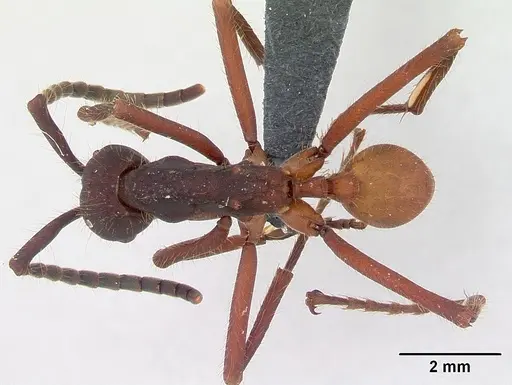
CASENT0173509
View on AntWeb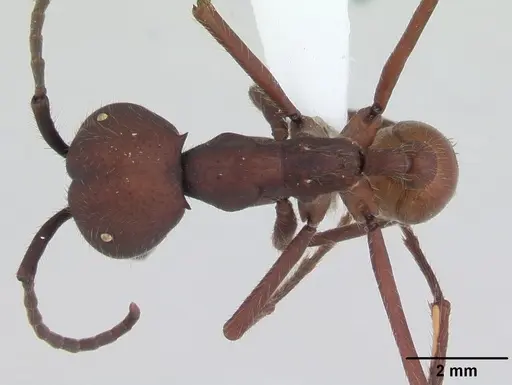
CASENT0249464
View on AntWeb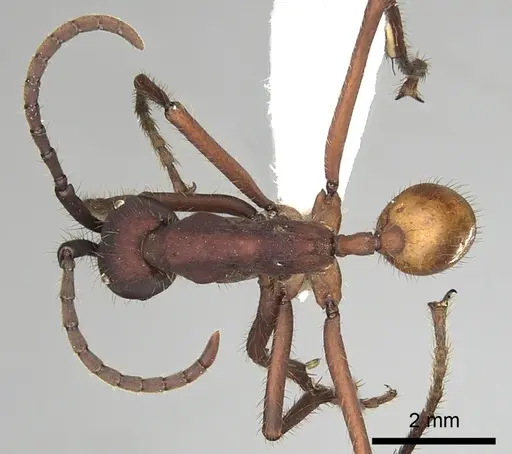
CASENT0902633
View on AntWeb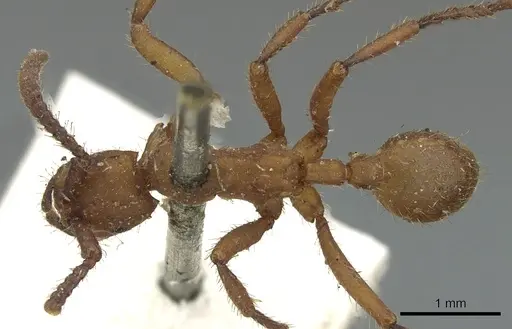
CASENT0903720
View on AntWeb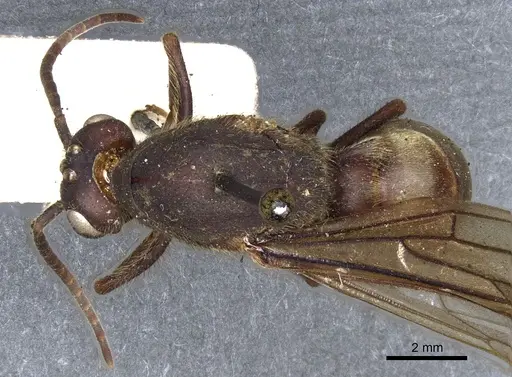
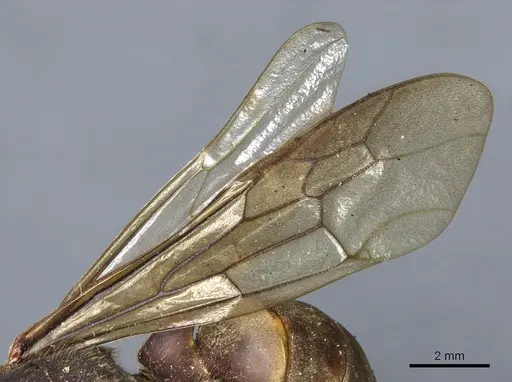
CASENT0911389
View on AntWeb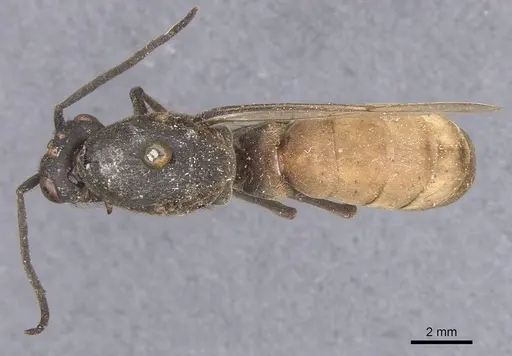
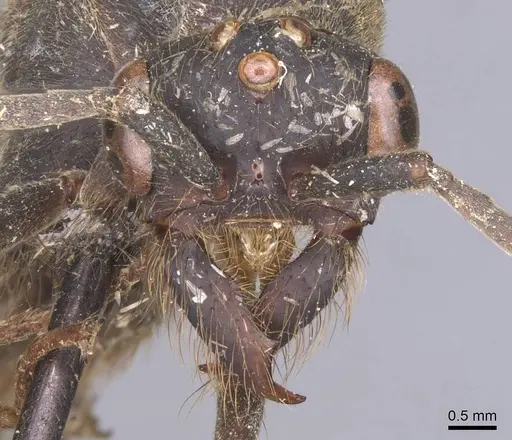
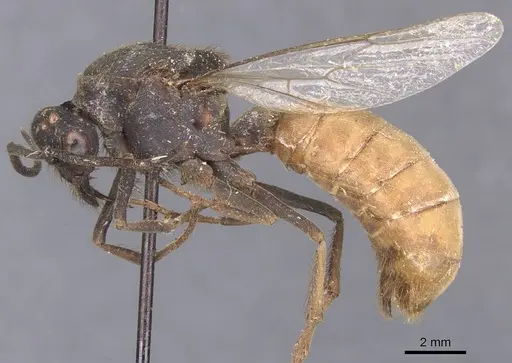
CASENT0911390
View on AntWeb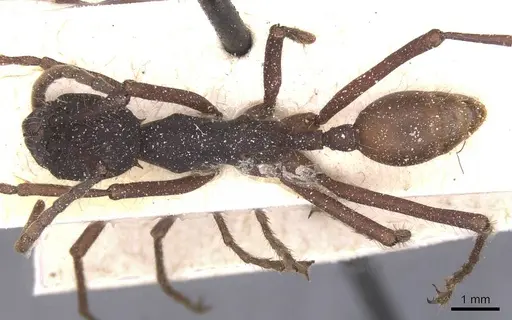
CBUMAGENT41919
View on AntWeb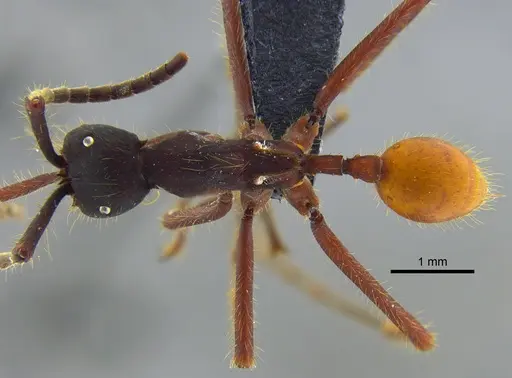
DZUP549839
View on AntWeb
ECOFOG-SG17-0155-04
View on AntWeb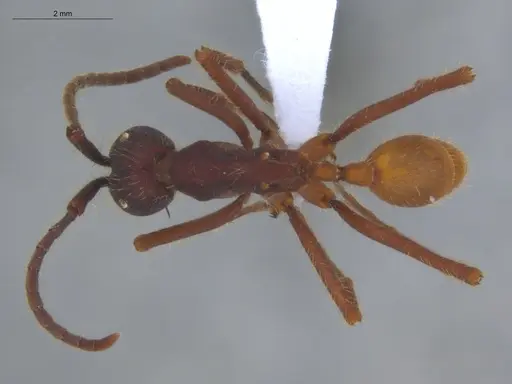
FMNHINS0000045339
View on AntWeb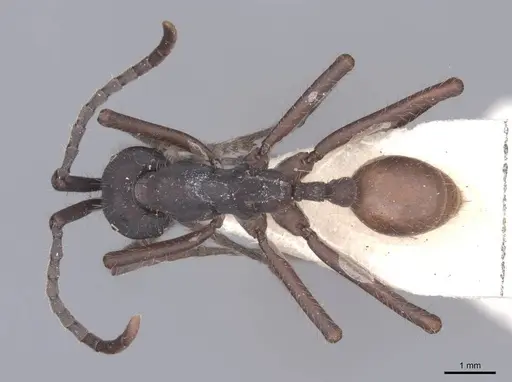
USNMENT01124281
View on AntWeb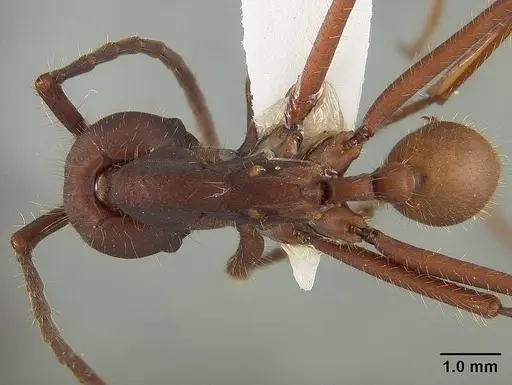
Literature
Loading...Loading products...