

Echinopla striata
- Scientific Name
- Echinopla striata
- Tribe
- Camponotini
- Subfamily
- Formicinae
- Author
- Smith, 1857
- Distribution
- Found in 4 countries
Echinopla striata Overview
Echinopla striata is an ant species of the genus Echinopla. It is primarily documented in 4 countries , including Indonesia, Malaysia, Singapore. Detailed taxonomic data and occurrence records can be further explored via authoritative databases such as AntWeb or the Global Biodiversity Information Facility (GBIF).
Echinopla striata
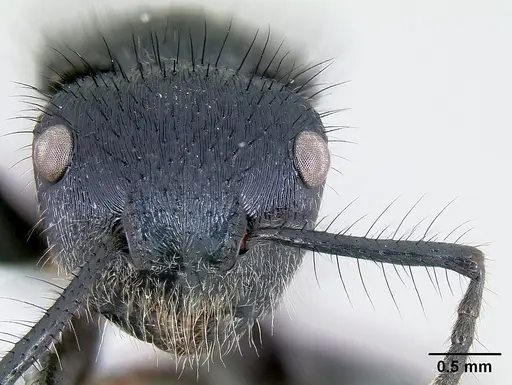
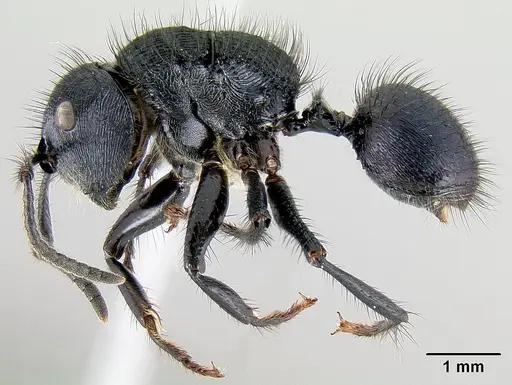
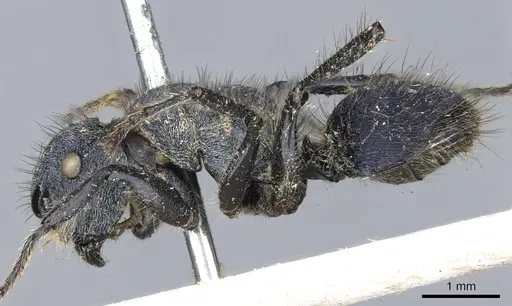
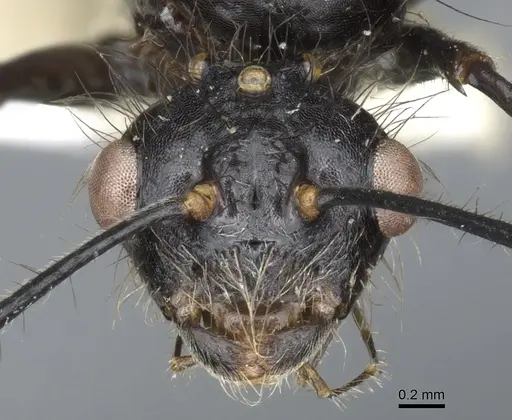
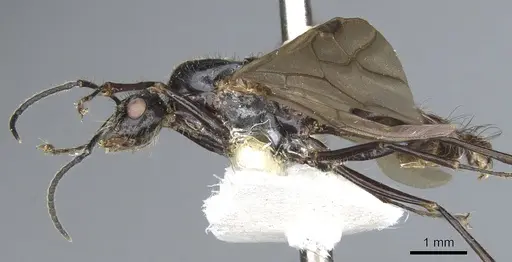
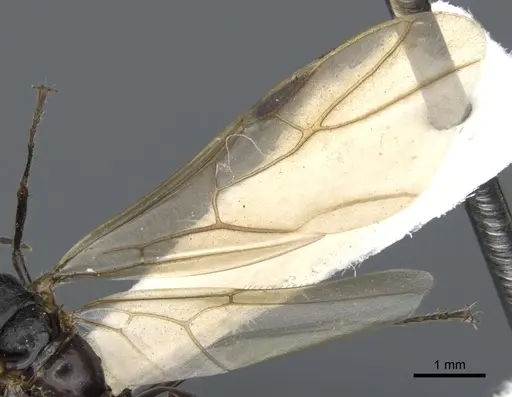
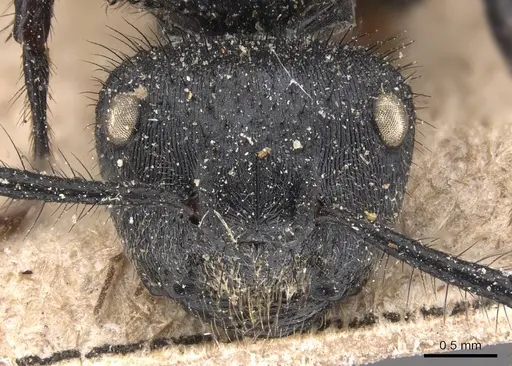
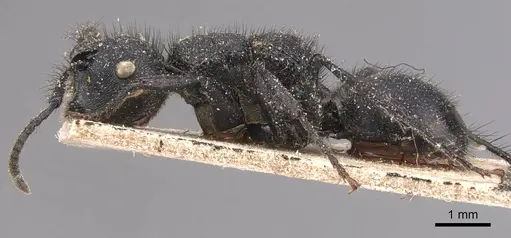
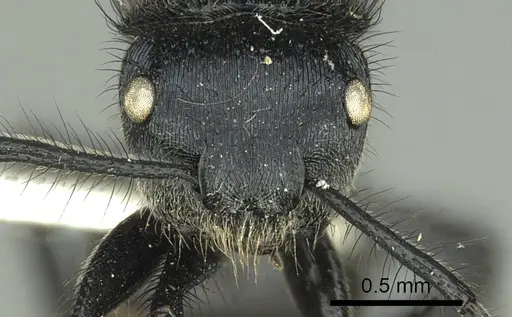
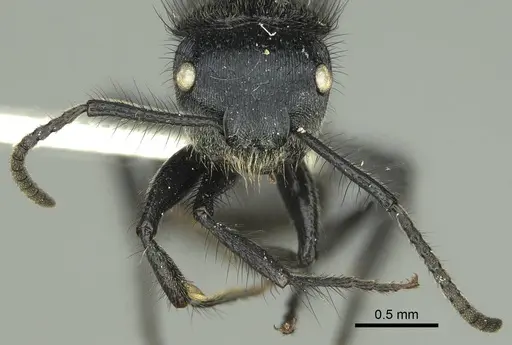
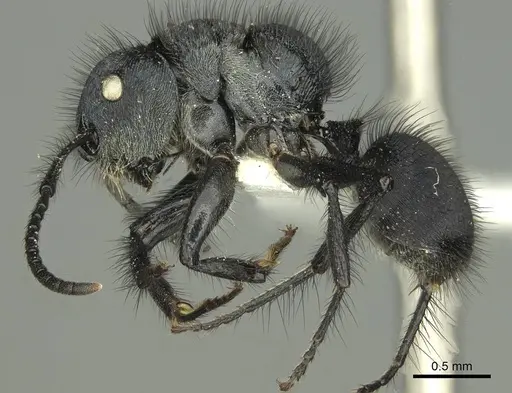
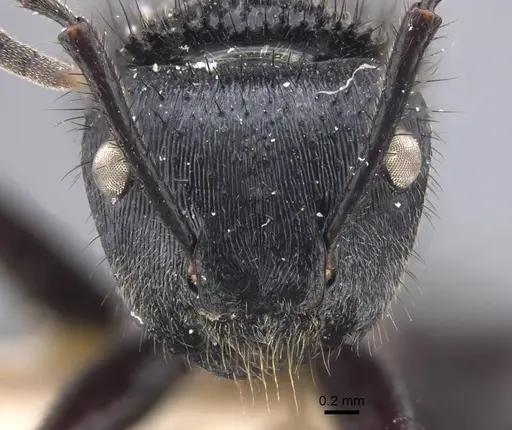
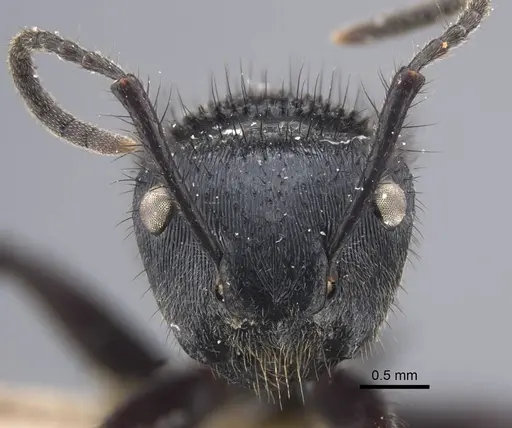
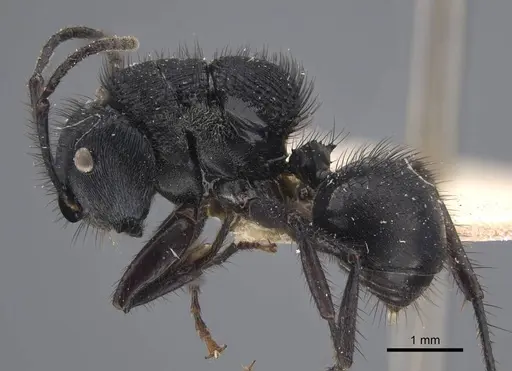
Echinopla striata is a medium-sized ant belonging to the Formicinae subfamily, part of the striata species group. Workers measure 4.9-6.8mm and have a distinctive black body with fine longitudinal striations on the head and gaster. The most recognizable feature is the petiole, which has long spines on each side that spread as wide as or wider than the propodeum. These ants are found across the Indomalaya region including Borneo, Indonesia, Malaysia, the Philippines, and recently recorded in southern China. They inhabit undisturbed forest environments and are considered a polymorphic species with some taxonomic complexity, possibly representing multiple similar species [1][2].
Quick Summary
- Difficulty: Medium
- Origin & Habitat: Found across the Indomalaya region, Borneo, Indonesia, Malaysia, Philippines, and southern China. Inhabits undisturbed forest environments [3][1].
- Colony Type: Colony structure is not well documented. Based on related Formicine ants like Camponotus, likely monogyne (single queen) colonies, but this requires confirmation.
- Size & Growth:
- Queen: Not specifically measured in primary literature, estimated 8-10mm based on genus patterns
- Worker: 4.9-6.8mm [1]
- Colony: Unknown, likely moderate colonies based on genus patterns
- Growth: Moderate, inferred from related Formicine ants
- Development: Estimated 6-10 weeks based on typical Formicinae development at tropical temperatures (Development time estimated from related Camponotini species. Warmer temperatures within safe range may accelerate development.)
- Antkeeping:
- Temperature: Keep at 24-28°C. Being a tropical species from Southeast Asia, they need warm conditions. A heating cable on one side of the nest creates a temperature gradient allowing workers to self-regulate [1].
- Humidity: Moderate to high humidity (60-80%). These forest-dwelling ants prefer moist conditions. Keep the nest substrate consistently damp but not waterlogged.
- Diapause: Likely no true diapause, being a tropical species, they probably remain active year-round with slight slowdowns during cooler periods.
- Nesting: In nature they likely nest in rotting wood or under bark in forest environments. In captivity, a Y-tong (AAC) nest or plaster nest with good moisture retention works well. Provide a naturalistic setup with some cover and dark spaces.
- Behavior: Not extensively documented in captivity, but related Formicine ants are typically moderate in temperament. Workers are active foragers. Escape prevention should be moderate, they are not extremely small but use standard barrier methods. They likely have moderate sugar acceptance and will forage for honeydew or sugar water alongside protein sources.
- Common Issues: tropical species requires warm temperatures, cold stress can be fatal, limited published care information means some trial and error may be needed, forest-dwelling species needs higher humidity than desert ants, wild-caught colonies may have parasites, quarantine recommended, moderate growth rate requires patience, don't overfeed or overwater
Housing and Nest Setup
Echinopla striata is a tropical forest-dwelling ant that prefers humid conditions. For nesting, a Y-tong (acrylic) nest or plaster nest works well, both hold moisture effectively and provide the dark, enclosed spaces these ants prefer. The nest should have chambers scaled appropriately for their 5-7mm worker size. Since they're from forested tropical regions, consider adding some naturalistic elements like small pieces of bark or leaf litter in the outworld to simulate their natural environment. A water reservoir in the nest helps maintain humidity. For the outworld, a simple foraging area with a water test tube and feeding station is sufficient. Standard escape prevention with fluon on container edges works adequately for this species, they're not particularly small or known escape artists. [1][3]
Feeding and Diet
Like other Formicine ants in the Camponotini tribe, Echinopla striata likely accepts a varied diet. Offer sugar water or honey as a constant energy source, these ants will readily consume carbohydrates. For protein, offer small insects like fruit flies, small crickets, or mealworms. In the wild, they probably forage for honeydew from aphids and scale insects, plus small arthropods. Feed protein prey 2-3 times per week, and keep sugar water available at all times. Remove uneaten prey after 24-48 hours to prevent mold. Being a tropical species, they may have higher energy requirements, observe colony activity levels and adjust feeding accordingly.
Temperature and Seasonal Care
As a tropical species from Southeast Asia and southern China, Echinopla striata requires warm temperatures. Keep the nest area at 24-28°C for optimal activity and brood development. A heating cable placed on one side of the nest creates a gradient, workers can move between warmer and cooler areas to self-regulate. Avoid temperatures below 20°C for extended periods. Since they're from tropical forests, they likely don't enter true diapause but may show reduced activity during cooler periods. Room temperature within the 24-28°C range is ideal, if your room is cooler, use gentle heating. Monitor colony behavior, if workers seem sluggish, gradually increase temperature. [1]
Humidity Requirements
Echinopla striata comes from humid forest environments and needs higher moisture levels than desert-dwelling ants. Keep nest substrate consistently moist but not waterlogged, the substrate should feel damp to the touch. A water reservoir connected to the nest helps maintain stable humidity. Mist the outworld occasionally, especially if you notice workers avoiding dry areas. Good ventilation is important to prevent mold, but avoid excessive airflow that dries the nest. If you see condensation on the nest walls, humidity is adequate. Too dry conditions can cause brood death and worker desiccation. [3][1]
Colony Development and Growth
Little specific data exists on Echinopla striata colony development. Based on related Formicine ants in the Camponotini tribe, expect the following timeline: a claustral queen (if confirmed) will seal herself in and lay eggs after mating. First workers (nanitics) emerge smaller than mature workers and help expand the colony. Total time from egg to worker is estimated at 6-10 weeks at optimal temperatures. Growth rate is moderate, colonies won't explode in size quickly but should steadily expand. Mature colonies likely reach several hundred workers. Be patient with founding colonies, the first few months are slow, but once workers establish foraging, growth accelerates. Avoid disturbing founding queens unnecessarily.
Behavior and Temperament
Echinopla striata workers are active foragers, likely hunting small arthropods and collecting honeydew in addition to sugar sources. Their distinctive spined petiole may serve a defensive function, related species can raise their gaster and present the spines when threatened. They probably have moderate aggression levels, not particularly docile but not overly aggressive either. Workers likely communicate through chemical trails and may use tandem running to recruit nestmates to food sources. In the outworld, they should be active and visible, exploring and foraging. Their black coloration with striated gaster makes them visually distinctive among ant pets. [1]
Frequently Asked Questions
How long does it take for Echinopla striata to produce first workers?
Based on typical Formicinae development, expect first workers in 6-10 weeks from egg at optimal temperatures (24-28°C). Founding colonies require patience, the queen seals herself in (likely claustral founding) and raises the first brood alone until nanitic workers emerge.
What do Echinopla striata ants eat?
They likely accept a standard ant diet: sugar water or honey for carbohydrates, and small insects like fruit flies, small crickets, or mealworms for protein. In the wild, they probably forage for honeydew and small arthropods.
What temperature do Echinopla striata ants need?
Keep them warm at 24-28°C. This tropical Southeast Asian species requires consistent warmth. A heating cable on part of the nest creates a gradient for self-regulation.
Are Echinopla striata ants good for beginners?
They are rated Medium difficulty. While not the easiest species, they are manageable for intermediate antkeepers. The main challenges are maintaining warm, humid conditions and limited published care information.
How big do Echinopla striata colonies get?
Exact colony size is not documented, but based on related Formicinae, expect moderate colonies of several hundred workers. Growth is moderate, not rapid but steady once established.
Can I keep multiple Echinopla striata queens together?
Colony structure is not well documented for this species. Based on related Formicinae, they likely form single-queen colonies. Combining unrelated queens is not recommended without documented evidence of pleometrosis acceptance.
Do Echinopla striata need hibernation?
No, being a tropical species from Southeast Asia, they likely do not require true diapause. They may show reduced activity during cooler periods but should be kept warm year-round.
Why is my Echinopla striata colony not growing?
Check temperature (should be 24-28°C), humidity (should be consistently moist), and food availability. Being a tropical species, cold stress or dry conditions can halt brood development. Also ensure the queen is healthy and laying eggs.
References

This caresheet is licensed under CC BY-SA 4.0 .
CASENT0106129
View on AntWeb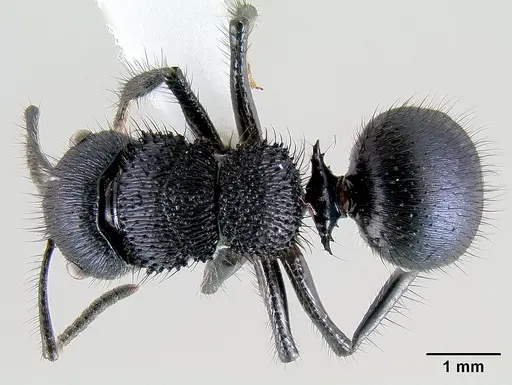
CASENT0280336
View on AntWeb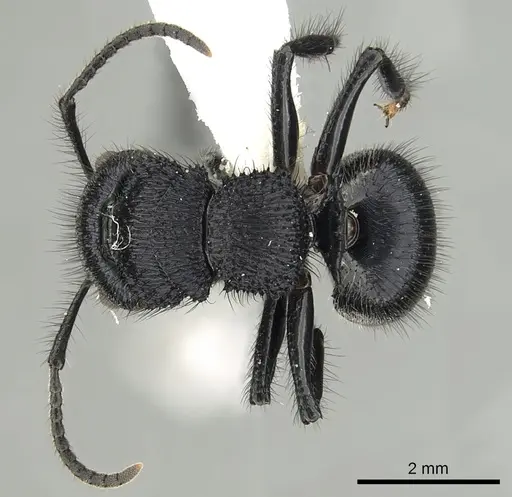
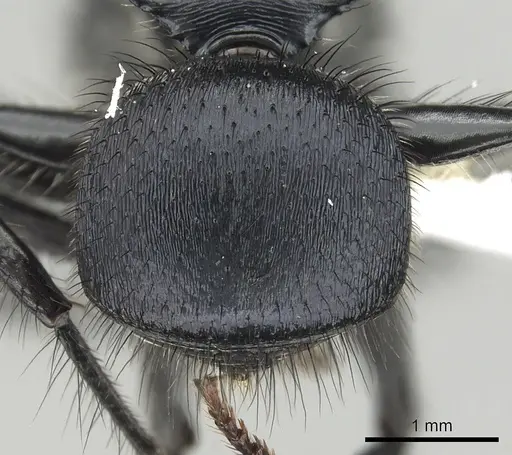
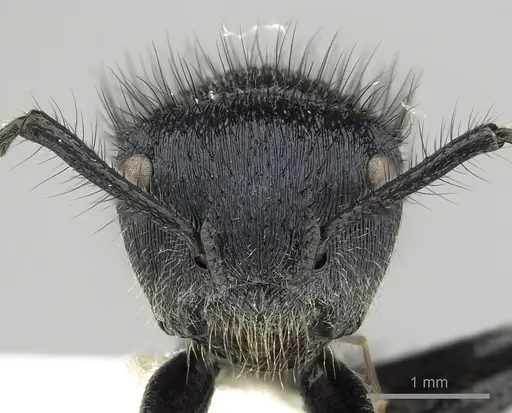
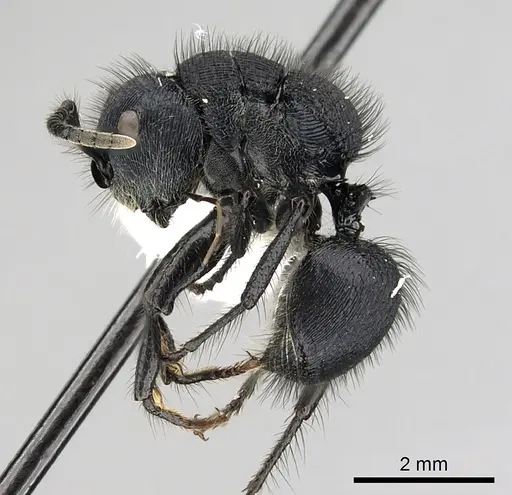
CASENT0901880
View on AntWeb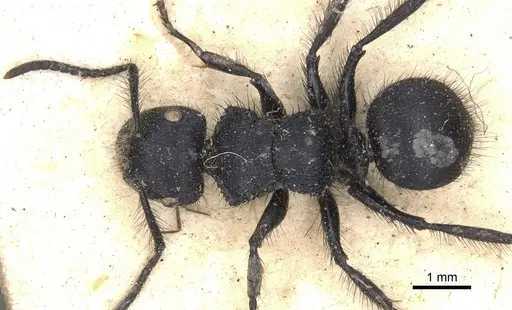
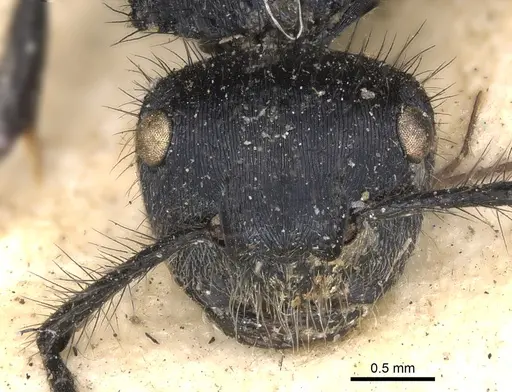
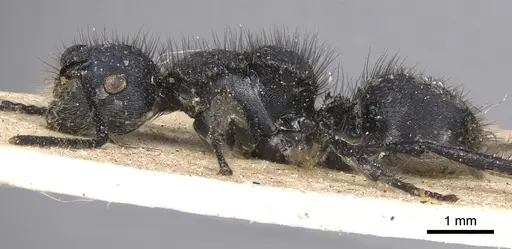
CASENT0903472
View on AntWeb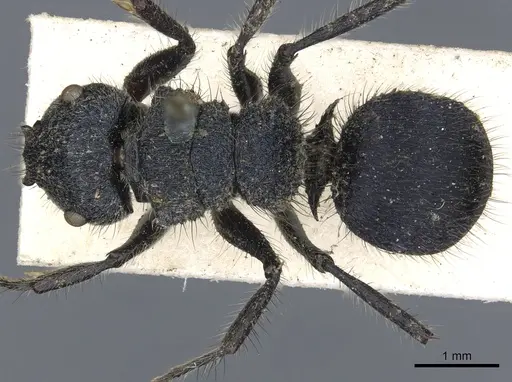
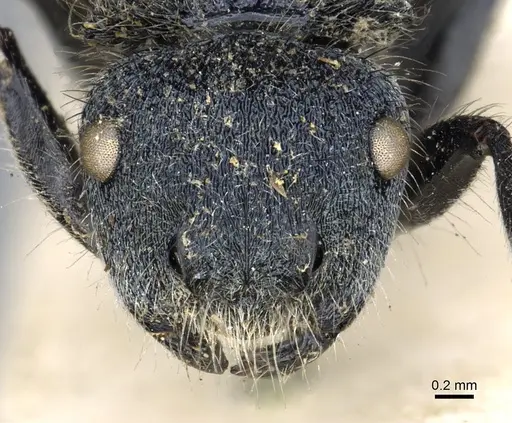
CASENT0903473
View on AntWeb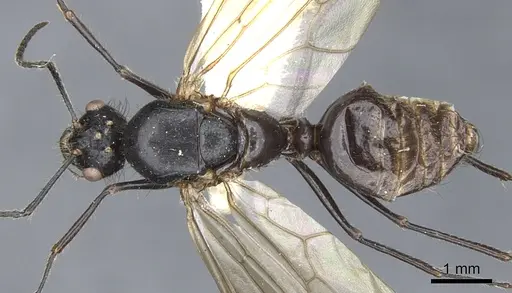
CASENT0905646
View on AntWeb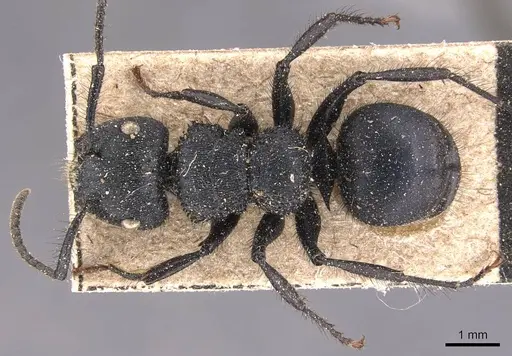
CASENT0906847
View on AntWeb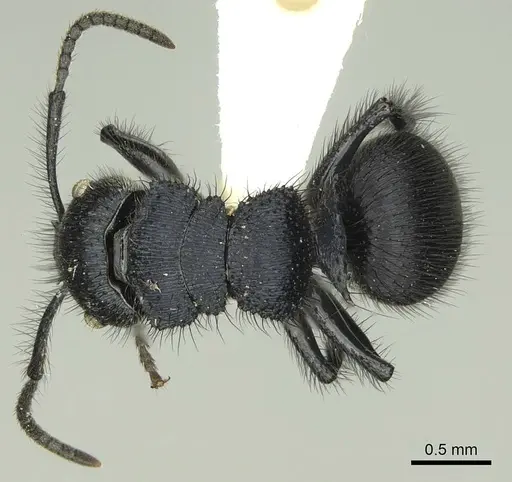
CASENT0912086
View on AntWeb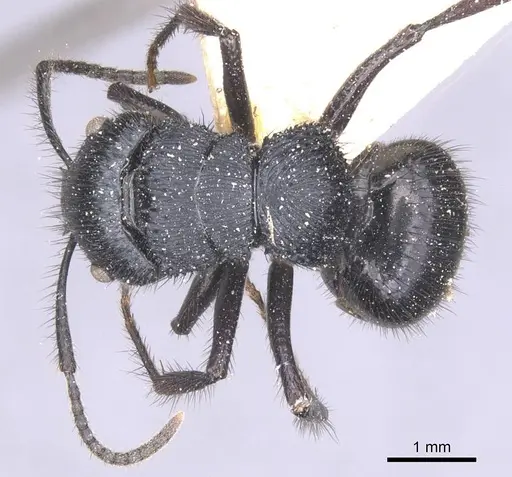
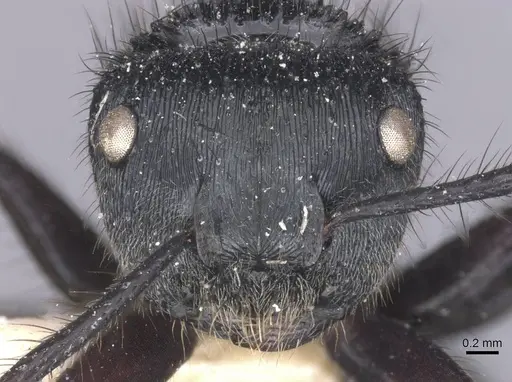
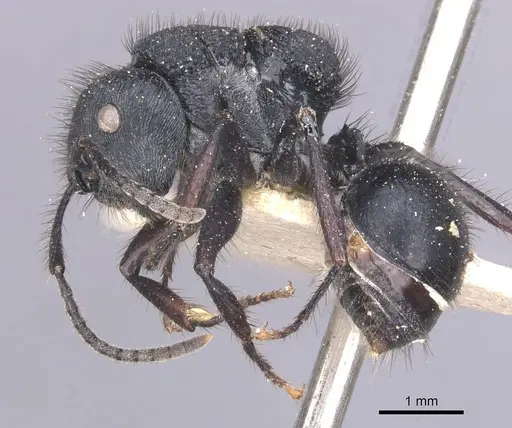
CASENT0917295
View on AntWeb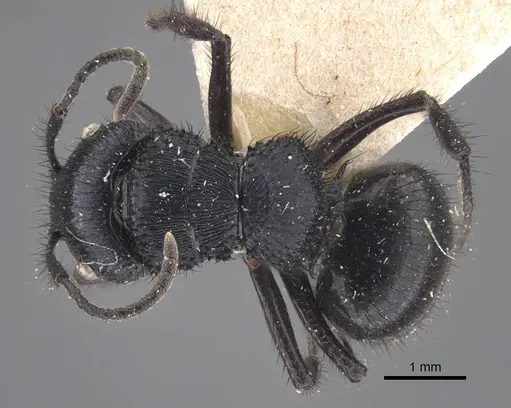
Literature
Loading...Loading products...