

Echinopla pseudostriata
- Scientific Name
- Echinopla pseudostriata
- Tribe
- Camponotini
- Subfamily
- Formicinae
- Author
- Donisthorpe, 1943
- Distribution
- Found in 1 countries
Echinopla pseudostriata Overview
Echinopla pseudostriata is an ant species of the genus Echinopla. It is primarily documented in 1 countries , including Philippines. Detailed taxonomic data and occurrence records can be further explored via authoritative databases such as AntWeb or the Global Biodiversity Information Facility (GBIF).
Echinopla pseudostriata
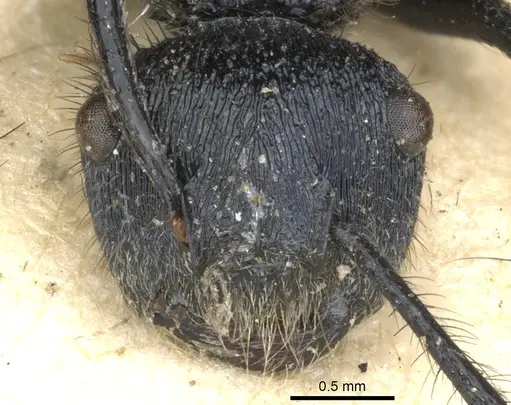
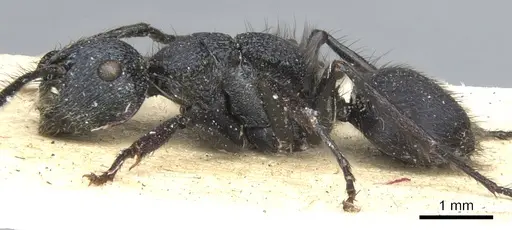
Echinopla pseudostriata is a medium-sized ant species belonging to the Formicinae subfamily, found in New Guinea and the Philippines. Workers are entirely black with a distinctive spiny petiole, the genus name 'Echinopla' literally means 'spiny plate' [1]. The striata-group species have longitudinally striated head surfaces and irregularly rugose propodeum, with bluntly angled pronotal corners in dorsal view [1]. This is a poorly documented tropical species with limited scientific study, making captive care recommendations somewhat speculative but based on genus-typical patterns.
Quick Summary
- Difficulty: Medium
- Origin & Habitat: Tropical Australasian and Indomalayan regions, New Guinea and Philippines [1]. In nature they likely inhabit forested areas, possibly arboreal or ground-nesting in humid tropical environments typical of the genus.
- Colony Type: Likely monogyne (single queen) based on genus patterns, though colony structure is unconfirmed for this specific species.
- Colony: Monogyne
- Founding: Claustral
- Size & Growth:
- Queen: Estimated 8-10mm based on genus typical sizes, not directly measured for this species
- Worker: Estimated 5-7mm based on genus typical sizes [1] describes worker caste but exact measurements not specified
- Colony: Unknown, likely moderate colonies of several hundred workers based on related Echinopla species
- Growth: Moderate, estimated based on typical Formicinae development
- Development: Estimated 6-10 weeks at tropical temperatures (25-28°C) based on related Formicinae patterns (Development timeline is estimated, no direct studies exist for this species. Tropical species typically develop faster than temperate ones at optimal temperatures.)
- Antkeeping:
- Temperature: Keep at 24-28°C. Being a tropical species from New Guinea and Philippines, they need warm conditions year-round. A heating cable on one side of the nest creates a temperature gradient allowing the ants to self-regulate.
- Humidity: High humidity preferred, aim for 70-85%. These tropical forest ants need consistently moist substrate. Mist occasionally and keep the water reservoir filled. Ensure ventilation prevents mold while maintaining humidity.
- Diapause: No, tropical species do not require hibernation. Keep temperatures stable year-round without cooling periods.
- Nesting: Accepts most nest types, Y-tong (AAC), plaster, or naturalistic setups work well. Provide narrow chambers and passages scaled to their medium size. Keep substrate consistently moist. Avoid dry conditions.
- Behavior: Temperament is moderate, they are not particularly aggressive but will defend their nest. Workers are active foragers. Escape risk is moderate, use standard barriers. They likely forage for honeydew and small insects in nature.
- Common Issues: tropical species are sensitive to temperature drops below 20°C, keep consistently warm, dry conditions cause colony decline, monitor humidity regularly, limited availability means wild-caught colonies may have unknown health issues, poorly documented species means care recommendations are based on genus patterns rather than specific studies
Housing and Nest Setup
Echinopla pseudostriata can be kept in various nest types including Y-tong (acrylic), plaster nests, or naturalistic setups with soil. Provide chambers scaled to their medium size (5-7mm workers). Keep the nest substrate consistently moist but not waterlogged. A water tube attached to the nest ensures constant access to moisture. Since they're from tropical regions with high humidity, consider adding a hydration setup that maintains damp conditions without requiring daily misting. Standard escape prevention measures work well for this species, they are not particularly small or prone to escaping like some tiny ants.
Feeding and Diet
Like most Formicinae, Echinopla pseudostriata likely accepts a varied diet. Offer sugar water or honey as a constant energy source. For protein, provide small insects like fruit flies, small crickets, or mealworms. In nature, they probably forage for honeydew from aphids and scale insects, plus small arthropods. Feed protein 2-3 times per week and keep sugar water available at all times. Remove uneaten prey after 24 hours to prevent mold.
Temperature and Seasonal Care
This tropical species requires warm conditions year-round. Maintain temperatures between 24-28°C (75-82°F). Avoid temperatures below 20°C as this can stress or kill the colony. No hibernation or cooling period is needed, they come from a region with minimal seasonal temperature variation. A small heating cable placed on one end of the nest can create a gradient, allowing ants to move to their preferred temperature zone. Room temperature may suffice if your home stays in the low-to-mid 20s°C range.
Colony Development
As a claustral species, the queen will seal herself in a chamber and raise the first brood alone without foraging. She uses stored fat reserves to survive until her first workers (nanitics) emerge. This process typically takes 6-10 weeks in tropical conditions. The first workers will be smaller than normal workers but will help the colony grow. After the nanitics emerge, the queen can stop foraging for herself and focus entirely on egg-laying. Colony growth is moderate, expect several months to reach 50+ workers. Maximum colony size is unknown but likely several hundred workers based on related species.
Behavior and Temperament
Echinopla workers are active foragers with moderate aggression when defending their nest. They are not extreme biters or stingers compared to some ant species. Workers likely use chemical trails to recruit nestmates to food sources, similar to other Formicinae. The spiny petiole (which gives the genus its name) may serve as a defensive adaptation against predators. They are primarily nocturnal or crepuscular foragers in nature, so they may be more active during evening hours in captivity.
Frequently Asked Questions
How long does it take for Echinopla pseudostriata to produce first workers?
Expect first workers (nanitics) in approximately 6-10 weeks after the queen lays eggs, assuming temperatures around 25-28°C. This is based on typical Formicinae development, no specific studies exist for this species.
What temperature do Echinopla pseudostriata need?
Keep them warm at 24-28°C (75-82°F). This tropical species is sensitive to cold and should not be allowed to drop below 20°C. A heating cable or mat can help maintain stable temperatures.
Do Echinopla pseudostriata need hibernation?
No, they do not need hibernation. Being a tropical species from New Guinea and the Philippines, they require warm conditions year-round with no cooling period.
What do Echinopla pseudostriata eat?
Feed them sugar water or honey constantly for energy, plus small insects like fruit flies, small crickets, or mealworms for protein 2-3 times per week. They likely also forage for honeydew in nature.
Are Echinopla pseudostriata good for beginners?
This species is rated Medium difficulty. While not as beginner-friendly as some common ants, their care requirements are straightforward if you can maintain warm, humid conditions. The main challenge is their limited availability.
How big do Echinopla pseudostriata colonies get?
Colony size is not well documented, but based on related species, colonies likely reach several hundred workers. Growth is moderate, expect several months to reach 50+ workers.
Can I keep multiple Echinopla pseudostriata queens together?
Not recommended. This species is likely monogyne (single queen). Combining unrelated queens has not been studied and could result in fighting.
What humidity level do they need?
Keep humidity high at 70-85%. Maintain consistently moist substrate without waterlogging. These tropical forest ants need damp conditions to thrive.
When should I move Echinopla pseudostriata to a formicarium?
Wait until the colony has at least 30-50 workers and the test tube setup feels cramped. This species does well in Y-tong or plaster nests once established. Move them when workers are actively exploring outside the test tube.
References

This caresheet is licensed under CC BY-SA 4.0 .
CASENT0903474
View on AntWeb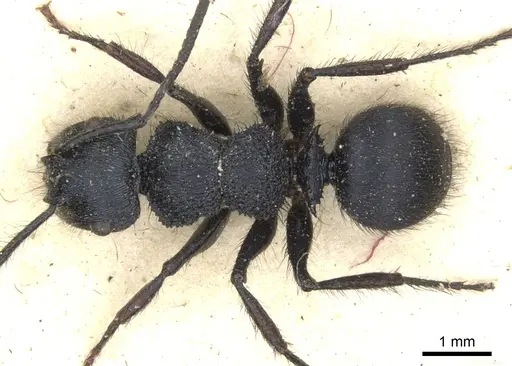
Literature
Loading...Loading products...