

Echinopla australis
- Scientific Name
- Echinopla australis
- Tribe
- Camponotini
- Subfamily
- Formicinae
- Author
- Forel, 1901
- Distribution
- Found in 1 countries
Echinopla australis Overview
Echinopla australis is an ant species of the genus Echinopla. It is primarily documented in 1 countries , including Australia. Detailed taxonomic data and occurrence records can be further explored via authoritative databases such as AntWeb or the Global Biodiversity Information Facility (GBIF).
Echinopla australis
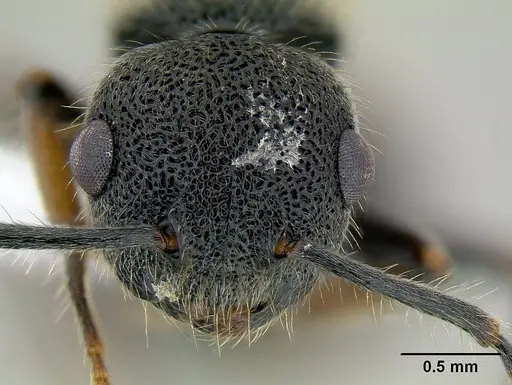
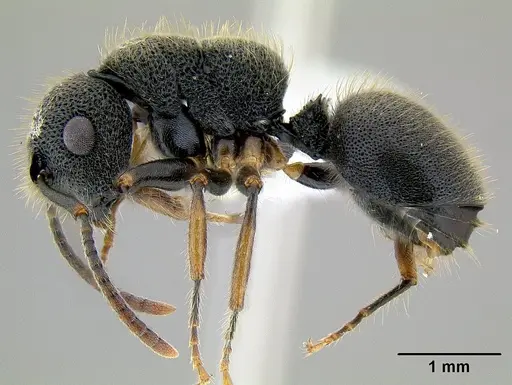
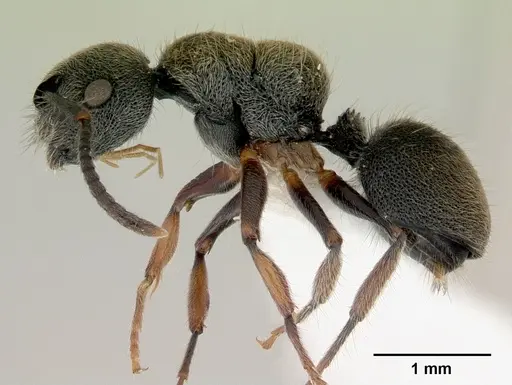
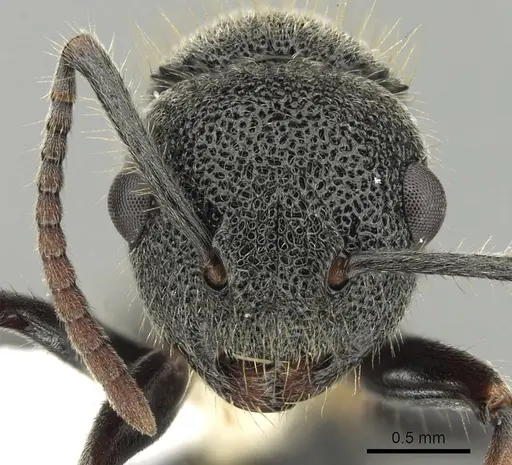
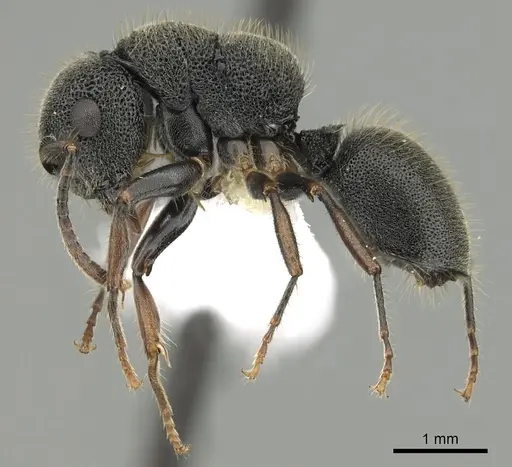
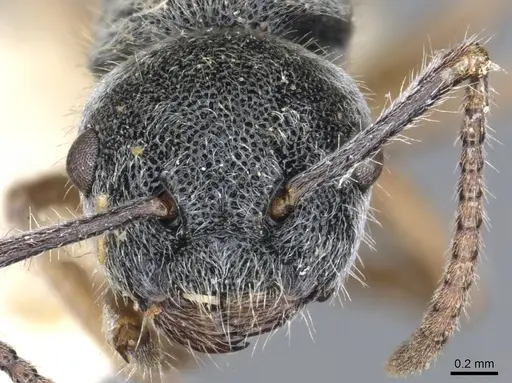
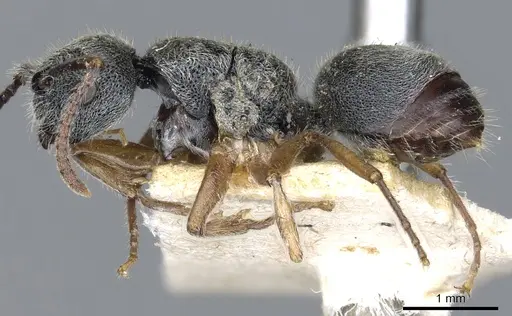
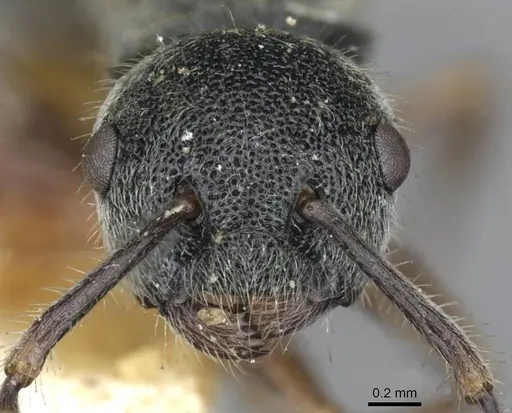
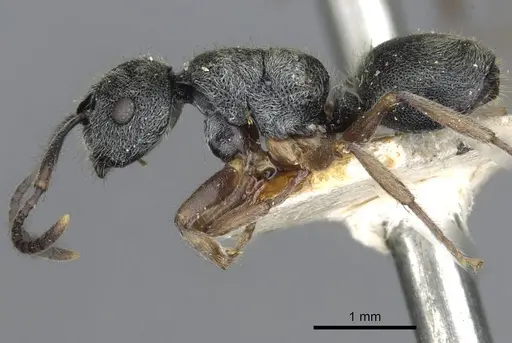
Echinopla australis is a medium-sized ant species belonging to the serrata species group within the genus Echinopla. Workers are black with distinctive yellow-brown legs and funiculus (the antennae segments), giving them a striking two-tone appearance. They have relatively long pilosity (body hairs) and a pronotum that is noticeably narrower than the head. This species is found across northern Australia and New Guinea, making it one of the more widespread Echinopla species in the region. As members of the tribe Camponotini, they share a nutritional symbiosis with Blochmannia bacteria, which helps them process their diet.
Quick Summary
- Difficulty: Medium
- Origin & Habitat: Northern Australia and New Guinea. Based on distribution, they inhabit tropical and subtropical regions, likely in forested areas where they nest in wood or under bark [1][2].
- Colony Type: Colony structure is unconfirmed. Most Echinopla species likely form single-queen colonies, but specific data for this species is lacking.
- Founding: Claustral
- Size & Growth:
- Queen: Estimated 8-10mm based on genus typical size range
- Worker: Estimated 5-7mm based on genus typical size range
- Colony: Unknown for this species. Related Echinopla species typically reach several hundred workers
- Growth: Moderate, estimated based on tropical Formicinae patterns
- Development: Estimated 6-8 weeks at tropical temperatures (25-28°C), based on typical Camponotini development [2] (Development time is estimated from related Formicinae species, direct data for this species is unavailable)
- Antkeeping:
- Temperature: Keep at 24-28°C. Their Australian and New Guinea distribution indicates preference for warm, stable conditions. A heating cable on one side of the nest creates a suitable gradient [2].
- Humidity: Moderate to high humidity (60-80%). Provide a water tube and keep the nest substrate slightly moist but not waterlogged. Mist occasionally but allow drying between waterings.
- Diapause: Likely minimal or none. Tropical species from northern Australia may experience reduced activity during cooler months but do not require true hibernation. Keep at room temperature year-round with slight cooling in winter if colony shows reduced activity.
- Nesting: Echinopla species typically nest in rotting wood or under bark in nature. In captivity, a Y-tong (AAC) nest or plaster nest with narrow chambers works well. Provide some damp substrate but ensure good ventilation to prevent mold.
- Behavior: Workers are moderately active and forage for honeydew and small insects. They are not particularly aggressive but will defend their nest if threatened. Their small size (estimated 5-7mm) means escape prevention is important, use fine mesh and tight-fitting barriers. They tend sap-feeding insects for honeydew and will readily accept sugar water and protein foods.
- Common Issues: escape prevention is critical due to their small size, use fine mesh barriers, humidity control is important, too wet causes mold, too dry causes desiccation, tropical species may struggle in cool rooms below 22°C, wild-caught colonies may have parasites that affect survival in captivity, limited availability in the antkeeping hobby means established colonies are rare
Appearance and Identification
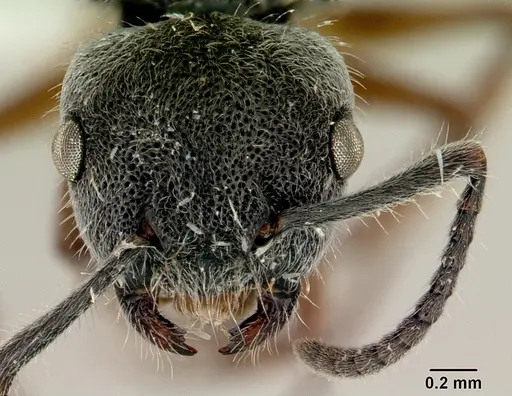
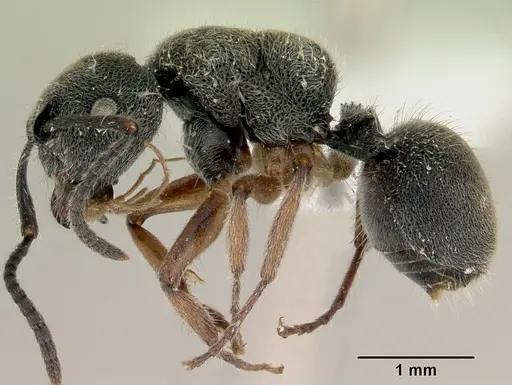
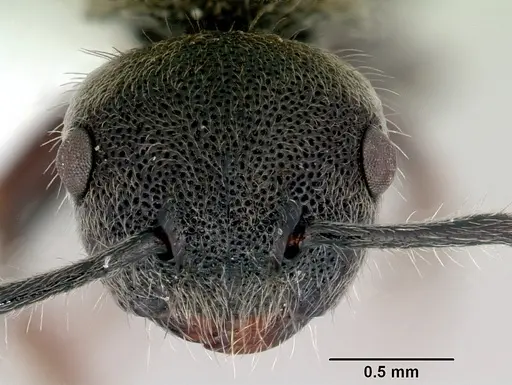
Echinopla australis workers are distinctive among Australian ants due to their black body contrasting with yellow-brown legs and antennae (funiculus). They have relatively long pilosity, the stiff hairs covering their body, which helps distinguish them from similar species. The pronotum (the first segment of the middle body) is noticeably narrower than the head when viewed from above. They belong to the serrata species group, which is characterized by specific features including the number of teeth on the petiole (the narrow waist connecting the thorax and gaster). This species has four teeth on each side of the petiole. Workers are estimated to be 5-7mm in length, making them medium-sized ants [3][1].
Natural Distribution and Habitat
This species is found across northern Australia and New Guinea, representing one of the widest distributions within the Echinopla genus. Their range includes the Australasian region, primarily in tropical and subtropical areas. In nature, they likely nest in rotting wood or under bark, similar to other Echinopla species. The warm climate of their native range indicates they prefer temperatures in the mid-to-high 20s Celsius and do not tolerate cold conditions. They are part of the ant mosaic in Australian tropical rainforests, where they compete with other arboreal and ground-nesting species [1][2].
Feeding and Diet
As members of the tribe Camponotini, Echinopla australis likely has similar dietary habits to other Formicinae ants. They probably tend sap-feeding insects (like aphids and scale insects) for honeydew, which is a sugary substance these insects excrete. In captivity, offer sugar water or honey as a constant energy source. For protein, they likely accept small insects like fruit flies, pinhead crickets, or mealworms. Based on their size, they probably prefer smaller prey items. Feed protein 2-3 times per week and keep sugar water available at all times. They may be less aggressive foragers than some ants, so place food near foraging areas [2].
Temperature and Heating
Echinopla australis requires warm conditions to thrive. Keep the nest area at 24-28°C, with a slight gradient allowing workers to choose their preferred temperature. A heating cable placed on top of the nest (never underneath, as excessive heat can dry out the nest) works well to maintain warmth. Room temperature may be sufficient in warm climates but most keepers need supplemental heating. Monitor colony behavior, if workers cluster near the heat source, increase temperature slightly, if they avoid it and seem sluggish, the nest may be too warm. Avoid temperatures below 20°C for extended periods, as this species is not cold-tolerant [2].
Nesting in Captivity
In the wild, Echinopla species typically nest in rotting wood or under loose bark. In captivity, provide a nest that mimics these conditions. A Y-tong (acrylic) nest with appropriately sized chambers works well, or a plaster nest with some moisture. The chambers should be sized appropriately for their medium size, not too large or too small. Include a water tube connected to the nest for humidity. Good ventilation is important to prevent mold while maintaining adequate moisture. Some keepers success with naturalistic setups using cork or wood pieces as nest material. Allow the colony to settle for a few weeks after establishment before major changes [2].
Colony Development
The colony development timeline for Echinopla australis is not specifically documented, but based on typical Formicinae patterns, you can expect the following: after the queen lays eggs, they hatch into larvae in about 1-2 weeks. The larval stage lasts several weeks, during which they consume protein for growth. Pupation takes another 1-2 weeks, then the first workers (nanitics) emerge. These first workers are typically smaller than normal workers. A claustral founding queen will have sealed herself in a chamber and survived on her stored fat reserves until the first workers emerge. After that, the colony grows gradually as the queen continues laying eggs. Expect 6-10 weeks from egg to first worker at optimal temperatures. Growth is moderate, a well-fed colony might reach 100 workers in the first year under good conditions [2].
Frequently Asked Questions
How long does it take for Echinopla australis to produce first workers?
Expect first workers (nanitics) to emerge 6-8 weeks after the queen lays eggs, provided temperatures are maintained at 24-28°C. This timeline is estimated from related Formicinae species, as specific development data for E. australis is not available.
What do Echinopla australis ants eat?
They likely accept sugar water or honey as a constant energy source, plus small protein foods like fruit flies, small crickets, or mealworms. As Camponotini ants, they probably also seek honeydew from sap-feeding insects if available.
Do Echinopla australis ants need hibernation?
No, they do not require true hibernation. Being from tropical Australia and New Guinea, they prefer warm conditions year-round. You may notice slightly reduced activity in cooler months, but no special overwintering setup is needed.
Can I keep multiple Echinopla australis queens together?
The colony structure for this species is not well-documented. Most Echinopla species appear to have single-queen colonies. It is not recommended to combine unrelated foundress queens, as fighting is likely.
What temperature do Echinopla australis need?
Keep them at 24-28°C. A heating cable on top of the nest can help maintain these temperatures, especially in cooler climates. Avoid temperatures below 20°C for extended periods.
Are Echinopla australis good for beginners?
This species is rated as medium difficulty. They are less commonly available than many beginner species, and their specific care requirements are less documented. They require warm temperatures and moderate humidity, which makes them suitable for keepers who can maintain stable conditions.
How big do Echinopla australis colonies get?
Colony size is not specifically documented for this species. Based on related Echinopla species, colonies likely reach several hundred workers. Growth is moderate, with colonies taking over a year to become established.
What type of nest should I use for Echinopla australis?
A Y-tong (AAC) nest or plaster nest with medium-sized chambers works well. They prefer nesting in wood-like conditions. Include a water tube for humidity and ensure good ventilation.
Why is my Echinopla australis colony declining?
Common causes include temperatures too low (below 20°C), improper humidity (too dry or too wet causing mold), stress from too much disturbance, or lack of adequate protein. Check your temperature and humidity levels first. Wild-caught colonies may also carry parasites that affect captive colonies.
References

This caresheet is licensed under CC BY-SA 4.0 .
CASENT0106149
View on AntWeb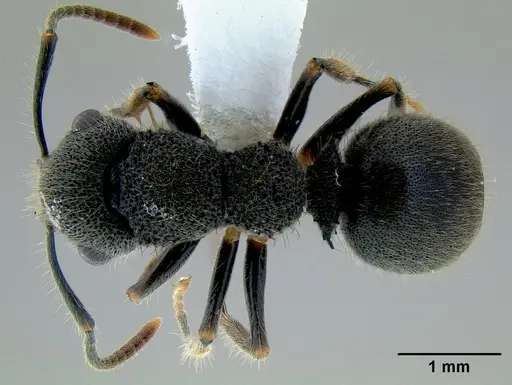
CASENT0172010
View on AntWeb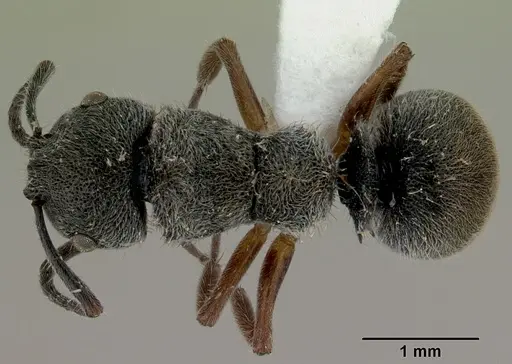
CASENT0172011
View on AntWeb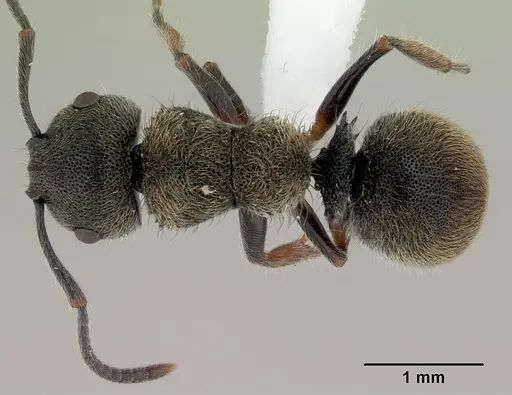
CASENT0280334
View on AntWeb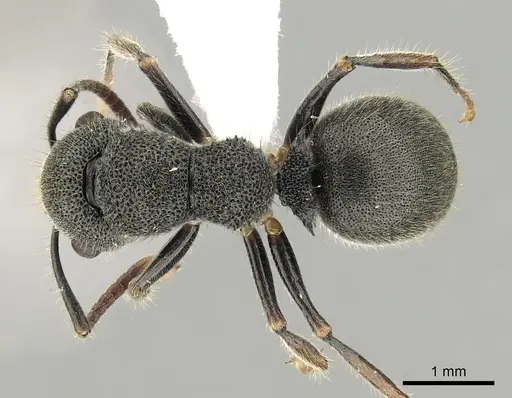
CASENT0903471
View on AntWeb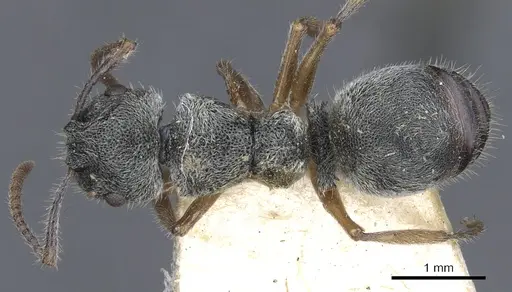
CASENT0910966
View on AntWeb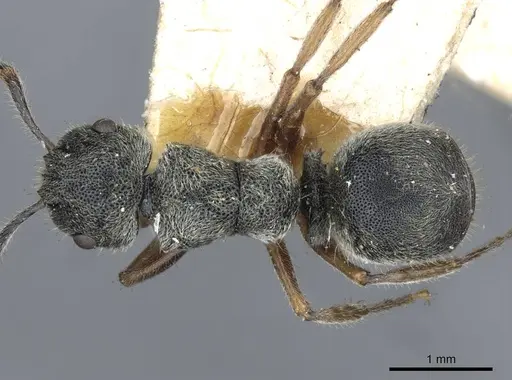
Literature
Loading...Loading products...