

Echinopla angustata
- Scientific Name
- Echinopla angustata
- Tribe
- Camponotini
- Subfamily
- Formicinae
- Author
- Zettel & Laciny, 2015
- Distribution
- Found in 1 countries
Echinopla angustata Overview
Echinopla angustata is an ant species of the genus Echinopla. It is primarily documented in 1 countries , including Malaysia. Detailed taxonomic data and occurrence records can be further explored via authoritative databases such as AntWeb or the Global Biodiversity Information Facility (GBIF).
Echinopla angustata
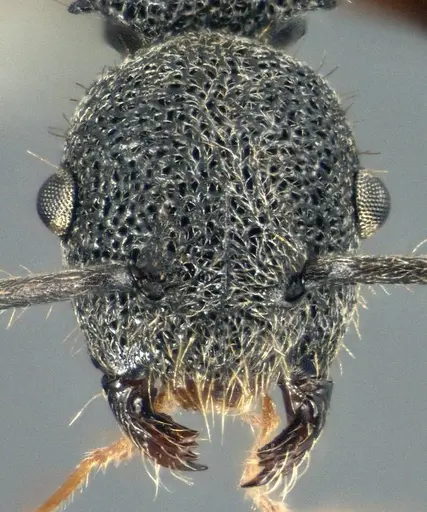
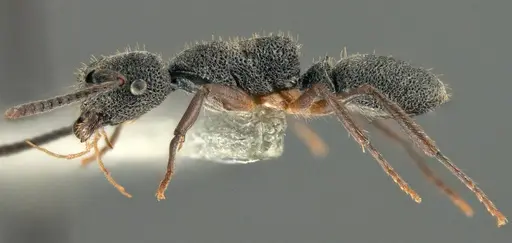
Echinopla angustata is a small, slender ant species from the Philippines, specifically Negros Island. Workers measure 4.6-4.8mm and have a distinctive appearance, they're predominantly black with a greyish cast from dense white pilosity (short hairs) covering their body. The head is longer than wide, and the mesosoma is unusually elongated, almost twice as long as the pronotal width. One of their most notable features is the pair of sharp tubercles on the pronotum (the first segment of the mid-body), and the petiole has dorsal spines. The body surface has a polyporous texture with closely set pores, giving them a somewhat textured appearance. This species belongs to the Echinopla serrata species group and was only described in 2015,making it a relatively newly described species.
Quick Summary
- Difficulty: Unknown, no captive care data available
- Origin & Habitat: Philippines, Negros Island, Negros Oriental Province. Found in the Valencia area near Casaroro Falls in the Cuernos de Negros mountains [1]. The type locality is a forested hillside area at moderate elevation.
- Colony Type: Unknown, only worker caste has been described. Colony structure (single queen vs multiple queens) has not been documented.
- Size & Growth:
- Antkeeping:
- Temperature: Inferred: Keep at tropical room temperature (24-28°C). This species comes from Negros Island in the Philippines, which has a warm, humid tropical climate. Start in the mid-range and observe colony activity.
- Humidity: Inferred: Likely requires moderate to high humidity (60-80%) based on the Philippine rainforest origin. Keep substrate consistently moist but not waterlogged.
- Diapause: No, this is a tropical species from the Philippines. No hibernation period is expected.
- Nesting: Inferred: Likely nests in rotting wood or under stones in humid forest floor conditions. In captivity, a naturalistic setup with moist substrate or a Y-tong/plaster nest would be appropriate. The polyporous body surface suggests they may favor humid nest conditions.
- Behavior: Behavior is unstudied. Based on genus typical behavior and Formicinae patterns, they are likely moderate foragers with some defensive capabilities. Their small size (under 5mm) means escape prevention should be taken seriously, use fine mesh and tight-fitting lids. The tubercles and spines suggest they may have some defensive adaptations, but sting capability in this genus is not well documented.
- Common Issues: no captive husbandry data exists, this is one of the least-studied ant species in the hobby, queen caste unknown, cannot confirm founding requirements or colony structure, tropical origin means temperature control is critical, avoid cold conditions, escape prevention is important given their small size despite spines, wild-caught colonies may be difficult to establish due to unknown requirements
Species Discovery and Taxonomy
Echinopla angustata is a recently described species, formally named in 2015 by Herbert Zettel and Alice Laciny. The species name 'angustata' comes from Latin, meaning 'narrow' or 'slender', which perfectly describes this ant's distinctive body shape. The type specimens were collected from the Philippines, Negros Island, specifically from the Valencia area near Casaroro Falls in the Cuernos de Negros mountains. The original collection dates were March 2005 and March 2008. This species belongs to the Echinopla serrata species group, which is characterized by their spiny petioles and distinctive body sculpturing. Currently, only the worker caste has been described, the queen and male castes remain unknown. [1][2]
Identification and Physical Characteristics
Workers of Echinopla angustata are small and slender, measuring 4.6-4.8mm in total length. The most distinctive feature is their elongated mesosoma, almost twice as long as the pronotal width, giving them a notably slender appearance compared to other Echinopla species. The head is longer than wide with a cephalic index of 93-94. They have one pair of sharp tubercles on the pronotum, while other mesosomal tubercles are hardly developed. The petiole has one pair of dorsal spines with prominent lateral spines but no additional dentition below. The body surface is polyporous, covered in closely set, relatively large pores. Coloration is predominantly black without metallic shimmer, appearing grey due to dense white pilosity. Legs are black to dark brown, with yellowish coloration on the middle and hind coxae, all trochanters, and bases of femora. [1]
Distribution and Natural Habitat
This species is known only from Negros Island in the Philippines, making it an endemic species to that region. Negros is one of the larger islands in the Philippine archipelago, located in the Visayas region. The type locality near Casaroro Falls in the Cuernos de Negros mountains suggests a forested hillside habitat at moderate elevation. The Philippines has a tropical climate with high humidity year-round. The collection dates in March coincide with the dry season in the Philippines, but the area near waterfalls would maintain consistent moisture. Nothing is known about their specific nesting preferences in the wild, but related Echinopla species typically nest in rotting wood or under stones in humid forest environments. [1][2]
Current State of Knowledge
Echinopla angustata represents one of the least-studied ant species available in the antkeeping hobby. Literally nothing is known about their biology in captivity or in the wild, no observations on colony size, founding behavior, diet, nuptial flight timing, or any aspect of their natural history have been published. Only the worker caste has been described, the queen caste remains unknown. This makes keeping Echinopla angustata essentially an experimental endeavor. Any successful husbandry information would be a genuine contribution to antkeeping knowledge. Keepers attempting this species should be prepared to document their observations carefully and be prepared for setbacks given the complete lack of established care protocols. [2]
Housing and Care Recommendations
Since no captive care data exists, recommendations must be inferred from related species and the species' origin. Given the Philippine tropical origin, maintain warm temperatures in the range of 24-28°C with moderate to high humidity around 60-80%. A naturalistic setup with moist substrate would likely be appropriate, similar to setups used for other tropical Formicinae. The small worker size (under 5mm) means excellent escape prevention is critical, use fine mesh barriers and tight-fitting lids. Start with a simple setup like a test tube or small container with moist cotton, and only expand to larger formicaria once the colony is established and growing. Given the complete lack of knowledge about their requirements, approach keeping this species as an experimental project and be prepared to adjust conditions based on colony response.
Frequently Asked Questions
How long do Echinopla angustata workers live?
This has not been studied. Based on typical Formicinae patterns, workers likely live several months to over a year, but specific lifespan data does not exist for this species.
What do Echinopla angustata ants eat?
Diet is completely unstudied for this species. As a Formicinae ant, they likely consume honeydew from aphids and small insects, similar to related genera like Camponotus. Offer sugar water/honey and small protein sources like fruit flies or small mealworms, but acceptance is completely unconfirmed.
How big do Echinopla angustata colonies get?
Colony size is completely unknown. No observations of mature colonies have been published. Related Echinopla species typically form colonies of several hundred workers, but this is an estimate with no direct evidence.
Can I keep multiple Echinopla angustata queens together?
This is unknown. The colony structure (monogyne vs polygyne) has not been documented. Until queen biology is understood, combining unrelated queens is not recommended.
What temperature should I keep Echinopla angustata at?
Based on their Philippine origin, aim for 24-28°C. This is a tropical species that likely does not tolerate cool temperatures. Use a heating cable on one side of the nest if room temperature is below this range.
Do Echinopla angustata need hibernation?
No, this is a tropical species from the Philippines where temperatures remain warm year-round. No diapause or hibernation period is expected.
How long does it take for Echinopla angustata to develop from egg to worker?
This is completely unknown, no development data exists for this species. Based on typical tropical Formicinae, development might take 4-8 weeks at optimal temperature, but this is a rough estimate only.
Is Echinopla angustata good for beginners?
No, this species is not recommended for beginners. There is zero captive husbandry data available, making successful keeping extremely uncertain. The species should only be attempted by experienced antkeepers willing to document experimental care conditions.
When do Echinopla angustata have nuptial flights?
Nuptial flight timing is completely unknown. No reproductive behavior has been documented for this species. The collection dates in March may suggest reproductive activity around that time, but this is speculative.
What nest type is best for Echinopla angustata?
No established protocol exists. Based on inferred preferences for humid forest floor conditions, a Y-tong or plaster nest with moisture retention would be appropriate. A naturalistic setup with moist soil and hiding structures may also work. Start small and expand as the colony grows.
Why is my Echinopla angustata colony dying?
Without any established care parameters, colony failure is extremely likely. Common issues likely include incorrect temperature (too cold), incorrect humidity (too dry), stress from poor escape prevention, or simply unknown requirements this species needs that we haven't identified yet.
References

This caresheet is licensed under CC BY-SA 4.0 .
CASENT0914944
View on AntWeb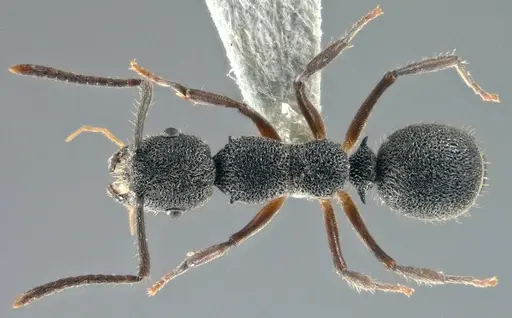
Literature
Loading...Loading products...