

Dorymyrmex wolffhuegeli
- Scientific Name
- Dorymyrmex wolffhuegeli
- Tribe
- Leptomyrmecini
- Subfamily
- Dolichoderinae
- Author
- Forel, 1911
- Distribution
- Found in 1 countries
Dorymyrmex wolffhuegeli Overview
Dorymyrmex wolffhuegeli is an ant species of the genus Dorymyrmex. It is primarily documented in 1 countries , including Argentina. Detailed taxonomic data and occurrence records can be further explored via authoritative databases such as AntWeb or the Global Biodiversity Information Facility (GBIF).
Dorymyrmex wolffhuegeli
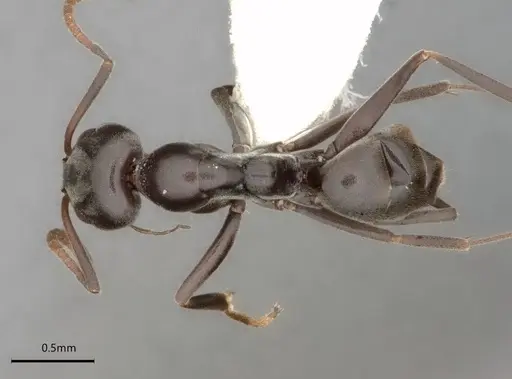
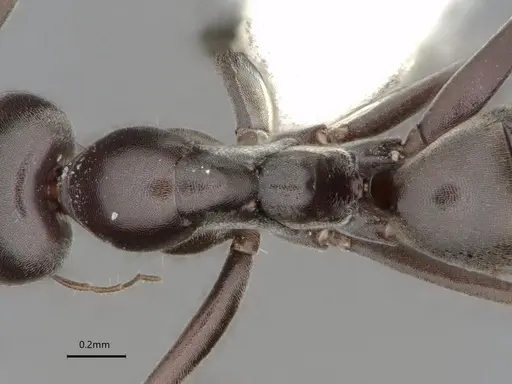
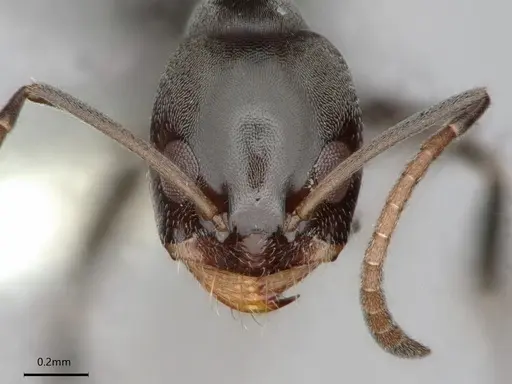
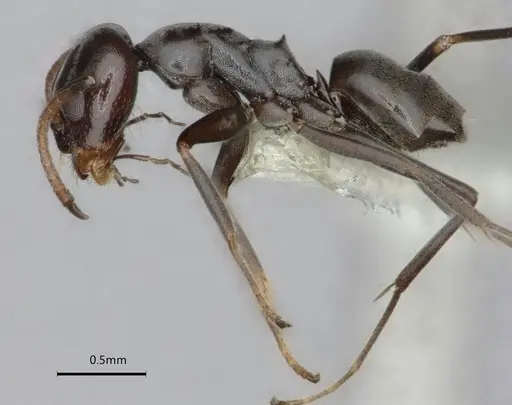
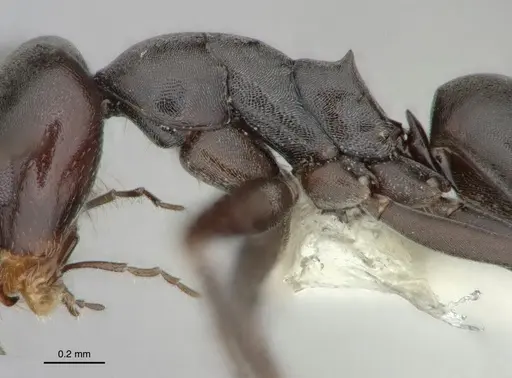
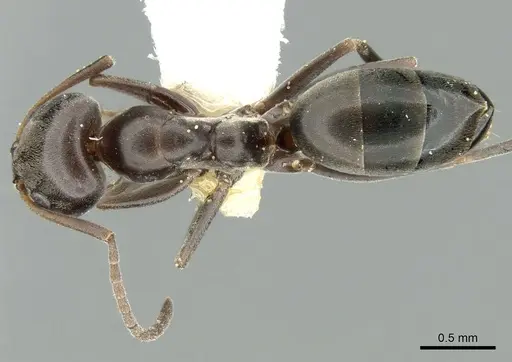
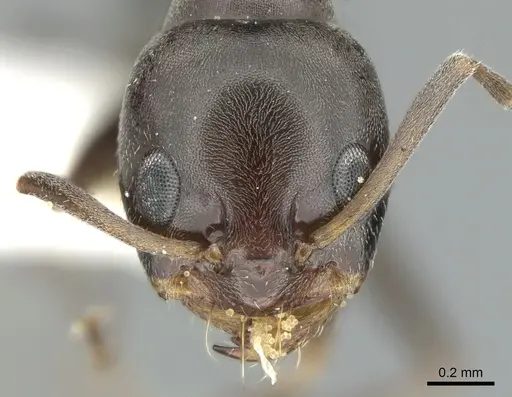
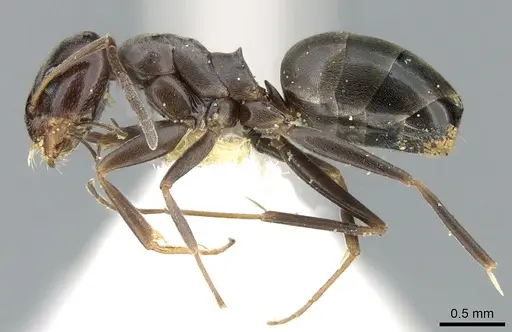
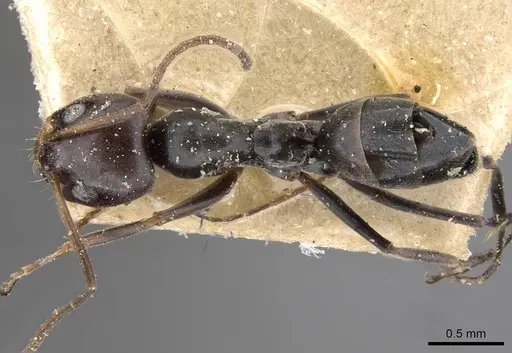
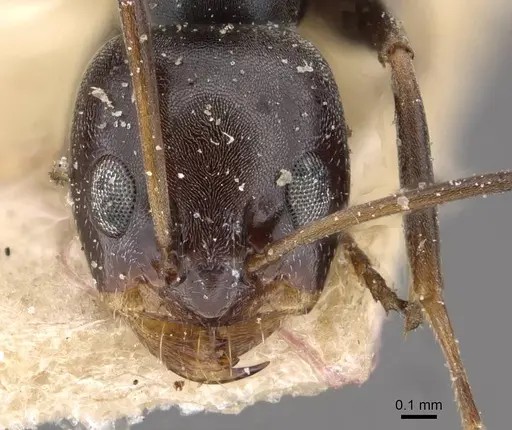
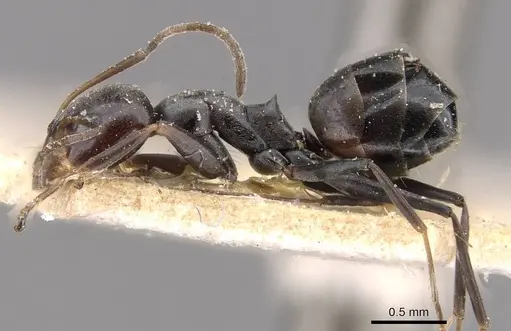
Dorymyrmex wolffhuegeli is a small ant species belonging to the Dolichoderinae subfamily, commonly known as pyramid ants due to their distinctive pyramid-shaped propodeum. Workers are tiny, typically measuring around 2-2.5mm, making them one of the smaller ant species you'll encounter. They feature the characteristicpsammophore (a brush of hairs used for carrying sand grains) that is more robust than many related species, with longer and more numerous setae. This species is restricted to Argentina and southern Brazil, with likely presence in Paraguay and Uruguay based on distribution patterns [1]. They belong to the wolffhuegeli species group, which is characterized by more standing hairs on the clypeus, frons, and pronotum compared to other Dorymyrmex species [1].
This species represents a poorly studied member of a genus that generally prefers open, warm habitats. While specific behaviors are not well documented, Dorymyrmex ants are typically ground-nesting species that create small colonies and are known for their relatively peaceful temperament. The wolffhuegeli group species tend to be tiny, which influences their care requirements, particularly their escape prevention needs.
Quick Summary
- Difficulty: Easy
- Origin & Habitat: Native to the Neotropical region, specifically Argentina and southern Brazil, with likely presence in Paraguay and Uruguay. They inhabit the Caldenal district of Argentina and likely prefer open, sandy or disturbed areas typical of the genus [2][1].
- Colony Type: Monogyne (single-queen) colonies based on typical Dorymyrmex patterns. Colony size is small, typically reaching a few hundred workers at most.
- Colony: Monogyne
- Founding: Claustral
- Size & Growth:
- Queen: Estimated 4-5mm based on genus patterns for small Dorymyrmex species
- Worker: 2-2.5mm [1]
- Colony: Likely a few hundred workers based on typical genus behavior
- Growth: Moderate, typical for small Dolichoderinae
- Development: Estimated 6-8 weeks at warm temperatures based on related Dorymyrmex species patterns (Development time is estimated from genus-level data since species-specific studies are lacking. Warm temperatures will accelerate development.)
- Antkeeping:
- Temperature: Keep at 24-28°C. These are warm-climate ants from Argentina and southern Brazil, so they benefit from gentle heating. Room temperature in most homes should suffice, but a heating cable on one side of the nest can help if your space runs cool.
- Humidity: Low to moderate. Dorymyrmex species prefer drier conditions compared to many ants. Keep the nest substrate moderately dry, allowing it to fully dry between water additions. Avoid constant moisture.
- Diapause: Likely minimal or no true diapause. As a species from subtropical Argentina, they may slow down slightly during cooler winter months but probably don't require a full hibernation period. Keep them at room temperature year-round.
- Nesting: Natural nesting occurs in open ground, often in sandy or disturbed soils. In captivity, a Y-tong (AAC) nest or test tube setup works well. Use relatively dry substrate, these ants do not need high humidity nests.
- Behavior: Generally peaceful and non-aggressive. Workers are small and typically not territorial. They are active foragers that search for sugar sources and small prey. Their tiny size (2-2.5mm) means escape prevention is critical, they can squeeze through remarkably small gaps. They are not known to sting and pose no danger to keepers.
- Common Issues: tiny size means escapes are likely without fine mesh barriers, dry habitat preferences mean overwatering can be fatal, slow founding phase typical of claustral queens, patience is required, limited species-specific information means some care is based on genus patterns rather than direct studies, small colony sizes mean they are sensitive to disturbance
Housing and Nest Setup
Dorymyrmex wolffhuegeli is a tiny ant that requires careful attention to escape prevention. Use test tubes for founding colonies, a standard test tube setup with a cotton barrier works well for the claustral founding phase. Once the colony establishes (after first workers arrive), you can keep them in the test tube or move to a small formicarium. A Y-tong (AAC) nest with narrow chambers scaled to their tiny size works excellently. These ants prefer drier conditions than many species, so avoid setups that retain excessive moisture. Use fine mesh on any ventilation holes, these tiny ants can squeeze through standard mesh that would hold back larger species. [1]
Feeding and Diet
Like other Dorymyrmex species, these ants are opportunistic feeders that accept both sugar sources and protein. Offer sugar water, honey, or diluted maple syrup as a constant sugar source. For protein, provide small prey items like fruit flies, pinhead crickets, or mealworm pieces. Given their tiny worker size (2-2.5mm), prey items must be appropriately small. They are not specialized predators, so standard ant feeding protocols apply. Remove uneaten prey after 24-48 hours to prevent mold. Feed protein roughly twice per week, and keep sugar water available at all times.
Temperature and Seasonal Care
As a species from Argentina and southern Brazil, Dorymyrmex wolffhuegeli prefers warm conditions. Maintain temperatures between 24-28°C for optimal colony health and development. They can tolerate slightly cooler temperatures but growth will slow. Unlike temperate species, they likely do not require a true hibernation period. During winter, simply reducing temperature slightly (to around 18-22°C) to match cooler room conditions is sufficient. Avoid keeping them in cold areas, these are warm-adapted ants. A small heating cable on part of the nest can create a temperature gradient if your room runs cool. [1]
Colony Development and Growth
Colony growth follows the typical claustral pattern. The queen seals herself in a small chamber and raises the first brood alone, living off her stored fat reserves. First workers (nanitics) will be smaller than mature workers but functional. Development from egg to worker likely takes 6-8 weeks at optimal warm temperatures, based on genus-level patterns. Growth rate is moderate, not particularly fast but steady under good conditions. Colonies remain relatively small, typically reaching only a few hundred workers even at maturity. This makes them well-suited for keepers who want a manageable colony size that doesn't require massive enclosures. [1]
Behavior and Temperament
Dorymyrmex wolffhuegeli is a peaceful species that poses no threat to keepers. Workers are small, non-aggressive, and unlikely to bite or sting. They are active foragers that search systematically for food. Their tiny size means they are excellent at finding small food items but also excellent at escaping through tiny gaps. Always use escape prevention measures, apply Fluon or similar barriers to any setup, and ensure all connections are tight. Workers are not particularly territorial and colonies are not aggressive toward each other. They can be kept in multi-queen setups during founding if you wish to attempt pleometrosis, though this is not typically necessary for this species.
Frequently Asked Questions
How long does it take for Dorymyrmex wolffhuegeli to produce first workers?
First workers typically appear in 6-8 weeks after the queen lays her first eggs, assuming warm temperatures (24-28°C). This is based on genus-level patterns since species-specific development data is not available.
What do Dorymyrmex wolffhuegeli ants eat?
They accept both sugar and protein. Offer sugar water, honey, or maple syrup as a constant sugar source. For protein, provide small prey like fruit flies, tiny crickets, or mealworm pieces. Prey must be small given their tiny 2-2.5mm worker size.
What temperature do Dorymyrmex wolffhuegeli ants need?
Keep them warm at 24-28°C. They are warm-climate ants from Argentina and southern Brazil. Room temperature in most homes is usually adequate, but a heating cable on part of the nest can help if needed.
How big do Dorymyrmex wolffhuegeli colonies get?
Colonies remain relatively small, typically reaching only a few hundred workers at maximum. This is typical for small Dorymyrmex species.
Do Dorymyrmex wolffhuegeli need hibernation?
Probably not. As a subtropical species from Argentina, they likely do not require a true hibernation period. Simply keeping them at room temperature year-round is sufficient, with slight cooling during winter being acceptable but not required.
Are Dorymyrmex wolffhuegeli good for beginners?
Yes, they are considered easy to keep. They are small, peaceful, and have straightforward care requirements. The main challenges are their tiny size (requiring good escape prevention) and the fact that some care is based on genus patterns rather than species-specific studies.
What size are Dorymyrmex wolffhuegeli workers?
Workers are tiny at 2-2.5mm, making them among the smaller ant species commonly kept. Queens are estimated at 4-5mm based on genus patterns.
How do I prevent Dorymyrmex wolffhuegeli from escaping?
Escape prevention is critical due to their tiny size. Apply Fluon or similar barrier gel to all edges and connections. Use fine mesh for any ventilation. Check all tube connections and lid seals regularly. These tiny ants can squeeze through gaps that would hold back larger species.
Can I keep multiple Dorymyrmex wolffhuegeli queens together?
This species is typically monogyne (single queen), but combining unrelated foundress queens (pleometrosis) has not been specifically studied. Based on typical Dorymyrmex behavior, it's best to start with a single queen to avoid fighting.
References

This caresheet is licensed under CC BY-SA 4.0 .
Literature
Loading...Loading products...