

Dorymyrmex thoracicus
- Scientific Name
- Dorymyrmex thoracicus
- Tribe
- Leptomyrmecini
- Subfamily
- Dolichoderinae
- Author
- Gallardo, 1916
- Distribution
- Found in 3 countries
Dorymyrmex thoracicus Overview
Dorymyrmex thoracicus is an ant species of the genus Dorymyrmex. It is primarily documented in 3 countries , including Argentina, Brazil, Paraguay. Detailed taxonomic data and occurrence records can be further explored via authoritative databases such as AntWeb or the Global Biodiversity Information Facility (GBIF).
Dorymyrmex thoracicus
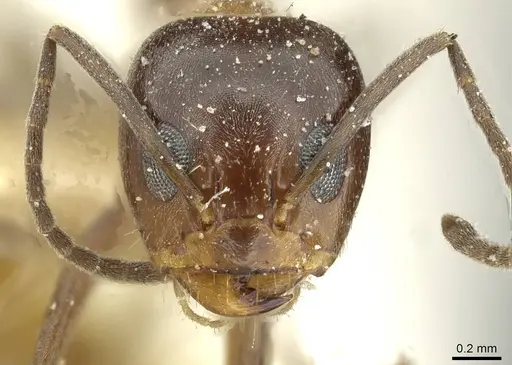
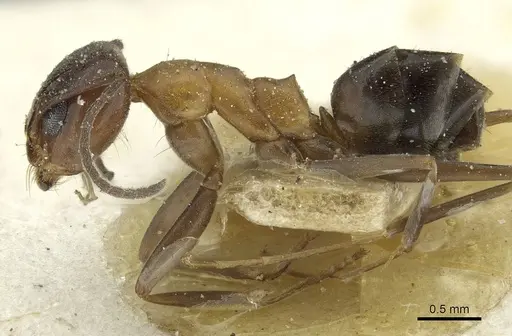
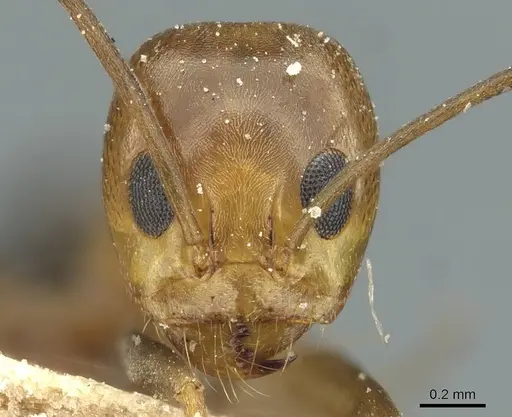
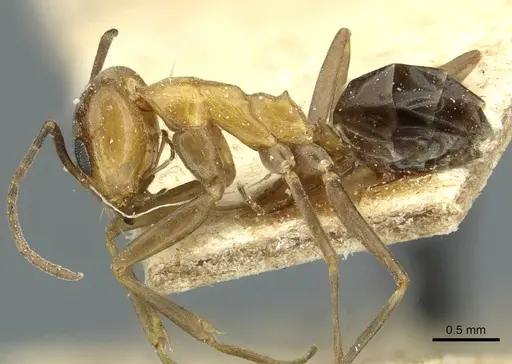
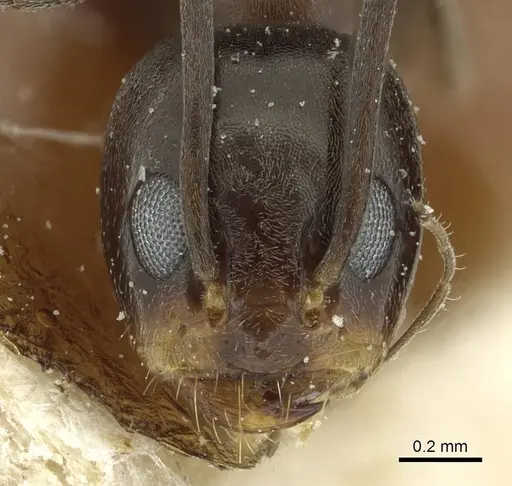
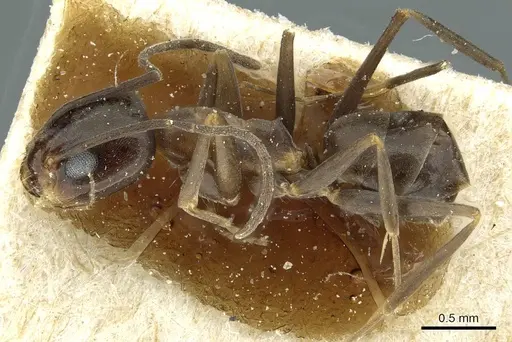
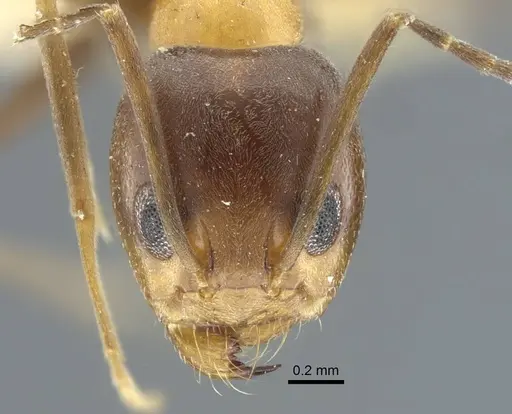
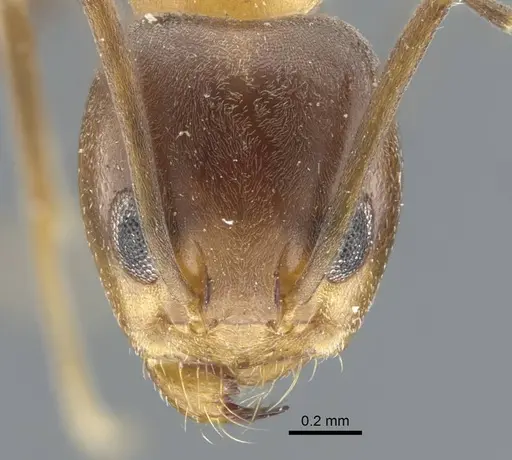
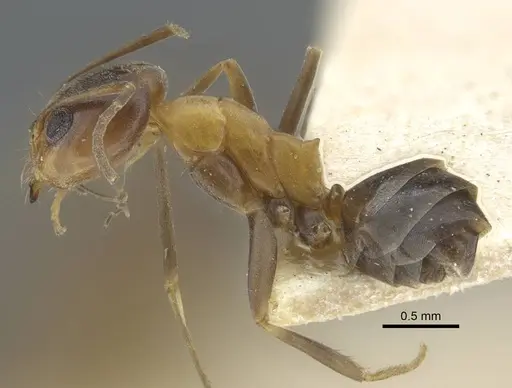
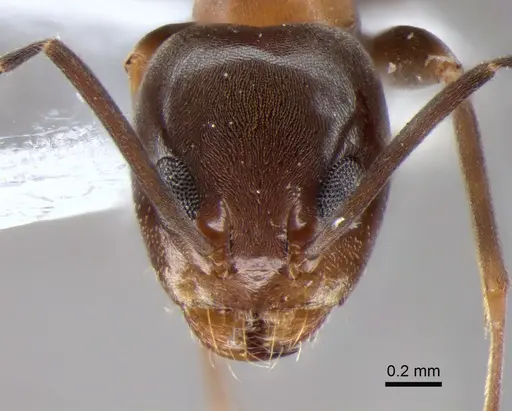
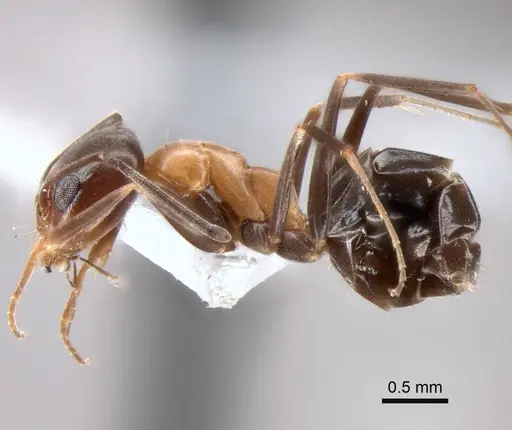
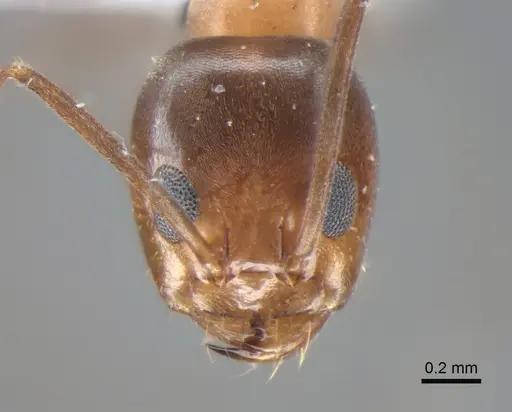
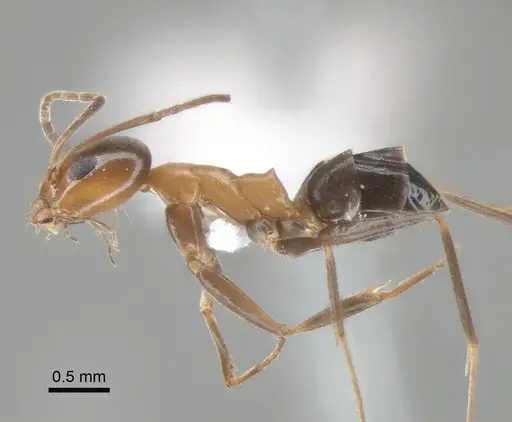
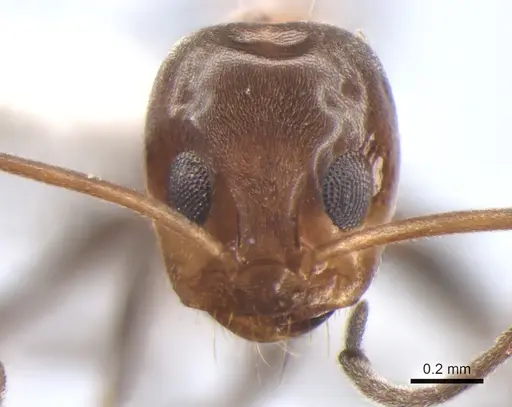
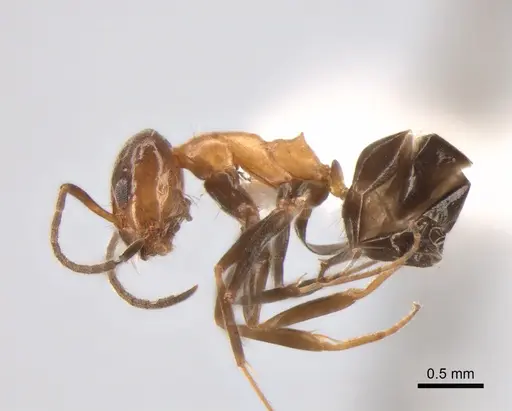
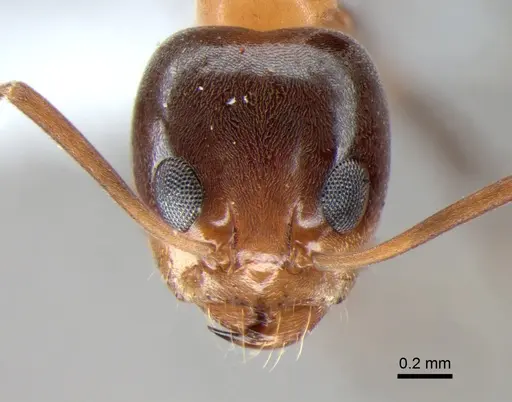
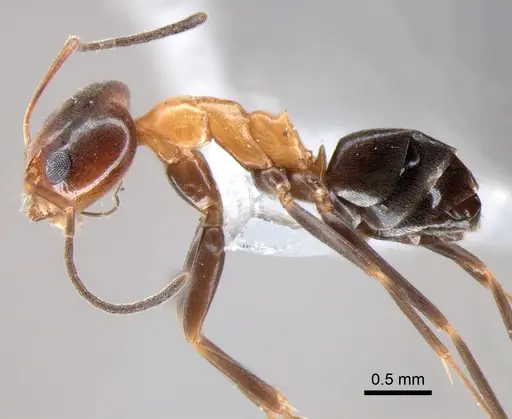
Dorymyrmex thoracicus is a small to medium-sized ant belonging to the Dolichoderinae subfamily. Workers measure around 3-4mm and display the characteristic pyramicus group coloration, typically dark brown to black with a lighter yellowish or reddish-brown gaster. The species gets its name from the thorax, which often shows distinctive reddish markings. This ant is native to the Neotropical region, found across Argentina, Brazil, Paraguay, and Venezuela, where it inhabits diverse environments from the Pantanal wetlands to Caatinga dry forests and Cerrado savannas [1].
What makes D. thoracicus interesting is its ecological flexibility. It ranks among the 50 most frequently recorded ant species in Paraguay with 28 documented records, indicating a successful and adaptable forager [2]. The species forms a sister lineage to D. brunneus within the pyramicus group and has been documented nesting in Cecropia trees, a plant that often forms mutualistic relationships with ants. This arboreal nesting behavior is notable for a genus typically considered ground-dwelling.
Quick Summary
- Difficulty: Easy
- Origin & Habitat: Native to the Neotropical region: Argentina, Brazil, Paraguay, and Venezuela. Found in diverse habitats including Pantanal wetlands, Caatinga dry forests, Cerrado savannas, and Amazon-Cerrado transition zones. Typically nests in soil or rotting wood, with documented arboreal nesting in Cecropia trees [2][3][4][5].
- Colony Type: Likely monogyne (single queen colony) based on typical Dorymyrmex patterns. No specific data on colony structure for this species, but related species in the pyramicus group typically establish single-queen colonies.
- Colony: Monogyne
- Founding: Claustral
- Size & Growth:
- Queen: Estimated 5-7mm based on genus Dorymyrmex patterns
- Worker: Estimated 3-4mm based on genus Dorymyrmex patterns
- Colony: Likely moderate, similar to related Dorymyrmex species, possibly several hundred workers
- Growth: Moderate, typical for tropical Dolichoderinae
- Development: Estimated 6-8 weeks based on typical Dorymyrmex development at warm temperatures (Development likely faster in warmer conditions given tropical distribution)
- Antkeeping:
- Temperature: Keep at 24-28°C. These are warm-climate ants native to tropical and subtropical South America, so they handle heat well. A heating cable on one side of the nest creates a gradient allowing workers to self-regulate [1].
- Humidity: Moderate humidity around 50-70%. Provide a water tube as a moisture source. The species tolerates drier conditions better than many ants given its presence in Caatinga environments [5].
- Diapause: Likely minimal or no true diapause. As a tropical species, expect year-round activity with possible slowdown during cooler months. No specific hibernation data available.
- Nesting: Will readily accept test tube setups or Y-tong nests. Provide moist substrate (cotton or soil) for brood chambers. Can also be kept in naturalistic setups with soil and flat stones for cover. The species tolerates various nesting conditions from arboreal (Cecropia trees) to ground-level.
- Behavior: Dorymyrmex thoracicus is an opportunistic forager, typical of the O/DD (Opportunist/Dominant Dolichoderinae) functional group assigned in Argentine studies [6]. Workers actively search for honeydew, nectar, and small insects. They are not particularly aggressive toward humans and lack a painful sting, making them beginner-friendly. Their small size means escape prevention should be taken seriously, use tight-fitting lids and barrier gel on edges. Workers are fast-moving and alert, typical of pyramid ants.
- Common Issues: escape prevention is critical due to small worker size, they can squeeze through standard gaps, limited specific care data means keepers should monitor colony response and adjust conditions, tropical species may struggle in cool rooms below 20°C, wild-caught colonies may have parasites or stress from collection/transit, test tube setups require careful water management to prevent flooding
Housing and Nest Setup
Dorymyrmex thoracicus adapts well to standard antkeeping setups. Test tube colonies work excellently for founding colonies, use a standard test tube with a cotton ball separating the water reservoir from the ants. For established colonies, Y-tong (acrylic) nests or plaster nests provide good visibility and humidity control. A small outworld for foraging allows workers to hunt and collect food.
For substrate, these ants are not picky. You can use plain cotton for test tubes, or add a thin layer of soil/gravel in the foraging area for enrichment. Since they've been found nesting in Cecropia trees in the wild, they can handle some vertical space, but horizontal floor space matters more for colony growth. A formicarium with chambers roughly 5-10mm deep suits their size.
Escape prevention deserves attention. Workers are small (around 3-4mm) and can slip through gaps that larger ants would miss. Apply fluon or barrier gel to the edges of any lid, and ensure any connections between nest and outworld are snug. These ants are active and curious, so they'll investigate any potential exit.
Feeding and Diet
Like other Dorymyrmex species, D. thoracicus is an opportunistic feeder with a sweet tooth. Workers will readily accept sugar water, honey, or diluted nectar. They also hunt small insects, flightless fruit flies, small crickets, and mealworm pieces work well. In the wild, they visit extrafloral nectaries (special nectar-producing structures on plants) and tend honeydew-producing insects like aphids and scale insects [7].
Feed sugar sources constantly, a small dish of sugar water or honey droplet in the outworld should be available. Protein in the form of small insects should be offered 2-3 times per week, more frequently if you have a growing colony with larvae. Remove uneaten prey after 24 hours to prevent mold.
These ants are foragers rather than raiders, so they won't take down large prey. Keep portions small and appropriately sized. The O/DD functional group classification indicates they're opportunistic and quick to exploit food sources [6].
Temperature and Seasonal Care
Being native to tropical and subtropical South America, D. thoracicus prefers warm conditions. Keep the nest area at 24-28°C for optimal brood development. A heating cable placed on one side of the nest creates a temperature gradient that lets workers choose their comfort zone. Room temperature (22-25°C) in a heated home is usually acceptable.
As a tropical species, they don't require true hibernation. You may notice reduced activity during winter months if your room cools down, but this is not a diapause requirement. Simply maintain normal care, they'll slow down naturally but remain alive and active if kept warm.
Avoid temperatures below 18°C for extended periods, as this species is not cold-hardy. If your ant room gets cool in winter, consider using a small heat mat or placing the colony in a warmer location. The species has been found across diverse Brazilian and Argentine climates, from the hot Pantanal to cooler southern regions, so they have some flexibility, but warmth promotes growth. [1]
Colony Founding
Dorymyrmex thoracicus queens likely follow the claustral founding pattern typical of Dolichoderinae. After mating, the queen finds a small cavity, in the wild this might be in soil, under a stone, or even in a Cecropia tree hollow. She seals herself in and lays her first eggs, feeding the larvae from her stored fat reserves until the first workers emerge.
For captive founding, provide a mated queen with a small test tube setup, a few centimeters of water reservoir with cotton, placed in darkness. Leave her completely alone for 2-3 weeks, then check gently for eggs. She should not be fed during founding, claustral queens survive entirely on their body reserves. First workers (nanitics) will be smaller than normal workers but will then take over foraging duties.
Colony growth is moderate. Expect the first nanitics within 4-6 weeks under warm conditions (26-28°C), then gradual growth over several months to a year before the colony reaches several dozen workers.
Behavior and Temperament
D. thoracicus workers are active, alert foragers rather than aggressive defenders. They won't bite painfully if handled (though they may try to escape), and they lack a significant sting. This makes them excellent for beginners or anyone who wants an observable, non-threatening ant species.
The species shows typical Dorymyrmex behavior: workers patrol actively, recruit nestmates to food sources, and maintain clean nests. They're not known for the dramatic territorial behaviors of some Dolichoderines like the invasive Argentine ant, but they're efficient foragers.
One behavioral note: they're small and fast-moving. When you open the nest or outworld, watch for escapes, these ants don't hesitate to bolt when given the chance. Have a spray bottle with water ready to gently direct them back if needed, and always close up quickly.
Frequently Asked Questions
How long does it take for Dorymyrmex thoracicus to produce first workers?
Expect first workers (nanitics) in 6-8 weeks under optimal warm conditions (26-28°C). This is typical for Dorymyrmex species in captivity. The queen is claustral, she seals herself in and raises the first brood alone using stored fat reserves.
Can I keep Dorymyrmex thoracicus in a test tube?
Yes, test tubes work excellently for this species. Use a standard setup with a water reservoir separated by cotton. The small worker size (around 3-4mm) means you can use standard test tubes without concerns about space. Just ensure excellent escape prevention, these small ants can slip through tiny gaps.
What do Dorymyrmex thoracicus ants eat?
They have a sweet tooth and will readily accept sugar water, honey, or nectar. They also need protein from small insects like fruit flies, small crickets, or mealworm pieces. Feed sugar constantly and protein 2-3 times per week.
What temperature do Dorymyrmex thoracicus ants need?
Keep them warm at 24-28°C. As tropical Neotropical ants, they handle heat well. A heating cable on part of the nest creates a gradient. Room temperature in a heated home (22-25°C) is acceptable, but warmer temperatures promote faster growth.
How big do Dorymyrmex thoracicus colonies get?
Based on related species, colonies likely reach several hundred workers over 1-2 years. They're not among the largest Dorymyrmex species but can form substantial colonies. Growth is moderate, not particularly fast or slow.
Do Dorymyrmex thoracicus ants need hibernation?
No true hibernation is required. As a tropical species, they remain active year-round if kept warm. You might see reduced activity in cooler months, but this is just natural slowdown, not a diapause requirement.
Are Dorymyrmex thoracicus good for beginners?
Yes, this is an excellent beginner species. They're small but hardy, don't require special care, lack a painful sting, and are active and interesting to watch. Just pay attention to escape prevention due to their small size.
Why are my Dorymyrmex thoracicus dying?
Common causes include: temperatures below 18°C (they're tropical and need warmth), poor escape prevention (check for tiny gaps), mold from overwatering or uneaten food, or stress from wild-caught colonies. Ensure warm temperatures, clean housing, and remove uneaten prey promptly.
When should I move Dorymyrmex thoracicus to a formicarium?
Move them when the test tube colony reaches 30-50 workers and the water reservoir is getting low or the space feels cramped. A Y-tong or plaster nest works well. Make the transition gradual, connect the test tube to the new nest and let them explore before sealing the old setup.
References

This caresheet is licensed under CC BY-SA 4.0 .
CASENT0173855
View on AntWeb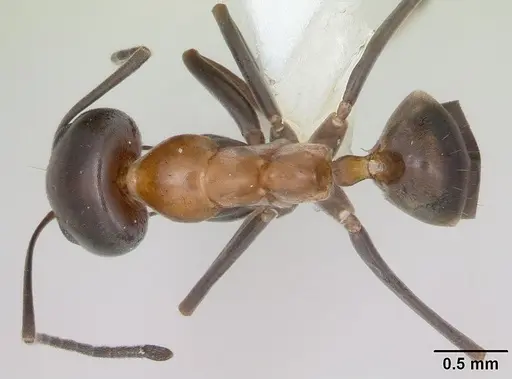
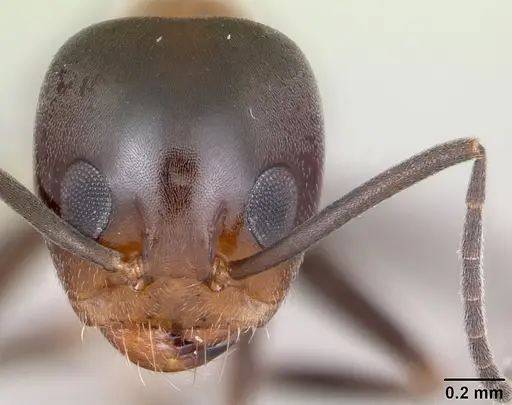
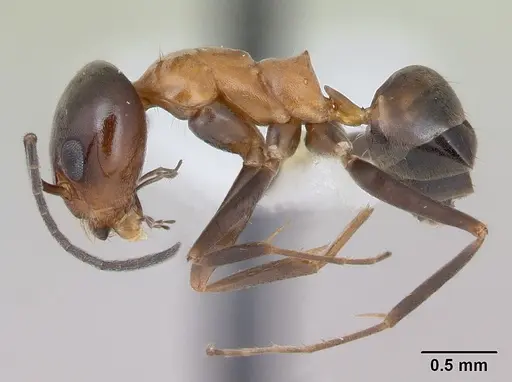
CASENT0911535
View on AntWeb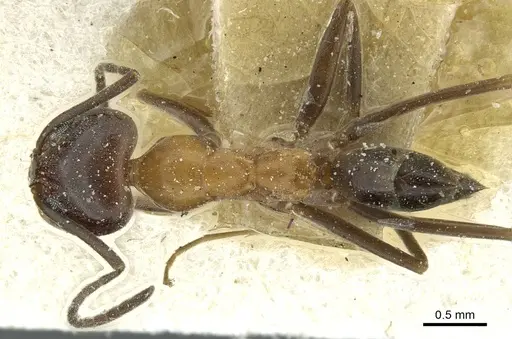
CASENT0911536
View on AntWeb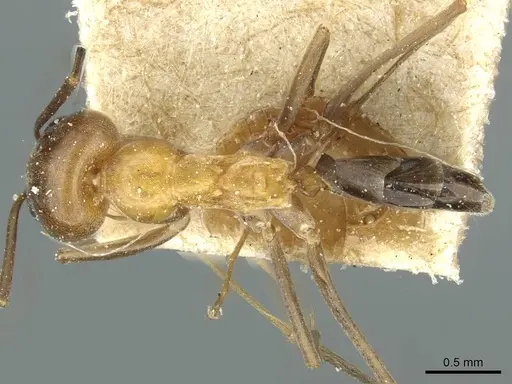
CASENT0911537
View on AntWeb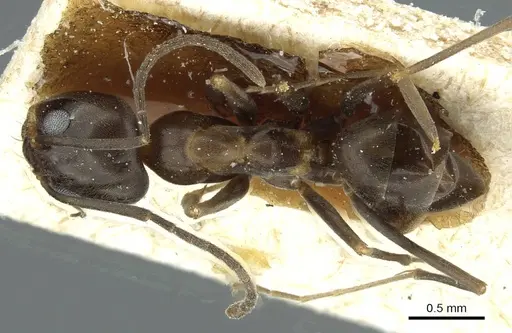
CASENT0917126
View on AntWeb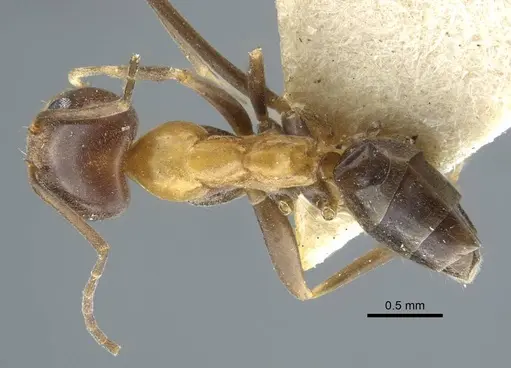
DZUP517826
View on AntWeb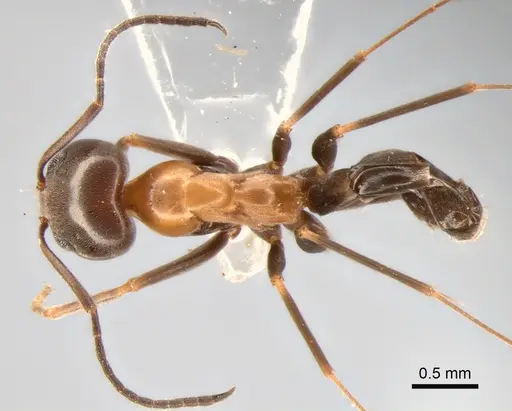
DZUP517952
View on AntWeb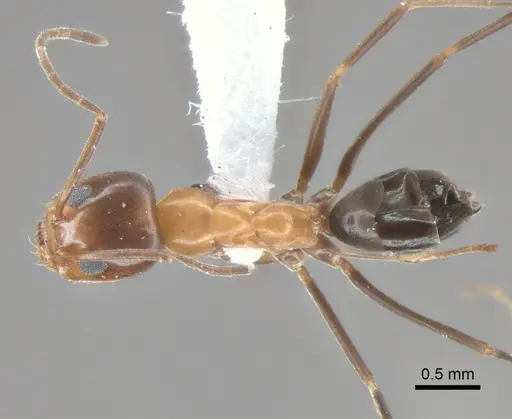
DZUP517975
View on AntWeb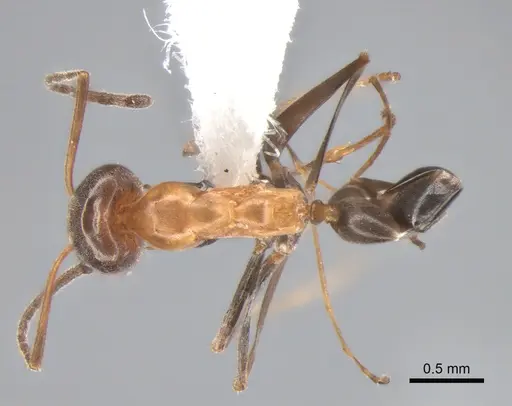
DZUP517987
View on AntWeb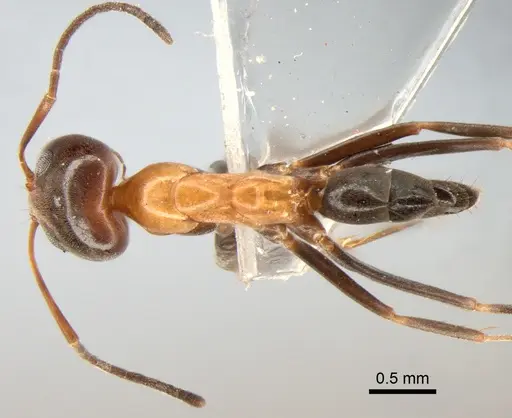
Literature
Loading...Loading products...