

Dorymyrmex tener
- Scientific Name
- Dorymyrmex tener
- Tribe
- Leptomyrmecini
- Subfamily
- Dolichoderinae
- Author
- Mayr, 1868
- Distribution
- Found in 2 countries
Dorymyrmex tener Overview
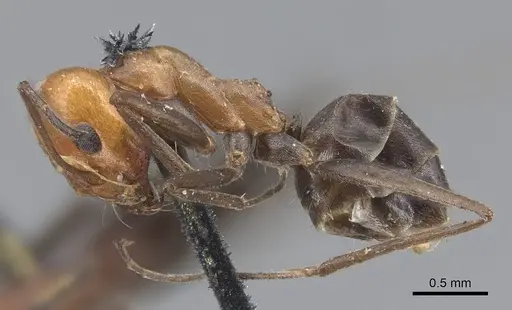
Dorymyrmex tener is an ant species of the genus Dorymyrmex. It is primarily documented in 2 countries , including Argentina, Chile. Detailed taxonomic data and occurrence records can be further explored via authoritative databases such as AntWeb or the Global Biodiversity Information Facility (GBIF).
Dorymyrmex tener
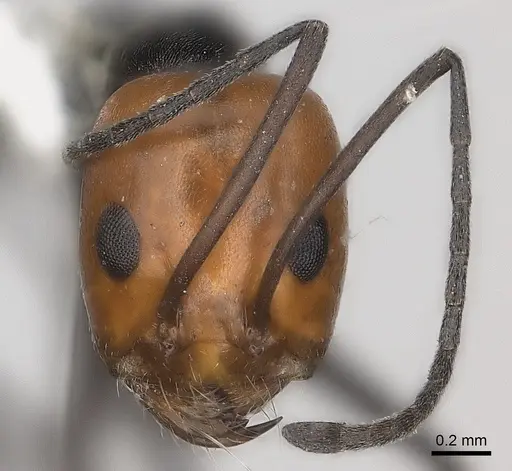
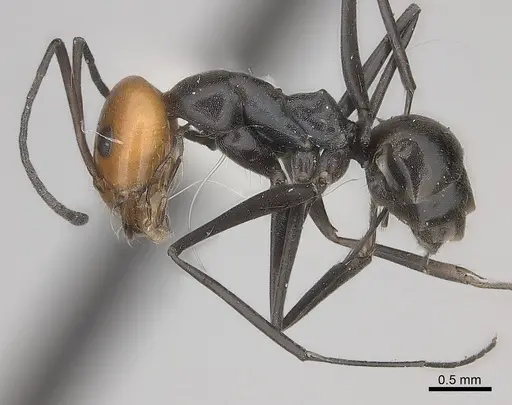
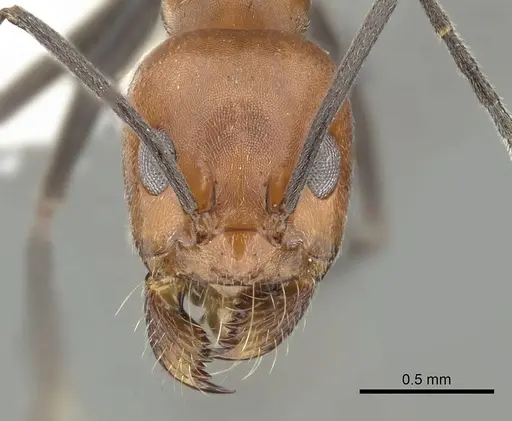
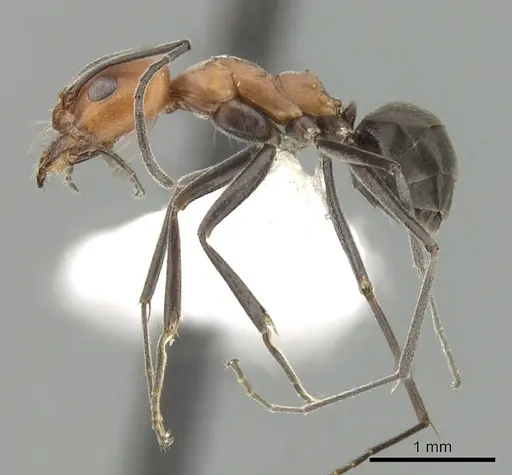
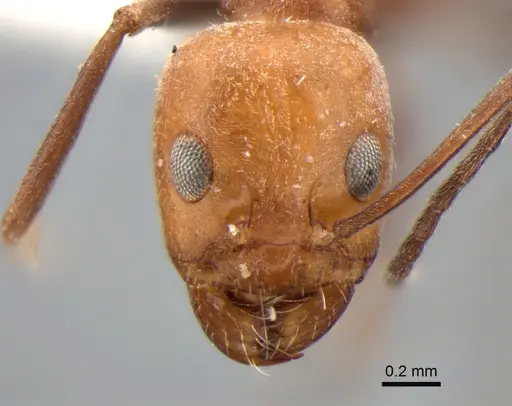
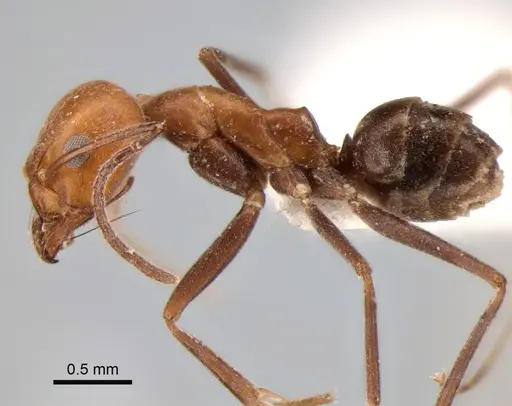
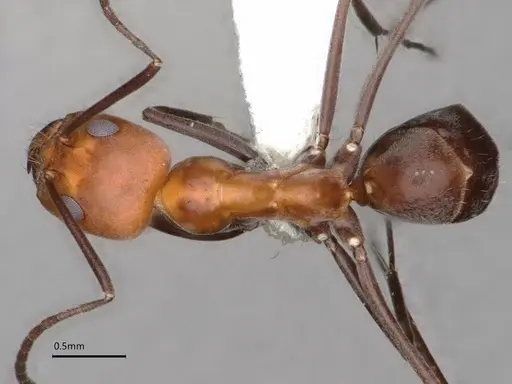
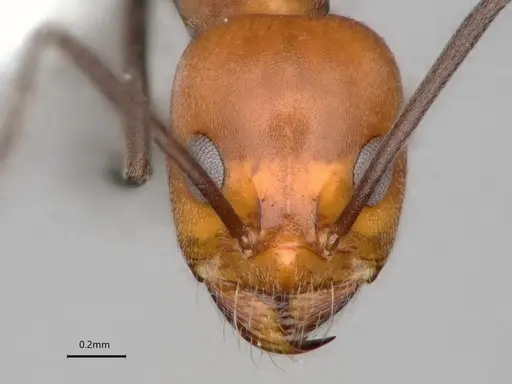
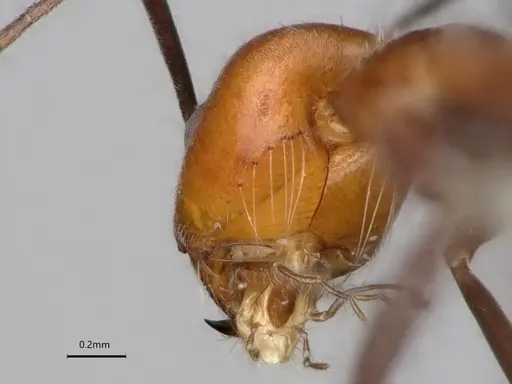
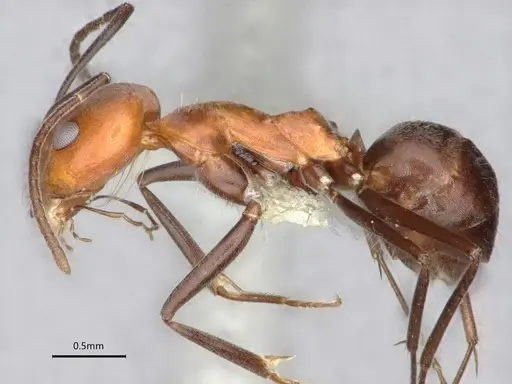
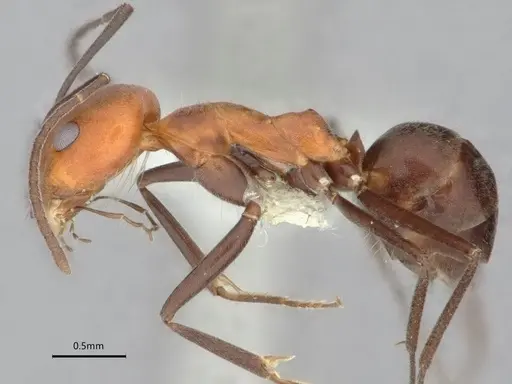
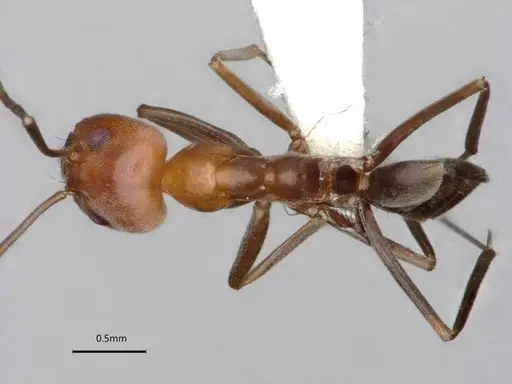
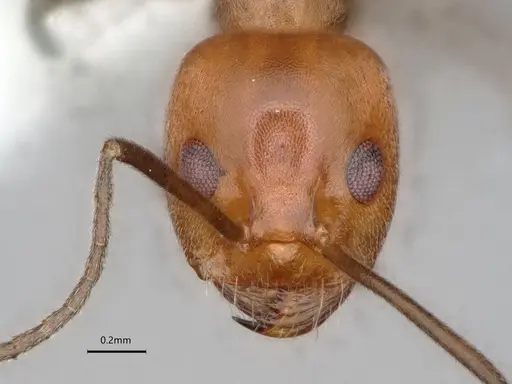
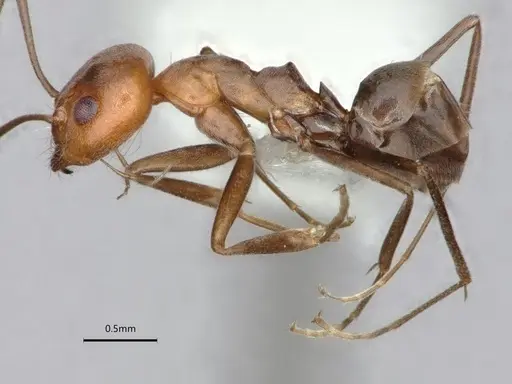
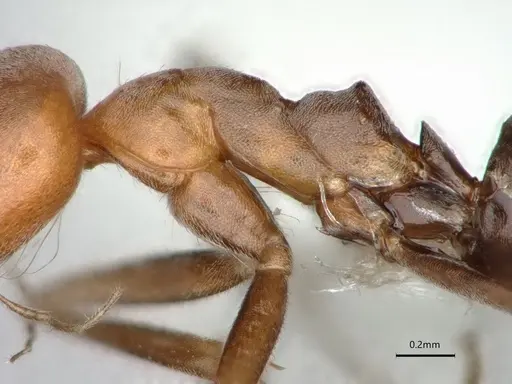
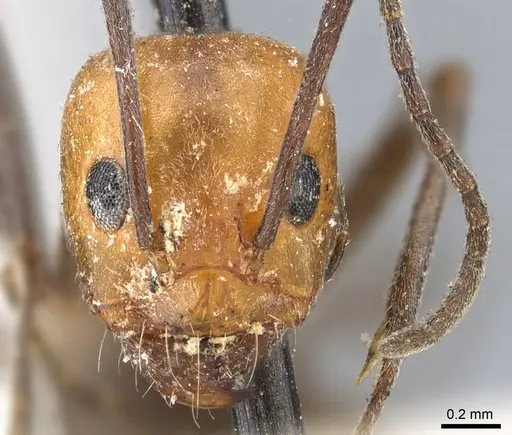
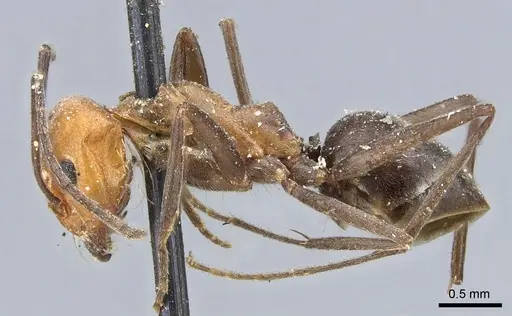
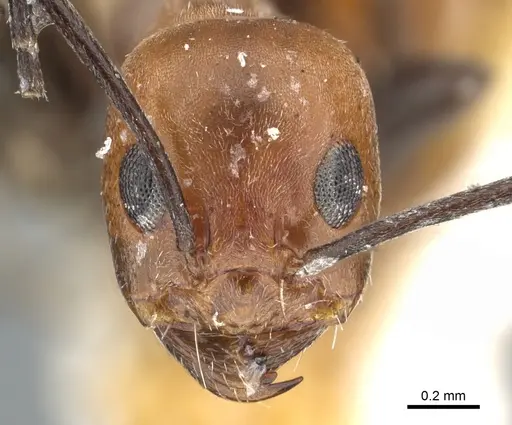
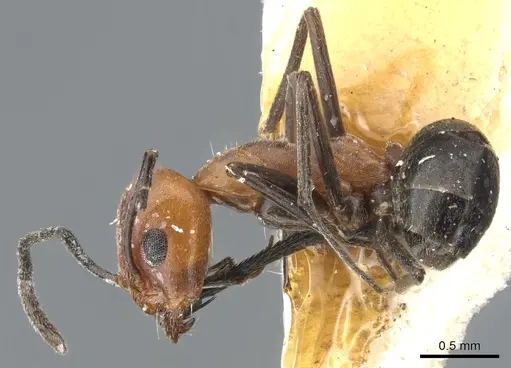
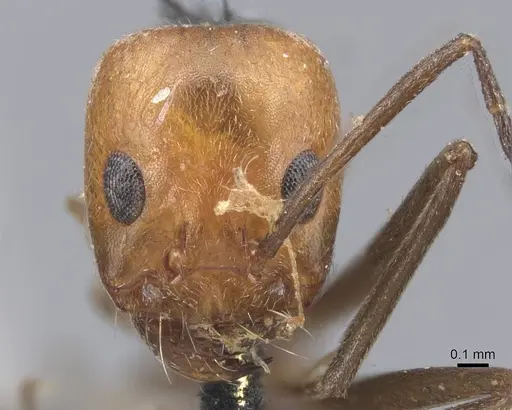
Dorymyrmex tener is a small to medium-sized ant native to Chile and Argentina, belonging to the Dolichoderinae subfamily. Workers are characterized by a distinctive psammophore, a basket-like arrangement of hairs on the underside of the head used for carrying sand [1]. They are found throughout the Patagonian region, from central Chile east to Argentina. This species is one of the most abundant and aggressive ant species in its range, known for its opportunistic feeding habits and aggressive defense of aphids [2]. They inhabit open areas and can be found nesting under rocks, making them a common sight in Patagonian steppe environments.
Quick Summary
- Difficulty: Easy
- Origin & Habitat: Native to Chile and Argentina, specifically the Patagonian region from Argentina (Neuquén to Chubut provinces) across to Chile. They inhabit open areas, steppe environments, and typically nest under rocks or in soil [3][1].
- Colony Type: Colony structure is unconfirmed from available research. Based on typical Dolichoderinae patterns, likely single-queen colonies.
- Size & Growth:
- Queen: Estimated 6-8mm based on genus patterns
- Worker: Estimated 3-5mm based on genus patterns
- Colony: Likely moderate colonies based on their abundance and dominance in the region
- Growth: Moderate, based on typical Patagonian ant development patterns
- Development: Estimated 8-12 weeks at optimal temperature based on similar Patagonian Dolichoderinae (Development time is estimated based on related species, specific timeline unconfirmed for this species)
- Antkeeping:
- Temperature: Keep at room temperature around 18-24°C. As a Patagonian species, they prefer cooler conditions than tropical ants. Provide a temperature gradient allowing workers to choose their preferred zone [3].
- Humidity: Low to moderate humidity, these ants naturally inhabit dry to semi-dry open areas and steppe environments. Allow the nest substrate to dry partially between waterings.
- Diapause: Yes, as a Patagonian species from southern South America, they require a winter rest period. Reduce temperature to around 10-15°C for 3-4 months during winter.
- Nesting: Provide a naturalistic setup with a dry to semi-dry substrate. They naturally nest under stones and in soil, so a Y-tong or plaster nest with some moisture but not wet conditions works well. Avoid overly humid setups.
- Behavior: Dorymyrmex tener is an aggressive, opportunistic forager that actively defends resources. They are known for their aggressive aphid-tending behavior, they patrol thistles and protect aphids from predators, effectively expelling other insects from plants [2]. Workers are active foragers that will collect honeydew, small insects, and other protein sources. They are not particularly large ants but can deliver a noticeable bite if handled. Escape risk is moderate, use standard barrier methods but they are not known escape artists.
- Common Issues: Patagonian origin means they need proper hibernation, colonies that are kept warm year-round may decline, They prefer drier conditions than many ants, overhumid setups can cause stress and mold issues, Wild-caught colonies may carry parasites that affect captive survival, Their aggressive defense of aphids means they may attack and kill other insects in the outworld, As ground-nesting ants, they need proper depth in the nest for tunneling behavior
Natural History and Distribution
Dorymyrmex tener is native to the southern cone of South America, specifically Chile and Argentina. They are found throughout the Patagonian region, from central Argentina (Neuquén Province at approximately 38°S) south to Chubut Province (approximately 42.5°S) [3]. The species has been recorded at various elevations, including high-altitude areas in Mendoza (2000-3000m) [4]. They are one of the most ubiquitous and numerically dominant ant species in their range, frequently encountered in roadside steppe and open areas [2]. The species belongs to the D. tener species group and was formerly classified under the genus Araucomyrmex before being reclassified back to Dorymyrmex [1].
Feeding and Diet
Dorymyrmex tener is an opportunistic generalist with a varied diet. In the wild, they primarily feed on honeydew from aphids, particularly the species Brachycaudus cardui found on thistles [5][6]. They actively tend these aphids, collecting the sugary honeydew in exchange for protecting the aphids from predators and parasitoids [2]. Beyond honeydew, they are generalist predators that consume various insects, spiders, and other small arthropods [3][2]. In captivity, offer a varied diet including sugar water or honey as a honeydew substitute, small live or frozen insects (fruit flies, small crickets, mealworms), and occasionally other protein sources. Their aggressive nature means they will readily take protein baits and defend food resources.
Temperature and Seasonal Care
As a Patagonian species from southern South America, Dorymyrmex tener is adapted to cooler temperatures than many ant species. Keep the nest area at room temperature, ideally around 18-24°C, with some variation allowed [3]. They are active in open areas and can tolerate temperature fluctuations. During the winter months (roughly May-August in the southern hemisphere), the colony should be allowed to rest at reduced temperatures of around 10-15°C for approximately 3-4 months. This mimics their natural seasonal cycle in the Patagonian region. Do not keep them warm year-round as this can stress the colony and shorten its lifespan. A temperature gradient allows workers to self-regulate their body temperature.
Nesting and Habitat
In the wild, Dorymyrmex tener nests in soil, typically under rocks or in open ground areas [3]. They are described as epigeic (ground-nesting) ants that live and forage in open areas. Workers have a psammophore, a specialized structure of hairs on the underside of the head used for carrying sand and excavating nests [1]. For captive care, provide a naturalistic setup with a dry to semi-dry substrate, or a Y-tong/plaster nest that doesn't retain excessive moisture. They prefer conditions that are drier than many tropical ant species. A layer of sand or soil in the outworld allows for natural foraging behavior. Avoid overly humid or wet setups.
Behavior and Colony Dynamics
This species is known for its aggressive and active foraging behavior. Dorymyrmex tener is one of the most aggressive aphid-tending ant species in its range, effectively defending aphids from predators and expelling other insects from plants [2]. They show a strong preference for high-quality honeydew sources and will actively patrol aphid-infested plants. Colonies maintain multiple entrance points and can be quite active in the outworld. Workers are opportunistic and will investigate and defend food resources vigorously. The colony will likely grow to a moderate size over several years. Queens are not as robust as some species but are capable of establishing colonies successfully in appropriate conditions.
Frequently Asked Questions
How long does it take for Dorymyrmex tener to raise their first workers?
The exact timeline is unconfirmed, but based on similar Patagonian Dolichoderinae species, expect 8-12 weeks from egg to first worker at room temperature. Patience is key during the founding stage.
Do Dorymyrmex tener ants need hibernation?
Yes, as a Patagonian species they require a winter rest period. Reduce temperatures to around 10-15°C for 3-4 months during winter to mimic their natural seasonal cycle.
What do Dorymyrmex tener ants eat?
They are opportunistic generalists. Feed sugar water or honey as a honeydew substitute, small insects (fruit flies, small crickets, mealworms), and occasionally other protein sources. They readily accept protein baits.
Are Dorymyrmex tener ants good for beginners?
Yes, they are considered an easy species to keep. They are hardy, tolerate a range of conditions, and are not particularly aggressive toward keepers. Their main requirements are proper hibernation and avoiding overly humid setups.
How big do Dorymyrmex tener colonies get?
Based on their dominance in the Patagonian region, colonies likely reach several hundred workers at maturity. They are not among the largest ant species but maintain robust colonies.
What temperature should I keep Dorymyrmex tener at?
Keep them at room temperature around 18-24°C. As a Patagonian species, they prefer cooler conditions than tropical ants. A temperature gradient allows workers to choose their preferred zone.
Can I keep multiple Dorymyrmex tener queens together?
The colony structure is unconfirmed, but combining unrelated queens is not recommended as it has not been documented. Start with a single queen for best success.
What humidity level do Dorymyrmex tener ants need?
They prefer low to moderate humidity, drier conditions than many ants. Allow the nest substrate to dry partially between waterings. Avoid overly humid setups.
When should I move Dorymyrmex tener to a formicarium?
Wait until the colony has established and has a moderate number of workers (50+). They are ground-nesting ants that prefer naturalistic setups with dry to semi-dry conditions.
References

This caresheet is licensed under CC BY-SA 4.0 .
CASENT0217411
View on AntWeb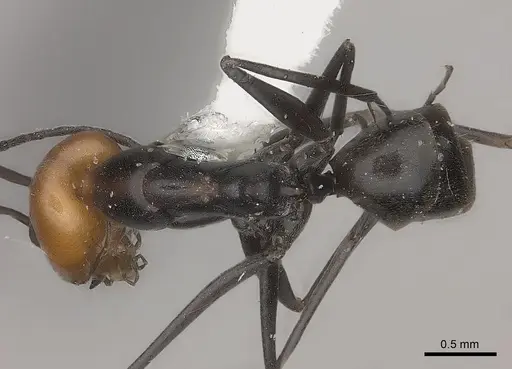
CASENT0249683
View on AntWeb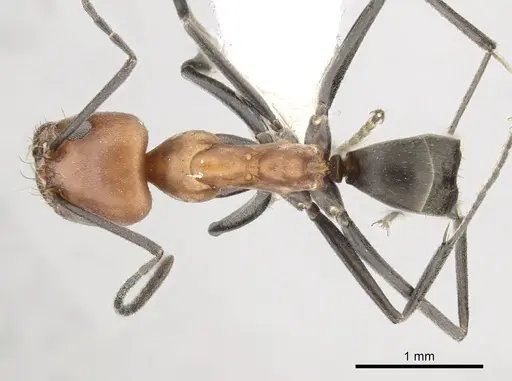
CASENT0841181
View on AntWeb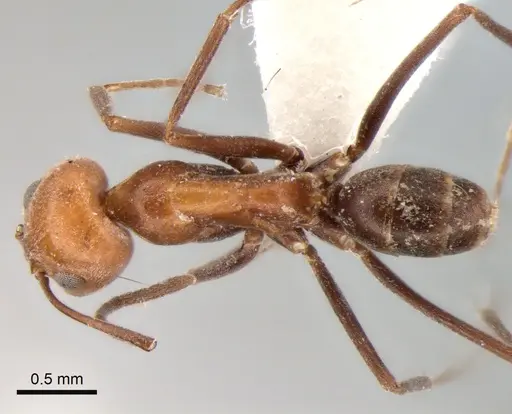
CASENT0841205
View on AntWeb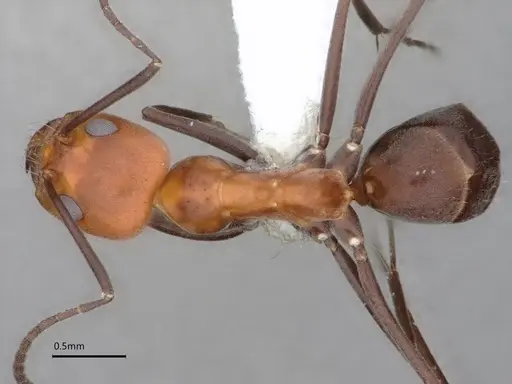
CASENT0841518
View on AntWeb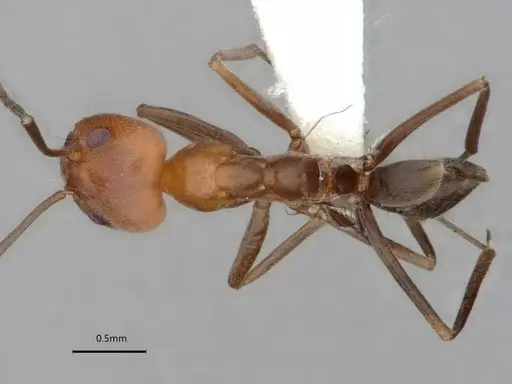
CASENT0902987
View on AntWeb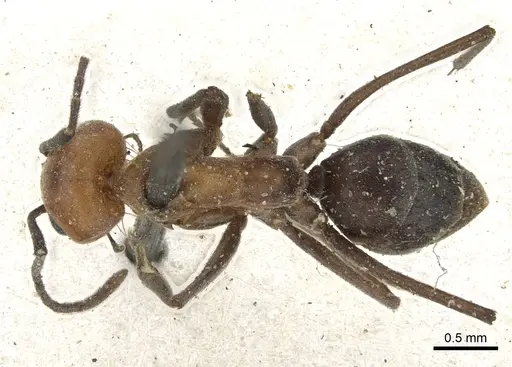
CASENT0902988
View on AntWeb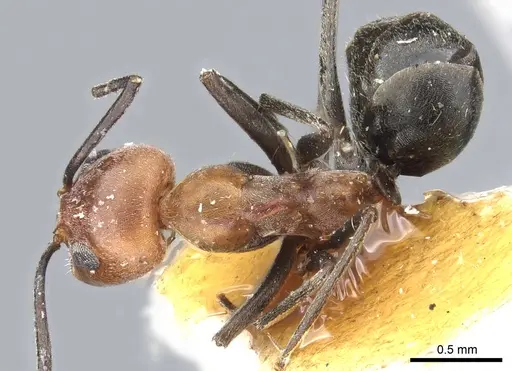
CASENT0915586
View on AntWeb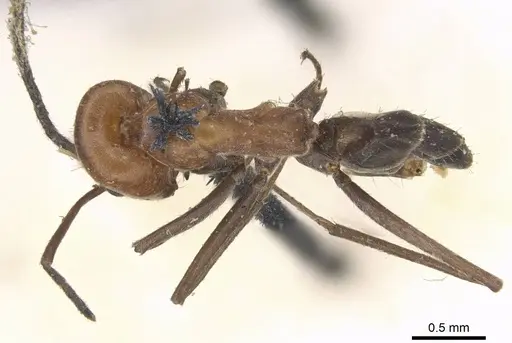
Literature
Loading...Loading products...