

Dorymyrmex spurius
- Scientific Name
- Dorymyrmex spurius
- Tribe
- Leptomyrmecini
- Subfamily
- Dolichoderinae
- Author
- Santschi, 1929
- Distribution
- Found in 3 countries
Dorymyrmex spurius Overview
Dorymyrmex spurius is an ant species of the genus Dorymyrmex. It is primarily documented in 3 countries , including Brazil, Ecuador, Paraguay. Detailed taxonomic data and occurrence records can be further explored via authoritative databases such as AntWeb or the Global Biodiversity Information Facility (GBIF).
Dorymyrmex spurius
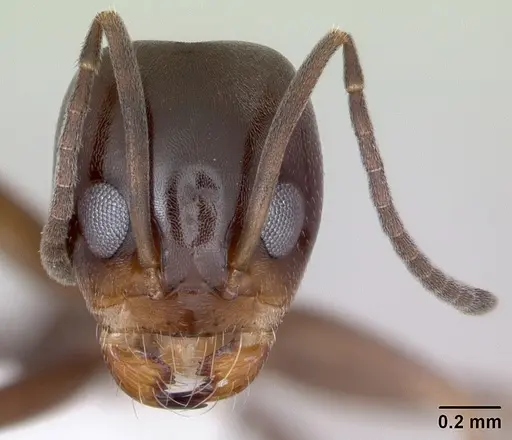
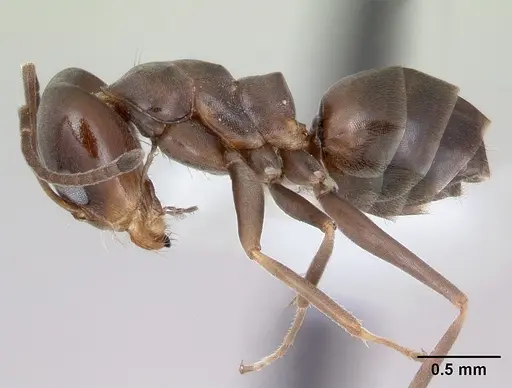
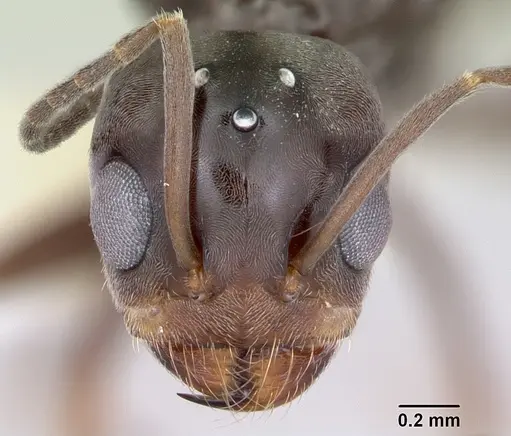
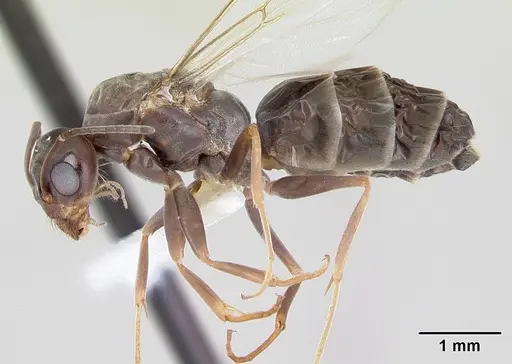
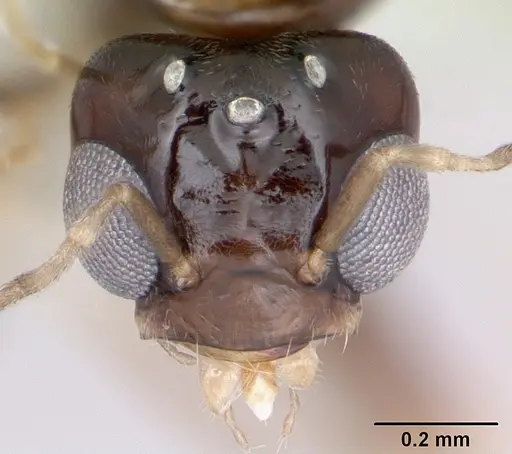
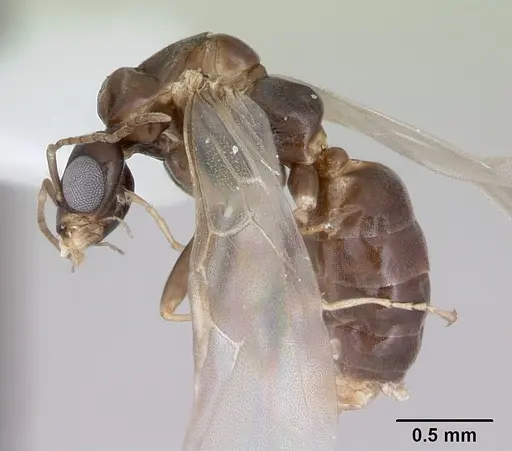
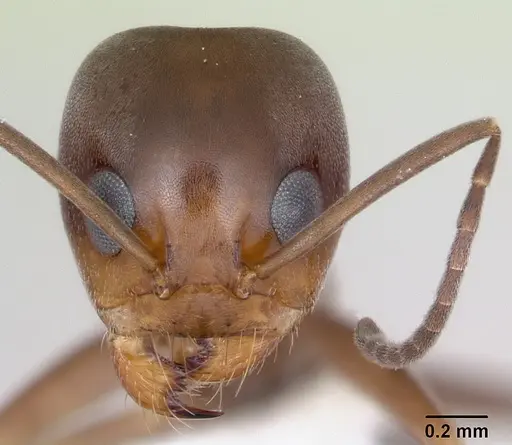
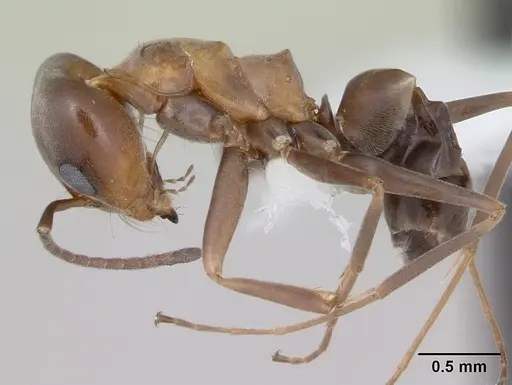
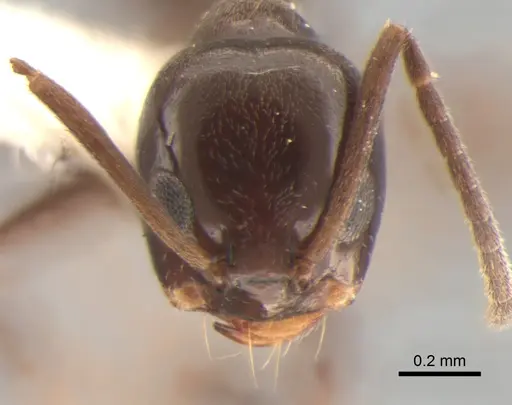
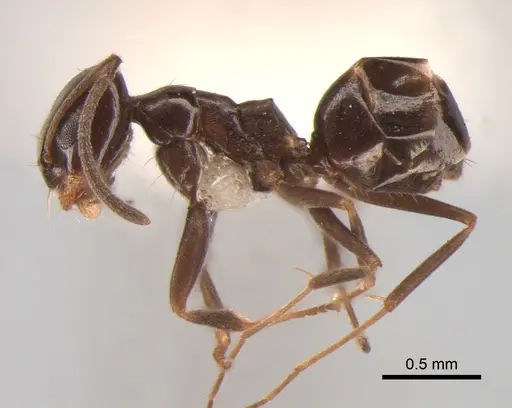
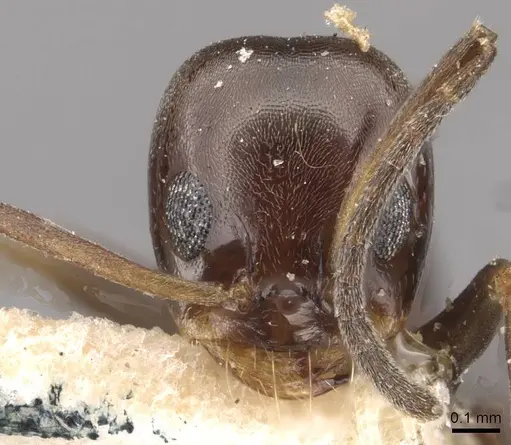
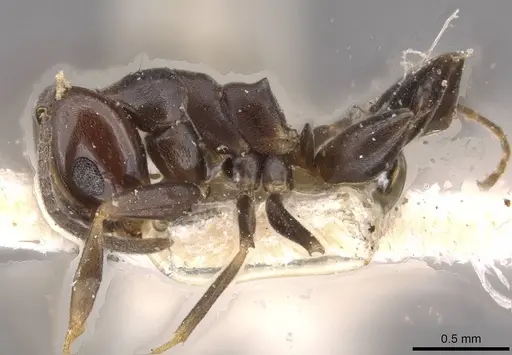
Dorymyrmex spurius is a small dolichoderine ant native to the Neotropical region of South America, found across Argentina, Brazil, Paraguay, and Uruguay. Workers are modest in size, typically measuring 2.5-4mm, with the characteristic two-segmented petiole and pointed anal opening typical of Dolichoderinae. They display the typical dark coloration seen in many Dorymyrmex species, often with a lighter reddish-brown to yellowish head and mesosoma contrasting with a darker abdomen. This species belongs to the D. goeldii clade, with evolutionary origins traced to eastern South America and central Brazil during the Miocene period [1].
These ants are classic opportunists in the ant world, they thrive in disturbed, open habitats with bare or sparsely vegetated soil. You'll find them in pastures, agricultural areas, forest edges, and vereda wetlands across their range [2][3]. They are assigned to the functional group Opportunist/Dominant Dolichoderinae, meaning they can quickly exploit new resources and establish dominance in disturbed areas while also persisting in more stable habitats [4]. For antkeepers, this translates to a resilient, adaptable species that handles captive conditions well.
Quick Summary
- Difficulty: Easy
- Origin & Habitat: Neotropical South America, Argentina, Brazil, Paraguay, and Uruguay. Found in open habitats, disturbed areas, pastures, agricultural land, forest edges, and vereda wetlands [2][3][4].
- Colony Type: Colony structure is not well-documented in scientific literature. Based on typical Dorymyrmex patterns, colonies likely establish single-queen colonies (monogyne) in most cases, though some Dorymyrmex species can form multi-queen colonies. The Opportunist/Dominant Dolichoderinae functional group assignment suggests flexible colony structures that can adapt to local conditions [4].
- Colony: Monogyne
- Founding: Claustral
- Size & Growth:
- Queen: Estimated 5-7mm based on genus patterns, no specific species measurements available
- Worker: 2.5-4mm [5]
- Colony: Likely several thousand workers at maturity based on typical Dorymyrmex colony sizes
- Growth: Moderate, fast in warm conditions
- Development: Estimated 6-8 weeks at optimal temperature based on related Dolichoderinae species (Development time inferred from genus-level data, specific timeline unconfirmed for this species)
- Antkeeping:
- Temperature: Keep at 24-28°C (75-82°F). Being a Neotropical species from Brazil and Argentina, they prefer warm conditions. A heating cable on one side of the nest creates a suitable gradient [5].
- Humidity: Moderate humidity around 50-70%. They naturally inhabit areas with bare or sparsely vegetated soil, so avoid overly damp conditions. Provide a water tube but ensure the nest area stays relatively dry.
- Diapause: Likely minimal or no true diapause. As a Neotropical species from regions with mild winters, they may show reduced activity in cooler months but likely do not require hibernation. Keep at room temperature year-round.
- Nesting: Natural nesting occurs in soil, often under stones or in bare ground in open areas. In captivity, a standard formicarium with soil or plaster chambers works well. They do well in naturalistic setups that mimic their open-ground nesting preferences [3].
- Behavior: Dorymyrmex spurius workers are active foragers, characteristic of the Opportunist/Dominant Dolichoderinae group. They readily exploit food resources and can form well-defined trails to food sources. Workers are not particularly aggressive toward humans but will defend their nest vigorously. They have the typical dolichoderine defensive secretion (which smells like rotten coconuts) but are not considered dangerous to keepers. Their small size means escape prevention is important, use tight-fitting lids and ensure any connections are secure. They are fast-moving and alert, quick to investigate disturbances.
- Common Issues: escape prevention is critical due to their small size, they can squeeze through tiny gaps, colonies may be slow to establish initially, patience is needed during founding, as ground-nesting ants, they need proper depth in their nest for brood chambers, overly damp conditions can cause problems, they prefer drier nest areas, wild-caught colonies may carry parasites that can affect captive populations
Natural Habitat and Distribution
Dorymyrmex spurius calls the grasslands, wetlands, and agricultural areas of South America home. Their range spans the southern portions of the continent, including Argentina (Entre Ríos and Misiones provinces), Brazil (widespread across multiple states including Pará, Maranhão, and the Cerrado region), Paraguay, and Uruguay [4][2].
These ants are strongly associated with open, disturbed habitats. They prefer areas where the soil is bare or covered only by sparse grassy vegetation, think pasture edges, agricultural fields, forest boundaries, and vereda wetlands [3]. This makes them classic 'edge' species, thriving where natural vegetation meets cleared land. Their presence in soybean crops in Atlantic forest regions demonstrates their ability to colonize highly disturbed agricultural environments [6].
For keepers, this habitat preference tells you something important: these ants don't need pristine conditions. They adapt well to varied environments, which translates to forgiving care requirements in captivity. However, they do best with some open floor space in their outworld and prefer nests that aren't overly humid or enclosed.
Feeding and Diet
Like other Dolichoderinae ants, Dorymyrmex spurius has an omnivorous diet. Workers forage for honeydew from aphids and scale insects, collect nectar from flowers, and hunt small insects and arthropods for protein. In captivity, you should offer a varied diet typical of most ant species.
For carbohydrates, provide sugar water, honey, or diluted maple syrup regularly. For protein, offer small insects like fruit flies, small crickets, mealworms, or other appropriately-sized prey. Since they're small ants, prey items should be appropriately sized, tiny insects work better than large ones. They will also likely accept protein-based ant foods commercialized for antkeepers.
Feed them every 2-3 days during the active season, removing any uneaten prey after 24 hours to prevent mold. Keep sugar water available constantly, replacing every few days. Their opportunistic foraging style means they'll quickly discover and exploit food sources you provide. [5]
Temperature and Heating
Being a Neotropical species from Brazil and Argentina, Dorymyrmex spurius prefers warm conditions. Aim for a temperature range of 24-28°C (75-82°F) in the nest area. This warmth supports brood development and keeps workers active and foraging.
Room temperature may suffice if your home stays in this range, but many keepers find that a gentle heat source helps. A heating cable placed on one side of the formicarium creates a temperature gradient, allowing ants to self-regulate by moving to warmer or cooler areas as needed. Place the heating element on top of the nest material rather than underneath to avoid excessive drying.
During cooler months, they may show reduced activity but likely don't require true hibernation. Simply reducing feeding slightly and allowing natural seasonal slowdown is sufficient. Avoid temperatures below 18°C (64°F) for extended periods. [5]
Nesting Preferences
In the wild, Dorymyrmex spurius nests in soil, typically under stones or in bare ground in open, sunny areas [3]. They prefer locations with minimal vegetation cover and well-drained soil. This matches their role as edge-species opportunists in disturbed habitats.
In captivity, they do well in naturalistic setups with a soil chamber or in plaster/acrylic formicariums designed for ground-nesting species. Provide a nest chamber with enough depth for brood piles, at least 1-2cm of substrate depth. Avoid overly compact soil, as they need some structure to excavate galleries.
The outworld should have some open floor space to mimic their preferred open habitat. They don't need high humidity, a damp water tube for moisture is sufficient, with the nest itself kept relatively dry. Good ventilation helps prevent mold without drying them out.
Behavior and Colony Dynamics
Dorymyrmex spurius workers are active, alert foragers that quickly establish trails to food sources. They belong to the Opportunist/Dominant Dolichoderinae functional group, meaning they're good at finding and exploiting new food resources rapidly [4]. This makes them entertaining to watch as they organize foraging expeditions.
Like other Dolichoderinae, they can produce defensive secretions from their anal glands, the characteristic 'coconut' or 'rancid butter' smell that many dolichoderines are known for. However, they're not particularly aggressive toward keepers and rarely bite.
Colony growth is moderate, you can expect a colony to reach several thousand workers over several years. Founding colonies may be slow as the queen raises her first brood alone, but once workers emerge, growth typically accelerates. They're resilient ants that handle typical captive stresses well, making them suitable for intermediate keepers.
Frequently Asked Questions
How long does it take for Dorymyrmex spurius to produce first workers?
Based on typical Dolichoderinae development, expect first workers (nanitics) around 6-8 weeks after the queen lays eggs, assuming optimal temperature around 26°C. The exact timeline for this species is unconfirmed but should fall within this range.
Can I keep Dorymyrmex spurius in a test tube?
Yes, you can start them in a test tube setup for founding. Use a standard test tube with a water reservoir and cotton plug, keeping it horizontal or slightly elevated so the queen can access moisture. Once the colony reaches 20-30 workers, consider moving them to a formicarium with soil chambers.
What temperature do Dorymyrmex spurius need?
Keep them warm at 24-28°C (75-82°F). A heating cable on one side of the nest creates a suitable gradient. Room temperature may work if your home stays in this range, but additional heat often promotes more active foraging and faster brood development.
Are Dorymyrmex spurius good for beginners?
Yes, they are considered an easy species to keep. They are resilient, adaptable, and not demanding in their care requirements. Their preference for open, disturbed habitats translates to forgiving conditions in captivity. However, their small size does require attention to escape prevention.
How big do Dorymyrmex spurius colonies get?
Based on typical Dorymyrmex patterns, colonies likely reach several thousand workers at maturity. Growth is moderate, expect several years to reach maximum size. They are not supercolonial and typically form single-queen colonies.
Do Dorymyrmex spurius need hibernation?
Probably not. As a Neotropical species from regions with mild winters, they likely don't require true diapause. Simply reduce feeding slightly during cooler months and maintain room temperature. Avoid prolonged temperatures below 18°C.
What do Dorymyrmex spurius eat?
They are omnivorous. Offer sugar water, honey, or maple syrup for carbohydrates. For protein, provide small insects like fruit flies, pinhead crickets, or mealworms. They will also collect honeydew if you keep aphids, and may accept commercial ant foods.
When should I move Dorymyrmex spurius to a formicarium?
Move them once the test tube becomes crowded or the colony reaches 20-40 workers. A naturalistic setup with soil chambers works well, or a standard formicarium with appropriately-sized chambers for their small workers.
Why are my Dorymyrmex spurius escaping?
Their small size means they can squeeze through tiny gaps. Check all connections, use tight-fitting lids, and apply fluon or other barriers to escape-prone areas. Inspect any tubing connections and outworld boundaries carefully.
References

This caresheet is licensed under CC BY-SA 4.0 .
CASENT0173851
View on AntWeb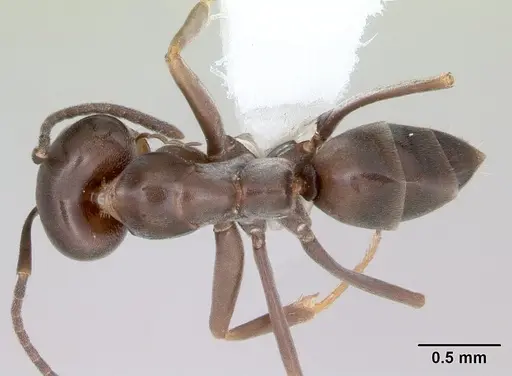
CASENT0173852
View on AntWeb
CASENT0173853
View on AntWeb
CASENT0173854
View on AntWeb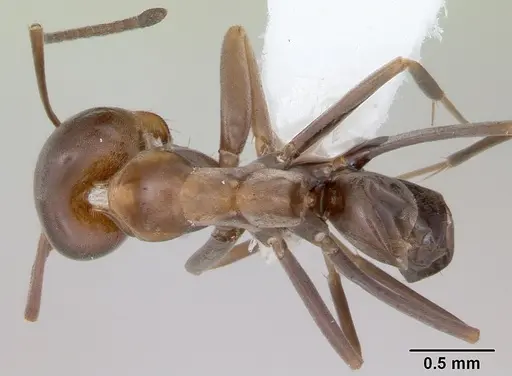
CASENT0841138
View on AntWeb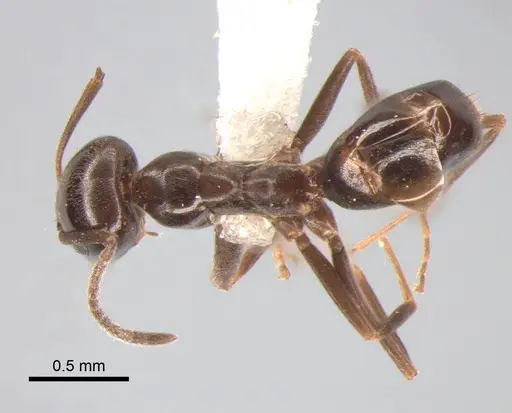
CASENT0909744
View on AntWeb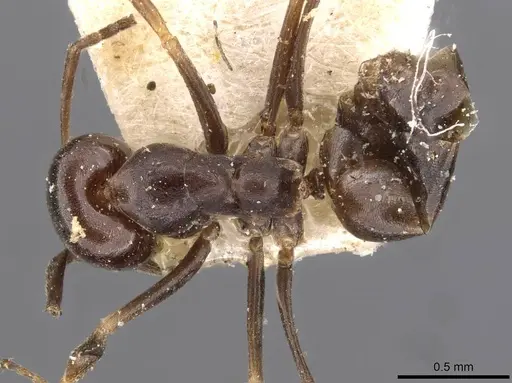
FOCOL0531
View on AntWeb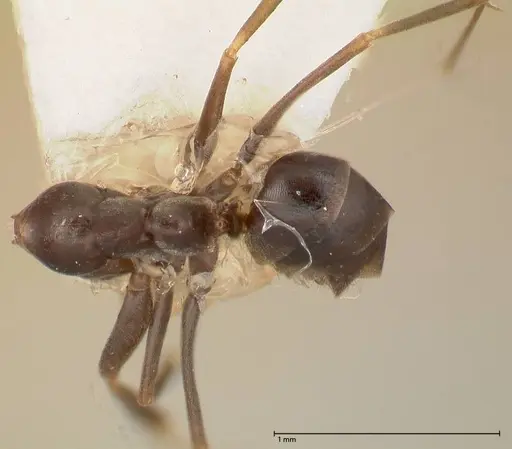
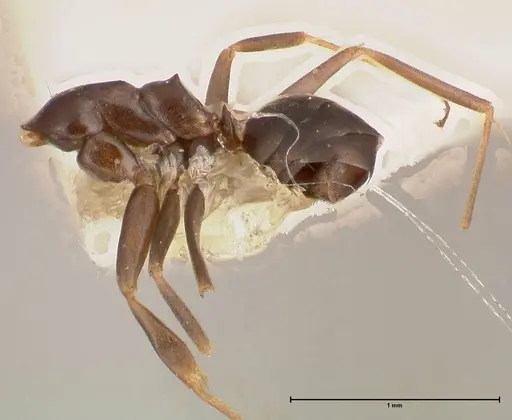
Literature
Loading...Loading products...