

Dorymyrmex paranensis
- Scientific Name
- Dorymyrmex paranensis
- Tribe
- Leptomyrmecini
- Subfamily
- Dolichoderinae
- Author
- Santschi, 1922
- Distribution
- Found in 2 countries
Dorymyrmex paranensis Overview
Dorymyrmex paranensis is an ant species of the genus Dorymyrmex. It is primarily documented in 2 countries , including Brazil, Paraguay. Detailed taxonomic data and occurrence records can be further explored via authoritative databases such as AntWeb or the Global Biodiversity Information Facility (GBIF).
Dorymyrmex paranensis
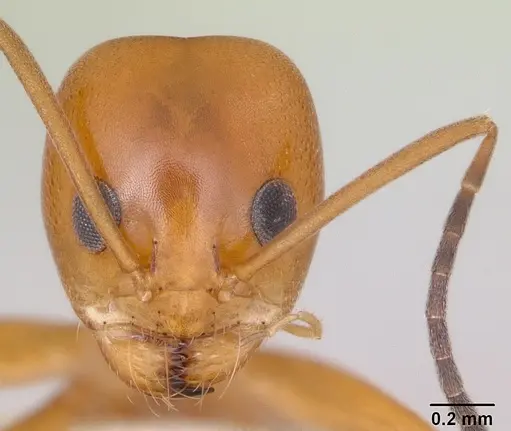
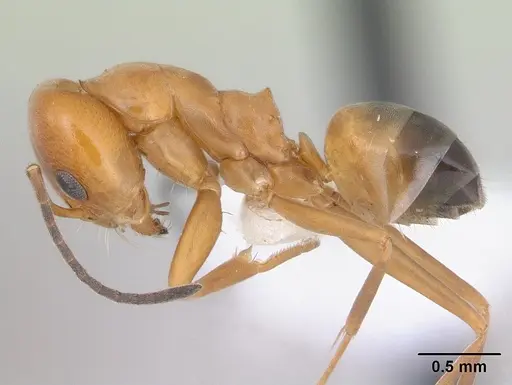
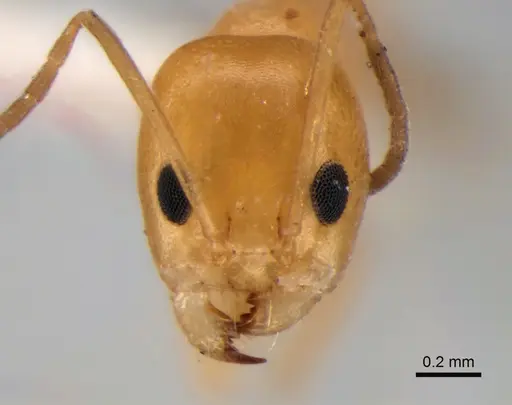
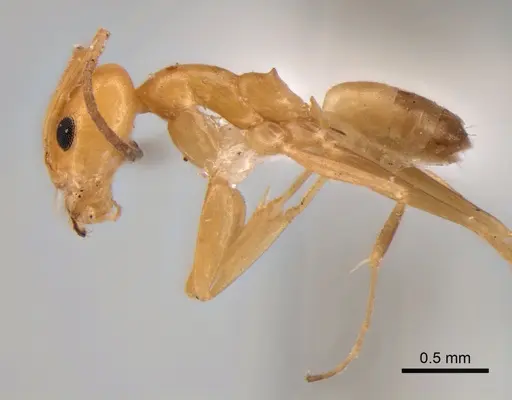
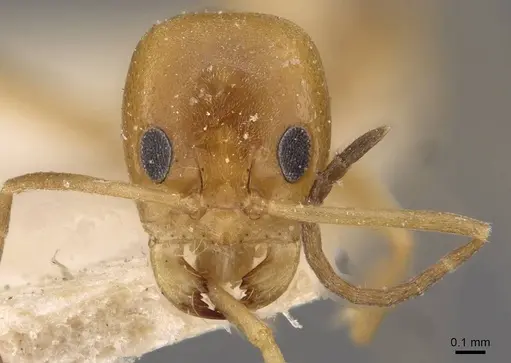
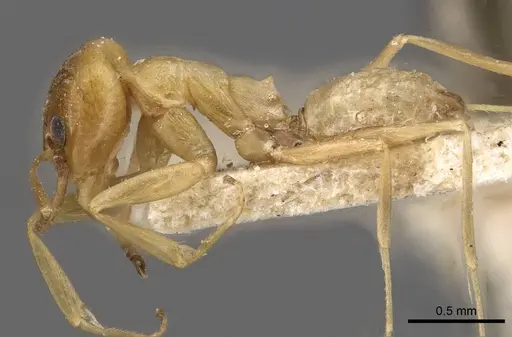
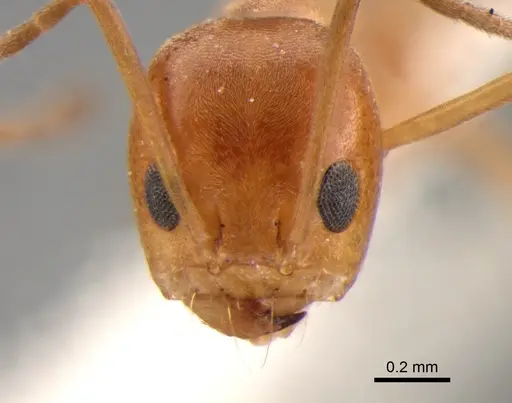
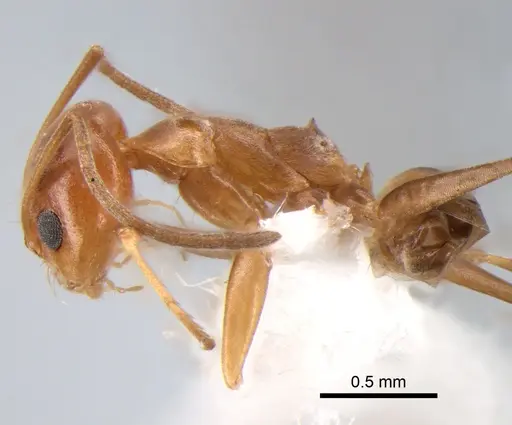
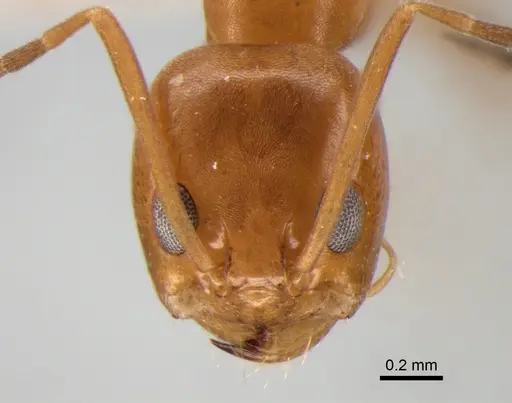
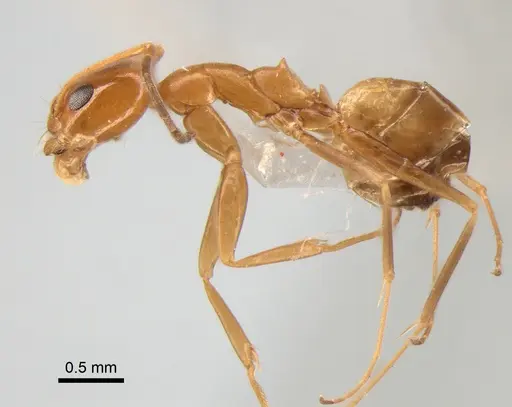
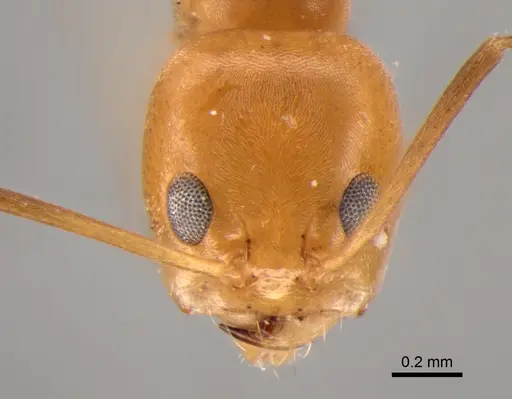
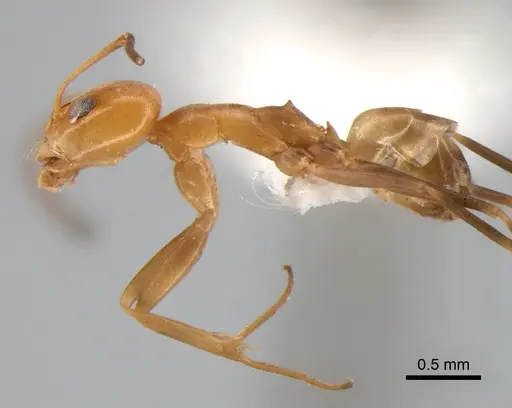
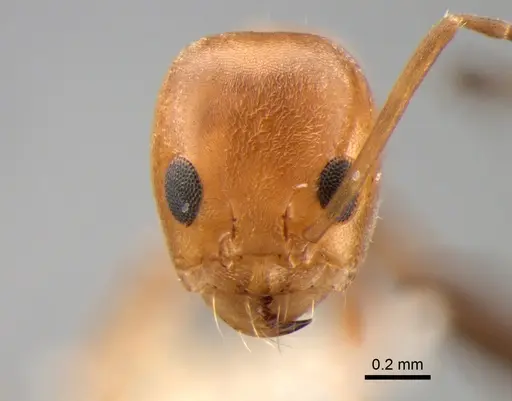
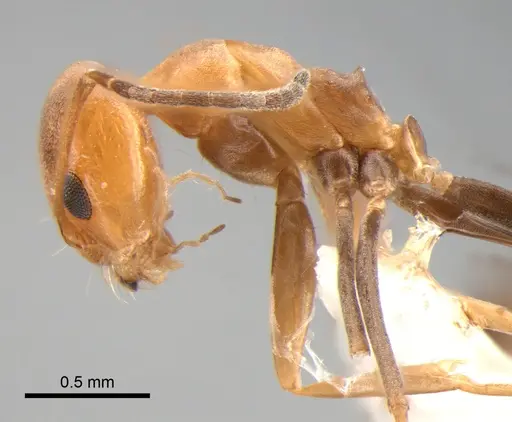
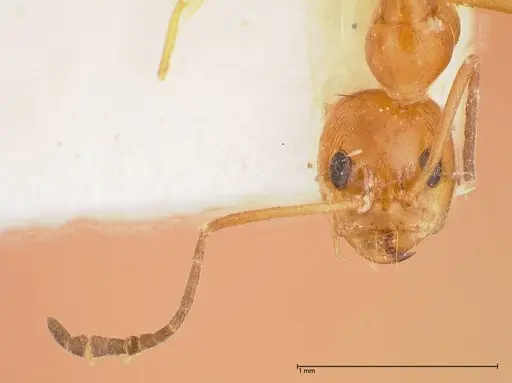
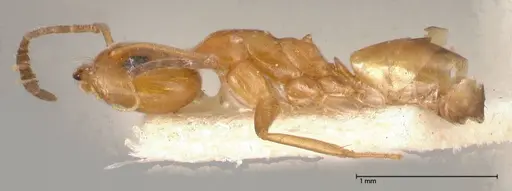
Dorymyrmex paranensis is a small to medium-sized ant belonging to the Dolichoderinae subfamily, commonly known as pyramid ants due to their distinctive pyramid-shaped nest mounds. Workers measure approximately 2.5-4mm and display a yellow to yellow-orange coloration with relatively small compound eyes and a broad head [1]. This species was elevated from variety status to full species in 2007 and is found across the Neotropical region, specifically in Argentina, Brazil, and Paraguay [1][2]. They inhabit diverse environments including low grasslands, Cerrado savanna, and forested areas, making them adaptable ground-nesting ants [3][4].
Quick Summary
- Difficulty: Easy
- Origin & Habitat: Neotropical region, Argentina, Brazil, Paraguay. Found in low grasslands, Cerrado savanna, and forest habitats [3][4].
- Colony Type: Unconfirmed colony structure. Based on typical Dorymyrmex genus patterns, likely single-queen colonies.
- Size & Growth:
- Queen: Estimated 5-7mm based on genus patterns
- Worker: Estimated 2.5-4mm based on genus patterns
- Colony: Unknown for this specific species, likely several hundred workers based on related Dorymyrmex species
- Growth: Moderate, inferred from genus patterns
- Development: Estimated 6-8 weeks at optimal temperature based on related Dolichoderinae (Development timeline not specifically studied for this species, estimate based on genus-level data)
- Antkeeping:
- Temperature: Keep at 22-26°C. They naturally occur in subtropical to tropical regions, so warmth supports activity and brood development.
- Humidity: Moderate humidity around 50-70%. They nest in the ground and tolerate typical household conditions, but substrate should not dry out completely.
- Diapause: Likely a mild winter slowdown given their subtropical distribution, but specific requirements unconfirmed.
- Nesting: Ground-nesting species. In captivity, they do well in test tube setups buried in substrate or naturalistic setups with soil. They prefer to nest in soil with some depth.
- Behavior: Dorymyrmex paranensis is a ground-nesting ant that builds characteristic pyramid-shaped nest mounds. They are typically not aggressive and are active foragers. Workers search for honeydew and small insects. Their small size means escape prevention is important, they can slip through small gaps. They are generally peaceful and suitable for beginners.
- Common Issues: escape prevention is important due to their small size, use fine mesh and tight-fitting lids, limited specific research means some care parameters are estimates based on genus patterns, wild-caught colonies may have parasites that affect captive survival, slow founding phase requires patience, queens may take weeks to lay first eggs, substrate drying out can stress colonies since they naturally nest in ground
Housing and Nest Setup
Dorymyrmex paranensis does well in standard antkeeping setups. For founding colonies, a test tube setup works well, place the test tube at an angle so the queen can move between the water reservoir and the dry end. Once the colony reaches 20-30 workers, you can transition to a small formicarium or naturalistic setup with soil substrate. Since they are ground-nesting ants, provide them with several centimeters of substrate they can tunnel through. A naturalistic setup with a soil layer works especially well since it mimics their natural grassland and forest floor nesting sites. Ensure the setup has good escape prevention, these ants are small and can squeeze through tiny gaps, so use fine mesh on any ventilation holes. [3][4]
Feeding and Diet
Like most Dorymyrmex species, these ants are omnivorous with a preference for sweet substances. Workers collect honeydew from aphids and scale insects in the wild, along with small insects and other protein sources. In captivity, offer sugar water or honey water as a constant food source. For protein, provide small insects like fruit flies, small mealworms, or cricket pieces. Feed protein 2-3 times per week and ensure sugar water is always available. Remove any uneaten prey after 24-48 hours to prevent mold issues.
Temperature and Heating
Dorymyrmex paranensis originates from subtropical regions of South America, so they prefer warmer conditions. Maintain temperatures between 22-26°C for optimal activity and brood development. Room temperature within this range is often sufficient. If your room is cooler, a heating cable placed on one side of the nest can create a gentle temperature gradient. Avoid temperatures above 30°C as this can stress the colony. They can tolerate brief temperature drops but consistently cool conditions will slow colony growth. [3]
Humidity and Water
Keep the nest substrate moderately moist but not waterlogged. The soil should feel damp to the touch but not soggy. These ants naturally inhabit areas with moderate humidity, so aim for around 50-70% relative humidity in the setup. In test tube setups, the water reservoir provides humidity through evaporation. In formicarium setups, mist the substrate occasionally and allow it to partially dry between waterings. Always provide a clean water source, a small test tube with a cotton ball works well. [4]
Seasonal Care and Winter Rest
The natural range of Dorymyrmex paranensis includes subtropical areas of Argentina, Brazil, and Paraguay, where winters are mild but noticeable. While specific diapause requirements are not documented for this species, a period of reduced activity during winter months is likely beneficial. During winter, you can lower temperatures to around 15-18°C for 2-3 months. Reduce feeding during this period and avoid disturbing the colony. This rest period supports colony health and may trigger reproductive behavior in spring. [1]
Behavior and Temperament
Dorymyrmex paranensis is a relatively peaceful ant species. Workers are active foragers that search for food both on the ground and on low vegetation. The genus name 'pyramid ant' refers to their distinctive nest mounds, which have a pyramid-like structure, though this is more pronounced in some species than others. Workers are not particularly aggressive and do not have a painful sting, making them suitable for beginners. They are diurnal and most active during daylight hours. Colonies establish quickly once the first workers (nanitics) emerge. [1]
Frequently Asked Questions
How long does it take for Dorymyrmex paranensis to develop from egg to worker?
The exact development timeline has not been specifically studied for this species. Based on related Dolichoderinae ants, expect approximately 6-8 weeks from egg to first worker at optimal temperatures (22-26°C). The first workers will be smaller (nanitics) and the colony will grow gradually from there.
Can I keep multiple Dorymyrmex paranensis queens together?
Colony structure has not been specifically documented for this species. Based on typical Dorymyrmex genus patterns, they likely form single-queen colonies. It is not recommended to combine unrelated queens as they may fight. If you have multiple founding queens, house them separately.
What do Dorymyrmex paranensis ants eat?
They are omnivorous with a sweet tooth. Offer sugar water or honey water constantly as their primary food source. For protein, provide small insects like fruit flies, small mealworms, or cricket pieces 2-3 times per week. They also collect honeydew, so if you keep aphids they will tend them.
What temperature do Dorymyrmex paranensis ants need?
Keep them warm at 22-26°C. This subtropical species thrives in these temperatures. Room temperature within this range is usually sufficient. If needed, a gentle heat gradient using a heating cable on one side of the nest can help.
Are Dorymyrmex paranensis good for beginners?
Yes, they are considered a good beginner species. They are relatively peaceful, do not require elaborate setups, and are forgiving of minor care mistakes. Their small size and ground-nesting nature make them easy to house. The main challenges are escape prevention and patience during the founding phase.
How big do Dorymyrmex paranensis colonies get?
The maximum colony size has not been specifically documented for this species. Based on related Dorymyrmex species, colonies likely reach several hundred workers. Growth is moderate, expect several months to reach 50+ workers and a year or more for a mature colony.
Do Dorymyrmex paranensis need hibernation?
Based on their subtropical distribution, a mild winter rest is likely beneficial but not strictly required. You can reduce temperatures to 15-18°C for 2-3 months during winter. Reduce feeding during this period. This mimics their natural seasonal cycle and may encourage spring reproduction.
When should I move Dorymyrmex paranensis to a formicarium?
Keep them in a test tube setup during the founding phase. Once the colony reaches 20-30 workers and you see workers actively tunneling in the test tube, you can consider moving them to a larger setup. A naturalistic setup with soil works well since they are ground-nesting ants.
Why are my Dorymyrmex paranensis dying?
Common causes include: substrate drying out (keep consistently moist), temperatures too cold (below 20°C slows activity), poor escape prevention (they are small and can escape), or stress from too much disturbance. Also ensure sugar water is always available and protein is offered regularly. Wild-caught colonies may carry parasites that affect captive survival.
References

This caresheet is licensed under CC BY-SA 4.0 .
CASENT0173850
View on AntWeb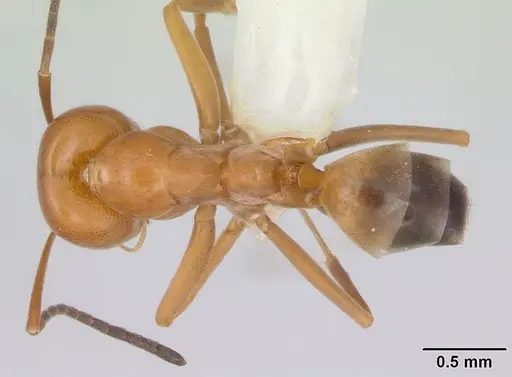
CASENT0841149
View on AntWeb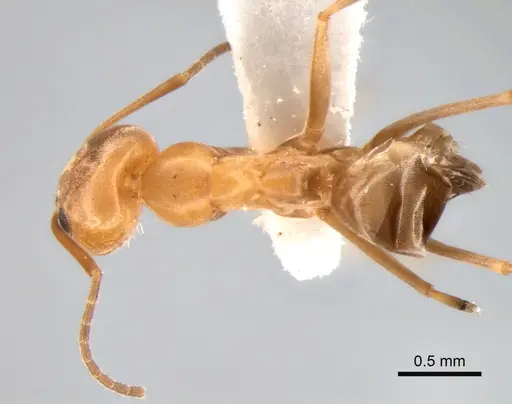
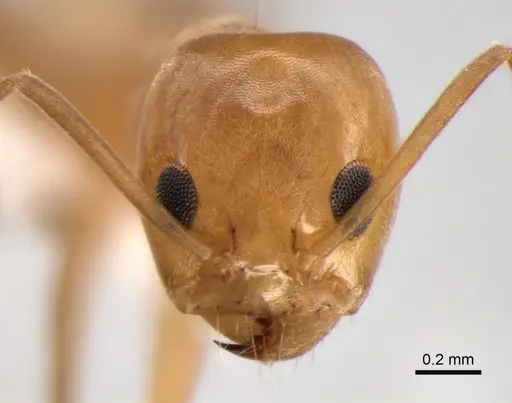
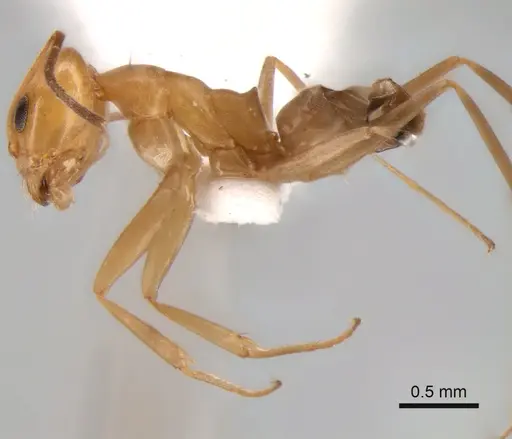
CASENT0841152
View on AntWeb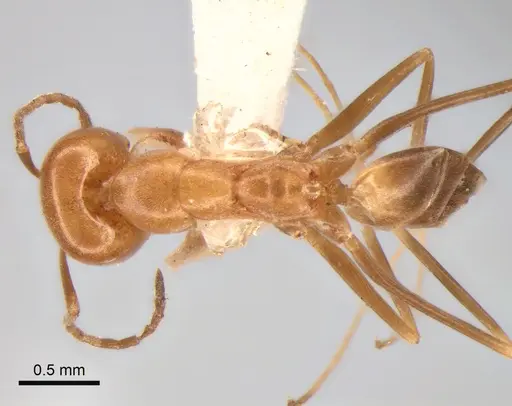
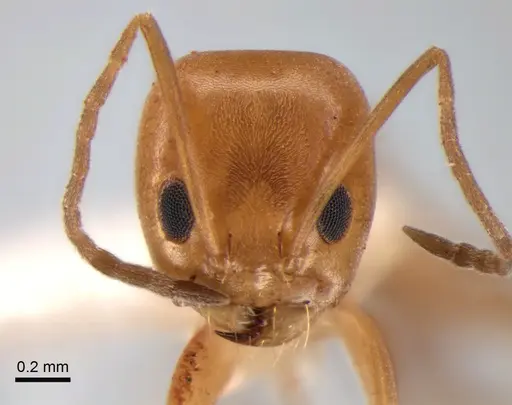
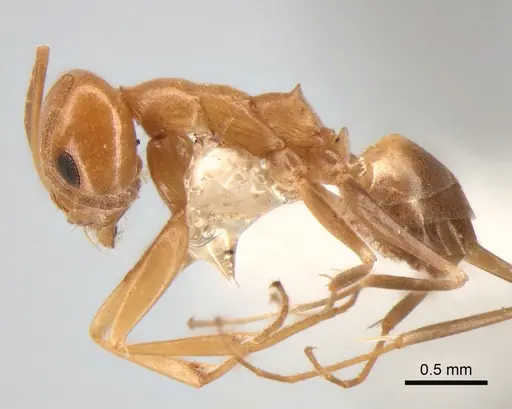
CASENT0841153
View on AntWeb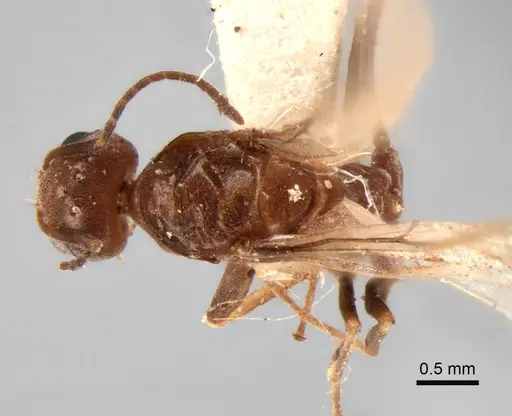
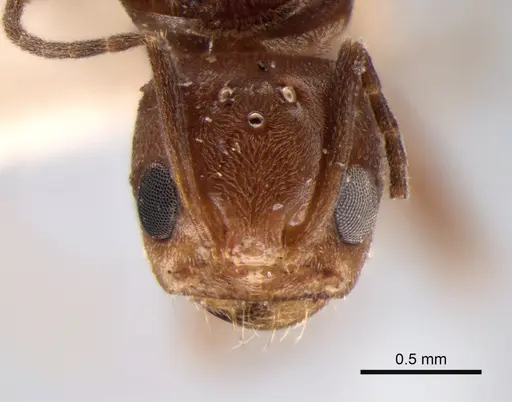
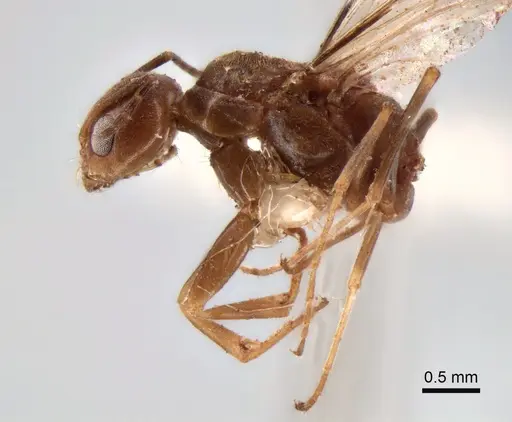
CASENT0841157
View on AntWeb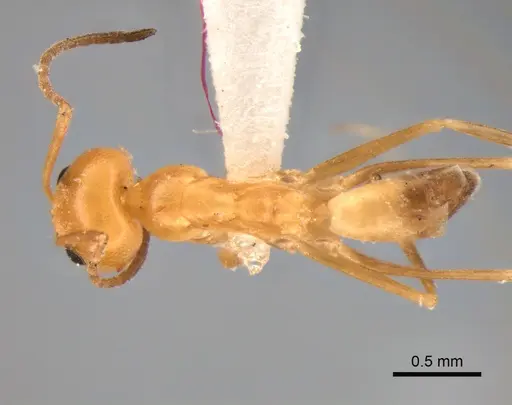
CASENT0909745
View on AntWeb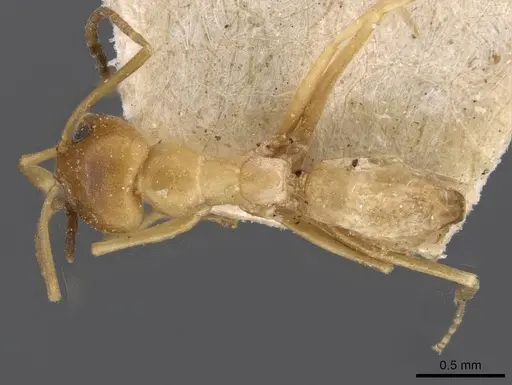
DZUP517859
View on AntWeb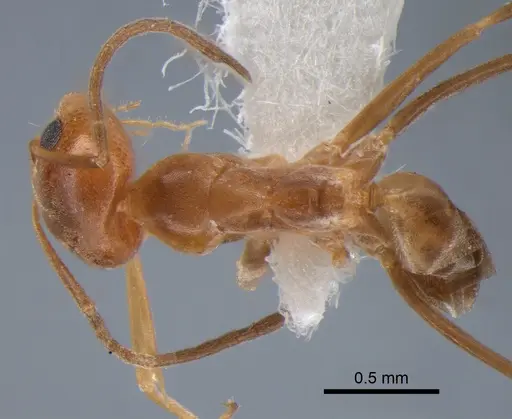
DZUP517986
View on AntWeb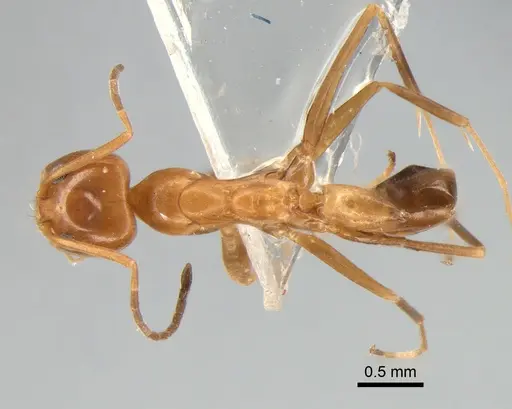
DZUP518119
View on AntWeb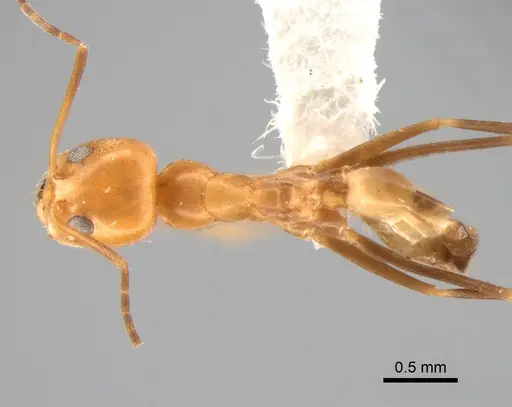
DZUP518129
View on AntWeb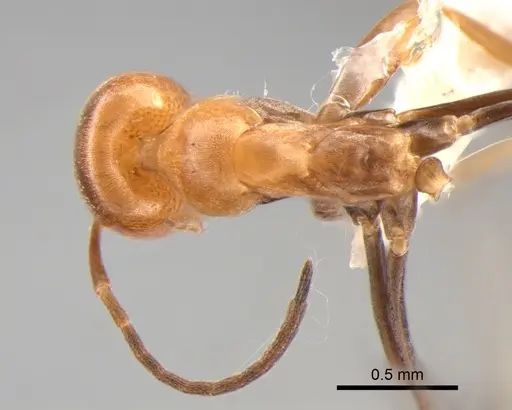
FOCOL0530
View on AntWeb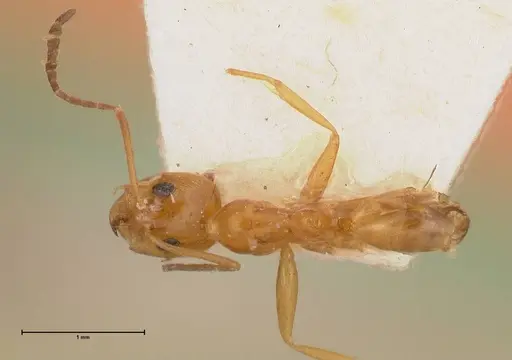
Literature
Loading...Loading products...