

Dorymyrmex jheringi
- Scientific Name
- Dorymyrmex jheringi
- Tribe
- Leptomyrmecini
- Subfamily
- Dolichoderinae
- Author
- Forel, 1912
- Distribution
- Found in 2 countries
Dorymyrmex jheringi Overview
Dorymyrmex jheringi is an ant species of the genus Dorymyrmex. It is primarily documented in 2 countries , including Brazil, Paraguay. Detailed taxonomic data and occurrence records can be further explored via authoritative databases such as AntWeb or the Global Biodiversity Information Facility (GBIF).
Dorymyrmex jheringi
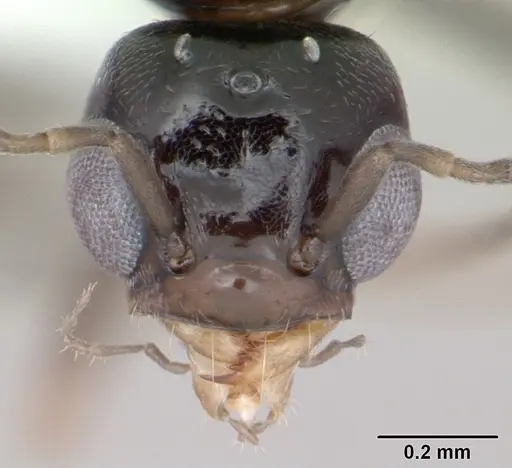
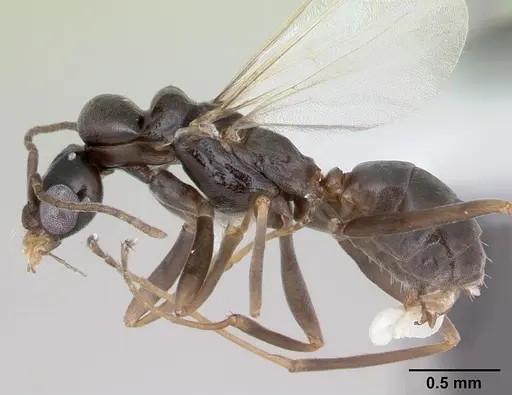
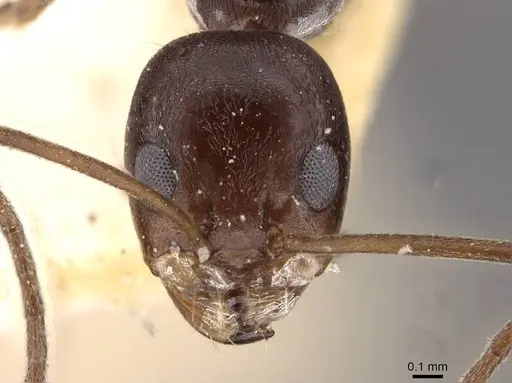
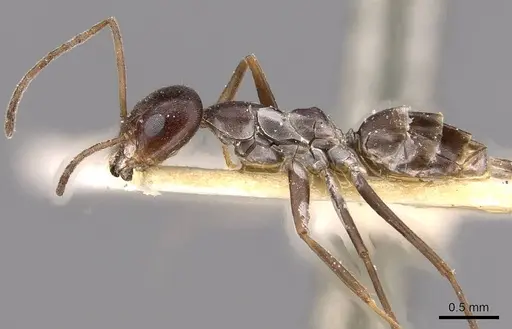
Dorymyrmex jheringi is a small to medium-sized ant belonging to the Dolichoderinae subfamily, commonly known as pyramid ants due to their distinctive pyramidal head shape. Workers measure around 3-4mm and have the smooth, glossy appearance typical of Dolichoderine ants. This species is native to southern Brazil, Paraguay, and northern Argentina, where it inhabits the Cerrado savanna ecosystem and associated wetland areas known as veredas [1].
This species shows adaptability to human-modified landscapes, having been recorded in agricultural areas including soybean crops in the Atlantic forest and Pampean grassland regions [2]. Like other Dorymyrmex species, they are active foragers with a potent sting, making them an interesting but challenging species for antkeepers who want something different from the common Lasius or Camponotus species.
Quick Summary
- Difficulty: Medium
- Origin & Habitat: Native to southern Brazil, Paraguay, and northern Argentina. Found in the Cerrado savanna biome and vereda wetlands, with records in agricultural areas showing tolerance of human-modified landscapes [2][3].
- Colony Type: Likely monogyne (single queen colonies) based on typical Dorymyrmex genus patterns, though colony structure has not been specifically documented for this species.
- Colony: Monogyne
- Founding: Claustral
- Size & Growth:
- Queen: Estimated 5-7mm based on genus-level data for similar Dorymyrmex species
- Worker: 3-4mm [1]
- Colony: Likely reaches several thousand workers based on typical Dorymyrmex colony sizes
- Growth: Moderate, based on typical Dolichoderinae development patterns
- Development: 6-8 weeks at optimal temperature, estimated based on related Dolichoderinae species (Development time is estimated from genus-level data, specific measurements for D. jheringi are not available)
- Antkeeping:
- Temperature: Keep at 24-28°C. These are warm-climate ants from tropical South America, so they need consistently warm conditions. A heating cable on one side of the nest creates a gradient they can regulate themselves [1].
- Humidity: Moderate humidity around 50-60%. They naturally occur in both vereda wetlands and drier savanna areas, so they tolerate a range. Keep the nest substrate slightly moist but allow some drying between waterings. Avoid both waterlogged and completely dry conditions.
- Diapause: Unlikely, being from tropical/subtropical South America, they probably do not require a true hibernation. However, a slight cool period (around 18-20°C) during winter months may help simulate seasonal slowing if your colony shows reduced activity.
- Nesting: Natural nesting occurs in soil, often under stones or in open ground in savanna areas. In captivity, a Y-tong (AAC) nest or plaster nest works well. They prefer tight chambers over open spaces. A naturalistic setup with a digging container for the outworld allows natural foraging behavior.
- Behavior: Dorymyrmex ants are known for their aggressive defense and painful sting. Workers are fast-moving and active foragers, typically hunting individually for prey and tending aphids for honeydew. They have excellent escape prevention needs due to their small size, use fine mesh and tight-fitting barriers. Queens are claustral (seal themselves in to raise the first workers alone) based on genus patterns.
- Common Issues: escape prevention is critical, their small size means they can squeeze through tiny gaps, sting is painful if handled roughly, give them space and avoid provocation, colonies may be slow to establish initially, don't panic if founding takes time, test tube setups can work but monitor for flooding if using water reservoirs, aggressive behavior means they may attack and consume small insects aggressively
Nest Preferences and Housing
In the wild, Dorymyrmex jheringi nests in soil, often under stones or in open ground within the Cerrado savanna. They prefer areas with some vegetation cover but not dense forest. For captive colonies, a Y-tong (acrylic) nest or plaster nest provides the darkness and chamber tightness they prefer. They do well with a connected outworld where they can forage. A naturalistic setup with a soil-filled container in the outworld allows them to display natural digging and foraging behaviors.
The key is providing appropriately sized chambers, too large and they may feel exposed, too small and they won't have room to expand. For a founding queen, a standard test tube setup works fine. Once the colony reaches 10-20 workers, consider moving to a proper formicarium with connected foraging area. [1]
Feeding and Diet
Dorymyrmex ants are generalist foragers with a varied diet. In nature, they hunt small insects and arthropods, collect honeydew from aphids and scale insects, and may scavenge on dead organisms. For captive colonies, offer a balanced diet: protein sources like small crickets, mealworms, fruit flies, or other small insects 2-3 times per week, and sugar sources like honey water or sugar water constantly available.
Live prey is important, these are active hunters that respond to movement. Frozen or dead prey may be ignored initially. Remove uneaten prey within 24-48 hours to prevent mold. The sugar water should be changed every few days. A varied diet keeps colonies healthy and encourages growth.
Temperature and Seasonal Care
Being from tropical South America, Dorymyrmex jheringi needs warm conditions. Keep the nest area at 24-28°C for optimal brood development. Temperatures below 20°C can slow activity and development significantly. A small heating cable or heat mat on one side of the nest creates a temperature gradient they can regulate by moving brood and themselves to warmer or cooler areas.
Unlike temperate species, they likely do not require a true hibernation period. However, if you notice reduced activity in winter, you can lower temperatures slightly to around 20-22°C to match natural seasonal cooling. Avoid sudden temperature changes, gradual adjustments are better. Consistent warmth year-round promotes steady colony growth. [1]
Behavior and Handling
Dorymyrmex jheringi workers are fast, alert, and will defend their nest aggressively. They possess a functional sting that delivers a noticeable painful sensation, this is their primary defense mechanism. Unlike some docile species, these ants will readily attack perceived threats.
For antkeepers, this means using excellent escape prevention (fine mesh, tight lids, barrier tape) and avoiding unnecessary disturbance to the nest. When observing, watch from a distance rather than poking at them. If you need to move or transport them, use gentle techniques and give them time to settle after any disturbance. They are not suitable for keepers who want a hands-on pet, but fascinating to observe from afar.
Colony Growth and Development
Like most Dolichoderine ants, Dorymyrmex jheringi colonies start slowly. A claustral queen seals herself in and raises the first workers (nanitics) from stored body reserves. The first brood typically takes 6-8 weeks to develop into workers at optimal temperature. These initial workers are smaller than mature workers.
Once the first workers emerge, the colony enters a growth phase. Workers will begin foraging for food to feed subsequent broods. Expect gradual growth over the first year, with colony size potentially reaching several hundred workers by the end of the first year under good conditions. Growth rate depends heavily on feeding frequency, temperature, and queen health. Patience is key, these ants are a long-term project.
Frequently Asked Questions
How long does it take for Dorymyrmex jheringi to get their first workers?
Expect 6-8 weeks from egg to first worker at optimal temperature (24-28°C). This is based on typical Dolichoderinae development, specific timing for D. jheringi has not been documented. The first workers will be smaller (nanitics) and the colony will grow gradually from there.
What do I feed Dorymyrmex jheringi?
Offer small live insects (fruit flies, crickets, mealworms) 2-3 times per week as protein, and keep sugar water or honey water constantly available. They are active hunters that respond to movement, so live prey is important. Remove uneaten prey within 48 hours.
Can I keep Dorymyrmex jheringi in a test tube?
Yes, a test tube works for founding colonies. Use a standard test tube setup with a water reservoir. Once the colony reaches 15-20 workers, consider upgrading to a proper formicarium with a foraging area. They prefer tight, dark chambers.
Do Dorymyrmex jheringi need hibernation?
Probably not. Being from tropical South America, they don't require a true hibernation. You can provide a slight cool period (around 20°C) in winter if the colony shows reduced activity, but this is optional. Consistent warm temperatures year-round are ideal.
How big do Dorymyrmex jheringi colonies get?
Based on typical Dorymyrmex species, colonies likely reach several thousand workers over several years. Specific colony size data for D. jheringi is not available, but expect moderate growth rate over 2-3 years to reach several hundred workers.
Are Dorymyrmex jheringi good for beginners?
They are rated Medium difficulty. While not the most challenging species, they are less common than beginner-friendly genera like Lasius. Their aggressive behavior and sting, combined with specific temperature needs, make them better suited for keepers who have successfully kept at least one colony to maturity.
Why are my Dorymyrmex jheringi escaping?
Their small size (3-4mm) means they can squeeze through tiny gaps. Use fine mesh (at least 0.5mm), tight-fitting lids, and apply barrier tape (fluon) to edges. Check all connection points between nest and outworld. Escape prevention must be excellent.
When should I move my colony to a formicarium?
Move from test tube to formicarium when the colony reaches 15-30 workers and you see the water reservoir becoming dirty or the ants spending more time in the outworld. A Y-tong or plaster nest works well. Always ensure the new nest has appropriate chamber sizes.
Can I keep multiple Dorymyrmex jheringi queens together?
Not recommended. While colony structure hasn't been specifically studied for this species, Dorymyrmex species are typically monogyne (single queen). Combining unrelated queens often leads to fighting. If you find a queen, house her alone for best success.
References

This caresheet is licensed under CC BY-SA 4.0 .
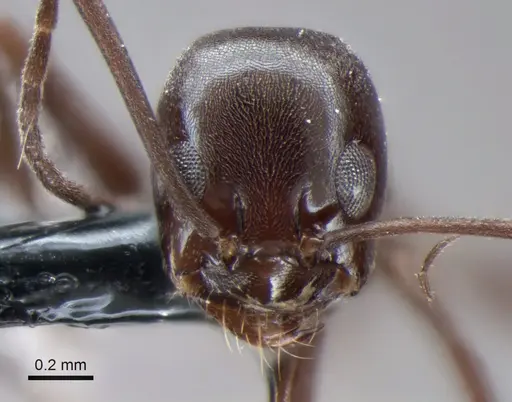
CASENT0173848
View on AntWeb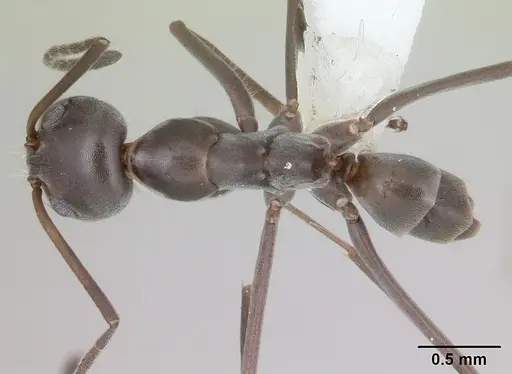
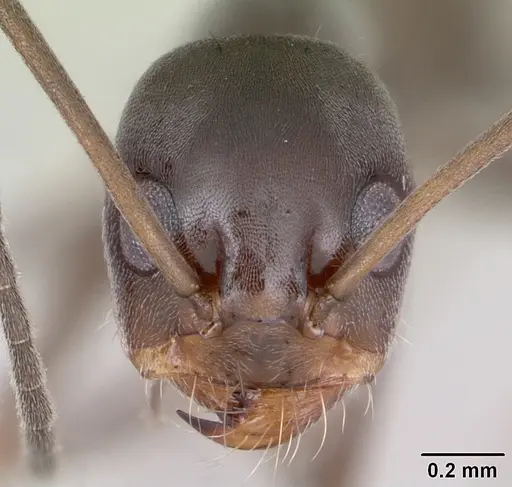
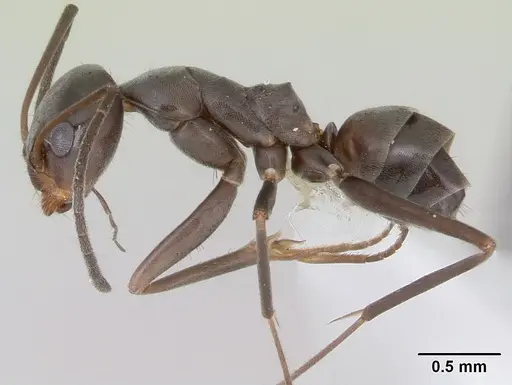
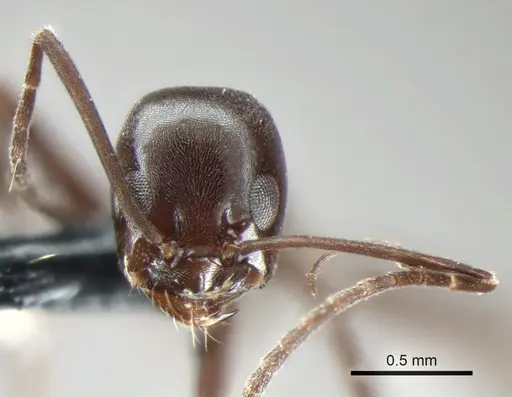
CASENT0173849
View on AntWeb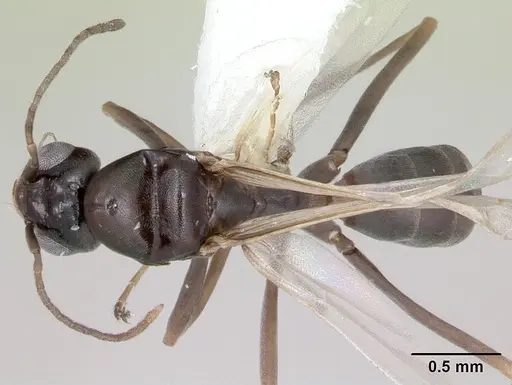
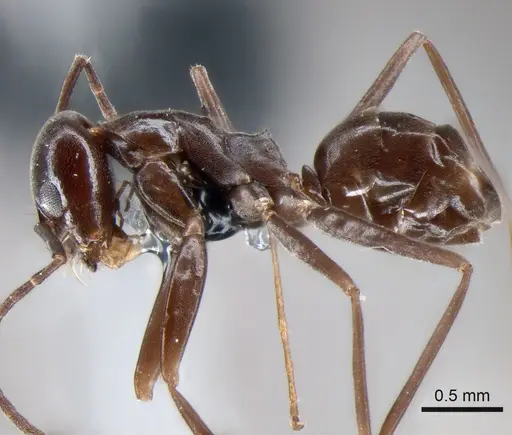
CASENT0841169
View on AntWeb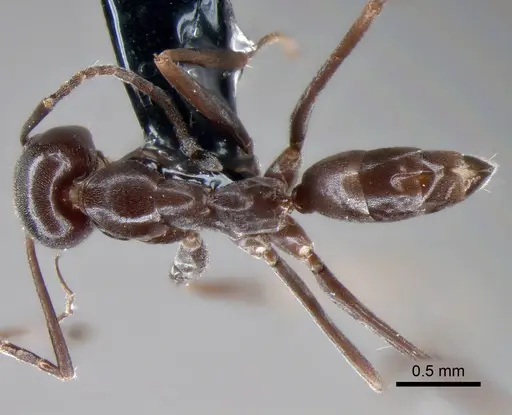
CASENT0909738
View on AntWeb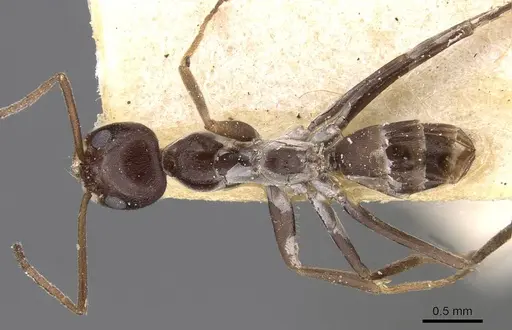
Literature
Loading...Loading products...