

Dorymyrmex flavescens
- Scientific Name
- Dorymyrmex flavescens
- Tribe
- Leptomyrmecini
- Subfamily
- Dolichoderinae
- Author
- Mayr, 1866
- Distribution
- Found in 1 countries
Dorymyrmex flavescens Overview
Dorymyrmex flavescens is an ant species of the genus Dorymyrmex. It is primarily documented in 1 countries , including Argentina. Detailed taxonomic data and occurrence records can be further explored via authoritative databases such as AntWeb or the Global Biodiversity Information Facility (GBIF).
Dorymyrmex flavescens
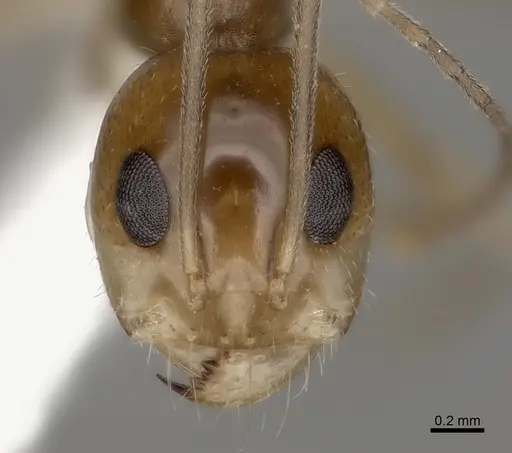
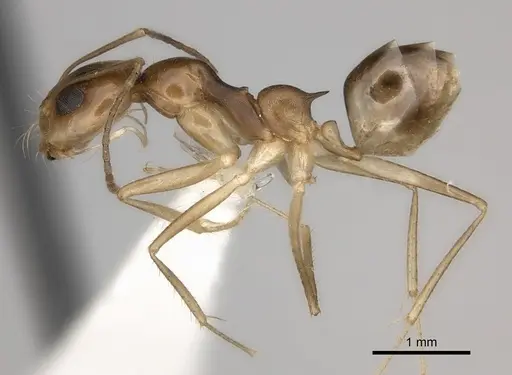
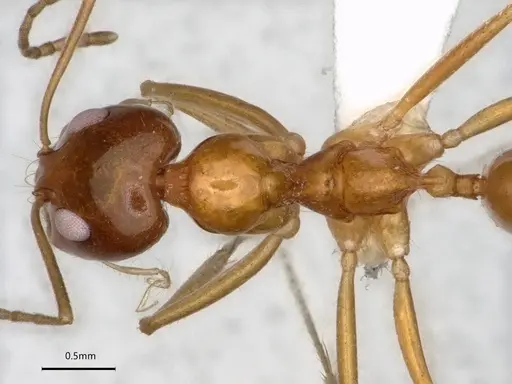
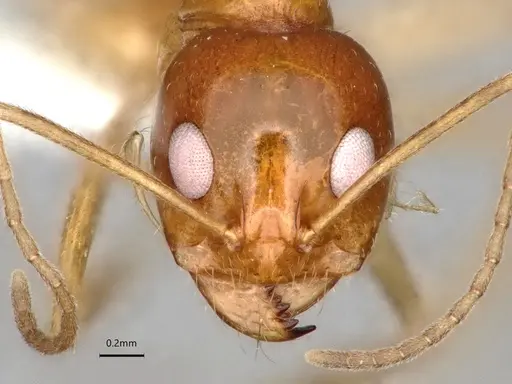
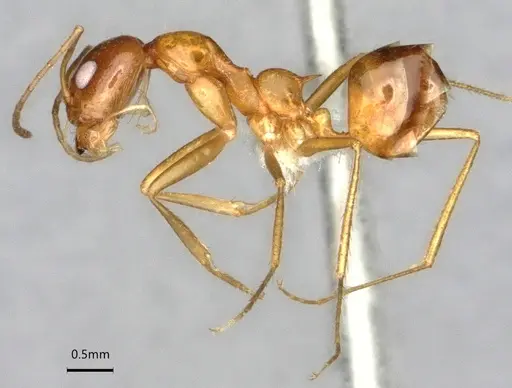
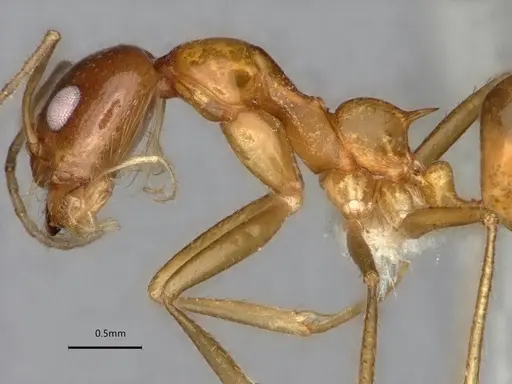
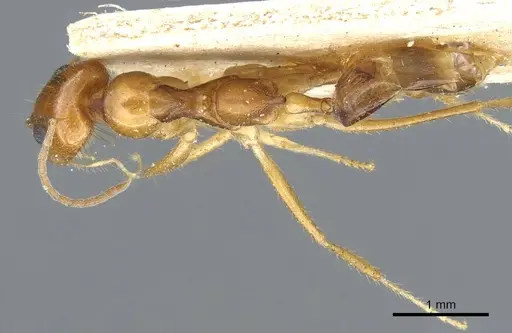
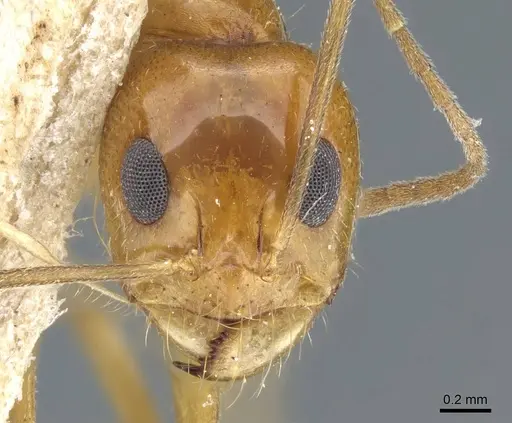
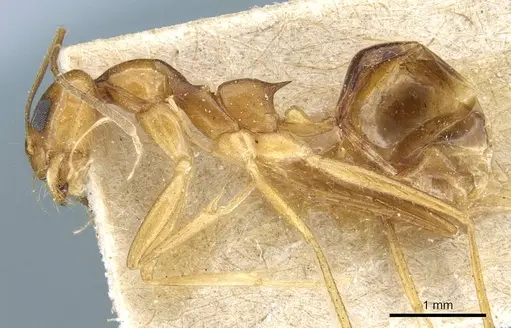
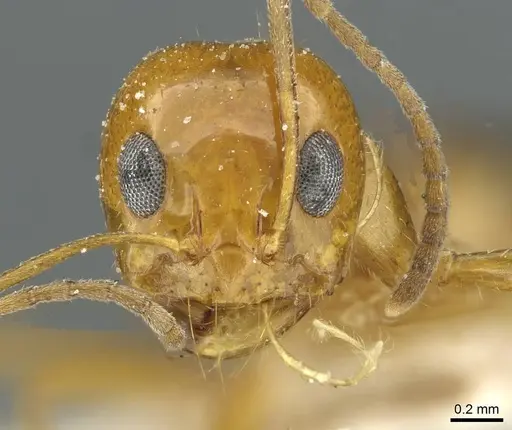
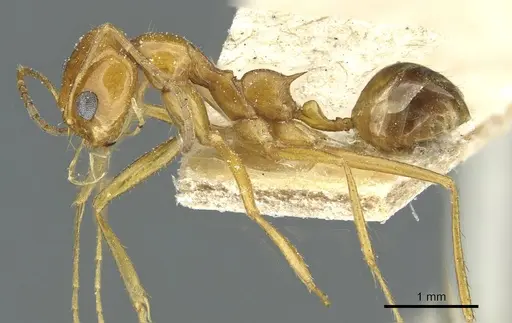
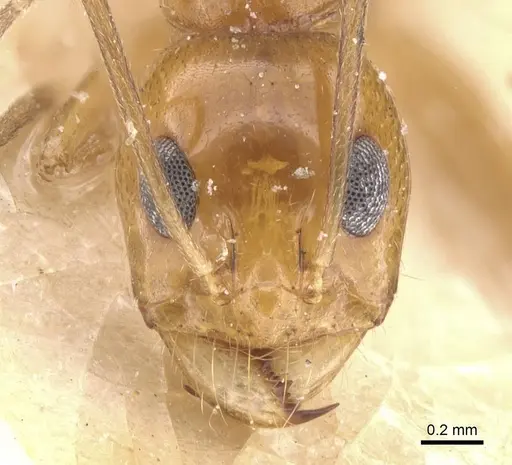
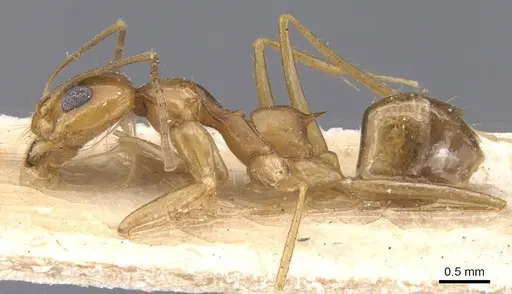
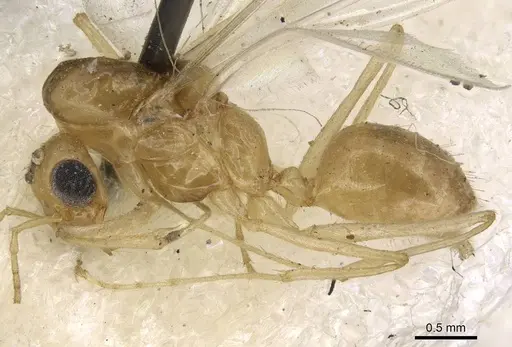
Dorymyrmex flavescens is a medium-sized dolichoderine ant native to Argentina, measuring around 5mm for workers and 8mm for queens [1]. They have a distinctive yellowish color with a shiny appearance and are easily recognized by their pyramid-shaped propodeum (the segment behind the thorax) which features a prominent spiny process [2]. This species belongs to the D. flavescens species group and serves as the type species for that group, meaning it's the reference species the group is named after [2].
These ants are commonly found in vineyard regions of Mendoza, Argentina, where they inhabit open, disturbed areas and are known to nest in the ground [3]. Like other Dolichoderinae ants, they lack a stinger but can defend themselves through biting and releasing defensive chemicals. They are active foragers that build nests in soil, often creating visible crater-like entrances in open ground.
Quick Summary
- Difficulty: Easy
- Origin & Habitat: Native to central Argentina, particularly Mendoza, Rio Negro, and Chubut provinces. They inhabit open areas including vineyards and grassland habitats in the Neotropical region [3][4].
- Colony Type: Likely monogyne (single queen colonies) based on typical Dorymyrmex patterns. Queens measure 8mm and workers are approximately 5mm [1][5]. Colony size is moderate, likely reaching several hundred workers.
- Colony: Monogyne
- Founding: Claustral
- Size & Growth:
- Queen: 8mm [1]
- Worker: 5mm [5]
- Colony: Estimated several hundred workers based on genus patterns
- Growth: Moderate, estimated based on related Dolichoderinae
- Development: Estimated 6-8 weeks based on typical Dolichoderinae development at warm temperatures (Development time is inferred from related species in the subfamily, specific data for this species is unavailable)
- Antkeeping:
- Temperature: Keep at 24-28°C. They are found in temperate to warm regions of Argentina and benefit from moderate heating [3]. A thermal gradient allowing them to choose their preferred temperature is ideal.
- Humidity: Moderate humidity around 50-60%. These ants prefer drier conditions typical of open Argentine habitats. Allow the nest substrate to dry partially between waterings.
- Diapause: Likely requires a winter rest period (diapause) of 2-3 months at 10-15°C, consistent with Argentine temperate climate patterns. Reduce feeding and keep cool during winter months.
- Nesting: Ground-nesting species that prefers dry, well-drained nest conditions. A Y-tong (AAC) nest or plaster formicarium works well. They do best with some dry areas in the nest. Avoid overly humid conditions.
- Behavior: These ants are active foragers that readily search for food. They are not aggressive toward keepers but will defend their nest if threatened. Workers are medium-sized at 5mm, making them easy to handle. They are moderate escape artists, standard barrier methods like fluon on test tube rims work well. They are diurnal and particularly active during warmer months.
- Common Issues: colonies may struggle if humidity is too high, keep nest conditions relatively dry, winter diapause is important, skipping hibernation can weaken colonies over time, queens can be difficult to establish in captivity, ensure claustral conditions with minimal disturbance, foundations may fail if stressed during the first few weeks, avoid checking on newly sealed queens, moderate growth rate means patience is required, don't overfeed or disturb developing colonies
Nest Preferences and Housing
Dorymyrmex flavescens is a ground-nesting species that naturally creates nests in soil, often in open sunny areas with well-drained ground [3]. In captivity, they adapt well to various nest types. Y-tong (AAC) nests or plaster formicariums work best because these materials allow you to control humidity levels more easily than in test tubes. The key is providing relatively dry conditions, these ants from central Argentina prefer nests that aren't constantly moist. Create a gradient within the nest so workers can choose between slightly humid and dry areas. The outworld should be simple with easy access to food. Use a test tube setup for founding colonies, then move to a proper nest once the colony reaches 20-30 workers.
Feeding and Diet
Like other Dorymyrmex species, these ants are omnivorous and will accept both sugar sources and protein. Offer sugar water, honey, or diluted syrup as a constant energy source. For protein, provide small insects like fruit flies, small crickets, or mealworms. They are active foragers, so place food in the outworld where they can easily find it. In their natural habitat in Mendoza's vineyard regions, they likely forage for nectar and small arthropods [4]. Feed protein 2-3 times per week and keep sugar water available at all times. Remove uneaten prey after 24 hours to prevent mold.
Temperature and Seasonal Care
These ants come from temperate Argentina where temperatures vary significantly between seasons. Keep the nest at 24-28°C during the active season for optimal brood development. They benefit from a thermal gradient so workers can regulate their temperature by moving between warmer and cooler areas of the nest. During winter (roughly November-February in the Southern Hemisphere where they originate), reduce temperatures to 10-15°C for a diapause period of 2-3 months. During hibernation, stop feeding sugar water entirely and offer only occasional small protein meals once monthly. Return to warm conditions gradually in spring to trigger renewed activity and egg-laying. [1]
Behavior and Temperament
Dorymyrmex flavescens workers are active and alert, constantly foraging in the outworld for food. They are not particularly aggressive toward humans but will bite if their nest is threatened. Unlike some Dolichoderinae, they don't have a functional stinger, but they can release unpleasant chemicals from their abdomen as a defense mechanism. Workers communicate through chemical trails, so you'll often see them establishing foraging paths to food sources. They are diurnal and most active during daylight hours. Colonies establish clear territorial boundaries around their nest entrance. The workers are medium-sized at 5mm, making them easy to observe and handle during routine maintenance. [5][2]
Frequently Asked Questions
How long does it take for Dorymyrmex flavescens to raise first workers?
Expect first workers (nanitics) to emerge in 6-8 weeks after the queen lays eggs, assuming temperatures around 24-28°C. This is an estimate based on related Dolichoderinae species, as specific development data for this species is not available.
What temperature should I keep Dorymyrmex flavescens at?
Keep the nest at 24-28°C during the active season. They can tolerate temperatures down to around 15°C but prefer warmth. A heating cable on one side of the nest creates an ideal thermal gradient.
Do Dorymyrmex flavescens need hibernation?
Yes, they likely require a winter diapause period of 2-3 months at 10-15°C. This matches their natural habitat in temperate Argentina where winters are cool. Skipping hibernation can weaken the colony over time.
Can I keep multiple Dorymyrmex flavescens queens together?
This species is likely monogyne (single queen per colony). Combining unrelated queens is not recommended as they would likely fight. Only one queen should be kept per colony.
What do Dorymyrmex flavescens eat?
They are omnivorous. Offer sugar water or honey constantly for energy, and feed small insects like fruit flies, small crickets, or mealworms 2-3 times per week for protein.
Are Dorymyrmex flavescens good for beginners?
Yes, they are considered easy to keep. They are resilient, don't require extreme humidity, and adapt well to captive conditions. Their moderate size and straightforward care requirements make them suitable for antkeepers with some basic experience.
How big do Dorymyrmex flavescens colonies get?
Based on typical Dorymyrmex patterns, colonies likely reach several hundred workers at maturity. Specific colony size data for this species is not available, but related species in the genus typically max out around 300-500 workers.
When should I move Dorymyrmex flavescens from a test tube to a formicarium?
Move them once the colony reaches 20-30 workers and the test tube setup becomes cramped. Make sure the new nest provides appropriate dry conditions that this species prefers.
Why is my Dorymyrmex flavescens colony declining?
Common causes include excessive humidity (keep conditions relatively dry), improper temperatures, or skipping the winter diapause. Also check for stress from too-frequent disturbances. Ensure the queen is still laying eggs and that workers are actively foraging.
References

This caresheet is licensed under CC BY-SA 4.0 .
CASENT0217408
View on AntWeb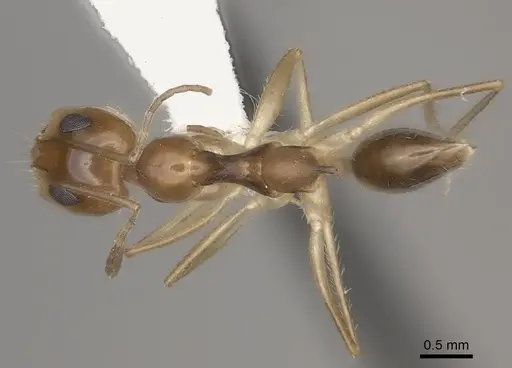
CASENT0841496
View on AntWeb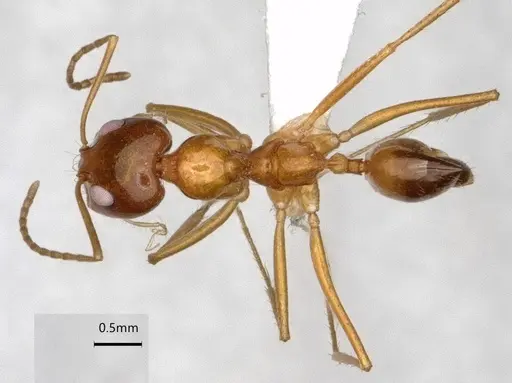
CASENT0905111
View on AntWeb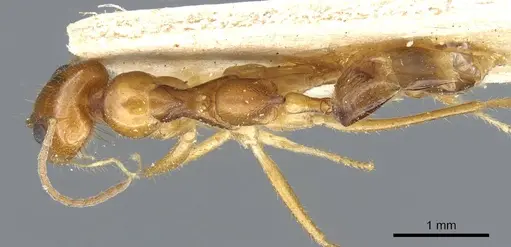
CASENT0911540
View on AntWeb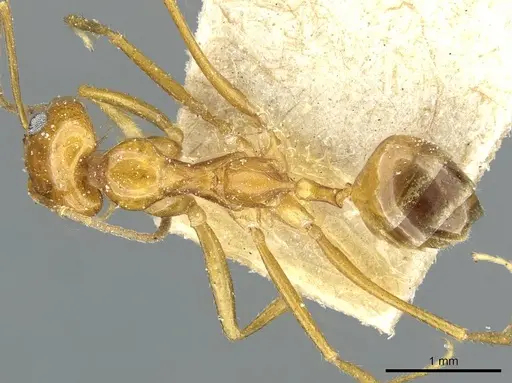
CASENT0911541
View on AntWeb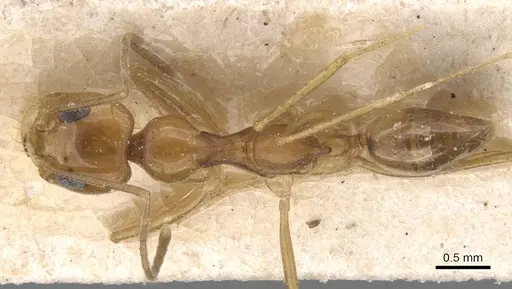
CASENT0915584
View on AntWeb
Literature
Loading...Loading products...