

Dorymyrmex elegans
- Scientific Name
- Dorymyrmex elegans
- Tribe
- Leptomyrmecini
- Subfamily
- Dolichoderinae
- Author
- Trager, 1988
- Distribution
- Found in 1 countries
Dorymyrmex elegans Overview
Dorymyrmex elegans is an ant species of the genus Dorymyrmex. It is primarily documented in 1 countries , including United States of America. Detailed taxonomic data and occurrence records can be further explored via authoritative databases such as AntWeb or the Global Biodiversity Information Facility (GBIF).
Dorymyrmex elegans
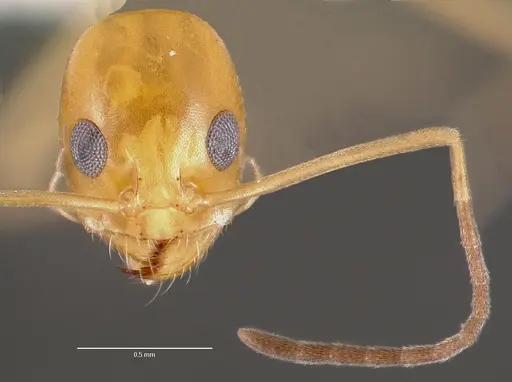
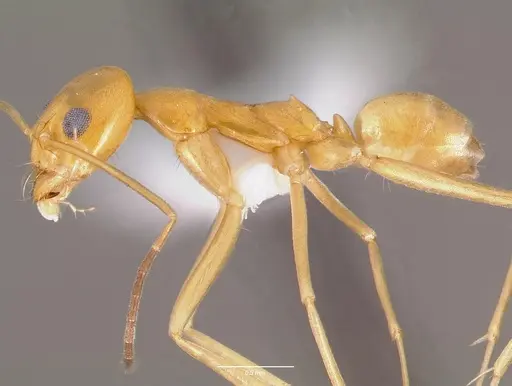
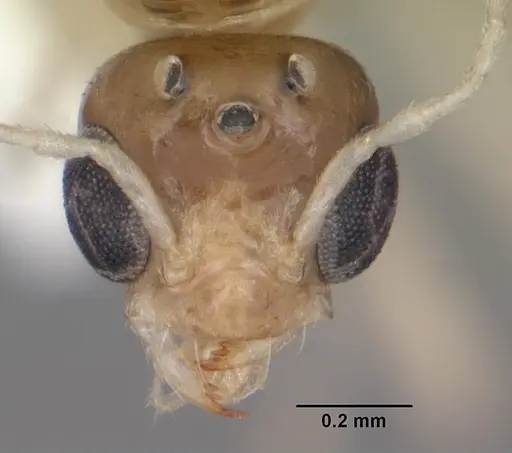
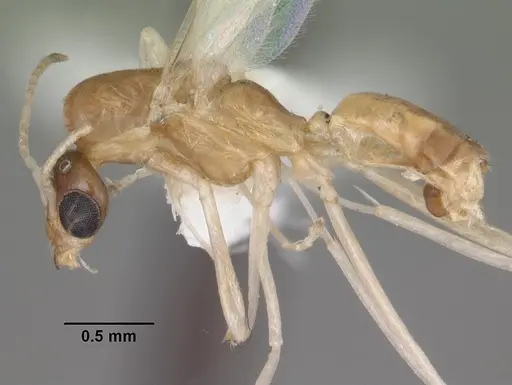
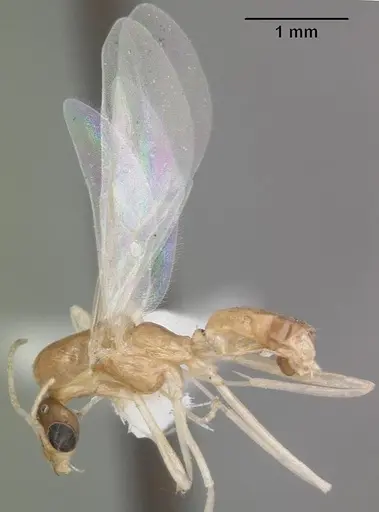
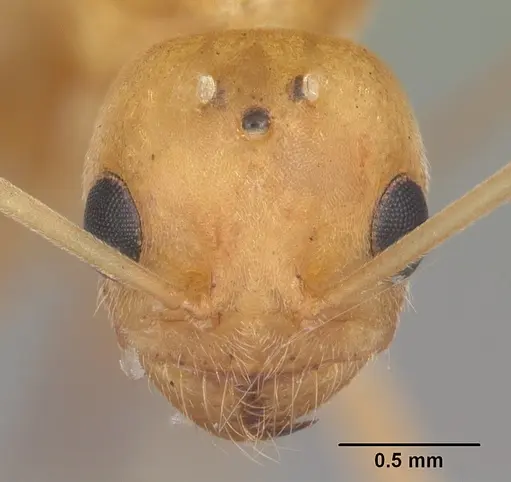
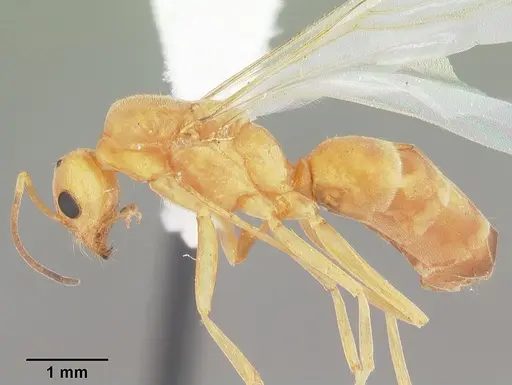
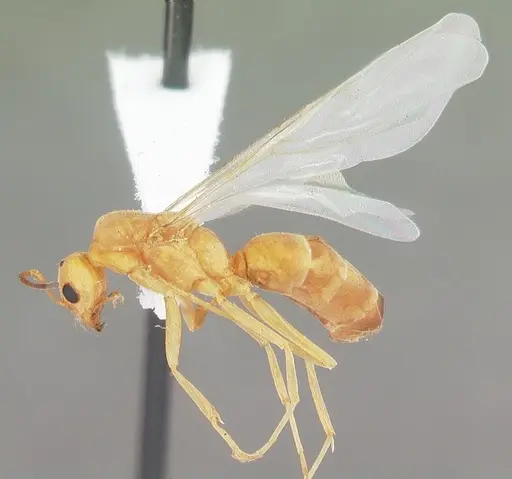
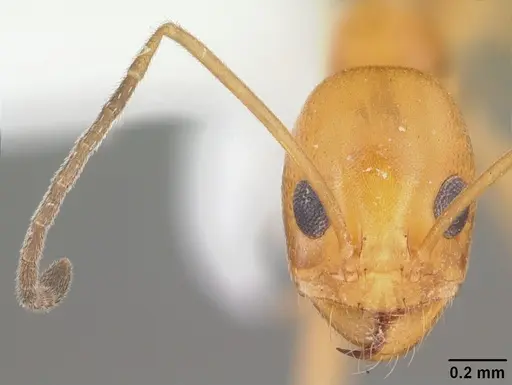
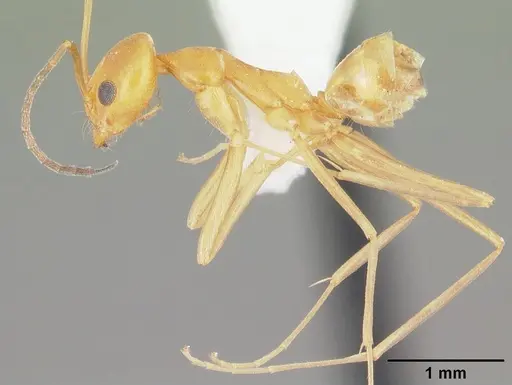
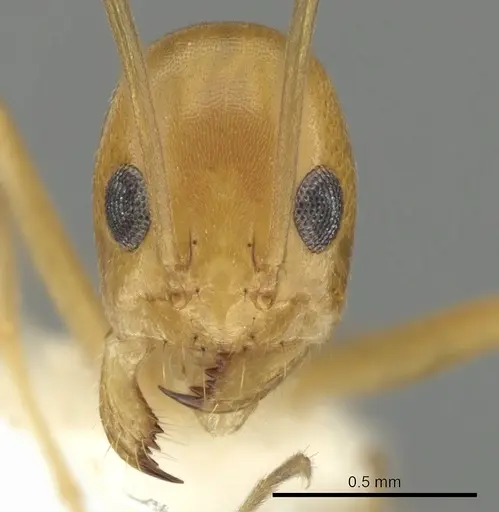
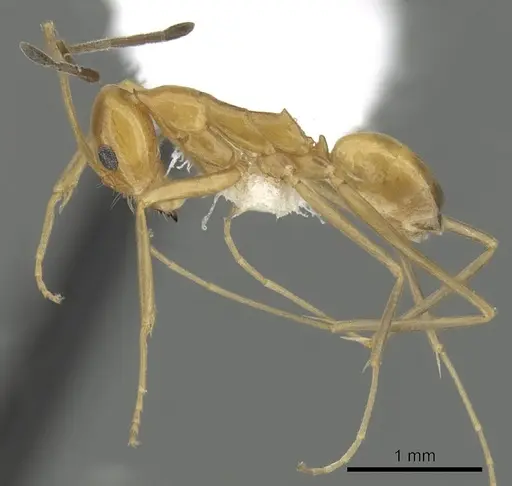
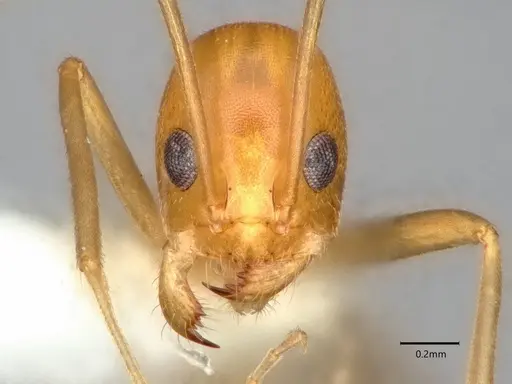
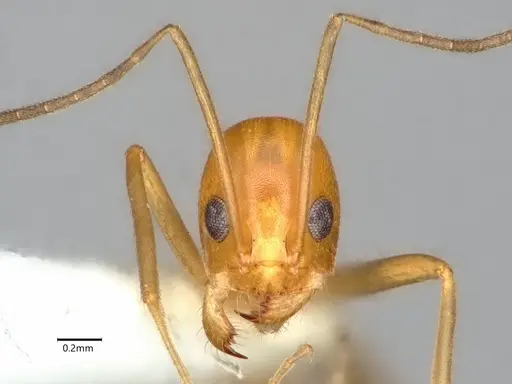
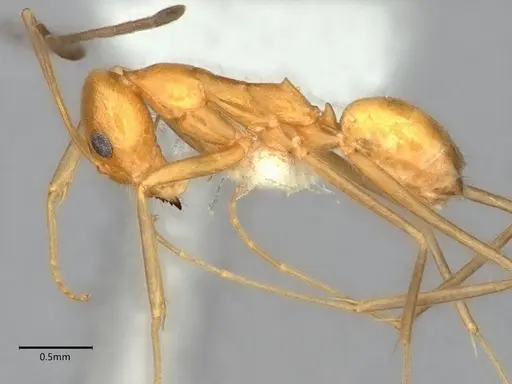
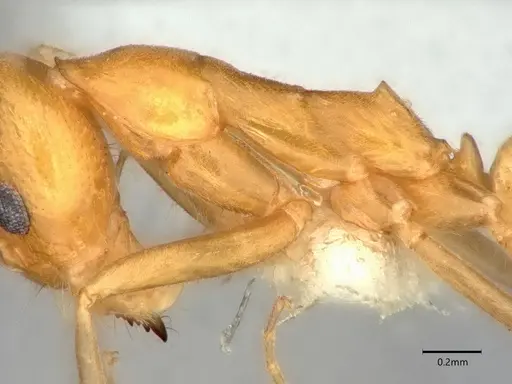
Dorymyrmex elegans is a slender, delicate ant native to the scrubland of south-central Florida. Workers are a striking clear yellow color with an unusually elongated body, small narrow head, and remarkably long legs and antennae, giving them an elegant, graceful appearance that earned them their species name (elegans means 'exquisite' or 'graceful' in Latin). This is one of the most unusual Dorymyrmex phenotypes in the Nearctic region, with an elongated form that sets it apart from its relatives [1]. They are crepuscular-nocturnal, meaning they're most active at dawn, dusk, and at night, though they also emerge on cool or overcast days [2]. The species has an extremely limited distribution, found only in a few square miles of Florida scrubland near Archbold Biological Station [2].
Quick Summary
- Difficulty: Medium
- Origin & Habitat: Endemic to south-central Florida scrubland, specifically the southern Lake Wales Ridge region. They nest in xeric (dry) woodlands and post-fire successional scrub vegetation, often near clumps of scrub hickory (Carya floridana). Nest entrances are marked by small craters of yellow subsoil contrasting with whitish surface sand [2][3].
- Colony Type: Colony structure is not well documented in scientific literature. Based on typical Dorymyrmex patterns, they are likely monogyne (single queen) colonies, though this requires confirmation.
- Size & Growth:
- Queen: Approximately 1.2mm head length (single specimen measured) [2]
- Worker: 0.79-0.95mm head length,1.23-1.50mm mesosoma length [2]
- Colony: Unknown from scientific literature, likely moderate sized based on related species
- Growth: Unknown, no development data available
- Development: Unconfirmed, no direct development studies exist for this species. Based on typical Dorymyrmex and Dolichoderinae patterns, estimate 6-10 weeks at optimal temperature. (Development timeline is not directly studied. Estimates based on genus-level data.)
- Antkeeping:
- Temperature: Based on their Florida scrub habitat, keep them warm but not hot. Aim for roughly 24-28°C during active season, with a slight temperature gradient. They naturally occur in warm xeric habitats.
- Humidity: Dry to moderate, these are xeric (dry-loving) ants from scrubland habitats. Keep nest substrate relatively dry, similar to their natural sandy scrub environment. Avoid excessive moisture.
- Diapause: Unknown, no specific research on diapause requirements. Florida experiences mild winters, so they likely have reduced activity periods rather than true hibernation. Consider a cool period (15-18°C) during winter months.
- Nesting: In nature they nest in sandy soil, often under stones or in openings in scrub vegetation. A naturalistic setup with sandy substrate or a Y-tong/plaster nest with dry conditions works well. They prefer narrow chambers and construct distinctive crater-shaped nest entrances.
- Behavior: Workers have a peculiar slow, jerky gait that seems unexpected given their long legs, this is a distinctive behavioral trait. However, when threatened they switch to fast, unbroken dashes to escape. They are crepuscular-nocturnal, so they're most active during lower light conditions. As Dolichoderinae ants, they do not have a stinger and rely on chemical defense and escape. Their small size (under 1mm) means escape prevention is important, use fine mesh barriers. They are generally non-aggressive and will flee from disturbance.
- Common Issues: extremely limited distribution in the wild, this is a rare species that may be difficult to acquire legally, no scientific data on colony size or growth rates makes care planning uncertain, crepuscular-nocturnal activity pattern means they're less visible during typical daytime observation hours, dry habitat requirements mean overwatering is a serious risk, these ants will not tolerate soggy conditions, very small worker size (under 1mm) requires excellent escape prevention with fine mesh barriers
Natural History and Distribution
Dorymyrmex elegans is one of the most geographically restricted ant species in North America. It is endemic to the scrubland of south-central Florida, specifically the southern Lake Wales Ridge, with an extremely limited range of just a few square miles [1][3]. This restricted distribution makes it a species of special conservation concern, though the areas around Archbold Biological Station are protected. The species exemplifies a distribution pattern common in plants and some reptiles but rare in insects, a highly localized endemic. Despite their limited range, they are abundant within this area. They have also been recorded in very small numbers in Nuevo León, Mexico (just 3 specimens), representing either a very rare introduction or a previously unknown population [4][5]. In their Florida habitat, they nest in xeric (dry) woodlands and areas recovering after fire (post-fire successional scrub). They are often found near scrub hickory (Carya floridana), and their nest entrances are distinctive, small craters of yellow subsoil that contrasts with the whitish surface sand [2].
Activity Patterns and Behavior
This species has unusual activity patterns compared to most ants. Dorymyrmex elegans is crepuscular-nocturnal, meaning it's most active during dawn, dusk, and nighttime hours. They will also emerge on cool or overcast days when sunlight is limited [2]. This behavior likely helps them avoid predators and competition with diurnal ant species. Their workers have a distinctive slow, jerky gait that seems oddly deliberate for such long-legged ants, this is a recognizable behavioral trait. However, when threatened or disturbed, they switch to fast, unbroken dashes to escape danger. They have low tolerance for habitat disturbance but can sometimes be found nesting in footpaths where there is some human traffic. Males have been collected at nest entrances in early October, suggesting nuptial flights occur around that time, though the exact flight habits are unknown [2].
Housing and Nest Setup
For captive care, recreate their natural xeric scrubland conditions. These ants nest in sandy soil in the wild, so a naturalistic setup with sandy substrate works well, or you can use a Y-tong/plaster nest with dry conditions. The key is keeping the nest relatively dry, these are not humidity-loving ants. They prefer narrow chambers scaled to their tiny size (workers are under 1mm). In nature, they construct distinctive crater-shaped nest entrances from yellow subsoil, so providing some loose sandy material for them to manipulate can encourage natural behavior. Since they're crepuscular-nocturnal, you won't see much activity during normal daytime hours, this is normal, not a sign of problems. Place the nest in a location with stable temperatures around 24-28°C and avoid excessive lighting that might stress them. [2]
Feeding and Diet
Like most Dorymyrmex species, they likely have an omnivorous diet typical of Dolichoderine ants. They probably forage for honeydew from aphids and scale insects, and collect small insects for protein. In captivity, offer sugar water or honey water as a constant energy source, and provide small protein sources like fruit flies, pinhead crickets, or other tiny arthropods. Since they're small and nocturnal/crepuscular, place food in the outworld during evening hours when they're most likely to forage. Remove uneaten protein after 24-48 hours to prevent mold. The exact dietary preferences of D. elegans specifically have not been studied, so their acceptance of various foods may require some experimentation.
Temperature and Seasonal Care
Based on their Florida scrubland origin, these ants prefer warm conditions but not extreme heat. Aim for temperatures in the 24-28°C range during the active season, with some variation allowed. They can likely tolerate slightly cooler temperatures given Florida's seasonal changes, but avoid cold drafts. During winter months, a slight reduction to around 18-22°C is appropriate, simulating their natural seasonal slowdown. True diapause requirements are unknown for this species, but they likely have reduced activity during Florida's mild winters rather than deep hibernation. Monitor your colony, if workers become less active and cluster together, that's a natural seasonal response. Avoid keeping them too cold or too wet during winter, as this can be fatal.
Frequently Asked Questions
How long does it take for Dorymyrmex elegans to go from egg to worker?
The exact development timeline has not been scientifically documented for this species. Based on typical Dorymyrmex and Dolichoderinae patterns, expect approximately 6-10 weeks from egg to first worker at optimal temperature (around 24-28°C). This is an estimate, actual development may vary.
Are Dorymyrmex elegans ants good for beginners?
This species is rated as Medium difficulty. While not extremely difficult to keep, there is limited scientific data on their specific care requirements, and their crepuscular-nocturnal activity pattern means you'll see less activity during daytime hours. They also require dry conditions, which differs from many beginner species. Their extremely limited wild distribution also makes them a rare species that may be difficult to source.
What temperature should I keep Dorymyrmex elegans at?
Keep them warm, around 24-28°C during the active season. This matches their natural Florida scrubland habitat. A slight temperature gradient allows the colony to choose their preferred zone. During winter, a cooler period around 18-22°C is appropriate.
How big do Dorymyrmex elegans colonies get?
The maximum colony size is not documented in scientific literature. Based on related Dorymyrmex species, expect moderate-sized colonies, likely in the hundreds to low thousands of workers. They are not known for forming supercolonies.
Can I keep multiple Dorymyrmex elegans queens together?
The colony structure (monogyne vs polygyne) has not been specifically studied for this species. Based on typical Dorymyrmex patterns, they likely form single-queen colonies. Combining unrelated queens is not recommended since this has not been documented and could result in aggression.
What do Dorymyrmex elegans ants eat?
They likely have an omnivorous diet similar to other Dorymyrmex species, primarily honeydew from aphids and scale insects, plus small insects for protein. In captivity, offer sugar water or honey water as a constant carbohydrate source, and provide small protein sources like fruit flies or tiny crickets. Place food in the evening since they're nocturnal/crepuscular.
Do Dorymyrmex elegans need hibernation?
True diapause requirements are unknown for this species. Florida has mild winters, so they likely have a period of reduced activity rather than deep hibernation. A cool period around 15-18°C during winter months is appropriate, but avoid prolonged cold temperatures. Keep them slightly cooler in winter but not cold.
Why are my Dorymyrmex elegans not visible during the day?
This is completely normal behavior. Dorymyrmex elegans is crepuscular-nocturnal, meaning they're most active at dawn, dusk, and nighttime. They'll remain in the nest or move slowly during daylight hours. Check the outworld in the evening or with a red light to observe their activity.
Is Dorymyrmex elegans an invasive species?
No. Dorymyrmex elegans is endemic to Florida and has an extremely restricted range. It is not invasive anywhere. In fact, it's a species of conservation concern due to its limited distribution in the wild.
References

This caresheet is licensed under CC BY-SA 4.0 .
CASENT0003314
View on AntWeb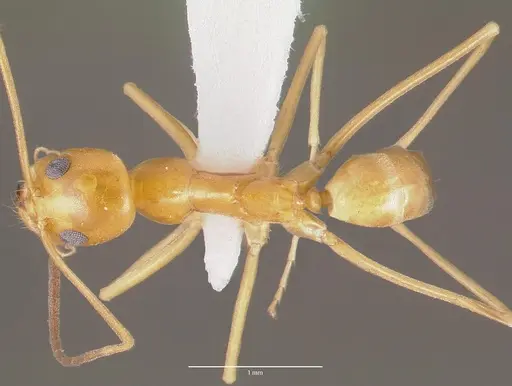
CASENT0103869
View on AntWeb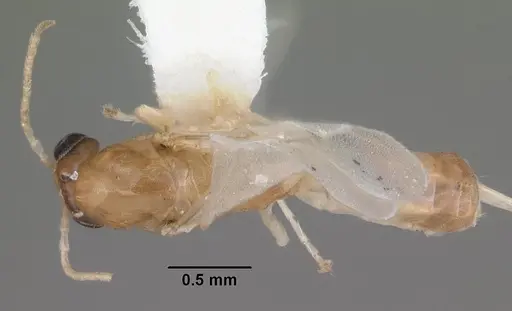
CASENT0103875
View on AntWeb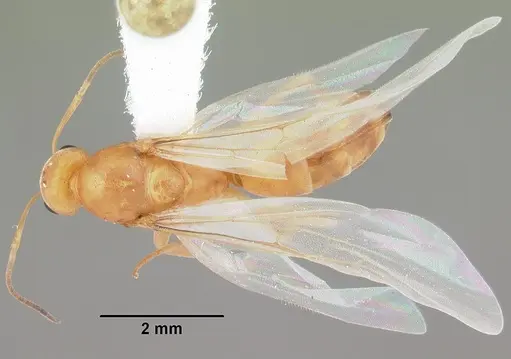
CASENT0103876
View on AntWeb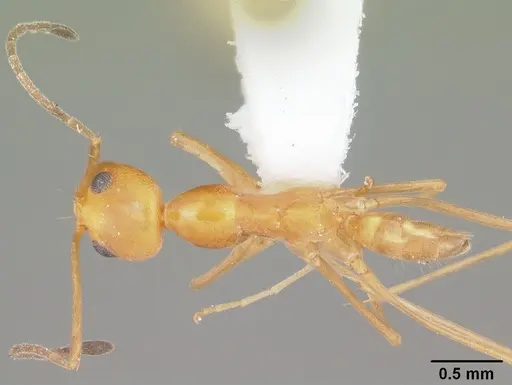
CASENT0249671
View on AntWeb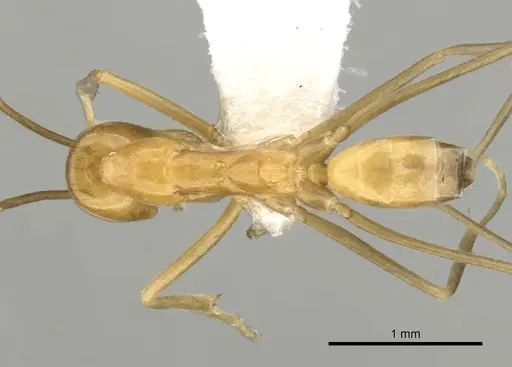
CASENT0841000
View on AntWeb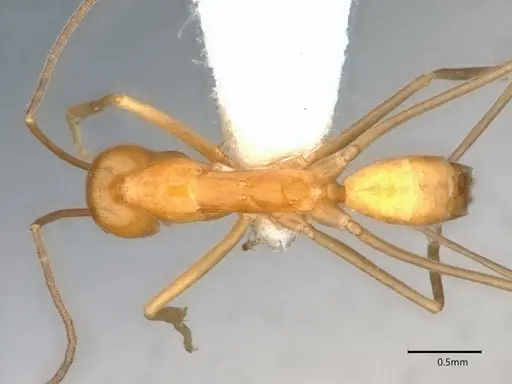
Literature
Loading...Loading products...