

Dorymyrmex confusus
- Scientific Name
- Dorymyrmex confusus
- Tribe
- Leptomyrmecini
- Subfamily
- Dolichoderinae
- Author
- Kusnezov, 1952
- Distribution
- Found in 1 countries
Dorymyrmex confusus Overview
Dorymyrmex confusus is an ant species of the genus Dorymyrmex. It is primarily documented in 1 countries , including Argentina. Detailed taxonomic data and occurrence records can be further explored via authoritative databases such as AntWeb or the Global Biodiversity Information Facility (GBIF).
Dorymyrmex confusus
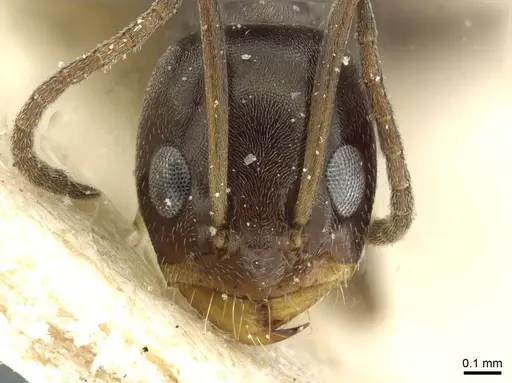
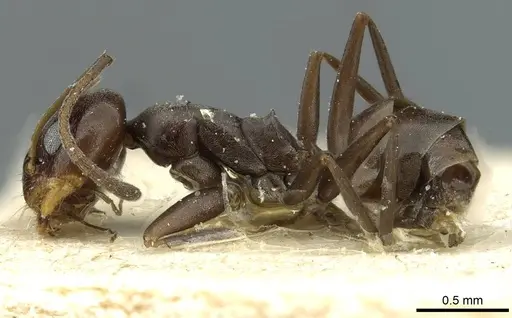
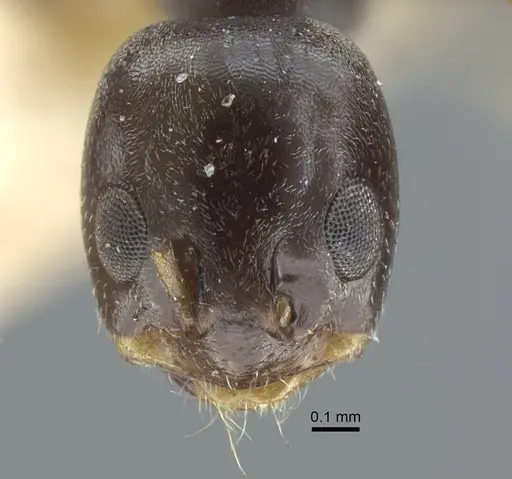
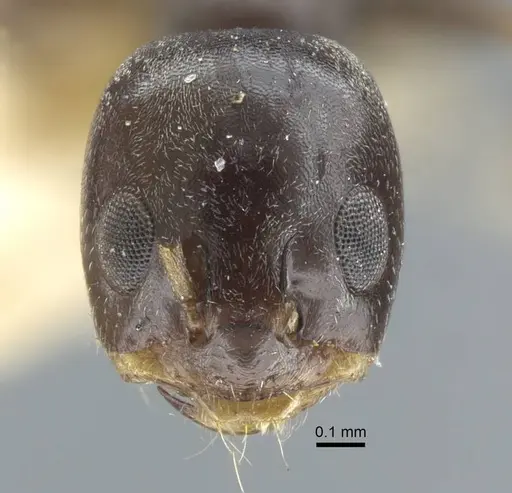
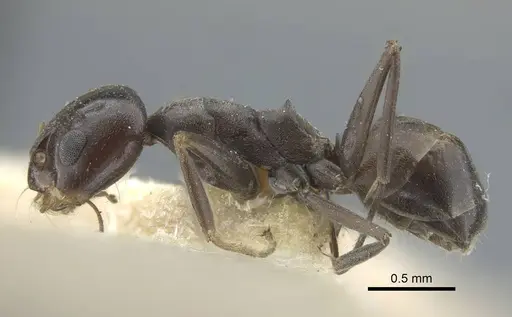
Dorymyrmex confusus is a small to medium-sized ant species belonging to the Dolichoderinae subfamily. Workers measure approximately 3-5mm and display the characteristic pyramid-shaped head that gives the genus its common name. They have a dark brown to black coloration with a relatively slender build. This species is native to the Patagonian region of Argentina, specifically Santa Cruz province, where it inhabits open, sunny areas typical of the genus. Dorymyrmex ants are known for their aggressive territorial behavior and ability to displace native ant species, making them ecologically significant in their native range.
Quick Summary
- Difficulty: Medium
- Origin & Habitat: Native to the Patagonian region of Argentina, specifically Santa Cruz province. In the wild, they nest in open, sunny areas with well-drained soil, typical of the Dorymyrmex genus preferences [1][2].
- Colony Type: Colony structure is not well documented for this specific species. Based on genus-level patterns, Dorymyrmex colonies are typically monogyne (single queen) with moderate colony sizes reaching several hundred workers.
- Colony: Monogyne
- Founding: Claustral
- Size & Growth:
- Queen: Estimated 6-8mm based on genus Dorymyrmex patterns [2]
- Worker: 3-5mm based on genus descriptions [2]
- Colony: Likely several hundred workers based on typical Dorymyrmex colony development [2]
- Growth: Moderate, estimated based on similar Dolichoderinae species
- Development: Estimated 6-8 weeks at optimal temperature based on related Dolichoderinae species (Development timeline is not specifically documented for this species, estimates based on genus-level data)
- Antkeeping:
- Temperature: Keep at 22-26°C. Provide a temperature gradient allowing workers to self-regulate. Patagonia experiences cool to moderate temperatures, so avoid overheating.
- Humidity: Low to moderate humidity preferred. These ants naturally inhabit drier, open areas. Keep nest substrate moderately dry with occasional misting for moisture.
- Diapause: Yes, based on Patagonian origin, colonies likely require a winter dormancy period of 2-3 months at 10-15°C.
- Nesting: Y-tong (acrylic) nests or plaster nests work well. They prefer干燥 conditions with minimal moisture. Provide a small water tube for drinking access.
- Behavior: Dorymyrmex confusus is alert and active, typical of Dolichoderine ants. Workers are quick-moving and can be aggressive when defending the nest. They have a functional stinger but its effectiveness on human skin is minimal due to their small size. Escape prevention should be moderate, they are not extreme escape artists but standard precautions apply.
- Common Issues: limited documentation makes specific care requirements uncertain, colonies may struggle if humidity is too high, prefer drier conditions, winter dormancy is likely required but exact timing unclear, aggressive toward other ant species if housed in multi-species setups, test tube setups may be too moist, prefer acrylic or plaster nests
Housing and Nest Preferences
Dorymyrmex confusus prefers drier nest conditions compared to many tropical ant species. Y-tong (acrylic) nests or plaster nests work well for this species. Avoid test tube setups unless you can ensure proper ventilation, as excess moisture can be problematic. The nest should have chambers scaled appropriately for 3-5mm workers, narrow passages are fine but avoid overly tight spaces. Provide a water tube for drinking access, as this species does drink free water. The outworld should be simple with minimal decoration, these are practical foragers rather than elaborate explorers. [2]
Feeding and Diet
Like other Dorymyrmex species, these ants are omnivorous with a preference for protein sources. Offer small insects like fruit flies, small crickets, or mealworms as primary protein. Sugar water, honey, or diluted maple syrup should be available at all times, Dolichoderinae ants generally have high sugar requirements. Feed protein 2-3 times per week, with sugar water refreshed every few days. Remove uneaten prey after 24 hours to prevent mold. These ants are active foragers and will quickly discover food in the outworld. [2]
Temperature and Seasonal Care
Maintain temperatures between 22-26°C during the active season. A slight temperature gradient is beneficial, allow workers to choose their preferred zone. During winter, reduce temperature to 10-15°C for 2-3 months to simulate Patagonian conditions. This winter dormancy is important for colony health and may trigger reproductive behavior in spring. Do not cool suddenly, reduce temperature gradually over 1-2 weeks. Room temperature within range is acceptable without additional heating in most climates. [2]
Behavior and Temperament
Dorymyrmex confusus workers are alert, quick-moving, and moderately aggressive when defending the colony. They are not among the most aggressive Dolichoderines but will readily attack perceived threats. Workers forage actively and will establish clear trails to food sources. Unlike some Dolichoderines, they do not have painful stings, the sting is present but ineffective on human skin due to their small size. They are not known for excessive biting either. Standard escape prevention measures are adequate, they are not particularly skilled at escaping compared to some tiny species. [2]
Colony Development
Colony growth is moderate, expect 6-8 weeks from egg to first worker under optimal conditions. The first generation (nanitics) will be smaller than mature workers. Colony size likely reaches several hundred workers at maturity. Queens are claustral and seal themselves in during founding, do not disturb the founding chamber. Once workers emerge, they will take over foraging and brood care. Growth rate depends on feeding consistency and temperature stability.
Frequently Asked Questions
How long does it take for Dorymyrmex confusus to produce first workers?
Expect 6-8 weeks from egg to first worker at optimal temperature (22-26°C). This is an estimate based on genus-level data, as specific development timing is not documented for this species.
What do Dorymyrmex confusus ants eat?
They are omnivorous. Offer small insects (fruit flies, small crickets, mealworms) as protein 2-3 times per week. Keep sugar water, honey, or maple syrup available at all times, Dolichoderinae ants have high sugar requirements.
What temperature do Dorymyrmex confusus ants need?
Keep them at 22-26°C during the active season. A temperature gradient is beneficial. During winter, provide 2-3 months of cool dormancy at 10-15°C.
Do Dorymyrmex confusus need hibernation?
Yes, based on their Patagonian origin, colonies benefit from a winter dormancy period of 2-3 months at reduced temperatures (10-15°C).
Are Dorymyrmex confusus good for beginners?
They are rated as medium difficulty. They have specific humidity requirements (prefer drier conditions) and need winter dormancy, which may require more advanced care than beginner species.
How big do Dorymyrmex confusus colonies get?
Based on genus patterns, colonies likely reach several hundred workers at maturity. Specific colony size data is not documented for this species.
Can I keep multiple queens together?
Dorymyrmex colonies are typically monogyne (single queen). Combining unrelated queens is not recommended as they may fight.
Why is my Dorymyrmex confusus colony dying?
Common issues include: too much humidity (they prefer drier conditions), lack of winter dormancy, insufficient protein feeding, or temperatures outside their 22-26°C range.
References

This caresheet is licensed under CC BY-SA 4.0 .
CASENT0911529
View on AntWeb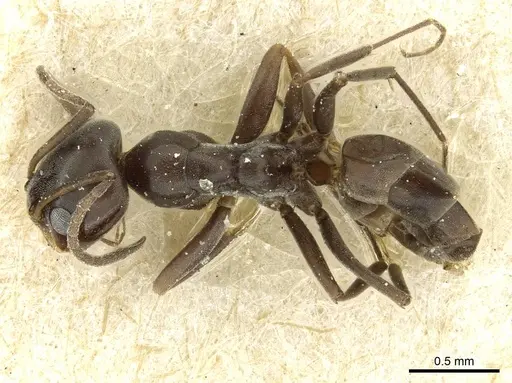
CASENT0917125
View on AntWeb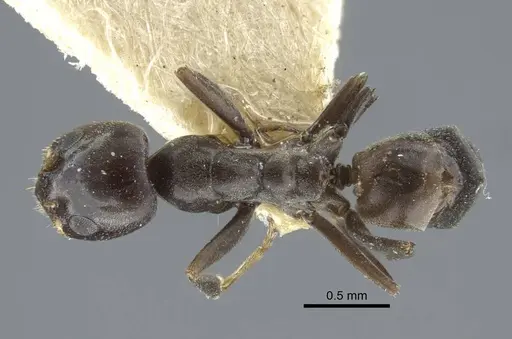
Literature
Loading...Loading products...