

Dorymyrmex carettei
- Scientific Name
- Dorymyrmex carettei
- Tribe
- Leptomyrmecini
- Subfamily
- Dolichoderinae
- Author
- Forel, 1913
- Distribution
- Found in 1 countries
Dorymyrmex carettei Overview
Dorymyrmex carettei is an ant species of the genus Dorymyrmex. It is primarily documented in 1 countries , including Argentina. Detailed taxonomic data and occurrence records can be further explored via authoritative databases such as AntWeb or the Global Biodiversity Information Facility (GBIF).
Dorymyrmex carettei
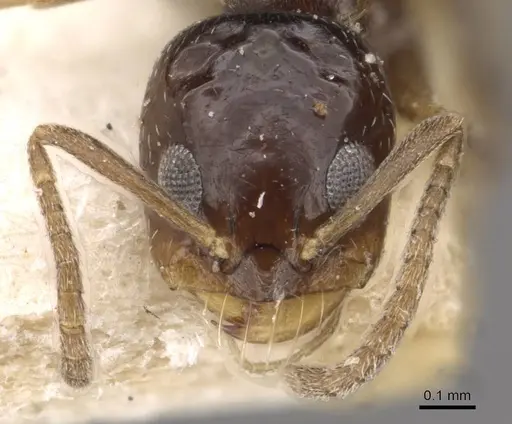
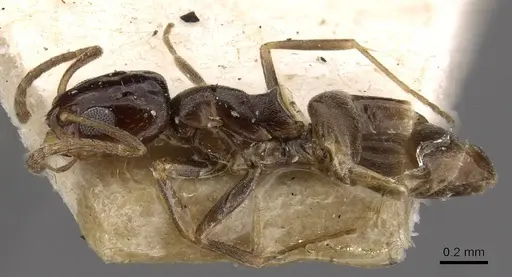
Dorymyrmex carettei is a small ant species native to Argentina, belonging to the Dolichoderinae subfamily. Workers are typically 3-5mm in length with the characteristic pyramid-shaped head that distinguishes the genus. They have a dark brown to black coloration and the typical dolichoderine smooth gaster. This species is found in the central Argentine regions, particularly in the Caldenal district, which is a grassland/savanna habitat in the country's temperate interior [1]. The species was first described by Forel in 1913 and has been recorded in forest and grassland habitats in Santiago del Estero and San Luis provinces [2][1].
The genus Dorymyrmex is known for its ground-nesting habits and ability to form moderate-sized colonies. These ants are active foragers that readily exploit honeydew from aphids and small insects. While not as flashy as some ant species, D. carettei represents a typical, adaptable Argentine ant that can thrive in disturbed areas and is an important part of the local ecosystem.
Quick Summary
- Difficulty: Easy
- Origin & Habitat: Central Argentina, particularly the Caldenal district and Santiago del Estero regions. They inhabit grassland and forest edge habitats in the temperate Argentine interior [1][2].
- Colony Type: Likely monogyne (single queen colonies) based on typical Dorymyrmex patterns, though colony structure has not been specifically documented for this species.
- Colony: Monogyne
- Founding: Claustral
- Size & Growth:
- Queen: Estimated 6-8mm based on genus typical sizes
- Worker: Estimated 3-5mm based on genus descriptions
- Colony: Likely several hundred workers based on typical Dorymyrmex colony sizes
- Growth: Moderate
- Development: Estimated 6-8 weeks at optimal temperature based on related Dolichoderinae species (Development time inferred from genus-level data, specific timing for this species unconfirmed)
- Antkeeping:
- Temperature: Keep at 22-26°C. They are from temperate Argentina and prefer warm but not extreme conditions. A heating cable on one side of the nest can create a gentle gradient if room temperature falls below this range.
- Humidity: Moderate humidity around 50-60%. These are ground-nesting ants from semi-arid to temperate grassland regions, so they prefer drier conditions compared to tropical species. Allow the nest substrate to dry partially between waterings.
- Diapause: Likely yes. Based on their Argentine distribution in temperate regions with distinct seasons, they probably require a winter rest period of 2-3 months at cooler temperatures (10-15°C).
- Nesting: Natural nesting occurs in soil, often under stones or in small mounds in grassland areas. In captivity, a standard formicarium with soil or plaster chambers works well. They do well in naturalistic setups that mimic their ground-nesting habits.
- Behavior: Dorymyrmex carettei workers are active foragers that readily search for food both on the ground and on low vegetation. They are not particularly aggressive and typically flee when disturbed rather than attack. Workers are small enough that escape prevention should be taken seriously, use standard barriers and ensure any gaps in the outworld are sealed. They are diurnal and most active during warmer hours. These ants form moderate colonies and are generally peaceful toward conspecifics within their own colony.
- Common Issues: colonies may be slow to establish during founding, patience is needed during the claustral period, escape prevention is important due to small worker size, winter dormancy is often required but timing and duration can vary by colony origin, wild-caught colonies may harbor parasites that affect captive survival, overheating can be more dangerous than slight underheating
Housing and Nest Setup
Dorymyrmex carettei does well in standard ant housing. For founding colonies, a test tube setup works fine, fill one end with water reservoir and use cotton to create a humid chamber. Once the colony reaches 20-30 workers, you can move them to a formicarium. A naturalistic setup with a soil chamber works well since these are ground-nesting ants from Argentina. Use a nesting area of at least 10x10cm with small chambers and passages scaled to their 3-5mm worker size. The outworld should have a small foraging area where you can place food. Ensure the nest maintains moderate humidity, these ants prefer conditions that dry out partially between waterings rather than constant saturation.
Feeding and Diet
Like most Dolichoderinae ants, Dorymyrmex carettei is omnivorous. They readily accept sugar sources, a drop of sugar water or honey will be quickly discovered and harvested by foragers. For protein, offer small insects like fruit flies, small crickets, or mealworm pieces. In the wild, they forage for honeydew from aphids and scale insects, plus small arthropods. Feed sugar water constantly (refresh every few days) and offer protein prey 2-3 times per week. Remove uneaten prey after 24-48 hours to prevent mold. Workers will store liquid food in their social stomach and share with nestmates through trophallaxis.
Temperature and Seasonal Care
Keep your colony at 22-26°C for optimal development. These ants come from central Argentina where temperatures are warm in summer but cool in winter. During the active season (spring through fall), room temperature in most homes is adequate. If needed, a heating cable on one side of the nest can provide extra warmth, place it on top of the nest to gently warm the chambers. In winter, allow a natural slowdown by moving the colony to a cooler location (10-15°C) for 2-3 months. This diapause period matches their natural seasonal cycle and helps maintain colony health long-term. Do not force hibernation if your colony originated from a warmer region, adjust based on how the ants respond.
Colony Development
A newly mated queen will seal herself into a small chamber and lay her first eggs without leaving to forage, this is claustral founding. She uses stored fat reserves to survive and feed the first brood. The first workers (nanitics) will be smaller than normal workers but will immediately begin foraging to support the growing colony. Expect 6-8 weeks from egg to first worker at warm temperatures, though this is estimated based on related species. Growth is moderate, a healthy colony should reach 50-100 workers within the first year. Maximum colony size is likely several hundred workers based on typical Dorymyrmex patterns. Colonies are monogyne (single queen) so you won't need to manage multiple reproductive females.
Behavior and Observation
Dorymyrmex carettei workers are active and visible foragers. They patrol the outworld in search of food and will quickly recruit nestmates when they discover a good food source. Unlike some aggressive ant species, they are relatively docile and will flee rather than attack when threatened. This makes them good for observation, you can watch their foraging behavior without major escape attempts or defensive swarming. Workers are small but not extremely so, and they can squeeze through small gaps. Use standard escape prevention (fluon barrier on rim, fine mesh on any ventilation). They are most active during daylight hours and may reduce activity in cooler temperatures.
Frequently Asked Questions
How long does it take for Dorymyrmex carettei to produce first workers?
Expect 6-8 weeks from egg to first worker at optimal temperatures (22-26°C). This is an estimate based on related Dolichoderinae species since specific development timing for D. carettei has not been documented. The queen will remain sealed in her founding chamber until nanitic workers emerge.
What temperature do Dorymyrmex carettei ants need?
Keep them at 22-26°C. This species comes from temperate Argentina and prefers warm but not hot conditions. Room temperature is usually adequate. A slight heating gradient can be provided if your home is cool.
Can I keep multiple Dorymyrmex carettei queens together?
This species is likely monogyne (single queen colonies) based on typical Dorymyrmex patterns. It is not recommended to combine unrelated foundress queens as they would likely fight. A single established queen per colony is the standard approach.
Do Dorymyrmex carettei need hibernation?
Yes, they likely require a winter rest period. Based on their Argentine distribution with distinct seasons, provide 2-3 months at 10-15°C in winter. This mimics their natural seasonal cycle and helps maintain colony health.
What do Dorymyrmex carettei ants eat?
They are omnivorous. Offer sugar water or honey constantly for carbohydrates, plus small insects (fruit flies, small crickets, mealworms) for protein 2-3 times per week. They will also collect honeydew if aphids are available.
Are Dorymyrmex carettei good for beginners?
Yes, they are considered an easy species. They are adaptable, not aggressive, and have straightforward care requirements. Their main needs are warm temperatures, moderate humidity, and a winter rest period.
How big do Dorymyrmex carettei colonies get?
Colony size is estimated at several hundred workers based on typical Dorymyrmex patterns. They are not supercolony species but can form substantial colonies over 2-3 years of growth.
When should I move Dorymyrmex carettei to a formicarium?
Move them once the colony reaches 20-30 workers. Before that, a test tube setup is fine for the founding colony. A naturalistic setup with soil chambers works well since these are ground-nesting ants.
Why are my Dorymyrmex carettei dying?
Common causes include: overwatering (they prefer drier conditions), temperatures too high or too low, lack of winter dormancy, or parasites from wild-caught colonies. Check that humidity is moderate, temperatures are in the 22-26°C range, and ensure a winter cooldown period is provided.
References

This caresheet is licensed under CC BY-SA 4.0 .
CASENT0909734
View on AntWeb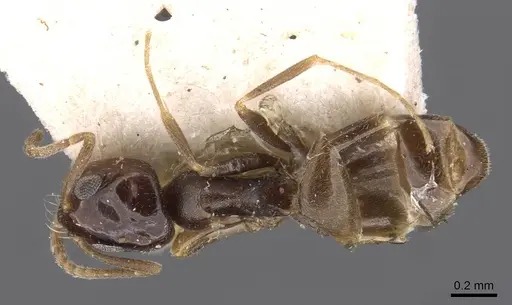
Literature
Loading...Loading products...