

Dorymyrmex breviscapis
- Scientific Name
- Dorymyrmex breviscapis
- Tribe
- Leptomyrmecini
- Subfamily
- Dolichoderinae
- Author
- Forel, 1912
- Distribution
- Found in 1 countries
Dorymyrmex breviscapis Overview
Dorymyrmex breviscapis is an ant species of the genus Dorymyrmex. It is primarily documented in 1 countries , including Argentina. Detailed taxonomic data and occurrence records can be further explored via authoritative databases such as AntWeb or the Global Biodiversity Information Facility (GBIF).
Dorymyrmex breviscapis
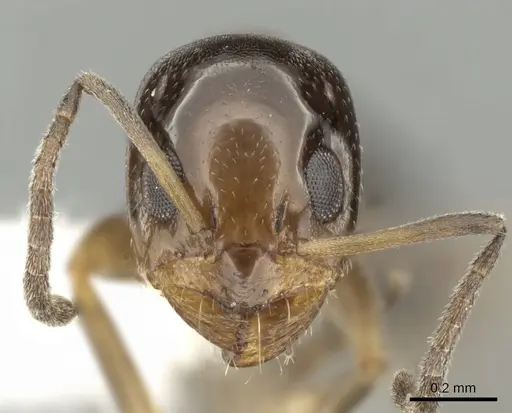
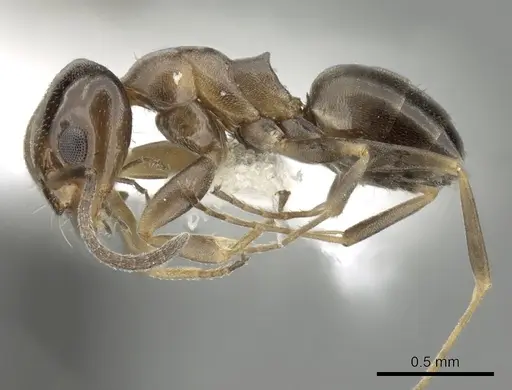
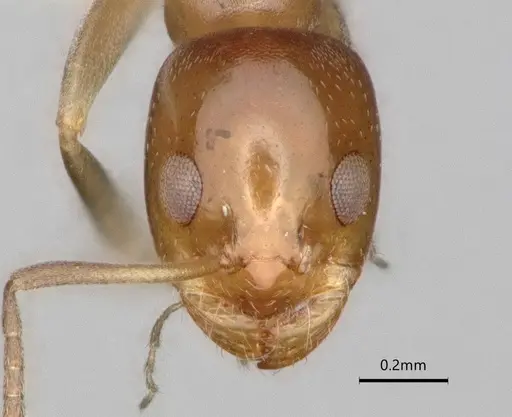
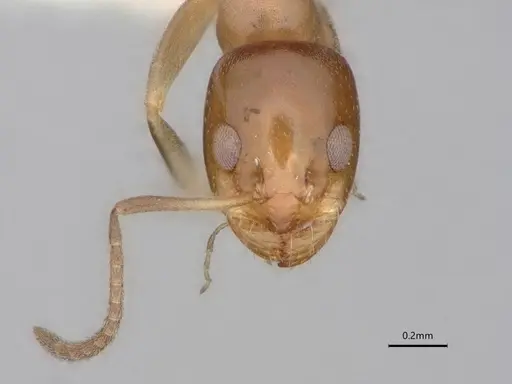
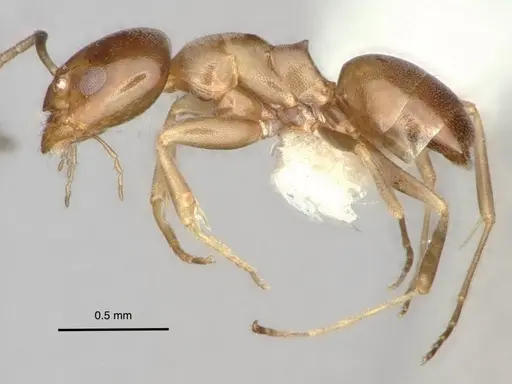
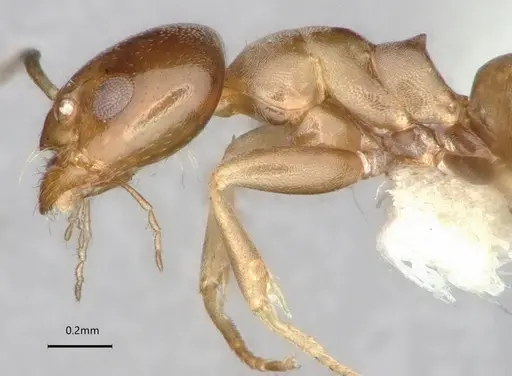
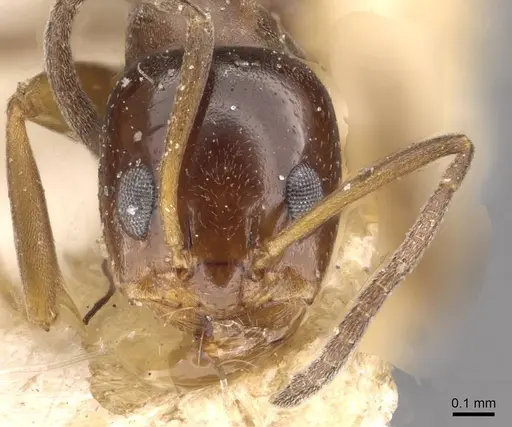
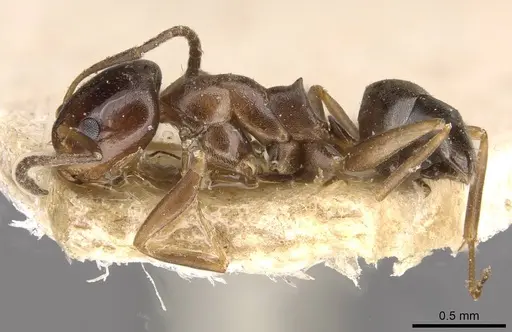
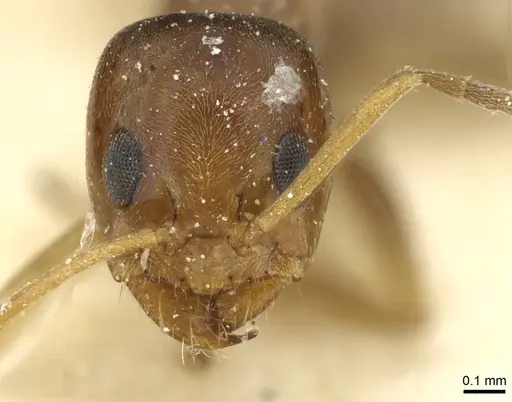
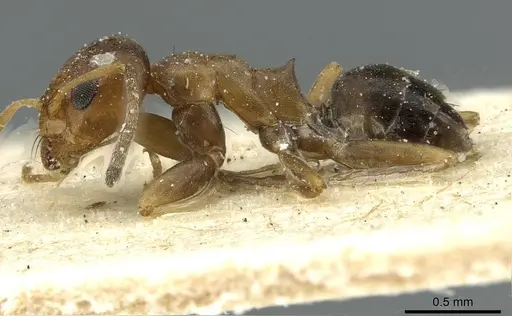
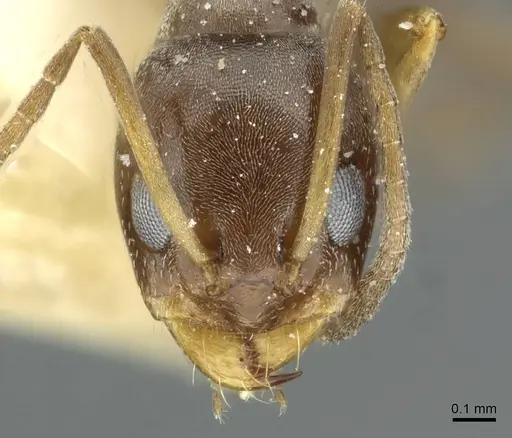
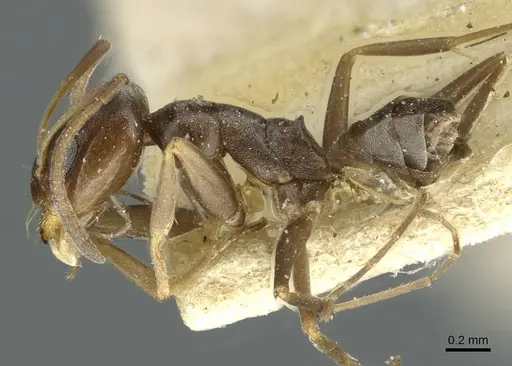
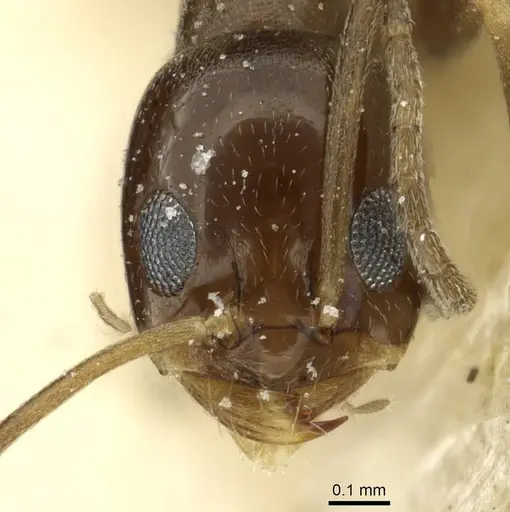
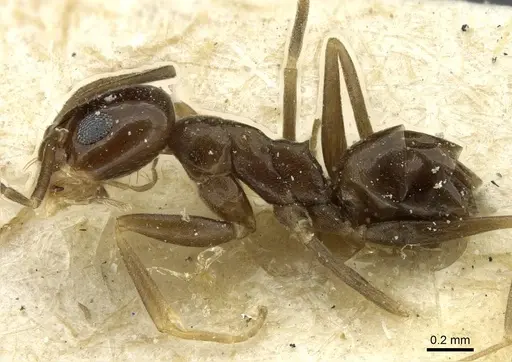
Dorymyrmex breviscapis is a small ant species native to Argentina, belonging to the Dolichoderinae subfamily. Workers are modest in size and typically display the dark coloration common to many Dorymyrmex species. This species has been documented across multiple regions of Argentina, including the Caldenal district and the La Pampa agroecosystems where it represents a dominant ant species [1][2]. In the Argentine central agroecosystems, this species accounted for an impressive 25% of all ant individuals collected, making it one of the most abundant ants in that study [2]. They are classified as an omnivorous soil guild species, meaning they forage on the ground and consume a variety of food sources including nectar, small insects, and plant matter [2]. The species was originally described by Forel in 1912 from Argentine specimens.
Quick Summary
- Difficulty: Easy
- Origin & Habitat: Native to Argentina in the Neotropical region. Found in the Caldenal district and central agroecosystems of Argentina, particularly in La Pampa province. They are ground-nesting ants adapted to soil environments in temperate to warm climatic zones [1][2].
- Colony Type: Colony structure is unconfirmed. Based on typical Dorymyrmex genus patterns, they likely form single-queen colonies (monogyne), though this has not been directly documented for this specific species.
- Size & Growth:
- Queen: Unknown, not directly measured in available literature
- Worker: Unknown, not specifically measured in available literature
- Colony: Likely moderate colonies based on their dominance in Argentine agroecosystems, possibly several hundred workers typical of Dorymyrmex species
- Growth: Unknown, no development data available for this species
- Development: Unknown, no direct measurements. Based on typical Dolichoderinae development patterns, estimate 6-10 weeks at optimal temperature (Development timeline is unconfirmed for this species. Related Dorymyrmex species typically develop in 6-10 weeks under warm conditions)
- Antkeeping:
- Temperature: Based on their Argentine distribution in temperate regions, they likely tolerate a range from roughly 18-28°C. Room temperature (around 20-24°C) should be suitable. Provide a gentle heat gradient if possible.
- Humidity: Adapted to drier conditions typical of central Argentine regions. Keep substrate moderately dry to slightly moist, allow to dry partially between waterings. Avoid overly damp conditions.
- Diapause: Likely requires a winter rest period (diapause) given their temperate Argentine distribution. Reduce temperature to around 10-15°C for 2-3 months during winter months.
- Nesting: Ground-nesting species. In captivity, provide a naturalistic setup with soil or a plaster/acrylic nest with soil chambers. They prefer narrow tunnels and chambers typical of soil-dwelling ants.
- Behavior: This species is ground-foraging and classified as omnivorous, meaning they will accept both sugar sources and protein foods [2]. They are likely moderately aggressive in defending their nest but not particularly dangerous to keepers. Based on typical Dorymyrmex behavior, they are active foragers that search for food on the substrate surface. Escape risk is moderate, standard escape prevention measures are sufficient. They may construct small mounds or turrets at nest entrances in natural settings.
- Common Issues: limited information means care requirements are estimated from genus patterns, monitor colony response and adjust, winter diapause is likely required but timing and duration may need adjustment based on colony behavior, their dominance in the wild suggests they are adaptable, but captive breeding success is unconfirmed, wild-caught colonies may carry parasites or pathogens that can cause colony failure
Natural History and Distribution
Dorymyrmex breviscapis is endemic to Argentina, where it has been documented in multiple ecological regions. The species is particularly abundant in the central agroecosystems of La Pampa province, where it represented a stunning 25% of all ant individuals collected during a 2008 survey [2]. This dominance indicates they are highly successful in agricultural landscapes and can adapt to human-modified habitats. They have been recorded in the Caldenal district, which is a temperate to warm region with distinct seasons [1]. The species was originally described by Forel in 1912,and three subspecies have been recognized: alvarezi, elongatulus, and speculiceps. As a member of the Dolichoderinae subfamily and Leptomyrmecini tribe, they are related to other pyramid ants in the genus Dorymyrmex, known for their characteristic mound-building behavior.
Housing and Nesting
In captivity, Dorymyrmex breviscapis should be provided with a nesting setup that accommodates their soil-dwelling nature. A naturalistic setup with a soil-filled chamber works well, as does a plaster or acrylic nest with soil-like chambers. They prefer narrow tunnels and passages rather than large open spaces. The nest should have a water reservoir to maintain moderate humidity, but avoid waterlogging the substrate. For the outworld, provide a simple foraging area where you can offer food. Use standard escape prevention, while not among the smallest ants, they can still escape through small gaps. A test tube setup can work for founding colonies, but they will likely need more space as the colony grows.
Feeding and Diet
Based on their classification as an omnivorous soil guild species, Dorymyrmex breviscapis likely accepts a varied diet [2]. Offer sugar water, honey, or diluted syrup as an energy source. For protein, provide small insects such as fruit flies, small crickets, or mealworm pieces. They are ground-foragers, so place food on the substrate surface rather than in elevated feeders. Feed every 2-3 days, removing uneaten food after 24 hours to prevent mold. The exact preferences of this specific species are unconfirmed, so observe what your colony accepts best.
Temperature and Seasonal Care
Given their origin in temperate Argentina, this species likely experiences seasonal temperature variations and probably requires a winter rest period. Keep the colony at room temperature (roughly 20-24°C) during the active season. During winter (roughly November to February in the Southern Hemisphere equivalent), reduce temperatures to around 10-15°C to induce diapause. If you cannot provide natural seasonal cooling, a refrigerator or cool basement can work. Reduce feeding during diapause and keep the substrate slightly drier. The exact diapause requirements are unconfirmed for this species, so observe your colony's behavior and adjust accordingly.
Colony Development
The specific development timeline for Dorymyrmex breviscapis has not been documented in available literature. Based on typical Dolichoderinae development patterns, expect roughly 6-10 weeks from egg to first worker at optimal warm temperatures (around 24-28°C). The first workers (nanitics) will typically be smaller than mature workers. Colony growth rate is unknown but is likely moderate, not as fast as some tropical species but faster than cold-adapted species. The maximum colony size is unconfirmed, though related Dorymyrmex species typically reach several hundred workers. Be patient with founding colonies, as they can take several months to establish firmly.
Frequently Asked Questions
How long does it take for Dorymyrmex breviscapis to produce first workers?
The exact timeline is unconfirmed for this species. Based on typical Dolichoderinae development, expect 6-10 weeks from egg to first worker at warm temperatures (around 24-28°C). Founding colonies may take several months to become established.
What do Dorymyrmex breviscapis ants eat?
They are omnivorous. Offer sugar water or honey for energy, and small insects like fruit flies, small crickets, or mealworm pieces for protein. They forage on the ground, so place food on the substrate surface.
Do Dorymyrmex breviscapis need hibernation?
Likely yes, given their temperate Argentine distribution. They probably require a winter rest period of 2-3 months with reduced temperatures (around 10-15°C). Reduce feeding during this period.
What is the best nest type for Dorymyrmex breviscapis?
A naturalistic setup with soil chambers or a plaster/acrylic nest with soil-like passages works well. They prefer narrow tunnels typical of soil-dwelling ants. Avoid large open spaces.
How big do Dorymyrmex breviscapis colonies get?
Maximum colony size is unconfirmed, but based on their dominance in Argentine ecosystems and typical Dorymyrmex species, they likely reach several hundred workers.
Are Dorymyrmex breviscapis good for beginners?
They are rated as easy difficulty, making them potentially suitable for beginners. However, their specific care requirements are not well-documented, so some experimentation may be needed. Their adaptability in the wild suggests they are relatively forgiving in captivity.
Can I keep multiple Dorymyrmex breviscapis queens together?
The colony structure is unconfirmed for this species. Based on typical Dorymyrmex patterns, they likely form single-queen colonies. Combining unrelated queens is not recommended without documented evidence that they can found colonies pleometrotically.
What temperature should I keep Dorymyrmex breviscapis at?
Room temperature (20-24°C) should be suitable. They likely tolerate a range of 18-28°C. A gentle heat gradient can be provided but is not essential. During winter, reduce to around 10-15°C for diapause.
Where is Dorymyrmex breviscapis found?
This species is native to Argentina, particularly documented in the central regions including La Pampa province and the Caldenal district. They are adapted to temperate to warm conditions.
References

This caresheet is licensed under CC BY-SA 4.0 .
CASENT0249676
View on AntWeb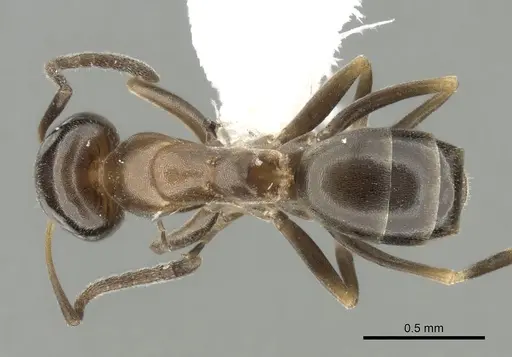
CASENT0841500
View on AntWeb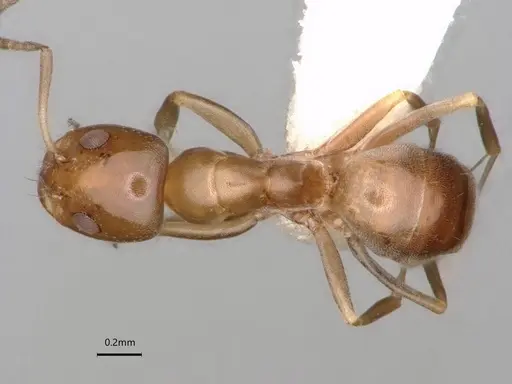
CASENT0909732
View on AntWeb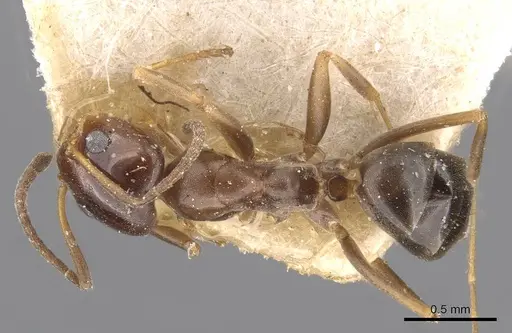
CASENT0911525
View on AntWeb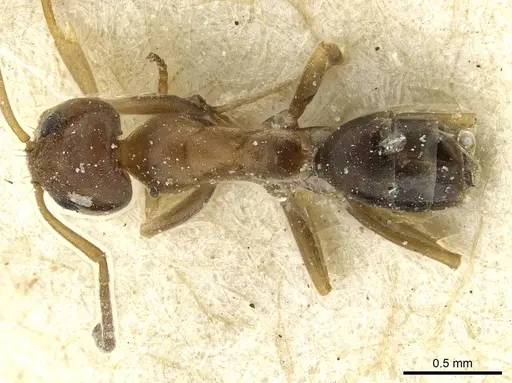
CASENT0911526
View on AntWeb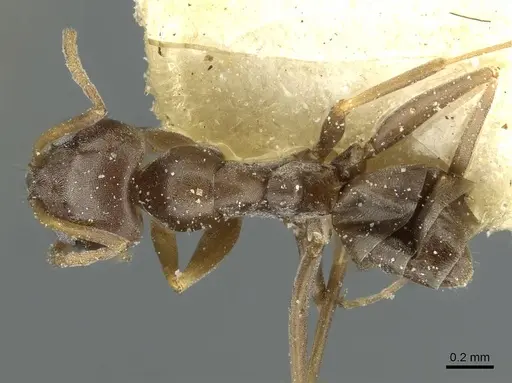
CASENT0911527
View on AntWeb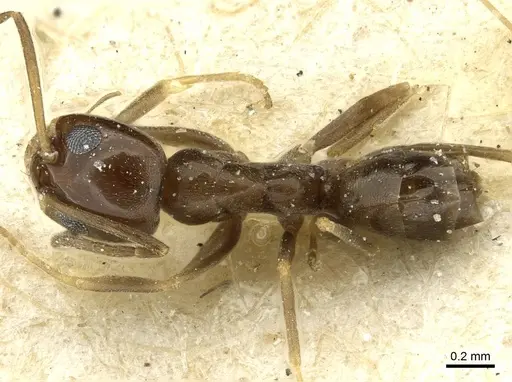
Literature
Loading...Loading products...