

Dorymyrmex bituber
- Scientific Name
- Dorymyrmex bituber
- Tribe
- Leptomyrmecini
- Subfamily
- Dolichoderinae
- Author
- Santschi, 1916
- Distribution
- Found in 3 countries
Dorymyrmex bituber Overview
Dorymyrmex bituber is an ant species of the genus Dorymyrmex. It is primarily documented in 3 countries , including Argentina, Bolivia, Plurinational State of. Detailed taxonomic data and occurrence records can be further explored via authoritative databases such as AntWeb or the Global Biodiversity Information Facility (GBIF).
Dorymyrmex bituber
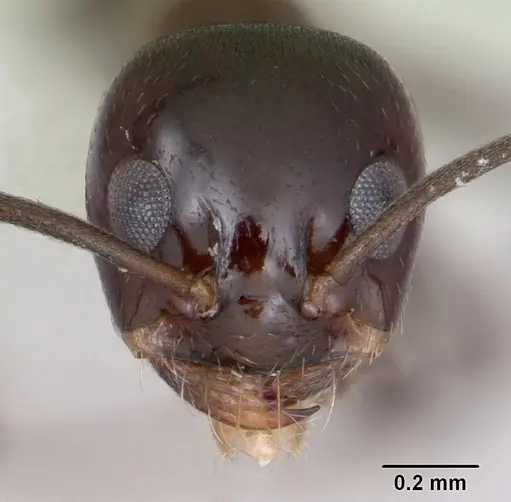
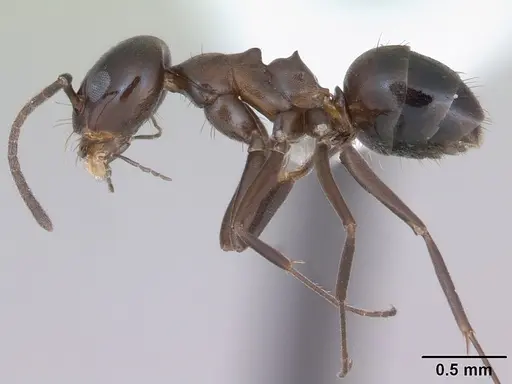
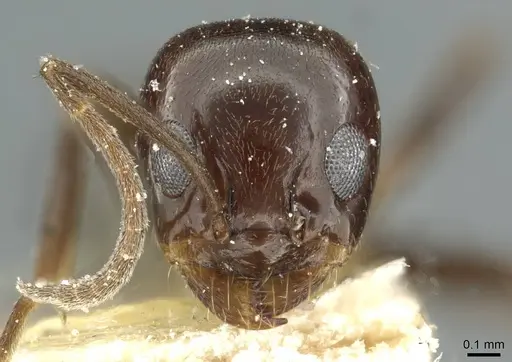
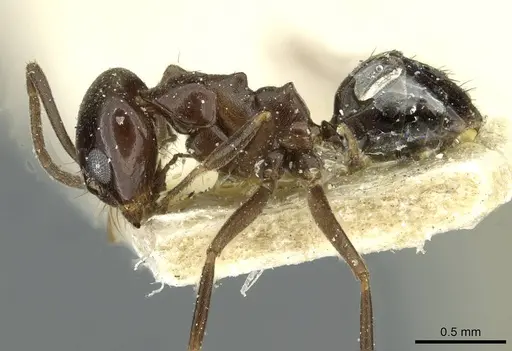
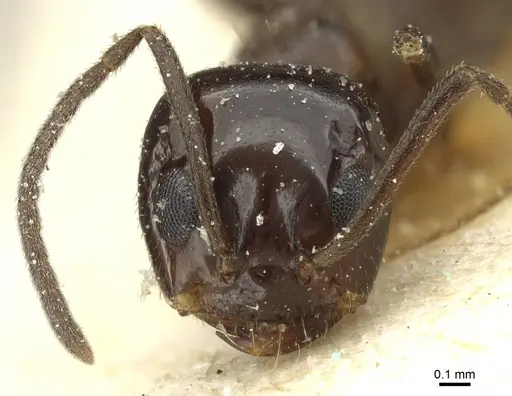
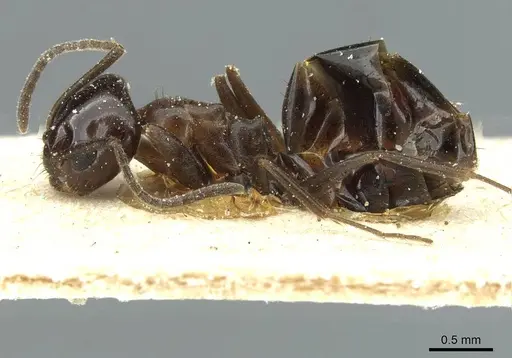
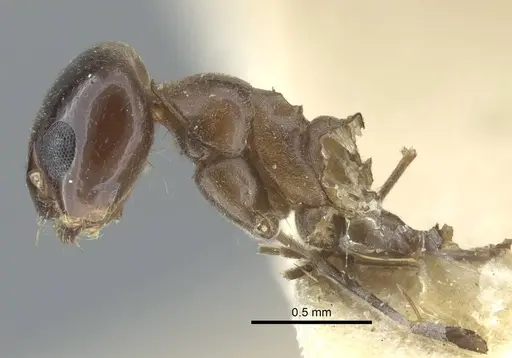
Dorymyrmex bituber is a small to medium-sized ant native to the southern South American grasslands of Argentina and Paraguay. Workers measure around 3-4mm and display the characteristic conical nest mounds that give Dorymyrmex their common name 'pyramid ants.' They belong to the Dolichoderinae subfamily, the same group that includes the famous invasive Argentine ant. The species was described by Santschi in 1916,with a subspecies Dorymyrmex bituber laticeps also recognized [1].
This species is assigned to the Opportunist/Dominant Dolichoderinae functional group, indicating competitive, aggressive foraging behavior typical of many Dolichoderine ants. They are ground-nesting ants that build characteristic conical mounds in open habitats. Like other Dorymyrmex species, they likely forage aggressively for honeydew and small insects, though detailed biological studies on this specific species are lacking [2].
Quick Summary
- Difficulty: Medium
- Origin & Habitat: Native to the grasslands and open habitats of Argentina and Paraguay in the Neotropical region. Found in provinces including Santa Fe, Córdoba, and Santiago del Estero [3][2]. They inhabit open, sunny areas where they build their characteristic conical nest mounds.
- Colony Type: Unconfirmed, colony structure (single-queen or multi-queen) has not been documented for this species. Most Dorymyrmex species are typically monogyne (single queen), but this has not been specifically studied for D. bituber.
- Size & Growth:
- Queen: Estimated 5-7mm based on genus Dorymyrmex patterns, not directly measured for this species
- Worker: Approximately 3-4mm based on genus descriptions [1]
- Colony: Unknown, no colony size data available for this species
- Growth: Unknown, no development data available
- Development: Estimated 6-10 weeks based on typical Dolichoderinae development at warm temperatures (Development timeline is estimated from genus-level patterns since no species-specific data exists. Expect faster development in warmer conditions (25-28°C) and slower in cooler temperatures.)
- Antkeeping:
- Temperature: Keep at 24-28°C based on the warm grassland habitat of their native range in Argentina. A heating cable on one side of the nest can create a temperature gradient. Room temperature in most homes (20-24°C) may be acceptable, but warmer conditions will support better activity and growth.
- Humidity: Moderate humidity, these are grassland ants that tolerate drier conditions than forest species. Keep nest substrate lightly moist but allow it to partially dry between waterings. Avoid overly damp conditions that can cause mold.
- Diapause: Likely required, based on the temperate to subtropical nature of their Argentine/Paraguay range, a winter rest period of 2-3 months at reduced temperatures (15-18°C) is probably beneficial. However, specific diapause requirements have not been documented.
- Nesting: Naturalistic setups with soil or sand work well, allowing them to build their characteristic conical mounds. Y-tong (AAC) nests or plaster nests are also suitable. Provide a dry outworld area for foraging.
- Behavior: Dorymyrmex bituber belongs to the Opportunist/Dominant Dolichoderinae functional group, meaning they are aggressive foragers and competitive within their niche. Workers are active foragers that likely collect honeydew from aphids and small insects. They are not known to be particularly large or dangerous, their sting is minimal to nonexistent for human keepers. Escape risk is moderate due to their small size, standard barrier methods (Fluon, talcum powder) should work well. They are likely more active and aggressive than typical house ants, comparable to other Dolichoderines like the Argentine ant.
- Common Issues: limited availability, this species is rarely available in the antkeeping hobby since it's not commonly collected or traded, biological data gaps, no specific information on colony founding, development, or exact care requirements, potential for aggressive foraging, may outcompete smaller ant species if housed in community setups, hibernation uncertainty, exact diapause requirements are unknown, requiring keeper experimentation, difficulty establishing, wild-caught colonies may struggle in captivity due to unknown specific needs
Natural History and Distribution
Dorymyrmex bituber is native to the grasslands of central Argentina and Paraguay. The species has been recorded in multiple Argentine provinces including Santa Fe, Córdoba, and Santiago del Estero. They inhabit open, sunny grassland environments where they build their characteristic conical nest mounds, the feature that gives them the common name 'pyramid ant.' The subspecies Dorymyrmex bituber laticeps is also recognized, differing primarily in head morphology [4][5][2].
Within the ant functional group classification system, D. bituber is assigned to the Opportunist/Dominant Dolichoderinae (O/DD) group. This indicates they are competitive, aggressive foragers that can dominate their ecological niche. They are part of the Leptomyrmecini tribe, which includes other distinctive Dolichoderine ants [2]. The species was first described by Santschi in 1916,and while not considered rare in its native range, it has received limited scientific attention compared to more widely studied ant species.
Housing and Nest Setup
For keeping Dorymyrmex bituber, naturalistic setups with a soil or sand substrate work best, allowing the ants to construct their characteristic conical mounds if they choose. A mixture of sandy soil works well, provide enough depth (at least 5-10cm) for them to dig chambers and tunnels. Y-tong (AAC) nests or plaster nests are also suitable alternatives that allow for observation while providing appropriate humidity control.
The outworld should be spacious enough for foraging and should include a water source (test tube with cotton) and feeding area. Since these are grassland ants, they tolerate drier conditions, avoid overly humid setups that can lead to mold problems. Standard escape prevention with Fluon or talcum powder barriers on the rim of the outworld should suffice, though their small size means checking for gaps regularly. [1]
Feeding and Diet
As with most Dolichoderine ants, Dorymyrmex bituber likely has an omnivorous diet centered on honeydew collection from aphids and scale insects, supplemented with small insects and nectar. In captivity, offer sugar water or honey as a constant energy source. For protein, provide small insects such as fruit flies, small crickets, or mealworm pieces.
Feed protein sources 2-3 times per week, removing any uneaten prey after 24-48 hours. Sugar water should be available continuously, replaced every few days to prevent fermentation. Fresh fruit slices can also be offered as an additional sugar source. The Opportunist/Dominant classification suggests they are aggressive foragers, so they should readily accept offered food. [1]
Temperature and Seasonal Care
Based on their Argentine grassland habitat, Dorymyrmex bituber prefers warm conditions. Maintain nest temperatures around 24-28°C for optimal activity and brood development. A heating cable placed on one side of the nest can create a beneficial temperature gradient, allowing ants to self-regulate. Room temperature (20-24°C) may be acceptable but expect reduced activity levels.
Regarding hibernation, the temperate to subtropical nature of their range suggests a winter rest period is beneficial. Reduce temperatures to 15-18°C for 2-3 months during winter (roughly November-February in the Northern Hemisphere). During this period, reduce feeding to once weekly or less. If keeping them at room temperature year-round, the colony may remain active but could show reduced longevity. [1]
Behavior and Colony Dynamics
Dorymyrmex bituber is classified as an Opportunist/Dominant Dolichoderine, meaning they exhibit competitive, aggressive foraging behavior typical of ants in this functional group. Workers are active foragers that likely patrol their territory extensively in search of honeydew and prey. They likely communicate through chemical trails to guide nestmates to food sources.
The colony structure (single queen vs. multiple queens) has not been documented for this species. Most Dorymyrmex species form single-queen colonies, but this needs confirmation for D. bituber. Queens are likely claustral (seal themselves in to raise the first workers alone), as is typical for Dolichoderinae. Workers are small (3-4mm) and not particularly aggressive toward keepers, they lack a significant sting that would affect humans. [2][1]
Frequently Asked Questions
How long does it take for Dorymyrmex bituber to produce first workers?
The exact timeline is unknown for this species, but based on typical Dolichoderinae development, expect first workers (nanitics) within 6-10 weeks after the queen lays eggs, assuming temperatures around 25°C. Development will be faster in warmer conditions and slower if kept cool.
Is Dorymyrmex bituber a good species for beginners?
This species is rated as Medium difficulty. While not the most challenging ant, the limited species-specific biological data means you may need to experiment with care conditions. They are not as commonly kept as other ants, so finding established colonies may be difficult.
Can I keep multiple Dorymyrmex bituber queens together?
The colony structure (single-queen vs. multiple-queen) has not been documented for this species. Most Dorymyrmex species are monogyne (single queen), so combining unrelated queens is not recommended without evidence they can coexist.
What do Dorymyrmex bituber eat?
They are omnivorous, feeding primarily on honeydew (the sugary excretion from aphids) and small insects. In captivity, offer sugar water or honey constantly, plus small insects like fruit flies or cricket pieces 2-3 times weekly.
Do Dorymyrmex bituber need hibernation?
Based on their Argentine habitat with seasonal temperature changes, a winter rest period is likely beneficial. Reduce temperatures to 15-18°C for 2-3 months during winter. However, specific diapause requirements have not been scientifically documented.
How big do Dorymyrmex bituber colonies get?
Colony size data is not available for this species. Based on genus patterns, colonies likely reach several hundred to a few thousand workers over several years.
What temperature should I keep Dorymyrmex bituber at?
Keep nest temperatures around 24-28°C based on their warm grassland habitat. A heating cable on part of the nest creates a gradient. Room temperature (20-24°C) may be acceptable but will result in lower activity.
When do Dorymyrmex bituber have nuptial flights?
Nuptial flight timing has not been documented for this species. Based on their Argentine distribution and related species, flights likely occur during the warm summer months.
Why is Dorymyrmex bituber hard to find in the antkeeping hobby?
This species has a limited native range (Argentina and Paraguay) and has not been commonly collected for the hobby. The lack of biological studies on this specific species also means less information is available to guide keepers.
References

This caresheet is licensed under CC BY-SA 4.0 .
CASENT0173842
View on AntWeb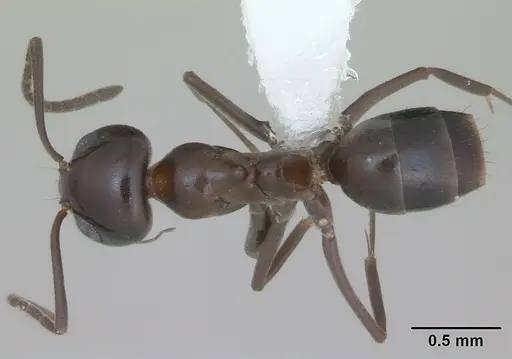
CASENT0911523
View on AntWeb
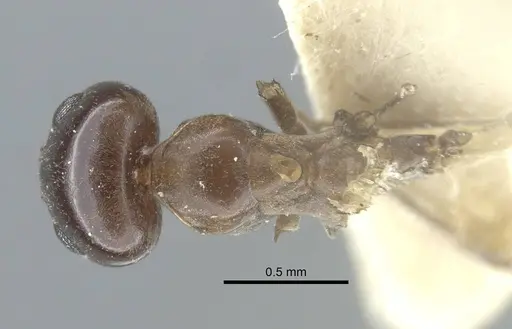
CASENT0911524
View on AntWeb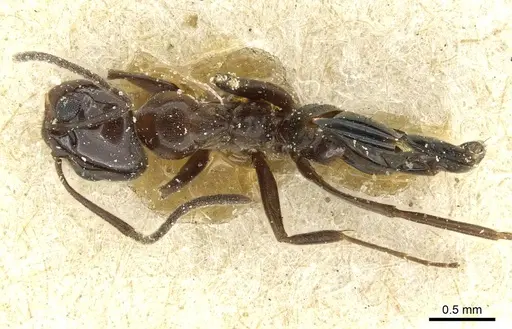
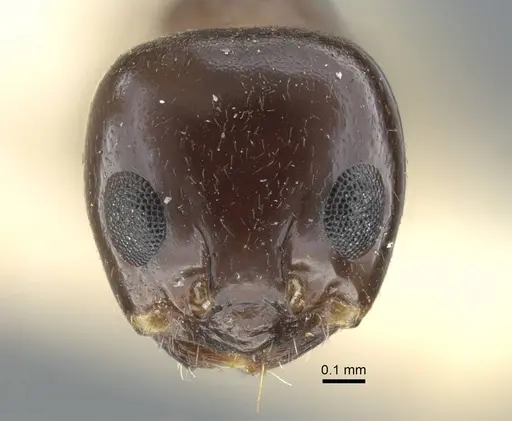
CASENT0917124
View on AntWeb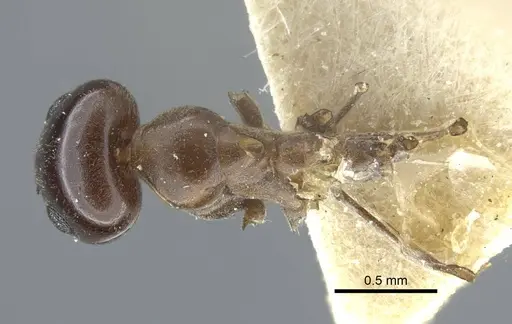
Literature
Loading...Loading products...