
Dorymyrmex bicolor
- Scientific Name
- Dorymyrmex bicolor
- Tribe
- Leptomyrmecini
- Subfamily
- Dolichoderinae
- Author
- Wheeler, 1906
- Common Name
- Bicolored Pyramid Ant
- Distribution
- Found in 2 countries
Dorymyrmex bicolor Overview
Dorymyrmex bicolor (commonly known as the Bicolored Pyramid Ant) is an ant species of the genus Dorymyrmex. It is primarily documented in 2 countries , including Mexico, United States of America. Detailed taxonomic data and occurrence records can be further explored via authoritative databases such as AntWeb or the Global Biodiversity Information Facility (GBIF).
Dorymyrmex bicolor - "Bicolored Pyramid Ant"
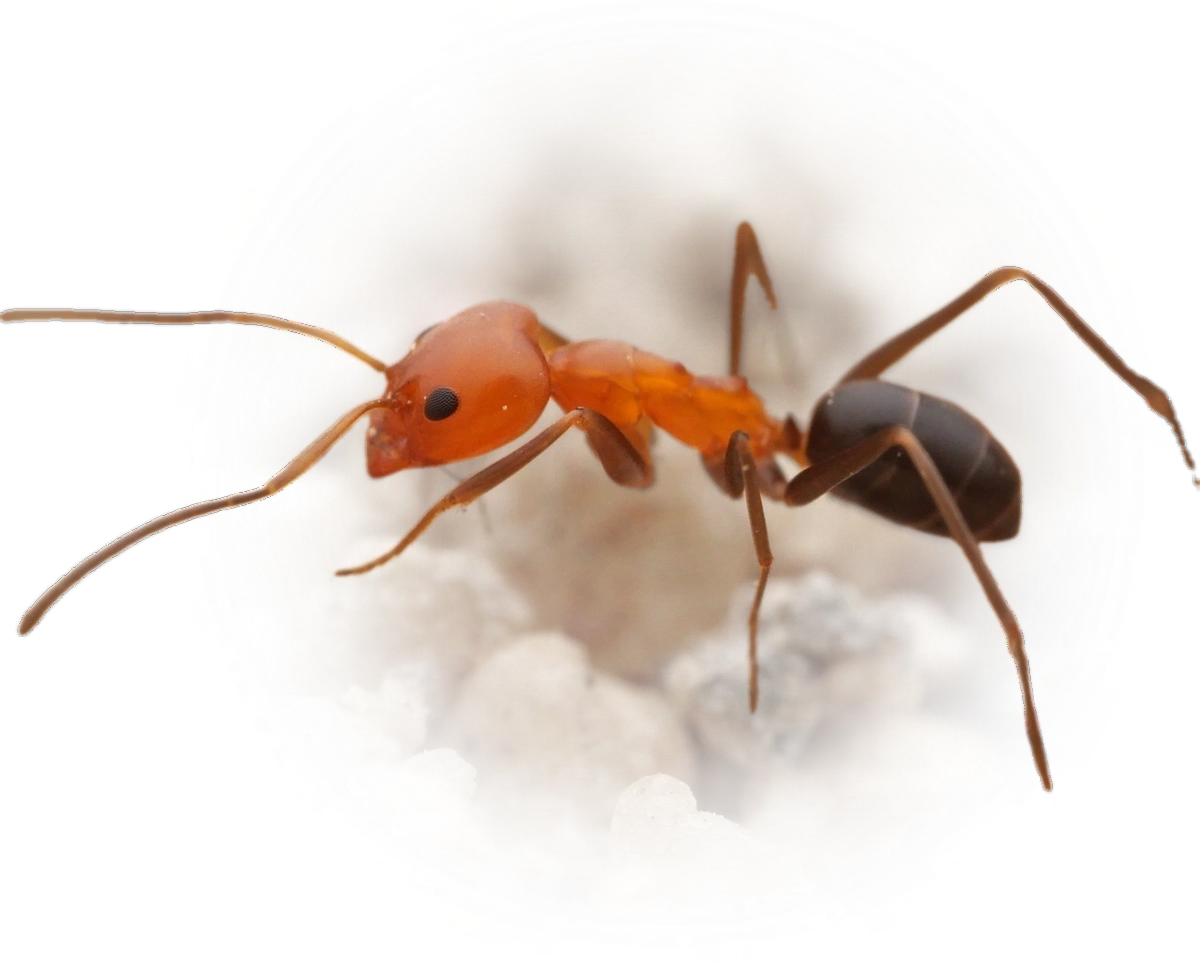
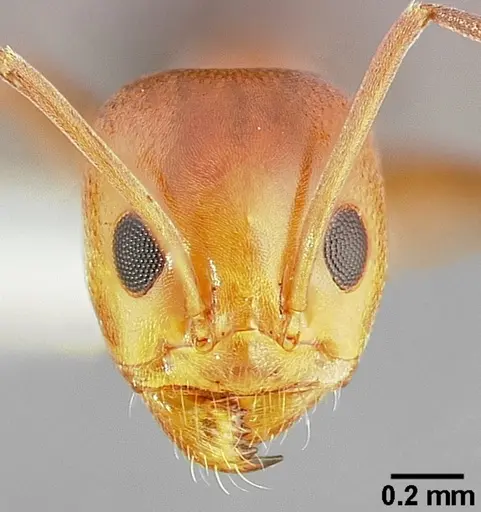
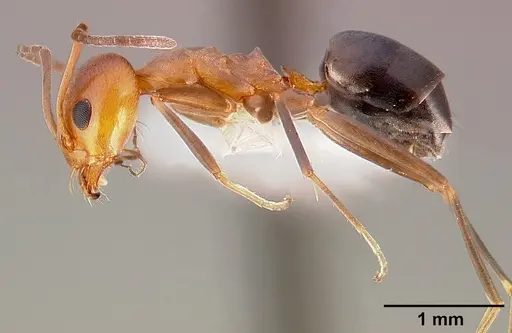
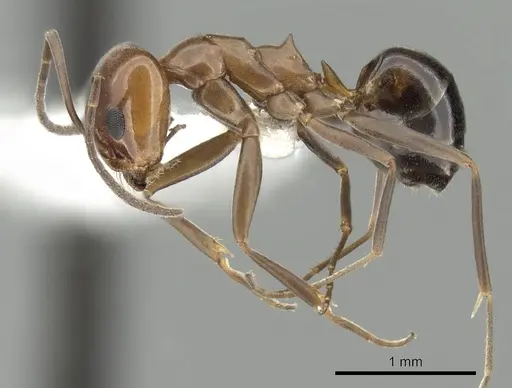
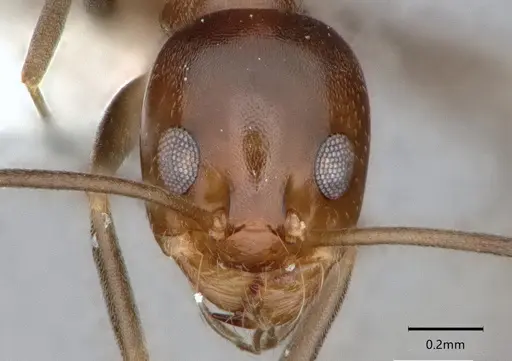
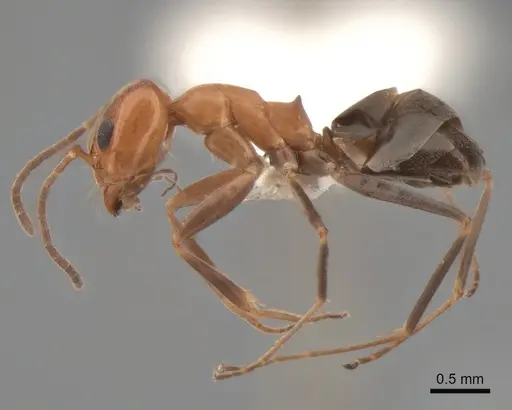
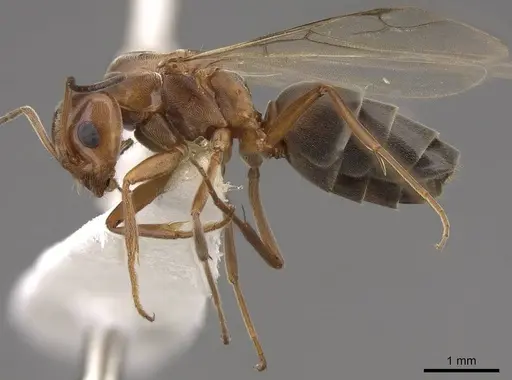
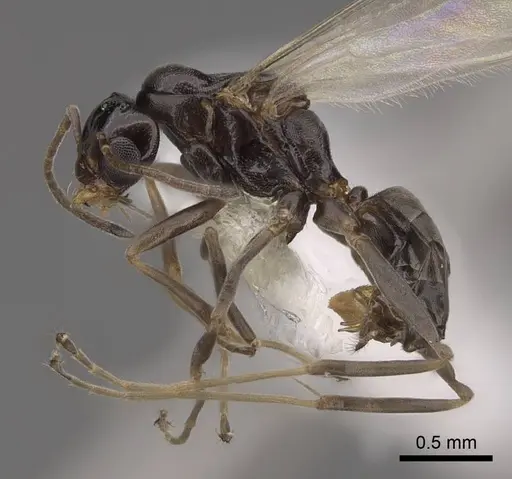
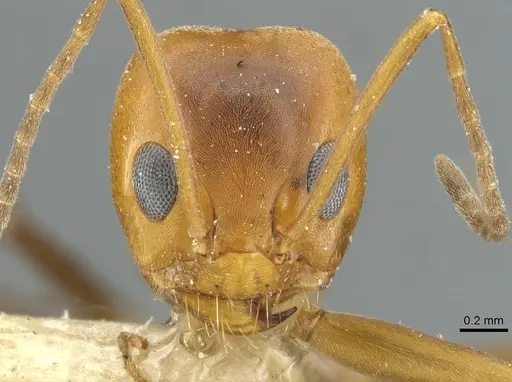
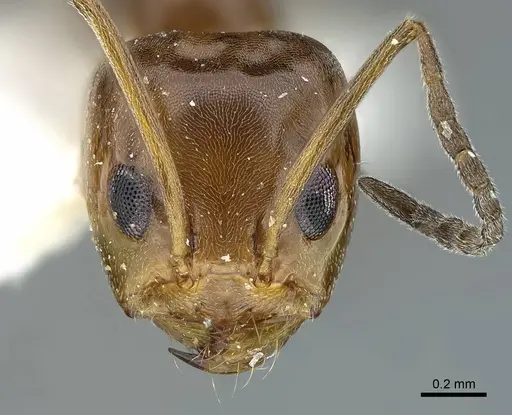
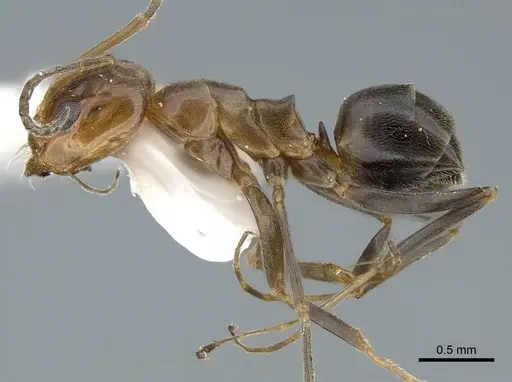
Dorymyrmex bicolor is a small, bicolored desert ant native to the southwestern United States down through Central America to Peru. Workers measure 0.7-1mm in head width and display the species' distinctive coloring: a dark reddish head and mesosoma contrasting with a black abdomen (gaster) [1]. These ants are built for desert life, they're fast-moving foragers that remain active during the hottest part of the day, typically between 11:00 a.m. and 3:30 p.m. [1]. Nests are built in open, unshaded areas and feature small entrance halls surrounded by craters of fine sand [1]. This species is a generalist feeder, consuming both living and dead insects along with honeydew from sap-sucking insects [2].
Quick Summary
- Difficulty: Easy
- Origin & Habitat: Desert and arid regions from southwestern United States to Peru. Found in open habitats at low to medium elevations, typically nesting in bare soil in unshaded areas [3][1].
- Colony Type: Single-queen colonies (monogyne). Colonies are relatively small with intermediate worker counts, studies show around 14 workers active outside the nest during peak foraging times [4].
- Colony: Monogyne
- Founding: Claustral
- Size & Growth:
- Queen: 1.18-1.23mm head length,1.25-1.33mm head width [1]
- Worker: 0.78-1.1mm head length,0.7-1mm head width [1]
- Colony: Small to moderate, typically several dozen to perhaps a few hundred workers based on foraging activity data [4]
- Growth: Moderate, estimated 6-10 weeks from egg to worker based on typical Dolichoderinae development
- Development: 6-10 weeks (estimated based on genus patterns) (Development time follows typical Dolichoderinae patterns. Queens areclaustral, they seal themselves in to raise the first brood alone.)
- Antkeeping:
- Temperature: Warm desert conditions. Keep at 24-30°C, with a slight gradient allowing warmer nesting areas. These ants naturally forage in high temperatures, so they handle heat well [2].
- Humidity: Low to moderate. As a desert species, they prefer drier conditions, keep nest substrate moderately dry with occasional moisture zones. Avoid overly damp conditions.
- Diapause: Yes, these ants are adapted to seasonal climates and benefit from a winter rest period. Reduce temperatures to 10-15°C for 2-3 months.
- Nesting: Ground-nesting species. Use a naturalistic setup with dry sandy substrate or a Y-tong/plaster nest with low humidity zones. They build small crater entrances in nature, so a compact soil chamber works well.
- Behavior: Active and fast-moving foragers that thrive in hot conditions. They're generalists that readily accept protein (insects) and sugar sources (honeydew, sugar water). Workers are moderately aggressive when defending the nest but not particularly territorial. They're skilled at finding food quickly and will dominate baits. Escape risk is moderate, they're small but not extremely tiny, so standard barriers work well. They tend hemipterans (sap-sucking insects) for honeydew [5].
- Common Issues: colonies can fail if kept too humid, these are desert ants that need dry conditions, slow growth compared to tropical species may frustrate beginners expecting fast development, test tube setups may be too moist, consider more naturalistic dry setups, colonies are relatively small and slow to establish compared to more common species, may be outcompeted by more aggressive ants if housed in mixed setups
Housing and Nest Setup
Dorymyrmex bicolor is a ground-nesting desert ant that prefers dry conditions. For captive care, a naturalistic setup with a sandy soil mixture works best, these ants naturally build small crater nests in bare, unshaded areas. A Y-tong (acrylic) nest with small chambers can also work, but keep humidity low. The nest should have a small entrance chamber that mimics their natural crater formation. Since they're small ants, ensure your formicarium has appropriately sized tunnels and chambers. Provide an outworld for foraging with a shallow water station and protein/sugar feeding areas. Escape prevention is important but not as critical as with tiny species, standard barriers like fluon on container rims work well. [1][3][2]
Feeding and Diet
These are generalist feeders with a diet similar to many desert ants. In the wild, they consume both living and dead insects along with honeydew from hemipterans (sap-sucking insects like aphids and scale insects) [2][5]. For captive colonies, offer a varied diet: small insects like fruit flies, pinhead crickets, or mealworms as protein sources, and sugar water, honey, or diluted honeydew as carbohydrate sources. Feed protein 2-3 times per week and keep a sugar source constantly available. They're active foragers that will quickly locate and exploit food sources. Unlike some specialized ants, they readily accept most offered foods.
Temperature and Seasonal Care
As a desert species, Dorymyrmex bicolor thrives in warm conditions. Keep the nest area at 24-30°C, they naturally forage during the hottest part of the day (11am-3:30pm) so they handle heat well [1]. A heating cable on one side of the nest creates a temperature gradient they can regulate by moving between chambers. During winter, provide a diapause period: reduce temperatures to 10-15°C for 2-3 months to simulate seasonal changes they experience in their natural range. This rest period supports colony health and may trigger reproductive behavior in spring. Room temperature (around 20-22°C) is acceptable but may slow activity and growth slightly.
Behavior and Colony Dynamics
Dorymyrmex bicolor colonies are relatively small compared to many common ant species. Studies show around 14 workers active outside the nest during peak foraging times [4]. Workers are fast-moving and efficient foragers, actively searching for insects and honeydew during daylight hours. They show typical Dolichoderine behavior, they can be moderately aggressive when defending the nest but aren't particularly territorial or prone to major confrontations. These ants are known to tend hemipterans (sap-sucking insects) for honeydew, a common mutualistic relationship in the ant world [5]. They're tolerant of disturbed habitats and can adapt to various conditions, which makes them relatively forgiving for beginners.
Frequently Asked Questions
How long does it take for Dorymyrmex bicolor to raise first workers?
Expect 6-10 weeks from egg to first worker at optimal temperature (around 26-28°C). This follows typical Dolichoderinae development patterns. The claustral queen seals herself in and raises the first brood alone using stored fat reserves.
Can I keep Dorymyrmex bicolor in a test tube setup?
Test tubes can work but may be too humid for this desert species. A naturalistic setup with dry sandy substrate or a Y-tong nest with low humidity settings is more appropriate. If using test tubes, keep the water reservoir small and allow the setup to dry out between waterings.
What do Dorymyrmex bicolor ants eat?
They're generalists that accept both protein and sugar sources. Feed small insects (fruit flies, pinhead crickets, mealworms) as protein 2-3 times weekly, and provide constant access to sugar water or honey. They also naturally consume honeydew from sap-sucking insects.
How big do Dorymyrmex bicolor colonies get?
Colonies remain relatively small, typically several dozen to a few hundred workers. Studies show around 14 workers active outside the nest during peak foraging times, suggesting total colony sizes in the low hundreds [4].
Do Dorymyrmex bicolor ants need hibernation?
Yes, they benefit from a winter diapause. Reduce temperatures to 10-15°C for 2-3 months during winter months. This mimics their natural seasonal cycle in desert environments with cold winters.
Are Dorymyrmex bicolor good for beginners?
Yes, they're considered easy to keep. They're tolerant of various conditions, not overly aggressive, and have straightforward dietary needs. The main considerations are providing dry, warm conditions and being patient with their moderate growth rate.
When are Dorymyrmex bicolor most active?
These ants are diurnal foragers active during the hottest part of the day, typically between 11:00 a.m. and 3:30 p.m. in the wild [1]. In captivity, they'll be most active during daylight hours under full-spectrum lighting.
Why is my Dorymyrmex bicolor colony declining?
The most common causes are: too much humidity (they're desert ants preferring dry conditions), temperatures too low (they need warmth), or insufficient protein. Check that your setup isn't too damp and that you're providing regular protein feedings.
References

This caresheet is licensed under CC BY-SA 4.0 .
CASENT0005318
View on AntWeb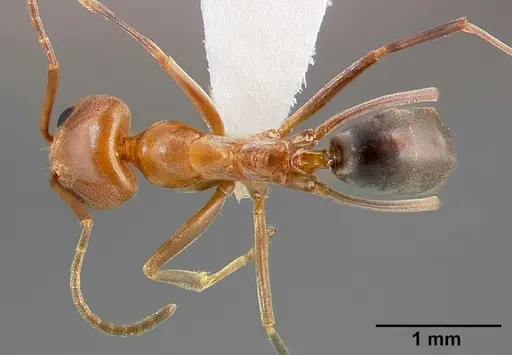
CASENT0102752
View on AntWeb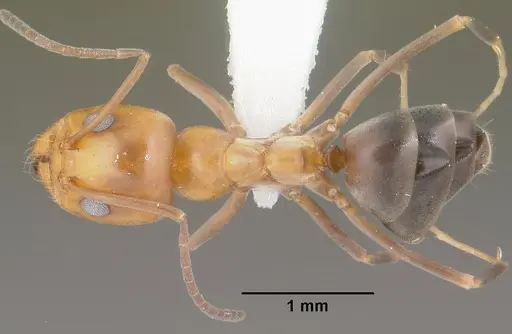

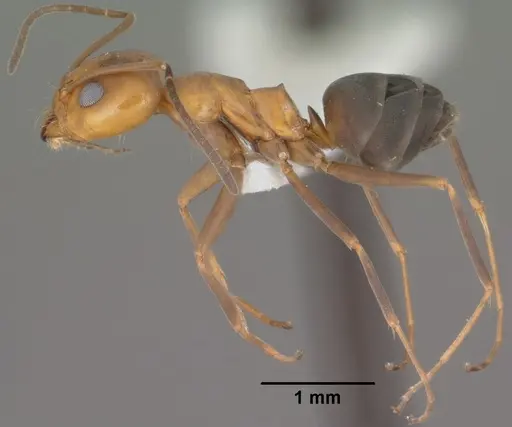
CASENT0179517
View on AntWeb

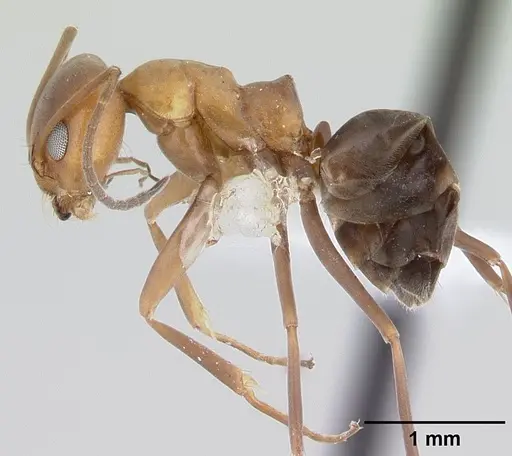
CASENT0249669
View on AntWeb

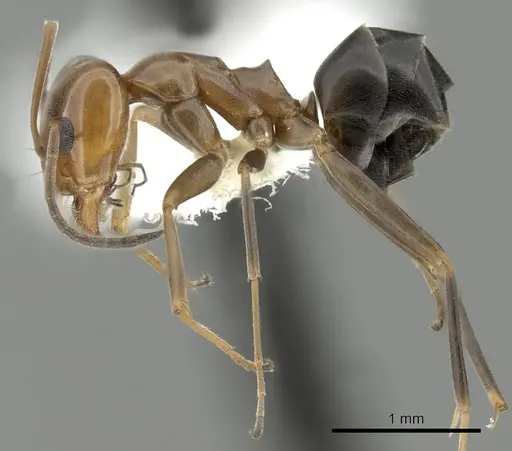
CASENT0249673
View on AntWeb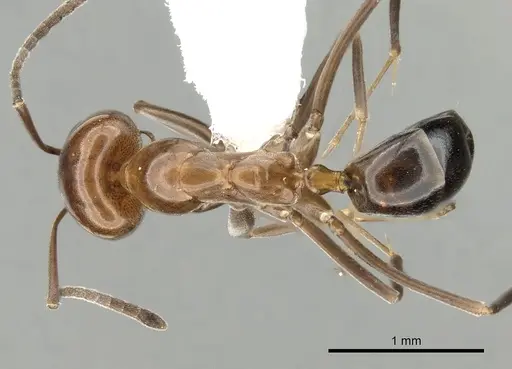

CASENT0841071
View on AntWeb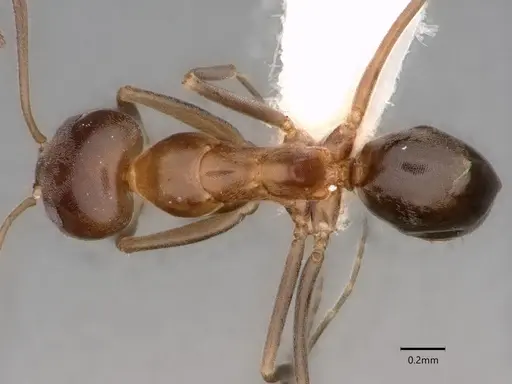


CASENT0841112
View on AntWeb


CASENT0841124
View on AntWeb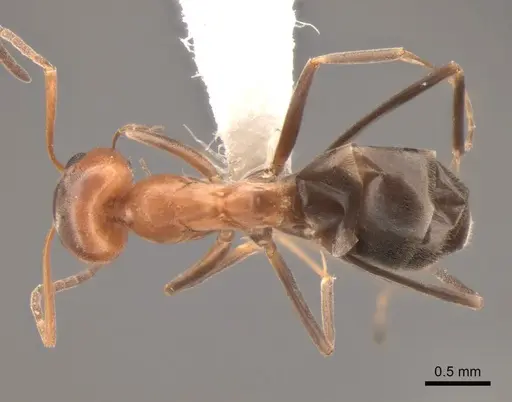

CASENT0841125
View on AntWeb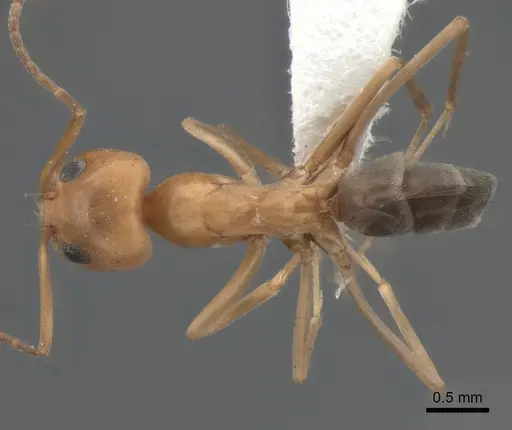

CASENT0843686
View on AntWeb

CASENT0843687
View on AntWeb

CASENT0844005
View on AntWeb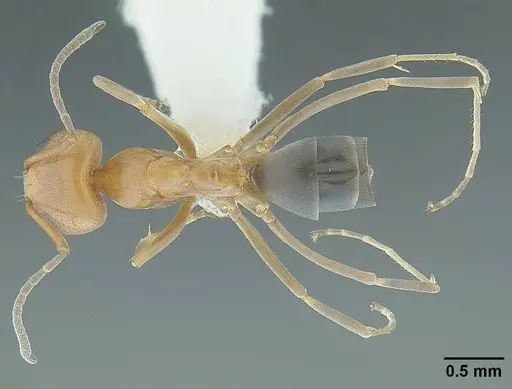


CASENT0911522
View on AntWeb

CASENT0914498
View on AntWeb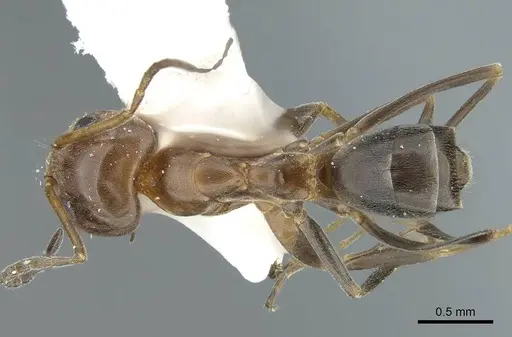
FMNHINS0000045098
View on AntWeb

Literature
Loading...Loading products...