

Dorymyrmex baeri
- Scientific Name
- Dorymyrmex baeri
- Tribe
- Leptomyrmecini
- Subfamily
- Dolichoderinae
- Author
- André, 1903
- Distribution
- Found in 1 countries
Dorymyrmex baeri Overview
Dorymyrmex baeri is an ant species of the genus Dorymyrmex. It is primarily documented in 1 countries , including Argentina. Detailed taxonomic data and occurrence records can be further explored via authoritative databases such as AntWeb or the Global Biodiversity Information Facility (GBIF).
Dorymyrmex baeri
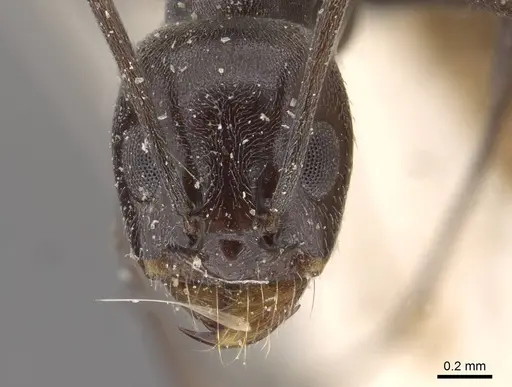
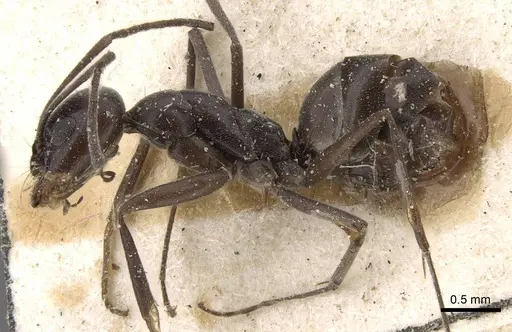
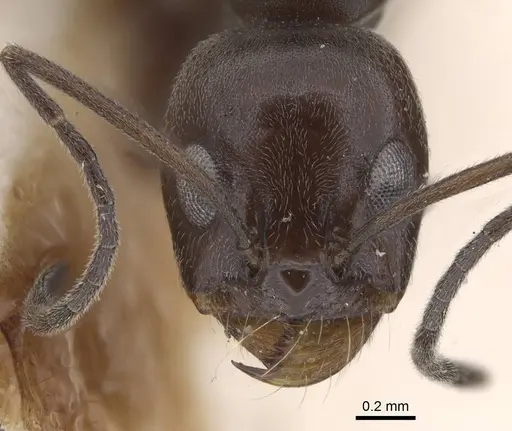
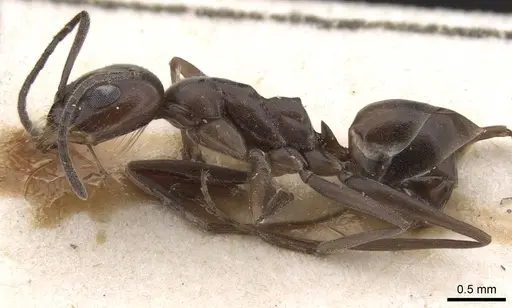
Dorymyrmex baeri is a small ant species native to Argentina, belonging to the Dolichoderinae subfamily. Workers are slender ants measuring around 3-4mm, with a distinctive cone-shaped abdomen that gives them their common name. They have a dark brown to black coloration with a lighter thorax. This species was described by André in 1903 and is found primarily in the Argentine provinces of Tucuman, Catamarca, and surrounding regions, often at higher elevations of around 4000 meters [1]. Like other Dolichoderinae ants, they lack a sting but can release a foul-smelling defensive chemical when threatened. These ants are ground-nesters, typically establishing colonies in soil under stones or in open sunny areas.
Quick Summary
- Difficulty: Medium
- Origin & Habitat: Native to Argentina, specifically the provinces of Tucuman and Catamarca. Found at higher elevations around 4000 meters in the Tucuman province. They nest in soil, often under stones in open or partially shaded areas [1].
- Colony Type: Colony structure is not well documented in scientific literature. Based on typical Dorymyrmex patterns, colonies likely start with a single queen (monogyne) and grow to a few hundred workers. The genus generally shows simple colony structures without the complex hierarchies seen in some other ant families.
- Colony: Monogyne
- Founding: Claustral
- Size & Growth:
- Queen: Estimated 5-6mm based on genus patterns, direct measurements not available
- Worker: Estimated 3-4mm based on genus patterns, direct measurements not available
- Colony: Estimated up to 200-500 workers based on typical Dorymyrmex colony sizes
- Growth: Moderate, based on typical genus development patterns
- Development: Estimated 6-10 weeks based on related Dolichoderinae species at optimal temperature (Development time is estimated from genus-level data since species-specific research is not available. Expect faster development in warmer conditions within their tolerance range.)
- Antkeeping:
- Temperature: Keep at room temperature around 18-24°C. The high-altitude Argentine habitat suggests they can tolerate cooler conditions than typical tropical ants. A gentle gradient allowing workers to choose their preferred temperature is ideal.
- Humidity: Moderate humidity around 50-70%. These ants come from relatively dry high-altitude regions, so avoid overly damp conditions. The nest substrate should be kept slightly moist but never waterlogged.
- Diapause: Likely yes, based on the temperate Argentine distribution and high-altitude origin. Expect a winter rest period during the southern hemisphere winter (roughly May-September). Reduce temperatures to around 10-15°C during this period.
- Nesting: Natural nesting is in soil under stones. In captivity, a standard test tube setup works well for founding colonies. For established colonies, a Y-tong or plaster nest with moderate moisture retention is appropriate. Avoid overly humid conditions.
- Behavior: Dorymyrmex baeri is generally calm and not aggressive toward keepers. Like other Dolichoderinae, they lack a sting but can emit a defensive odor when disturbed. Workers are active foragers, typically searching for food on the ground surface. They are not strong climbers, so escape risk is moderate, standard barrier methods should suffice. They likely show typical ant behavior of establishing foraging trails to food sources.
- Common Issues: high-altitude origin means they may struggle in warm, humid conditions typical of tropical ant setups, limited scientific data means care recommendations are based on genus-level patterns rather than species-specific research, colonies may be sensitive to overfeeding, offer modest amounts and remove uneaten food, test tube setups must have proper water reservoir management to avoid flooding the colony, winter diapause is likely required, skipping this may weaken the colony over time
Natural History and Distribution
Dorymyrmex baeri is endemic to Argentina, with documented records from the provinces of Tucuman and Catamarca. The type locality in Tucuman province sits at approximately 4000 meters elevation, indicating this species prefers cooler, more temperate conditions than many other ant species [1]. The genus Dorymyrmex is known for its distinctive cone-shaped abdomen (gaster), which is where the common name 'cone ant' originates. These ants belong to the subfamily Dolichoderinae, which is characterized by a single petiole node and the absence of a sting. Instead, Dolichoderinae ants defend themselves through the production of defensive chemicals that emit a foul odor when the ant is crushed or threatened.
Housing and Nest Setup
For Dorymyrmex baeri, start with a standard test tube setup for the founding queen. Fill a clean test tube with water, push a cotton ball to create a water reservoir, then place the queen in the test tube. The queen will likely seal herself into a chamber at the far end of the tube. Keep the tube in a dark, quiet location at room temperature (around 20-24°C). Once the first workers (nanitics) emerge and the colony grows to 15-20 workers, you can consider moving them to a more permanent formicarium. A Y-tong (acrylic) nest or a plaster nest with moderate humidity works well. Avoid overly humid conditions, these high-altitude ants prefer drier setups than many tropical species. Provide an outworld area for foraging with a shallow food dish.
Feeding and Diet
Based on typical Dorymyrmex feeding behavior, these ants are omnivorous and will accept both sugar sources and protein foods. Offer sugar water (1:4 ratio with water) or a small drop of honey as a carbohydrate source. For protein, provide small insects such as fruit flies, small mealworms, or cricket pieces. Remove any uneaten prey after 24-48 hours to prevent mold. Feed the colony 2-3 times per week, adjusting based on how quickly they consume the food. During the founding stage, the claustral queen does not need to forage, she relies on stored fat reserves to produce her first workers.
Temperature and Seasonal Care
Dorymyrmex baeri originates from high-altitude Argentina, so they prefer cooler temperatures than many commonly kept ant species. Aim for a temperature range of 18-24°C in the nest area. They can tolerate brief periods slightly outside this range, but avoid prolonged exposure to temperatures above 28°C or below 15°C. During the southern hemisphere winter (roughly May to September), reduce temperatures to around 10-15°C to allow for a proper diapause period. This winter rest is important for colony health and may trigger reproductive behavior in the following season. Do not feed during diapause, the colony will be largely inactive.
Behavior and Handling
These ants are generally docile and suitable for antkeepers of moderate experience. Workers are active foragers that will establish trails to food sources. They lack a sting but may release a defensive odor if threatened or crushed, this is a characteristic of the Dolichoderinae subfamily. Escape risk is moderate since workers are small (around 3-4mm) but not extremely tiny. Use standard barrier methods such as fluon on the rim of the outworld. The colony will show increased activity at night and during warmer parts of the day. Queens are relatively robust for their size and can live for several years with proper care.
Frequently Asked Questions
How long does it take for Dorymyrmex baeri to produce first workers?
Based on typical Dolichoderinae development, expect first workers (nanitics) to emerge around 6-10 weeks after the queen lays eggs, assuming temperatures around 20-24°C. The exact timing depends on temperature and colony health.
What temperature do Dorymyrmex baeri need?
Keep them at room temperature, ideally between 18-24°C. Their high-altitude Argentine origin means they prefer cooler conditions than many tropical ant species. Avoid temperatures above 28°C.
Do Dorymyrmex baeri need hibernation?
Yes, based on their temperate Argentine distribution, they likely require a winter diapause period. Reduce temperatures to 10-15°C during the southern hemisphere winter (roughly May to September) and do not feed during this rest period.
How big do Dorymyrmex baeri colonies get?
Based on typical Dorymyrmex colony sizes, expect colonies to reach 200-500 workers at maturity. This is a moderate colony size compared to some other ant species.
What do Dorymyrmex baeri eat?
They are omnivorous. Offer sugar water or honey for carbohydrates, and small insects like fruit flies or mealworms for protein. Feed 2-3 times per week and remove uneaten food promptly.
Is Dorymyrmex baeri good for beginners?
This species is rated as Medium difficulty. While not as challenging as some exotic species, the limited species-specific care information and their specific temperature requirements make them better suited for antkeepers with some experience.
Can I keep multiple Dorymyrmex baeri queens together?
This has not been documented for this species. Based on typical Dorymyrmex patterns, they likely form single-queen colonies. It is not recommended to combine unrelated queens as fighting may occur.
When should I move Dorymyrmex baeri to a formicarium?
Move the colony when they outgrow the test tube, typically when the population reaches 15-30 workers and you see the queen spending more time in the outworld area. Ensure the formicarium provides appropriate moderate humidity.
Why is my Dorymyrmex baeri colony declining?
Common causes include: temperatures too high (above 28°C), excessive humidity causing mold, overfeeding leading to mold, or skipping the winter diapause period. Check these parameters and adjust accordingly.
References

This caresheet is licensed under CC BY-SA 4.0 .
CASENT0909731
View on AntWeb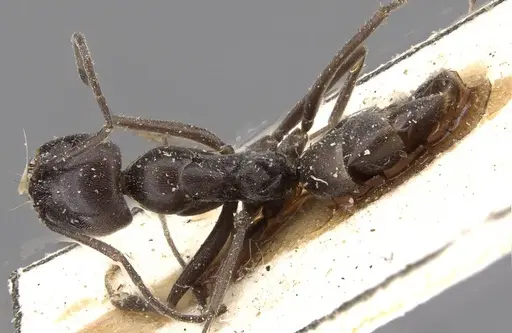
CASENT0915337
View on AntWeb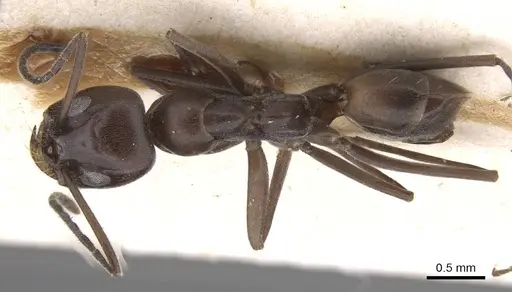
Literature
Loading...Loading products...