

Dorylus laevigatus
- Scientific Name
- Dorylus laevigatus
- Subfamily
- Dorylinae
- Author
- Smith, 1857
- Distribution
- Found in 4 countries
Dorylus laevigatus Overview
Dorylus laevigatus is an ant species of the genus Dorylus. It is primarily documented in 4 countries , including Indonesia, Malaysia, Singapore. Detailed taxonomic data and occurrence records can be further explored via authoritative databases such as AntWeb or the Global Biodiversity Information Facility (GBIF).
Dorylus laevigatus
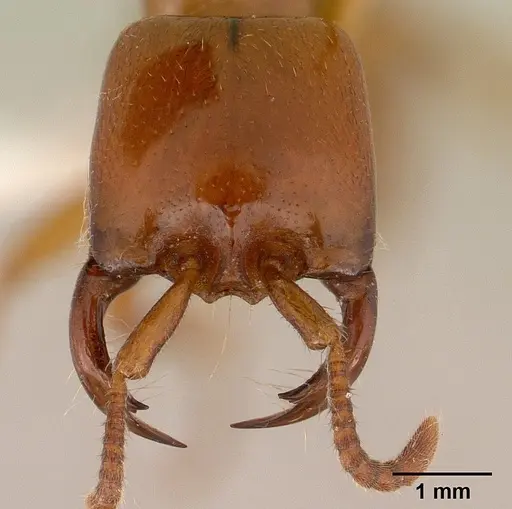
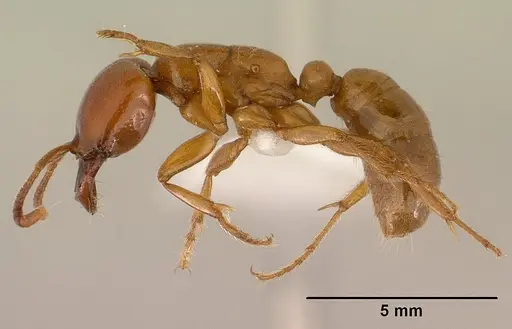
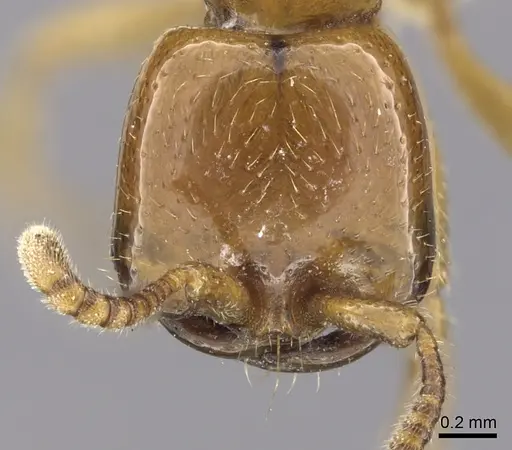
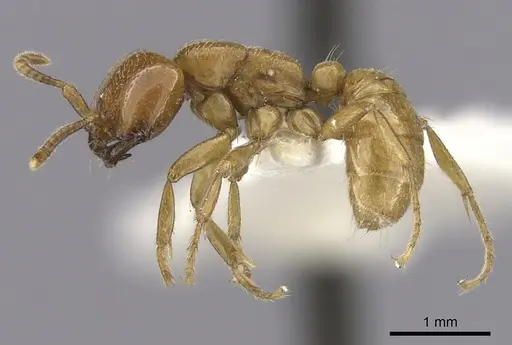
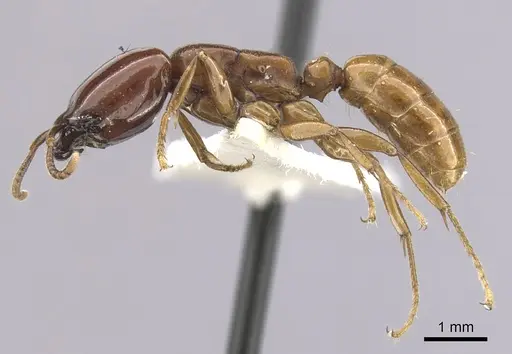
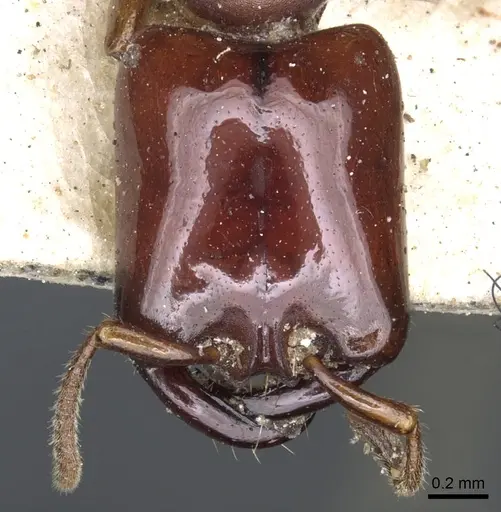
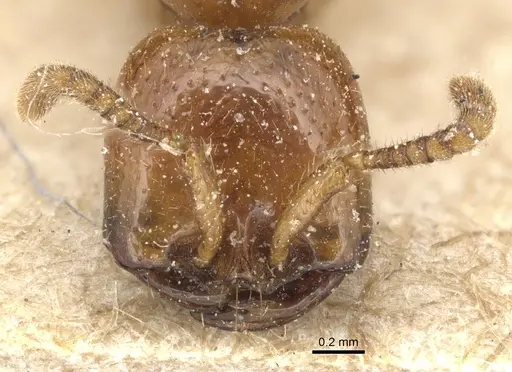
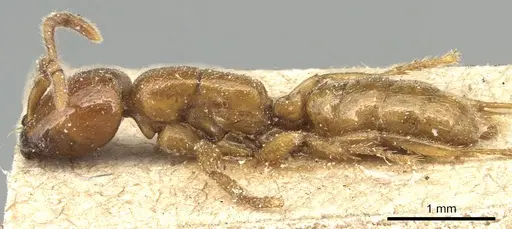
Dorylus laevigatus is a hypogaeic (subterranean) army ant native to Southeast Asia, ranging from Burma through Indonesia to southern China. Workers are highly polymorphic, ranging from 4-5mm in minor workers to 8mm in majors, with a uniform brownish-yellow coloration [1]. This species is the only known member of the subgenus Dichthadia and is considered a relatively primitive relict among army ants, retaining primitive features like 12-antennal segments in large workers [1]. Unlike typical army ants that raid visibly on the surface, D. laevigatus spends almost its entire life underground, hunting through soil and rarely appearing on the surface except when tunneling through compacted earth [2].
Quick Summary
- Difficulty: Expert
- Origin & Habitat: Southeast Asian tropical and subtropical forests. Found across Burma, Thailand, Malaysia, Indonesia (Sumatra, Java, Borneo, Sulawesi), Laos, Vietnam, Singapore, and southern China (Yunnan). This species is a habitat specialist restricted to secondary forest with moderately moist soil conditions [3][4].
- Colony Type: Monogyne (single queen) colonies with ergatoid (wingless) queens. Colonies reproduce through fissioning, where the queen and a portion of workers leave to establish a new nest [5][6].
- Colony: Monogyne
- Size & Growth:
- Queen: 32mm [7]
- Worker: Minor: 4-5mm, Major: 8mm [7]
- Colony: Unknown, but large numbers observed in subterranean traps (over 1000 individuals per trap) suggest substantial colonies [8]
- Growth: Unknown
- Development: Unknown, no direct development data available for this species (Development timeline has not been studied. Based on related Doryline ants, expect several months to first workers.)
- Antkeeping:
- Temperature: Tropical species, keep at 24-28°C. This is a warm-environment ant from Southeast Asian forests.
- Humidity: Requires moderately moist soil conditions [4]. Keep substrate consistently damp but not waterlogged. The soil should feel moist to the touch.
- Diapause: No, being a tropical species, they do not require hibernation. However, slight temperature reduction during cooler months may be appropriate.
- Nesting: This is a strictly hypogaeic species that nests and forages underground. In captivity, they require a deep soil-based setup or a naturalistic formicarium with substantial substrate depth (at least 10-15cm). They will not thrive in shallow acrylic nests. A soil chamber system or custom deep nest is essential [2].
- Behavior: Extremely cryptic and subterranean. Workers are eyeless or nearly so and navigate through soil using chemical trails [2]. They maintain stable underground trail networks rather than the temporary swarm raids typical of epigaeic army ants [8][9]. They are predatory on soil invertebrates including termites, and will readily attack prey encountered in their tunnels. Colonies can produce massive numbers of workers, over 500 individuals have been captured in single subterranean traps [8]. They are aggressive predators but rarely seen due to their completely subterranean lifestyle. Escape prevention is not a major concern since they cannot climb smooth surfaces and remain in soil, but the primary challenge is keeping them contained within their enclosure.
- Common Issues: keeping them visible, their completely subterranean lifestyle makes observing the colony extremely difficult, providing adequate substrate depth, they need deep soil to exhibit natural tunneling and foraging behaviors, feeding, their cryptic nature means prey must be placed in their tunnels or the soil, not offered in an open foraging area like typical ants, temperature maintenance, being tropical, they need consistently warm conditions year-round, colonies may remain small and cryptic in captivity if not provided optimal soil conditions and prey
Why This Species Is Challenging
Dorylus laevigatus is not a beginner-friendly species. This is one of the most difficult ants to keep because they are obligate subterranean foragers that almost never come to the surface. Unlike typical ants where you can watch workers forage in an outworld, these ants will remain hidden in their soil chambers, making the colony essentially invisible for most of the time. They require specialized setups with deep soil substrate, and even then, observing colony behavior is extremely limited. Additionally, being predatory on soil invertebrates, they need a constant supply of appropriate prey items that can be introduced into their tunnel system. For these reasons, Dorylus laevigatus is recommended only for experienced antkeepers who have successfully maintained other difficult species and who are specifically interested in studying hypogaeic army ant biology. [2][8][9]
Housing and Setup
Standard ant nests (test tubes, acrylic formicaria) are completely unsuitable for Dorylus laevigatus. You need a deep soil-based naturalistic setup with at least 10-15cm of moist substrate. A large plastic container or custom-built soil chamber works best. The substrate should be a mix of soil and sand that holds moisture well but allows for tunneling. Provide a water reservoir or mist regularly to maintain moderate moisture. Because they are blind and navigate chemically, they need continuous tunnel networks. The setup should allow you to add prey items directly into the soil near their tunnels. Some keepers use observation boxes with one transparent side, but even then, most activity will remain hidden beneath the surface. Cover the setup with a secure lid, while they cannot climb smooth surfaces, they can squeeze through tiny gaps. [2][4][8]
Feeding and Diet
Dorylus laevigatus is a predatory species that hunts soil invertebrates. In the wild, they prey on small arthropods including termites, other ant species, and various soil-dwelling insects [10]. In captivity, you should offer small live prey such as termites (their preferred food), small crickets, fruit flies, and other small insects. Prey should be placed directly into the soil near active tunnels rather than in an open foraging area. They are unlikely to accept sugar sources, being predatory hunters, they focus on protein. Some keepers report success with offering small amounts of protein jelly or crushed insects, but live prey is always preferred. Feed every few days, adjusting based on consumption. Remove uneaten prey to prevent mold.
Temperature and Seasonal Care
As a tropical Southeast Asian species, Dorylus laevigatus requires warm temperatures year-round. Maintain the nest area at 24-28°C. Temperature drops below 20°C for extended periods will likely stress the colony. Use a heating cable or mat on one side of the setup to create a gentle warmth gradient if your room temperature is below 24°C. Place the heating on top of the container to warm the soil from above, not below a water reservoir. Unlike temperate ants, they do not require a winter diapause period. However, they may show reduced activity during cooler months. Monitor colony behavior, if workers become less active and cluster together, consider whether the temperature has dropped too low.
Understanding Their Lifestyle
Dorylus laevigatus represents a unique ecological niche among ants, the hypogaeic (fully subterranean) army ant. Unlike their famous relatives like Dorylus (army ants) that form massive visible raiding swarms on the forest floor, this species has adapted to life underground. They use stable, long-lasting tunnel networks rather than the temporary swarm raids of surface-dwelling army ants [8][9]. Workers are nearly blind, with reduced eyes, and navigate using chemical pheromone trails. They can be found at depths of 5-25cm underground, and colonies can number in the thousands. This species is considered primitive among army ants, retaining the ancestral 12-antennal segment count in large workers, while more derived army ants have reduced this number. Understanding this unique lifestyle is key to providing appropriate care, they are not display ants you can watch foraging, but rather a cryptic species that requires patience and specialized husbandry to maintain successfully.
Frequently Asked Questions
Can I keep Dorylus laevigatus in a test tube or acrylic nest?
No. This is a strictly hypogaeic species that requires deep soil to tunnel and forage. Standard nests are completely unsuitable. You need a naturalistic setup with at least 10-15cm of moist substrate.
How long until first workers in Dorylus laevigatus?
Unknown, the development timeline has not been studied for this species. Based on related Doryline ants, expect several months from egg to first worker at optimal temperature.
Are Dorylus laevigatus good for beginners?
No. This species is recommended only for expert antkeepers. They are extremely difficult to observe, require specialized deep-soil housing, need constant warm temperatures, and must be fed live prey placed directly in their tunnels. Their completely subterranean lifestyle makes them one of the most challenging species to keep.
How big do Dorylus laevigatus colonies get?
Colony size is not well documented, but they are known to produce very large numbers, over 1000 individuals have been captured in single subterranean traps. Colonies likely reach several thousand workers.
Can I keep multiple queens together?
No. This is a monogyne species with a single ergatoid queen per colony. Multiple unrelated queens would likely fight. Colonies reproduce through fissioning, where the queen takes a portion of workers to establish a new nest.
What do Dorylus laevigatus eat?
They are predatory on soil invertebrates. Offer live small prey such as termites (preferred), small crickets, fruit flies, and other tiny insects. Place prey directly in the soil near their tunnels. They are unlikely to accept sugar sources.
Do they need hibernation?
No. As a tropical species from Southeast Asia, they do not require hibernation. Keep them warm year-round at 24-28°C.
What temperature do they need?
Keep them at 24-28°C. This is a tropical species that requires consistently warm conditions. Use a heating cable on one side of the setup if room temperature is below this range.
References

This caresheet is licensed under CC BY-SA 4.0 .
CASENT0179069
View on AntWeb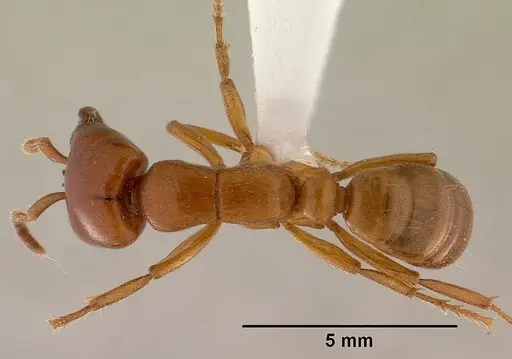
CASENT0249441
View on AntWeb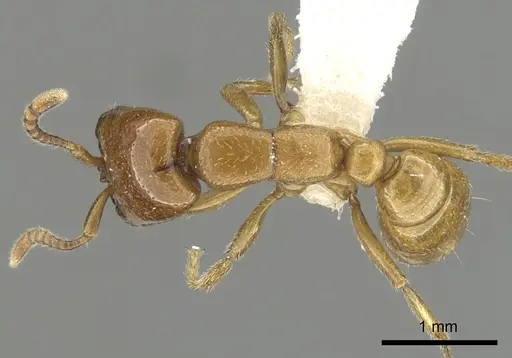
CASENT0249442
View on AntWeb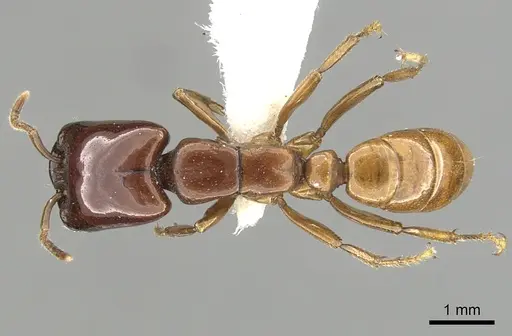
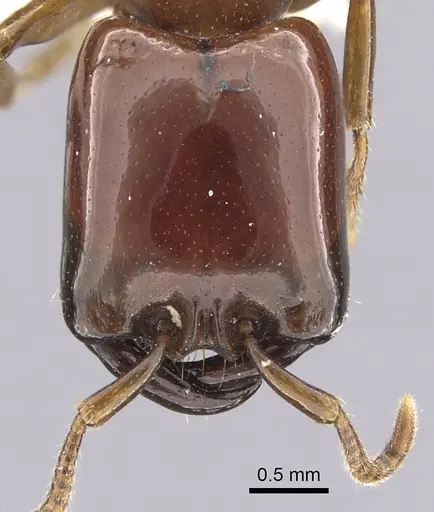
CASENT0902696
View on AntWeb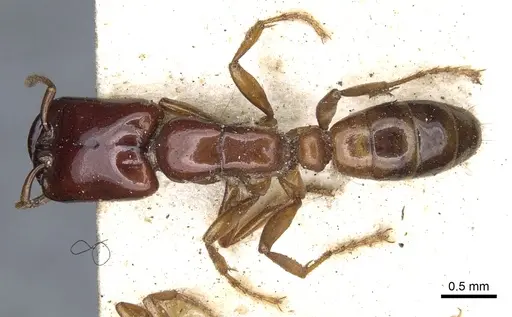
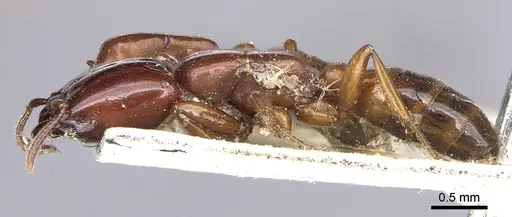
CASENT0903709
View on AntWeb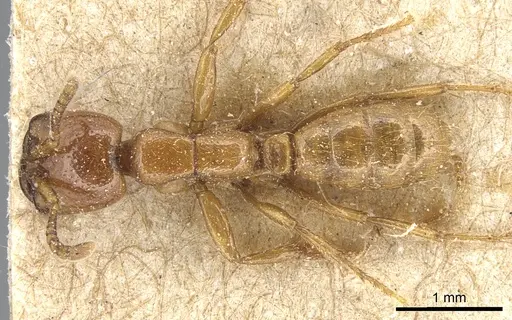
Literature
Loading...Loading products...