

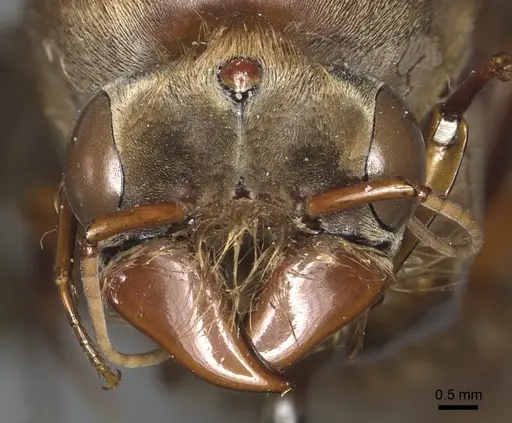
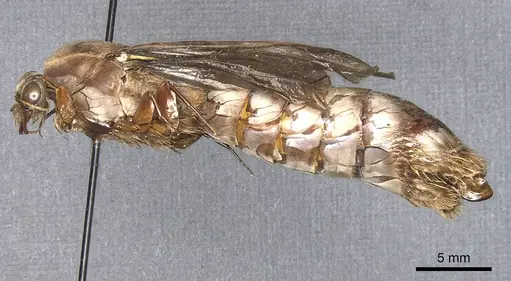
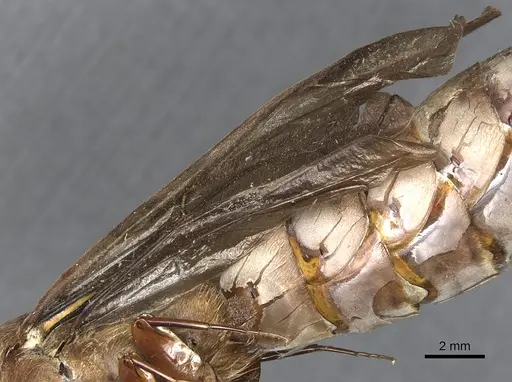
Dorylus fuscipennis
- Scientific Name
- Dorylus fuscipennis
- Subfamily
- Dorylinae
- Author
- Emery, 1892
- Distribution
- Found in 3 countries
Dorylus fuscipennis Overview
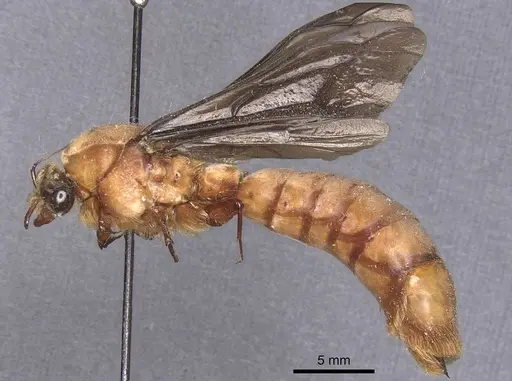
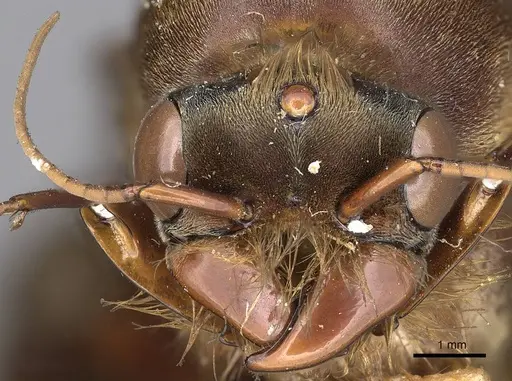
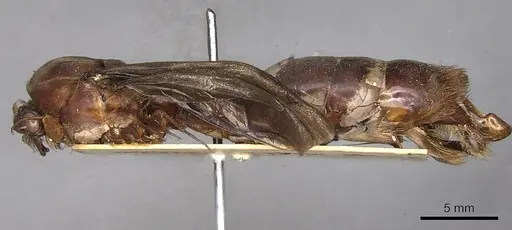
Dorylus fuscipennis is an ant species of the genus Dorylus. It is primarily documented in 3 countries , including Côte d'Ivoire, Ghana, Mozambique. Detailed taxonomic data and occurrence records can be further explored via authoritative databases such as AntWeb or the Global Biodiversity Information Facility (GBIF).
Dorylus fuscipennis
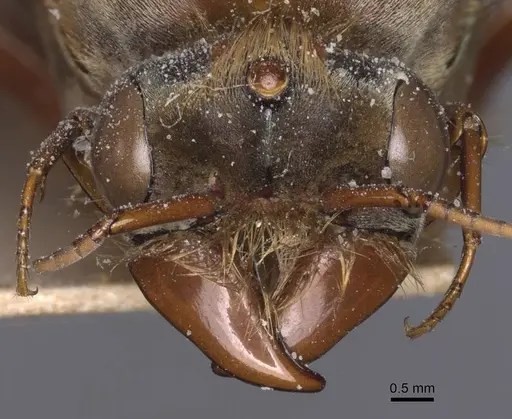
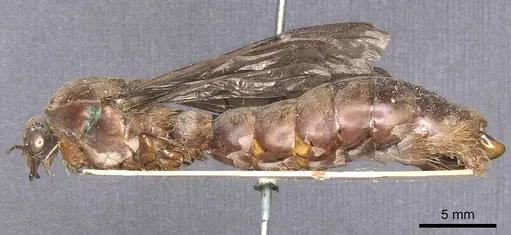
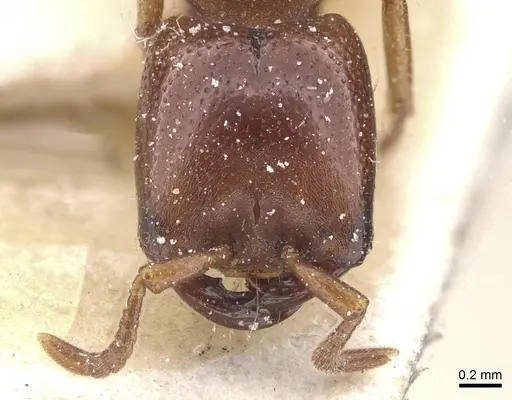
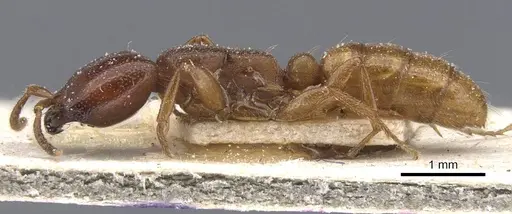
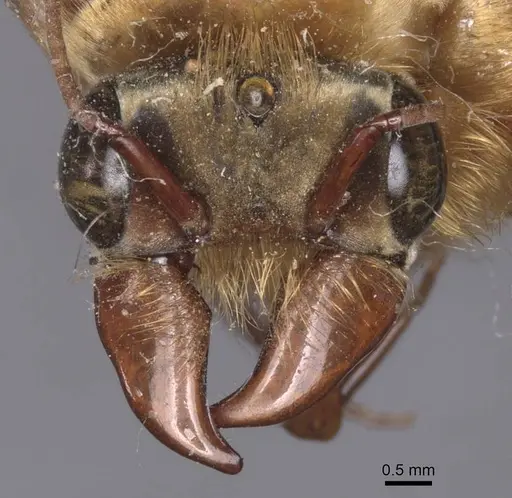
Dorylus fuscipennis is a West African army ant species belonging to the Dorylinae subfamily. Workers are small to medium-sized for the genus, typically measuring 3-7mm depending on the caste [1]. The species is found in the Afrotropical region, specifically in Ghana, Ivory Coast, and historically Congo [2]. Like all Dorylus species, these are predatory army ants known for their coordinated raiding behavior and massive colonies that can contain thousands of individuals. The genus Dorylus is famous for its nomadic lifestyle, with colonies alternating between statary phases (staying in one location) and nomadic phases (moving regularly). This species represents the army ant adaptive syndrome that has evolved independently multiple times within the Dorylinae.
Quick Summary
- Difficulty: Expert
- Origin & Habitat: West Africa, Ghana, Ivory Coast, and Congo. Found in tropical forest habitats in the Afrotropical region [2].
- Colony Type: Polygyne (multiple queens) colonies typical for Dorylus species, with colonies reaching thousands of workers. Army ants have complex social structure with multiple reproductive queens and coordinated colony behavior.
- Colony: Polygyne
- Founding: Claustral
- Size & Growth:
- Queen: Large (queens can reach 25-50mm in Dorylus genus, estimated for this species based on congeneric data)
- Worker: 3-7mm (polymorphic, major and minor workers) [1]
- Colony: Extremely large, Dorylus colonies can reach tens of thousands of workers
- Growth: Fast, army ant colonies grow rapidly once established
- Development: Estimated 3-5 weeks at optimal tropical temperatures (25-30°C) based on typical Dorylus development (Development is temperature-dependent, warmer conditions accelerate development. Army ant brood development is well-studied in related species.)
- Antkeeping:
- Temperature: Tropical requirements, keep at 25-30°C. Use a heating mat on one side of the nest to create a gradient.
- Humidity: High humidity (70-85%), these are forest floor ants that need moist conditions. Keep substrate consistently damp but not waterlogged.
- Diapause: No, as a tropical species, they do not require hibernation. Maintain warm conditions year-round.
- Nesting: Y-tong (AAC) nests or plaster nests work well. Provide deep substrate for tunneling. Army ants need enclosed spaces that mimic their natural underground nests.
- Behavior: Extremely aggressive predatory behavior, they raid in columns and overwhelm prey. Workers have functional stings and will defend vigorously. They are highly active and constantly on the move during nomadic phases. Escape prevention is critical, they are excellent climbers and will exploit any gap. They are primarily nocturnal or crepuscular raiders. Unlike some army ants, Dorylus fuscipennis workers are relatively small, but colonies are highly defensive.
Understanding Dorylus Army Ants
Dorylus fuscipennis belongs to the army ant genus Dorylus, one of the most ecologically important groups of ants in African ecosystems. Army ants are characterized by their predatory lifestyle, massive colonies, and unique nomadic behavior. Unlike most ants that have permanent nests, army ants alternate between statary phases (when the colony remains stationary for several weeks while the queen lays eggs) and nomadic phases (when the colony migrates to a new location). This creates unique challenges for keepers, as the colony's space needs will fluctuate dramatically. Dorylus species are known for their column raids, coordinated foraging parties that can overwhelm prey items much larger than individual workers. The genus is distributed across sub-Saharan Africa and parts of Asia, with D. fuscipennis specifically found in West African rainforests [2].
Housing and Nest Setup
Keeping Dorylus fuscipennis requires significant space and planning. A Y-tong (AAC) nest or custom acrylic formicarium with deep chambers works best, as these ants need room to accommodate their massive colonies. Provide a moisture gradient using a water reservoir system, army ants prefer humid conditions but need some drier areas for brood care. The outworld (foraging area) should be spacious and escape-proof, as these ants are excellent climbers. Use fluon or other barriers on enclosure edges. Because of their nomadic nature, you may need to provide multiple potential nest sites and allow the colony to choose. Temperature should be maintained at 25-30°C using a heating mat placed on one side of the nest. Avoid direct heat on the nest material itself, instead, heat the air or use a gentle background warmth. Lighting should be low, army ants prefer dim conditions and are often nocturnal.
Feeding and Predatory Behavior
Dorylus fuscipennis is a strict predator, these are true army ants that rely on hunting live prey. They will not accept sugar water or honey as a primary food source. Feed a variety of live insects appropriate to worker size: crickets, mealworms, roaches, and other arthropods. The colony will organize raiding parties and overwhelm prey through sheer numbers. Feed generously, a large army ant colony can consume thousands of prey items per week. During nomadic phases, feeding activity increases dramatically. Remove uneaten prey after 24-48 hours to prevent mold. The workers are relatively small (3-7mm), so prey should be appropriately sized. Some keepers report success with pre-killed insects, but live prey triggers more natural hunting behavior. Never rely on sugar sources, these are obligate predators. [2]
Colony Dynamics and Growth
Dorylus colonies grow explosively once the first workers (nanitics) establish. The founding queen is permanently claustral, she seals herself in a chamber, lays eggs, and raises the first brood entirely on her stored fat reserves. Once workers emerge, the colony enters its first nomadic phase and begins raiding. Colonies can reach tens of thousands of workers within the first year under optimal conditions. Unlike many ant species, Dorylus colonies have multiple reproductive queens (polygyne structure). During statary phases, the colony remains in one location while the queen(s) lay thousands of eggs. Then the colony enters nomadic phase, moving nightly to new bivouacs. This cycle continues throughout the colony's life. Growth rate is among the fastest of any ant species, well-fed colonies can double in size monthly during peak periods.
Safety and Handling
Dorylus fuscipennis workers possess functional stings and will use them aggressively when threatened. While individual stings are not typically dangerous to healthy humans, the sheer number of attacking workers can make these ants genuinely hazardous. Never handle them without protection. Their small size (3-7mm) means they can squeeze through standard ant-keeping barriers, use fine mesh and fluon liberally. The colony's defensive response is proportional to threat level, vibrations near the nest, light exposure, or perceived prey can trigger mass raids. Keepers should observe from a distance and avoid disturbing the nest. If you need to move or inspect the colony, do so cautiously and with proper equipment. The nomadic nature of these ants means nest locations change, always secure the outworld thoroughly.
Frequently Asked Questions
Are Dorylus fuscipennis good for beginners?
No, this species is for expert antkeepers only. Their aggressive behavior, massive colony size, nomadic lifestyle, and specific predatory diet requirements make them unsuitable for beginners. They require significantly more space, food, and expertise than typical pet ants.
How long does it take for Dorylus fuscipennis to produce first workers?
Estimated 3-5 weeks from egg to worker at optimal temperatures (25-30°C). This is faster than most ant species due to army ant adaptations for rapid colony growth. The claustral queen raises the first brood entirely alone.
Can I keep multiple Dorylus fuscipennis queens together?
Yes, Dorylus species are naturally polygyne (multiple queens per colony). In the wild, colonies typically have several reproductive queens. However, combining unrelated foundress queens in captivity is risky and not recommended unless you have experience.
What do Dorylus fuscipennis eat?
They are obligate predators that eat live insects. Feed a variety of appropriately-sized live prey such as crickets, mealworms, roaches, and other arthropods. They will not accept sugar water, honey, or seeds. A large colony can consume thousands of insects weekly.
Do Dorylus fuscipennis need hibernation?
No, as a tropical West African species, they do not require hibernation. Keep them warm year-round at 25-30°C. Cold temperatures will slow development and can kill the colony.
How big do Dorylus fuscipennis colonies get?
Extremely large, Dorylus colonies can reach tens of thousands of workers. A mature colony will require significant space and can consume remarkable quantities of prey. Plan for this from the start.
When should I move Dorylus fuscipennis to a formicarium?
Keep them in a founding setup (test tube or small container) until the colony reaches several hundred workers. Army ants need more space than typical ants, but moving too early can stress the colony. Provide a spacious outworld from the start.
Why is my Dorylus fuscipennis colony dying?
Common causes include: low temperature (below 25°C), insufficient prey (they need constant protein), dry conditions (they require high humidity), or stress from disturbance. Army ants are sensitive to environmental changes. Check all parameters and ensure you're feeding enough live prey.
References

This caresheet is licensed under CC BY-SA 4.0 .
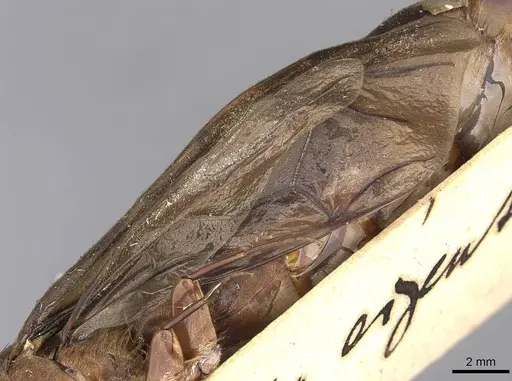
CASENT0903764
View on AntWeb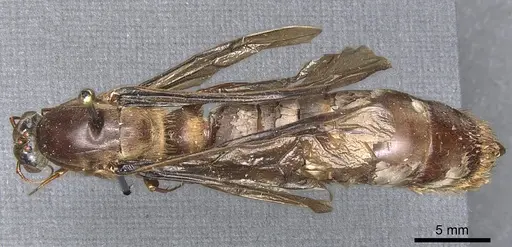
CASENT0911350
View on AntWeb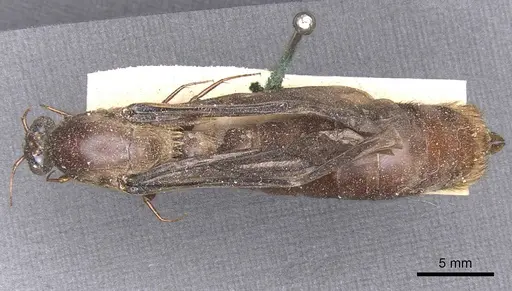
CASENT0911351
View on AntWeb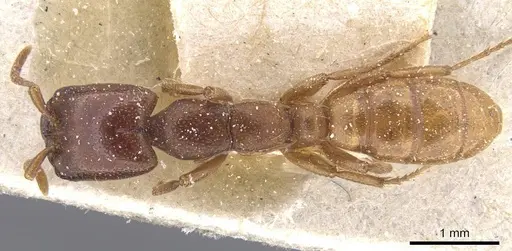
CASENT0911352
View on AntWeb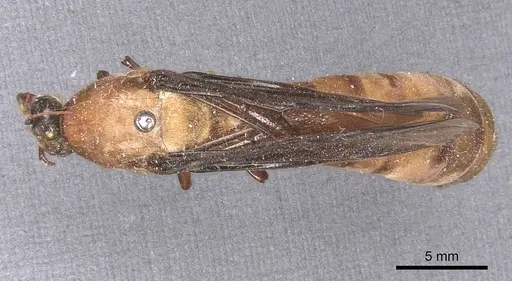
CASENT0914043
View on AntWeb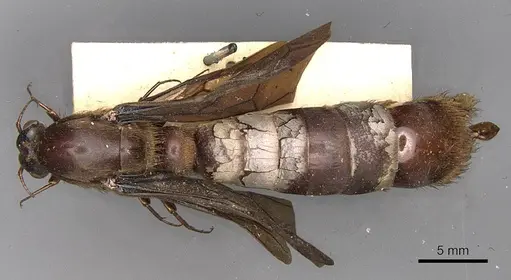
Literature
Loading...Loading products...