

Dorylus emeryi
- Scientific Name
- Dorylus emeryi
- Subfamily
- Dorylinae
- Author
- Mayr, 1896
- Distribution
- Found in 4 countries
Dorylus emeryi Overview
Dorylus emeryi is an ant species of the genus Dorylus. It is primarily documented in 4 countries , including Congo, Democratic Republic of the, Central African Republic. Detailed taxonomic data and occurrence records can be further explored via authoritative databases such as AntWeb or the Global Biodiversity Information Facility (GBIF).
Dorylus emeryi
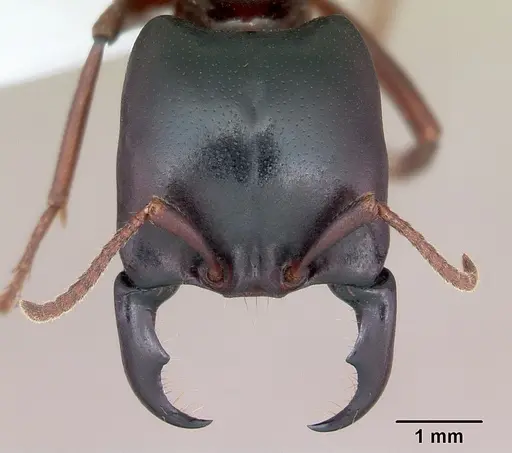
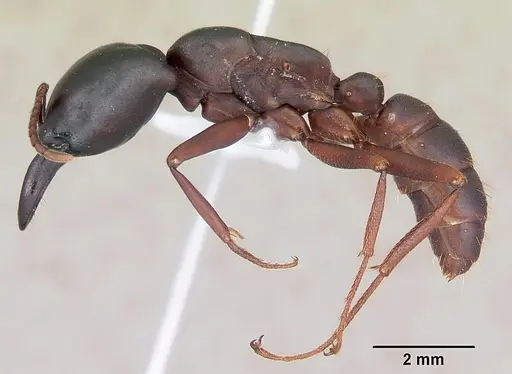
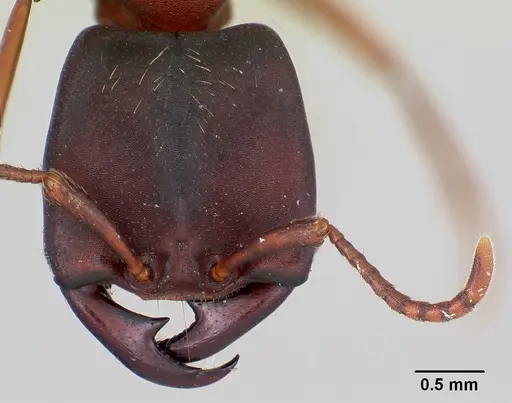
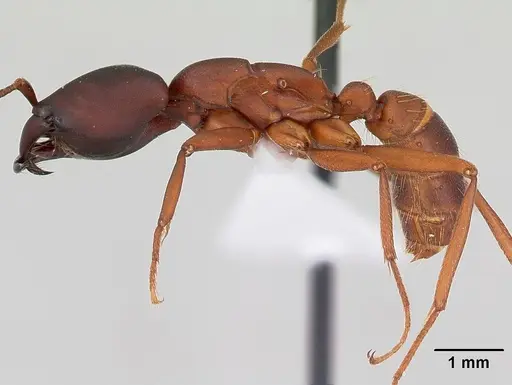
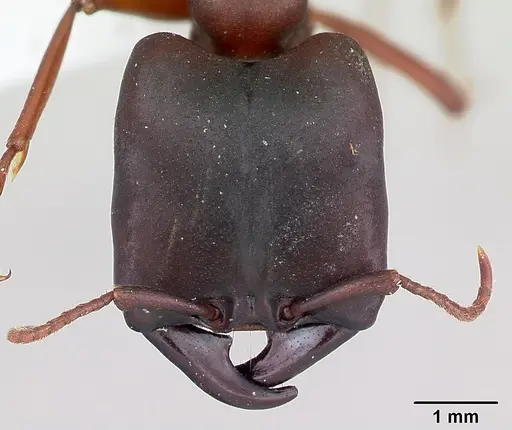
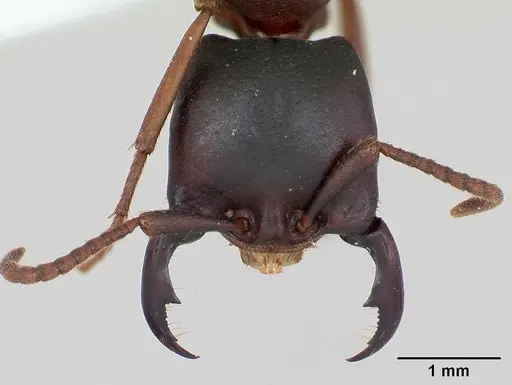
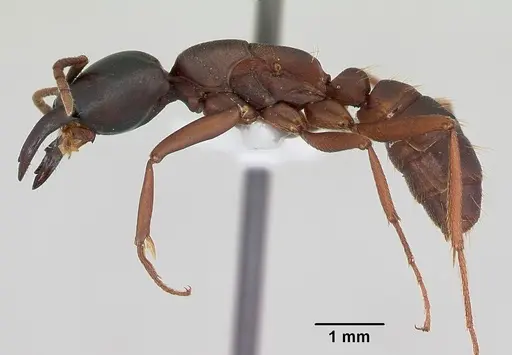
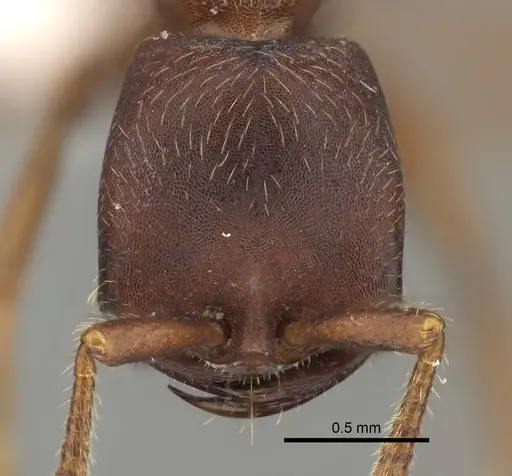
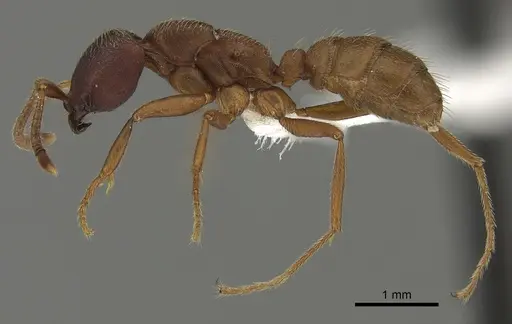
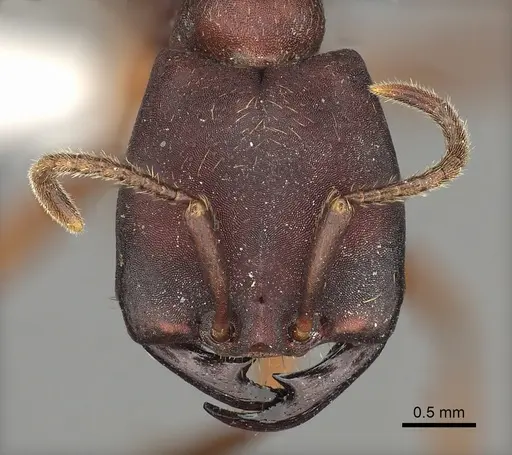
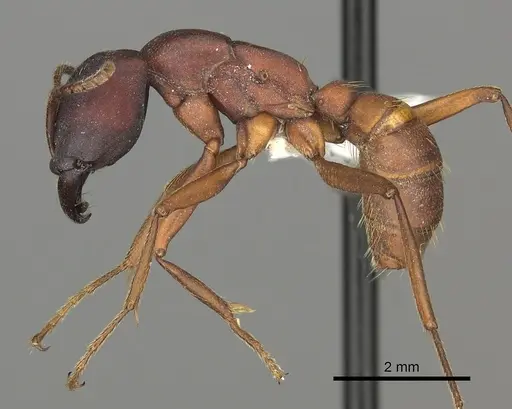
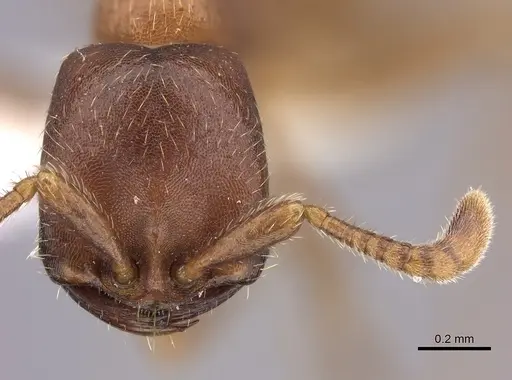
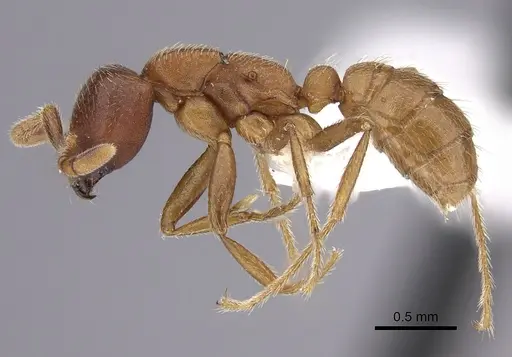
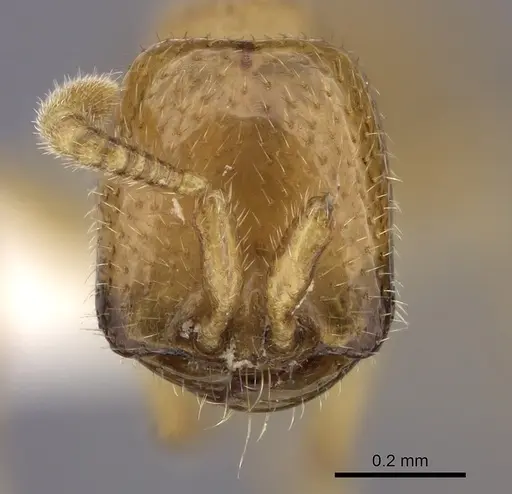
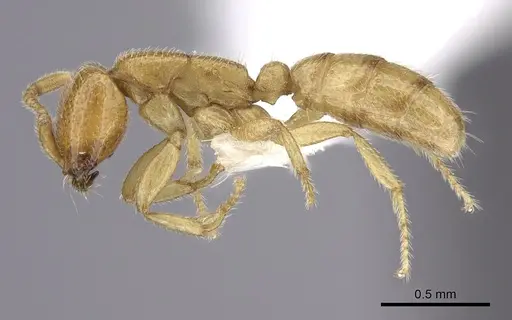
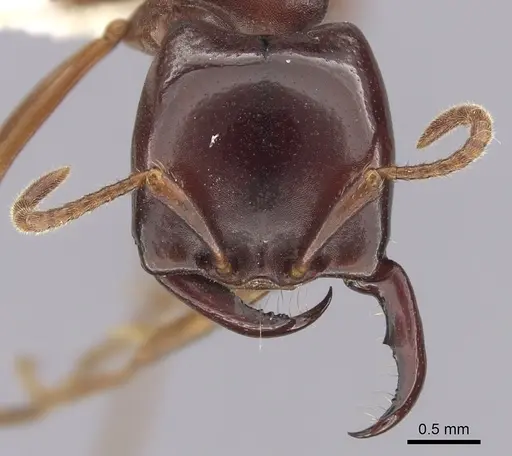
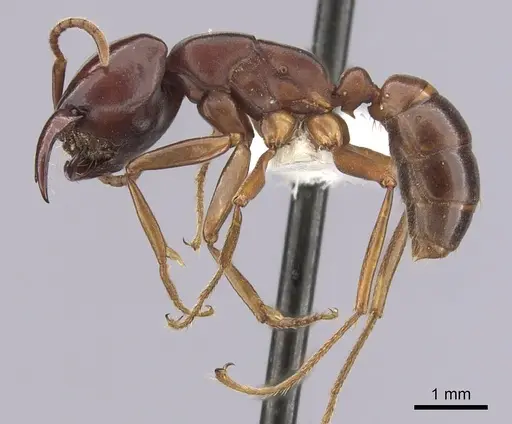
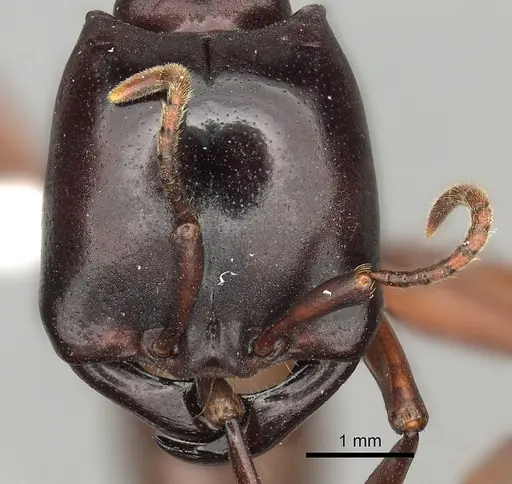
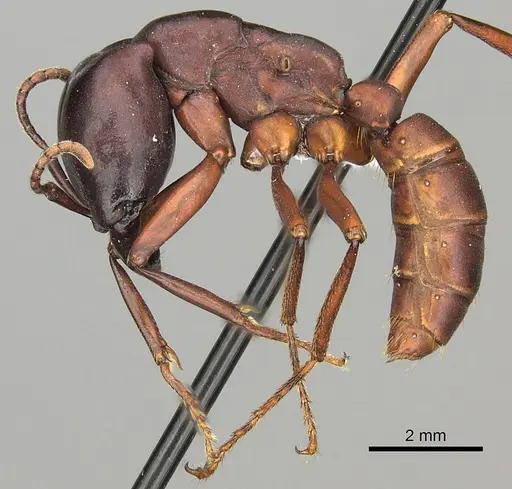
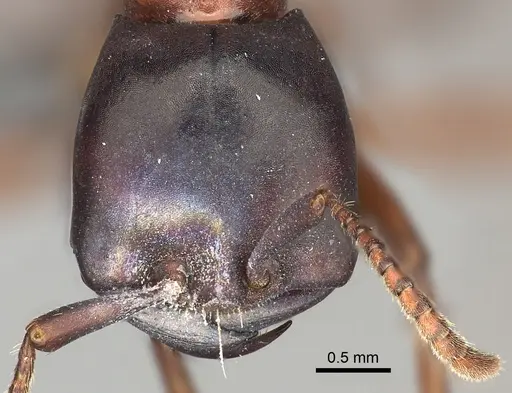
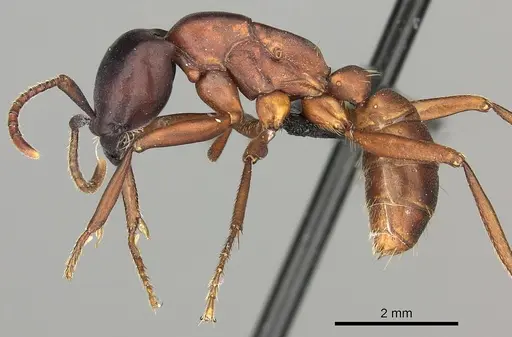
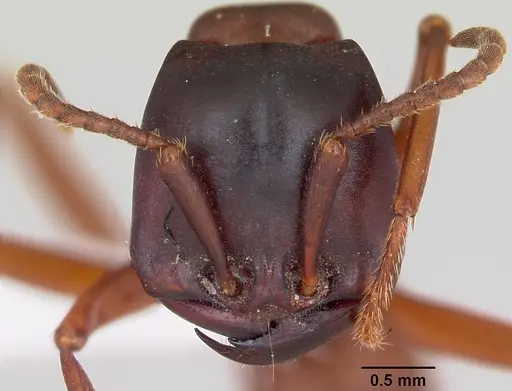
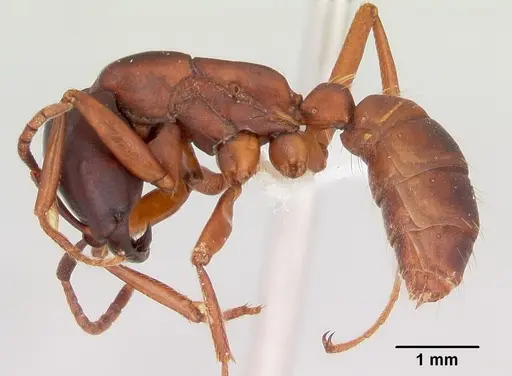
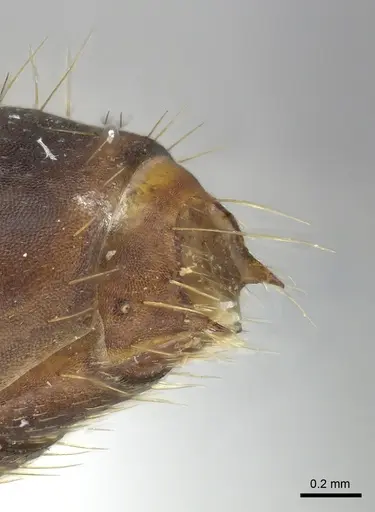
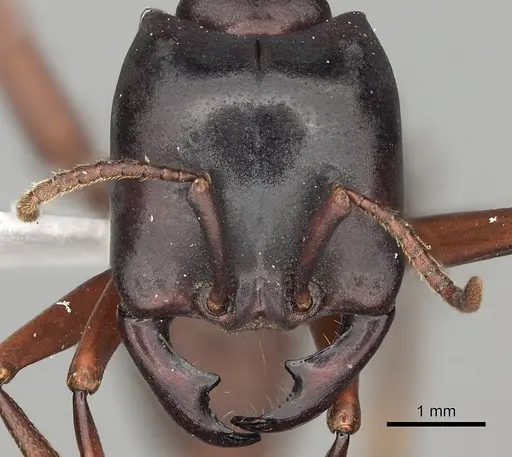
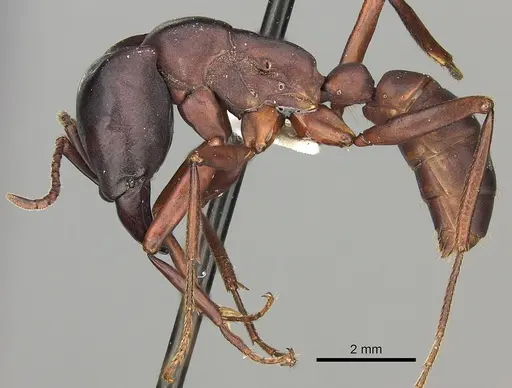
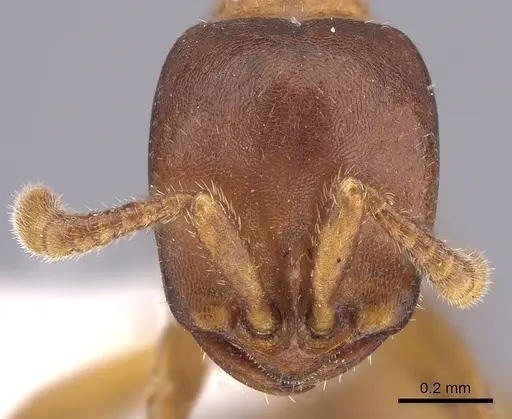
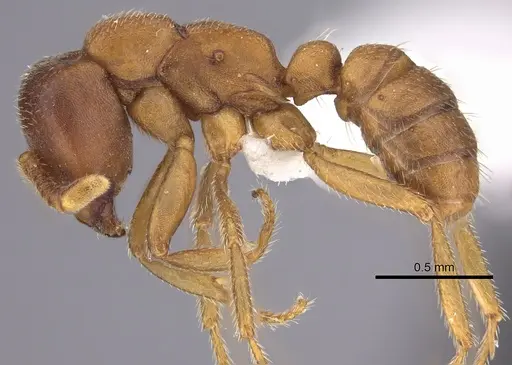
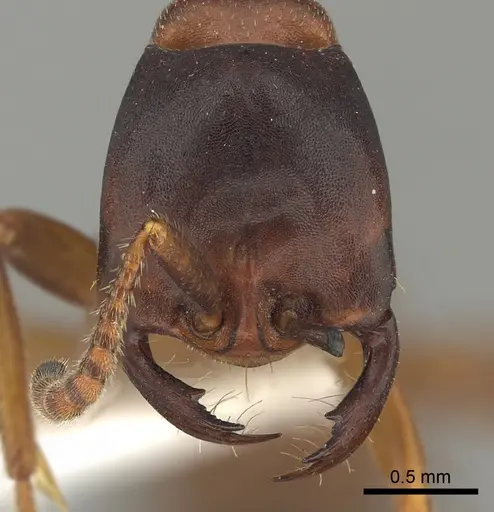
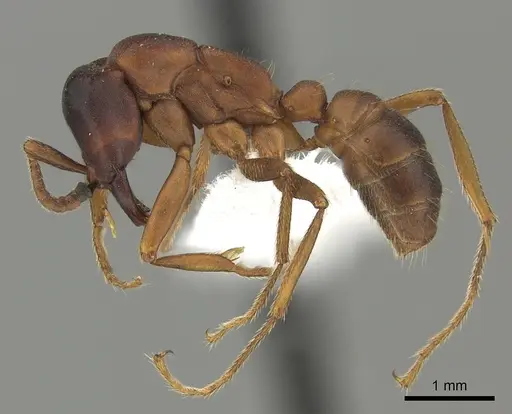
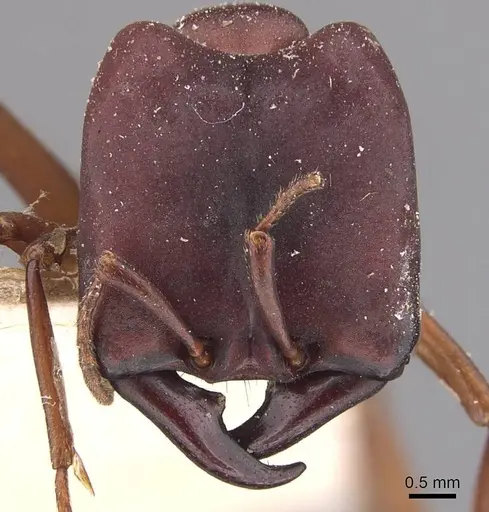
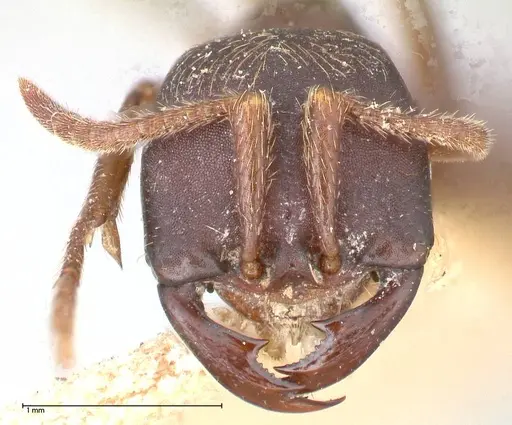
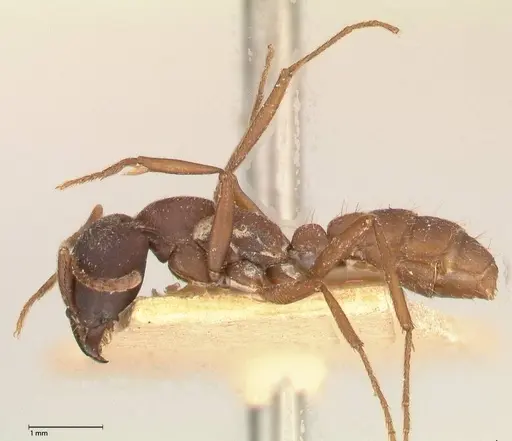
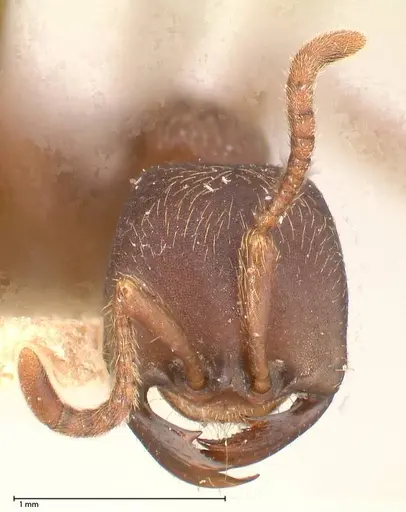
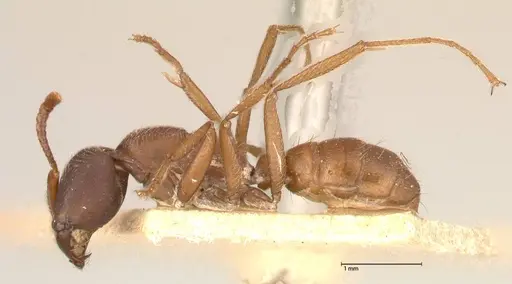
Dorylus emeryi is a West African army ant species belonging to the subfamily Dorylinae. Workers are polymorphic, with the largest specimens reaching head widths up to 3.92 mm, significantly larger than related species like Dorylus gribodoi [1]. The head has distinctive posterior angles drawn out backwards and ventrally, and the petiole bears several conspicuous erect setae on the dorsal surface that help distinguish them from similar species [1]. These ants are found across Central and West Africa including Cameroon, the Democratic Republic of Congo, Nigeria, Ghana, and Guinea [2]. As an army ant, they exhibit the classic swarm-raiding behavior characteristic of the genus, hunting in coordinated groups to capture prey. They belong to a sister clade of the swarm-hunting Anomma 'driver ants' [3].
Quick Summary
- Difficulty: Expert
- Origin & Habitat: West African rainforests and tropical forests. Found in Cameroon, Democratic Republic of Congo, Nigeria, Equatorial Guinea, Ghana, and Guinea [2]. They inhabit forest floor environments and are known to range through Taï National Park territories in Ivory Coast [4].
- Colony Type: Colony structure is typical of army ants, massive colonies with millions of workers that undergo regular emigrations. Army ants have a unique nomadic lifestyle alternating between stationary phases (statary periods) and migration phases (emigrations).
- Colony: Monogyne
- Size & Growth:
- Queen: Queens are highly physogastric in established colonies, capable of producing thousands of eggs per day, typical of army ant queens [2]. Exact measurements not documented in available literature.
- Worker: Polymorphic workers range from 2-3mm minor workers to major workers with head width up to 3.92 mm [1].
- Colony: Colonies can reach massive sizes typical of army ants, potentially hundreds of thousands to over a million workers [2].
- Growth: Fast, army ant queens can lay thousands of eggs daily during peak reproduction. Growth is rapid but requires constant food input.
- Development: Development timeline is unconfirmed for this specific species, but army ant brood development typically completes in 2-4 weeks for eggs to adult workers at optimal temperatures. (Army ants have asynchronous brood development, multiple brood stages present simultaneously in established colonies.)
- Antkeeping:
- Temperature: Keep at 24-28°C with high humidity (70-85%). Army ants are tropical species requiring warm, stable conditions.
- Humidity: High humidity is essential, aim for 75-85% relative humidity. Forest floor conditions in their native range are consistently humid.
- Diapause: No, as a tropical species, they do not require hibernation. Maintain consistent temperatures year-round.
- Nesting: Army ants do not construct permanent nests. In the wild, they form temporary bivouacs from their own bodies during emigration phases. In captivity, they require large foraging areas with humid retreat spaces. Standard formicariums are completely unsuitable, they need room to form emigration columns.
- Behavior: Army ants are aggressive predators with powerful mandibles. They hunt in swarms, overwhelming prey through numerical superiority. Workers move at approximately 2 cm/s when foraging, this intermediate speed reflects their 'intermediate lifestyle' between fully nomadic and more sedentary species [5]. They are primarily nocturnal or crepuscular foragers. Major workers can deliver painful bites due to their large mandibles. Escape prevention is critical, they will rapidly colonize any accessible space and can squeeze through surprisingly small gaps when searching for prey. They are not suitable for observation colonies and require specialized husbandry.
- Common Issues: Army ants require massive colony sizes to function properly, keeping small fragments leads to rapid decline, They cannot be housed in standard formicariums, need large open foraging spaces, Constant food supply is essential, colonies can consume enormous quantities of prey, Nomadic emigrations mean they must be allowed to move regularly, making them extremely difficult to contain, They will escape if given any opportunity, excellent escape prevention is absolutely critical
Why This Species Is Expert-Only
Dorylus emeryi is absolutely not recommended for captive keeping under any normal circumstances. Army ants represent perhaps the most challenging group of ants to maintain in captivity. They require enormous colony sizes (hundreds of thousands of workers minimum), constant access to massive quantities of live prey, and the ability to undergo regular emigrations. Even experienced antkeepers rarely attempt army ants, and successful long-term keeping is exceptionally rare. The combination of their predatory swarm-hunting behavior, nomadic lifestyle, and massive space requirements makes them fundamentally incompatible with standard antkeeping methods. If you are interested in army ant behavior, it is far better to observe them in the wild or at established research facilities.
Housing and Space Requirements
Army ants cannot be housed in any conventional ant setup. They require either custom-built large-scale enclosures or should not be kept at all. In the wild, colonies form bivouacs (temporary nests made from linked bodies) and undergo emigrations every few weeks during their nomadic phase. A single colony may raid across hundreds of meters in a single night. In captivity, the absolute minimum would be rooms of space with multiple interconnected enclosures, humid chambers for brood, and constant access to prey items. Even this would only support a small fragment of a colony, true army ant keeping is essentially impossible in typical hobby settings.
Feeding and Predation
As aggressive predators, Dorylus emeryi and other army ants hunt and consume enormous quantities of invertebrate prey. They use swarm-raiding behavior where thousands of workers coordinate to overwhelm prey items including insects, spiders, and other arthropods. In their native habitat, they are significant predators in the forest ecosystem. In captivity, they would require constant access to live prey, likely thousands of insects daily for an established colony. This makes feeding logistics practically impossible for hobbyists. They are not granivorous and do not collect honeydew, protein prey is their sole food source. [1][5]
Behavior and Defense
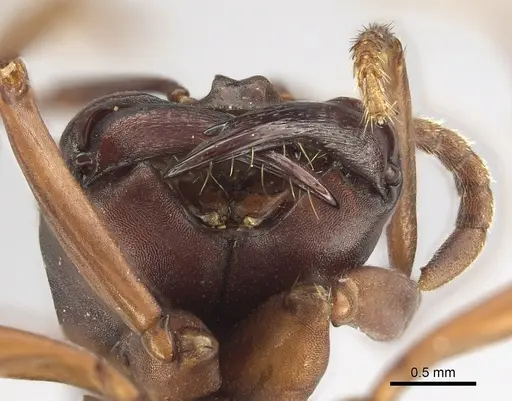
Army ants are known for their aggressive defense and powerful bites. Major workers have large, sharp mandibles capable of delivering painful bites. When threatened or when raiding, they will attack en masse, the famous 'army ant swarm' consists of thousands of workers moving in coordinated columns. Their speed when foraging averages approximately 2 cm/s, reflecting an intermediate lifestyle between fully nomadic and more sedentary species [5]. They are primarily nocturnal, conducting raids during the cooler hours. Their colonies also face predation, they have been found in the stomach contents of toads (Bufo funereus) in the Congo [6].
Comparison to Related Species
Dorylus emeryi is a sister taxon to Dorylus gribodoi and D. gerstaeckeri, with nearly identical hunting behavior and habitat requirements [1]. The main distinguishing feature is their larger size, the largest workers have head widths up to 3.92 mm compared to 2.9 mm for D. gribodoi [1]. They are broadly sympatric with D. gribodoi over most of their range. In the Taï National Park, they are considered an 'intermediate Dorylus species' in terms of lifestyle, falling between the more nomadic and more sedentary species [4]. This intermediate lifestyle means they are somewhat less extremely nomadic than some other army ants, but still far beyond what can be maintained in captivity.
Frequently Asked Questions
Can I keep Dorylus emeryi in a formicarium?
No. Standard formicariums are completely unsuitable for army ants. They require enormous spaces, the ability to form emigration columns, and massive quantities of live prey. This species should not be kept in captivity by hobbyists.
What do Dorylus emeryi eat?
They are strict predators that hunt invertebrates including insects, spiders, and other arthropods. They do not eat seeds or honeydew. A colony would require thousands of live prey items daily.
How big do Dorylus emeryi colonies get?
Army ant colonies can reach into the hundreds of thousands to over a million workers. This is one of the reasons they are impossible to keep in captivity, you cannot provide adequate space or food for such a colony.
Are Dorylus emeryi good for beginners?
Absolutely not. This is an expert-only species that is not suitable for captive keeping at all. Even experienced antkeepers should not attempt army ants. If you are interested in army ant behavior, observe them in the wild instead.
Do Dorylus emeryi need hibernation?
No. As a tropical West African species, they do not require hibernation. They need consistent warm temperatures (24-28°C) year-round.
How fast do Dorylus emeryi workers move?
Foraging workers move at approximately 2 cm/s on average, which is intermediate compared to more nomadic or more sedentary army ant species [5].
Can I catch a Dorylus emeryi queen and start a colony?
While theoretically possible to catch a queen after nuptial flights, starting a colony would be extremely difficult and keeping it alive long-term is virtually impossible given their requirements. Additionally, army ant queens are rarely found alone, they typically found colonies after massive mating flights involving thousands of queens.
What makes Dorylus emeryi different from other army ants?
They are larger than related species like D. gribodoi (head width up to 3.92 mm vs 2.9 mm) and have distinctive features including posterior head angles drawn out backwards and ventrally, and conspicuous erect setae on the petiole [1]. They also have an 'intermediate lifestyle' compared to more extremely nomadic species.
Where is Dorylus emeryi found?
They are found across West and Central Africa including Cameroon, Democratic Republic of Congo, Nigeria, Equatorial Guinea, Ghana, and Guinea [2].
References

This caresheet is licensed under CC BY-SA 4.0 .
CASENT0103320
View on AntWeb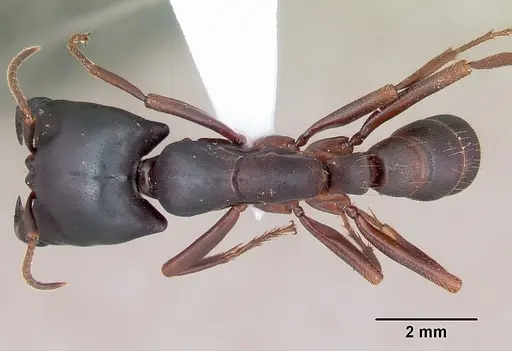
CASENT0172644
View on AntWeb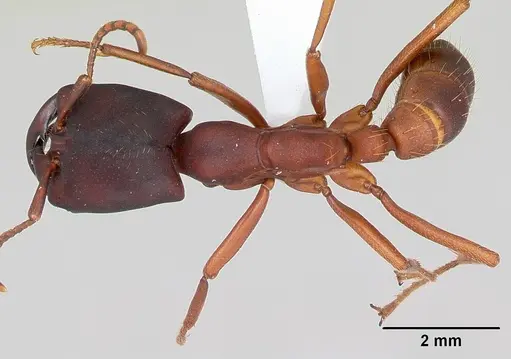
CASENT0172645
View on AntWeb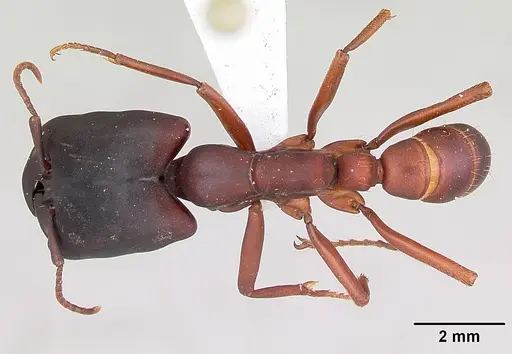
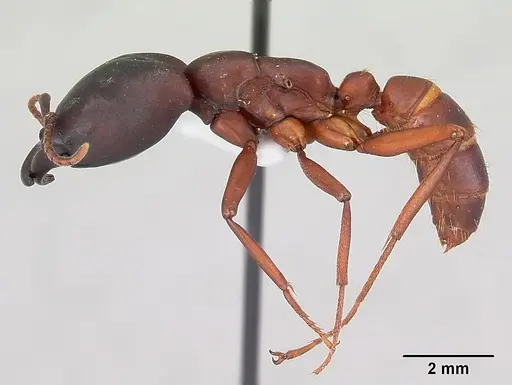
CASENT0172655
View on AntWeb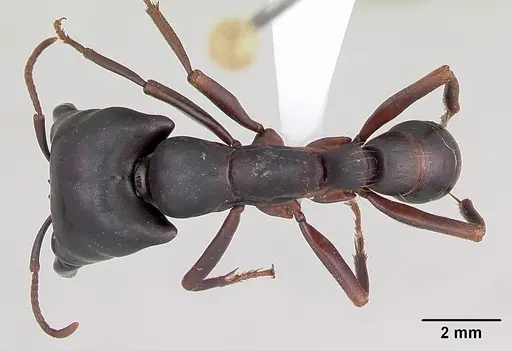
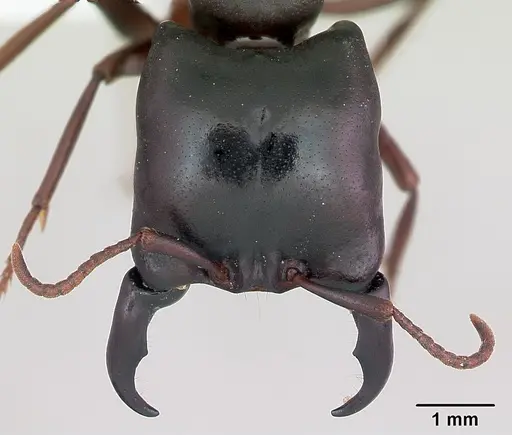
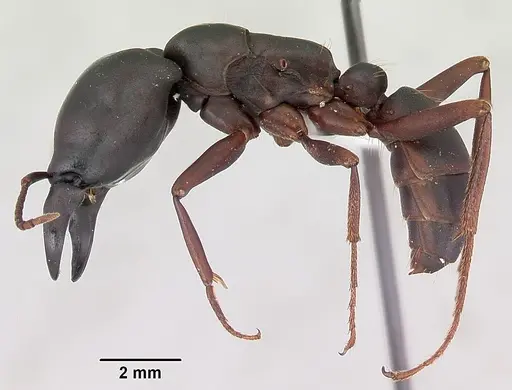
CASENT0172656
View on AntWeb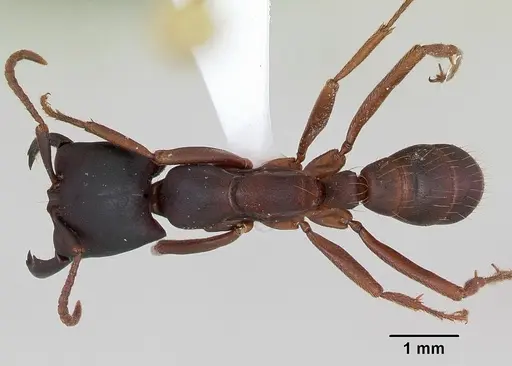
CASENT0235165
View on AntWeb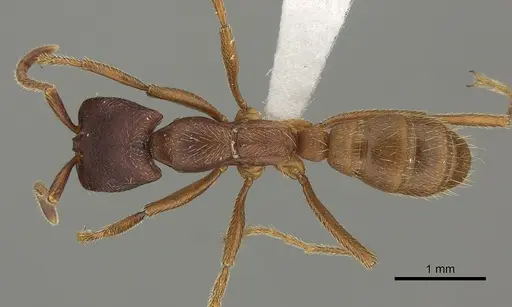
CASENT0235166
View on AntWeb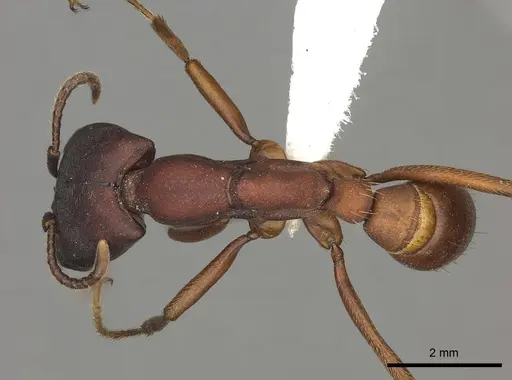
CASENT0235167
View on AntWeb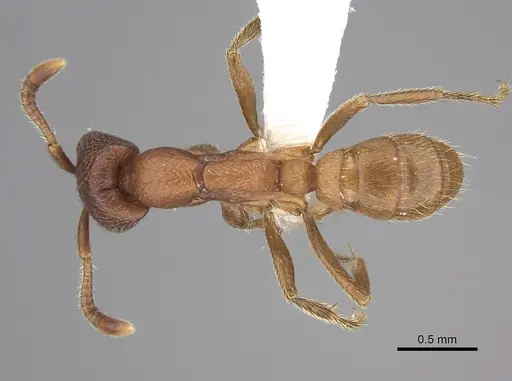
CASENT0235168
View on AntWeb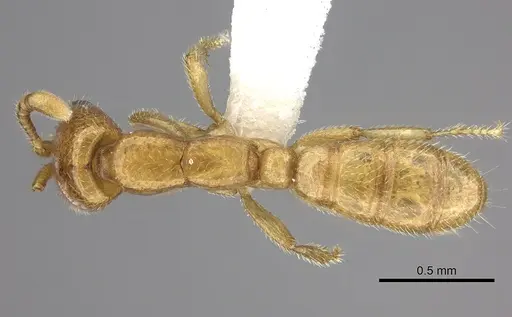
CASENT0249434
View on AntWeb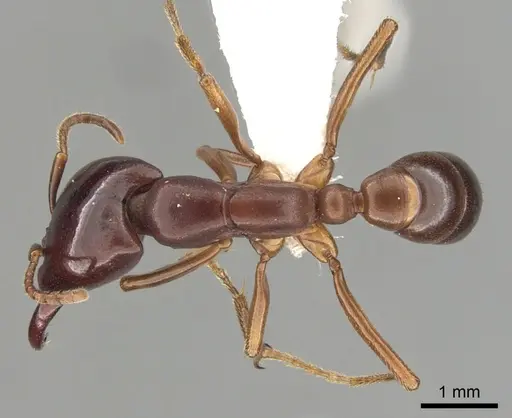
CASENT0408544
View on AntWeb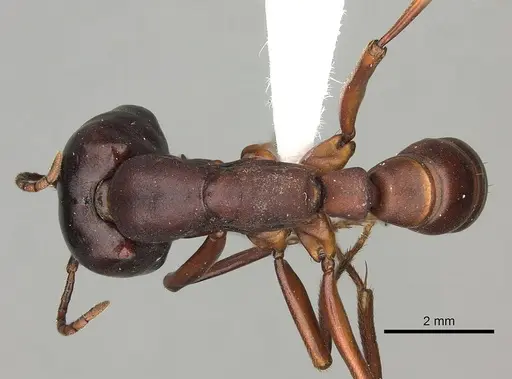
CASENT0408554
View on AntWeb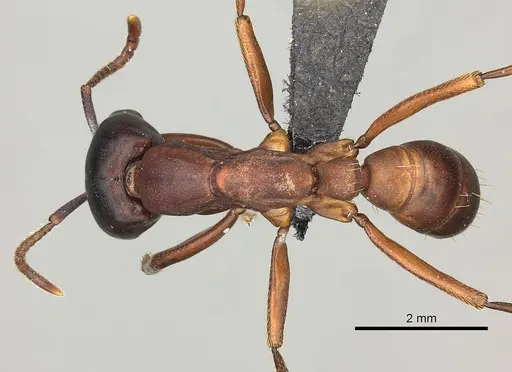
CASENT0415545
View on AntWeb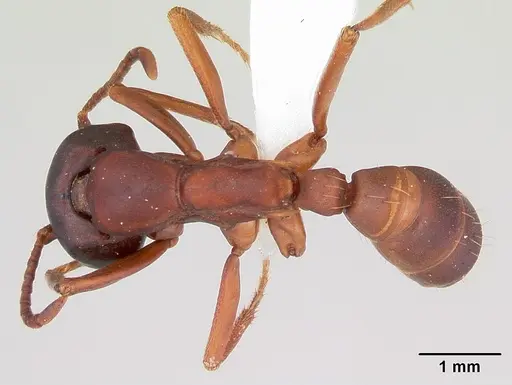
CASENT0415546
View on AntWeb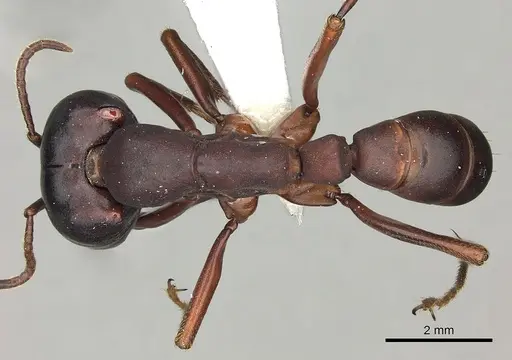
CASENT0415547
View on AntWeb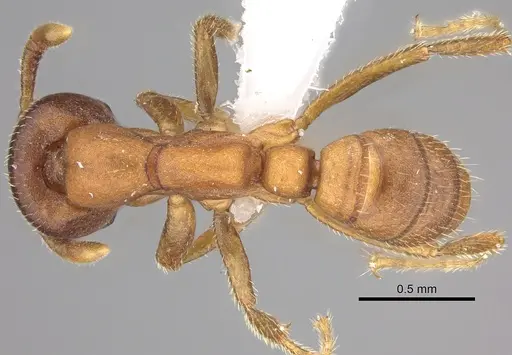
CASENT0415552
View on AntWeb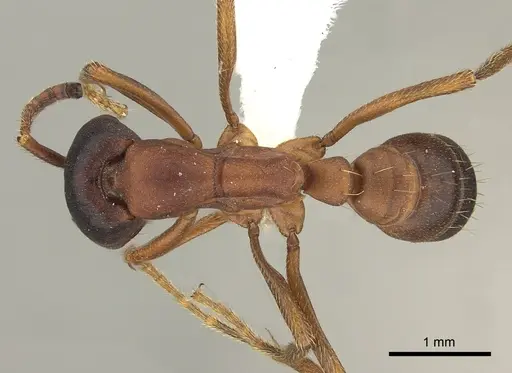
CASENT0905924
View on AntWeb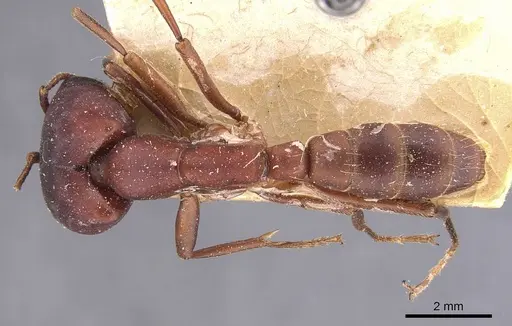
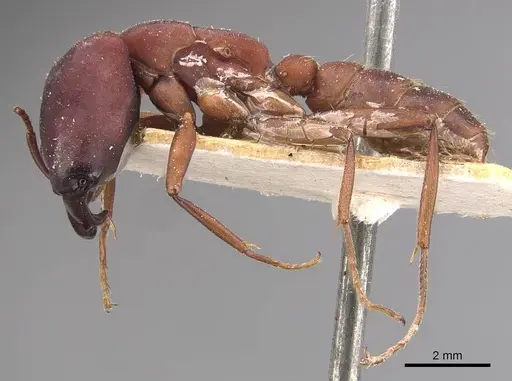
CASENT0915642
View on AntWeb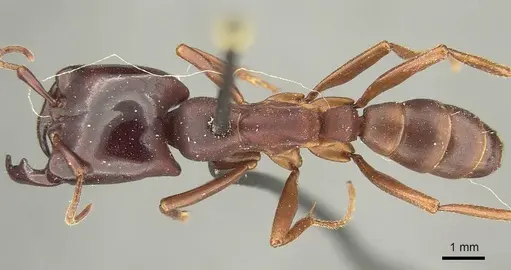
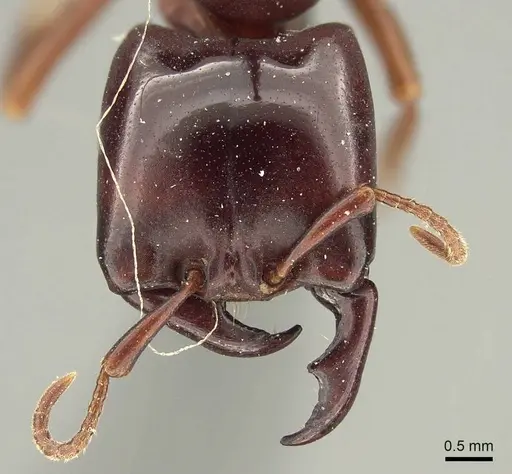
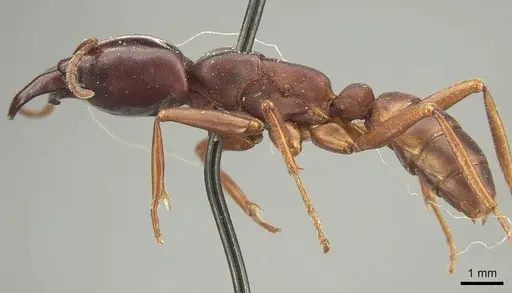
FOCOL0586-1
View on AntWeb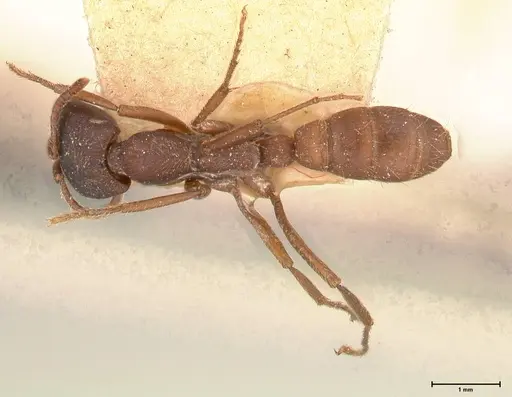
FOCOL0586-2
View on AntWeb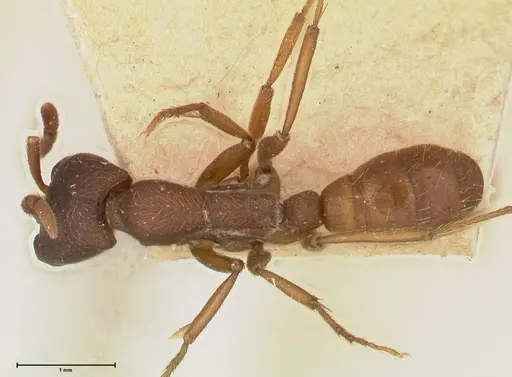
Literature
Loading...Loading products...