

Dorylus depilis
- Scientific Name
- Dorylus depilis
- Subfamily
- Dorylinae
- Author
- Emery, 1895
- Distribution
- Found in 1 countries
Dorylus depilis Overview
Dorylus depilis is an ant species of the genus Dorylus. It is primarily documented in 1 countries , including Congo, Democratic Republic of the. Detailed taxonomic data and occurrence records can be further explored via authoritative databases such as AntWeb or the Global Biodiversity Information Facility (GBIF).
Dorylus depilis
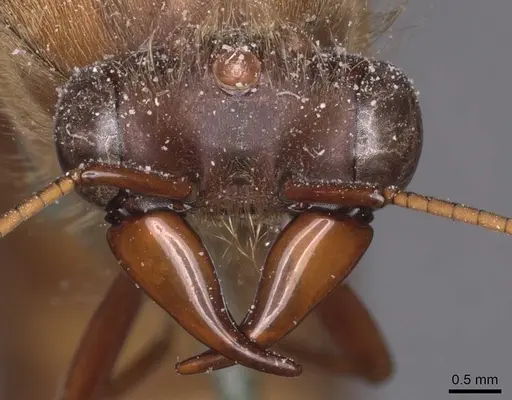
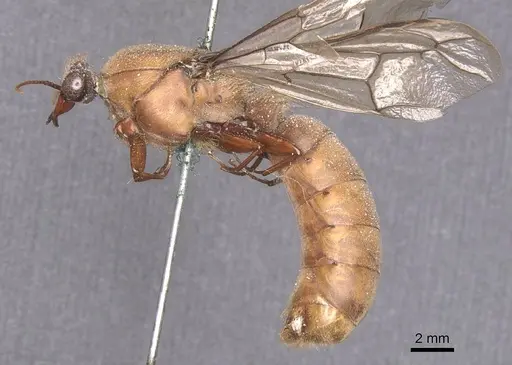
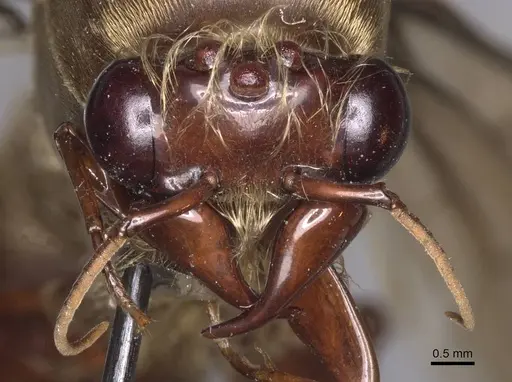
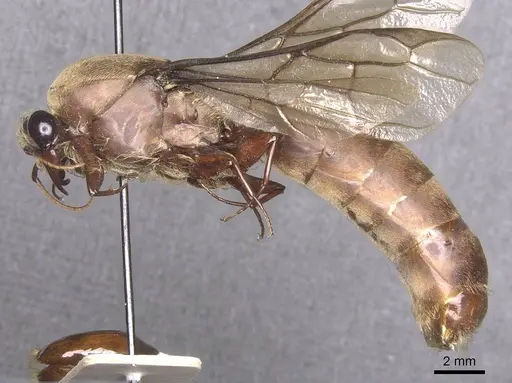
Dorylus depilis is a species of army ant native to central Africa. Workers are small to medium-sized ants, typically measuring 3-7mm, with the characteristic army ant body plan: a distinct head, powerful mandibles, and a relatively small gaster. The coloration is generally reddish-brown to dark brown. This species is part of the Dorylus genus, commonly known as driver ants or army ants, famous for their massive swarming raids where thousands of workers coordinate to overwhelm prey. The species has been documented in the Democratic Republic of Congo and Zambia (Zambèze) [1][2].
Quick Summary
- Difficulty: Expert
- Origin & Habitat: Central Africa, Democratic Republic of Congo and Zambia. In the wild, these ants inhabit tropical forest environments where they maintain large nomadic colonies that bivouac (form temporary nests from their own bodies) rather than establishing permanent nests.
- Colony Type: Monogyne colonies with a single queen. Army ants typically have extremely large colonies numbering in the hundreds of thousands to millions of workers. The colony structure is highly organized with distinct worker castes of different sizes.
- Colony: Monogyne
- Size & Growth:
- Queen: Estimated 15-25mm based on genus Dorylus patterns, queens are among the largest in the ant world
- Worker: 3-7mm [1], polymorphic with major and minor workers
- Colony: Extremely large, Dorylus colonies can reach hundreds of thousands to millions of workers
- Growth: Fast, army ant colonies grow rapidly when well-fed
- Development: Estimated 4-6 weeks based on typical army ant development patterns (Development is temperature-dependent, warmer conditions accelerate growth. Army ant colonies produce brood in waves rather than continuously.)
- Antkeeping:
- Temperature: Keep at 24-28°C, army ants are tropical and require warm, stable conditions. Use a heating cable on one side of the nest to create a gentle gradient.
- Humidity: High humidity is essential, aim for 70-85%. Army ants naturally inhabit humid tropical forests. Keep the nest substrate consistently moist but not waterlogged.
- Diapause: No, as a tropical species, Dorylus depilis does not require hibernation. Maintain warm conditions year-round.
- Nesting: Army ants do not build traditional nests. In captivity, they form bivouacs using their own bodies and any available material. Provide a formicarium with multiple connected chambers and plenty of open space for the colony to organize. Darkened nesting areas help simulate their natural underground bivouac sites.
- Behavior: Extremely active and aggressive predators. Workers hunt in massive coordinated swarms called raids, overwhelming prey through sheer numbers. They have powerful mandibles and can deliver a painful bite. Escape prevention is critical, they will rapidly colonize any available space and are skilled at finding gaps in enclosures. This species is not suitable for beginners due to the specialized care requirements and colony size.
- Common Issues: Colony collapse from inadequate humidity, army ants quickly die in dry conditions, Escape due to their small size and determination, use excellent barrier methods like fluon, Difficulty providing sufficient prey, colonies require massive amounts of protein, Aggressive swarming behavior makes routine maintenance challenging, Bivouac formation can be disrupted by improper lighting, keep nesting areas dark
Housing and Nest Setup
Dorylus depilis requires specialized housing that accommodates their unique bivouac lifestyle. Unlike most ants that build permanent nests in soil or wood, army ants form temporary nests from their own bodies, clustering together in a living mass. In captivity, provide a large formicarium with multiple connected chambers filled with damp substrate (like soil or coco fiber) that the ants can manipulate. The enclosure should be spacious, army ant colonies grow massive and need room to organize their raids. Keep nesting areas dark by covering the formicarium with a dark cloth, as light disturbs their bivouac formation. The outworld (foraging area) should be separate from the nest and large enough to accommodate swarming raids.
Feeding and Diet
Army ants are obligate predators that require a constant supply of live prey. Dorylus depilis will accept a wide variety of arthropods including crickets, mealworms, roaches, and other insects. Feed generously, a mature colony may consume thousands of prey items per week. Prey should be appropriately sized to the worker caste, provide a mix of sizes since polymorphic workers can handle different prey. Some colonies may accept protein jelly or frozen insects, but live prey is ideal for stimulating natural hunting behavior. Sugar sources are generally not required for army ants as they get their carbohydrates from the hemolymph of prey.
Temperature and Humidity Control
Maintain temperatures between 24-28°C using a heating cable placed on one side of the nest to create a thermal gradient. Army ants are tropical and cannot tolerate cool conditions. Temperature affects development speed, warmer temperatures within this range accelerate growth but also shorten lifespan. Humidity is critical: keep substrate consistently moist at 70-85% relative humidity. Mist the nest regularly and ensure water reservoirs are available. Poor humidity quickly leads to colony death. Use a digital hygrometer to monitor conditions. Avoid placing the formicarium near air conditioning or heating vents that cause fluctuations.
Colony Dynamics and Raiding Behavior
Dorylus depilis exhibits the characteristic army ant raiding behavior where columns of workers fan out to overwhelm prey. This swarming behavior is spectacular but can be overwhelming in captivity, the entire colony becomes highly active during raids. The colony has a nomadic phase where they regularly move their bivouac site, followed by a stationary phase. In captivity, you can simulate this by occasionally disturbing the bivouac to encourage movement to new areas. Queens are permanently engaged in egg-laying, producing thousands of eggs daily during peak periods. Brood development occurs in waves rather than continuously.
Safety and Escape Prevention
Army ants are among the most difficult ants to contain. Their small size allows them to squeeze through tiny gaps, and their aggressive foraging drive makes them persistent escape artists. Use multiple barrier methods: apply fluon or petroleum jelly to all rim edges, ensure lids fit tightly with no gaps, and consider double-enclosure systems. Inspect all tubing connections and any gaps in acrylic seams. Never open the formicarium in a room where they could escape, have a catch container ready. Their bite is painful due to powerful mandibles, though they are not medically significant. Handle with care and avoid allowing them to walk on skin.
Frequently Asked Questions
How long does it take for Dorylus depilis to produce first workers?
Based on typical army ant development, expect first workers (nanitics) approximately 4-6 weeks after the queen lays eggs, assuming optimal temperatures around 26°C. Army ant colonies grow very rapidly once the first workers emerge.
Can I keep Dorylus depilis in a test tube setup?
No, test tubes are completely unsuitable for army ants. Their massive colony size, bivouac lifestyle, and need for swarming raids require a large formicarium with multiple chambers. A test tube would lead to rapid colony collapse.
How big do Dorylus depilis colonies get?
Dorylus colonies are among the largest in the ant world, potentially reaching hundreds of thousands to millions of workers. A mature colony will require an extremely large enclosure and massive amounts of prey.
Are Dorylus depilis good for beginners?
No, this species is not suitable for beginners. Army ants require specialized care including constant high humidity, massive amounts of live prey, large enclosures, and excellent escape prevention. They are recommended only for experienced antkeepers.
Do Dorylus depilis need hibernation?
No, as a tropical African species, Dorylus depilis does not require hibernation. Keep them warm year-round at 24-28°C. Simulating seasonal changes can be harmful.
What do I feed Dorylus depilis?
Feed live prey insects like crickets, mealworms, roaches, and other appropriately-sized arthropods. Army ants are obligate predators and require constant access to protein. Feed multiple times per week, with large colonies needing daily feedings.
Why are my Dorylus depilis dying?
The most common causes are low humidity (army ants die quickly in dry conditions), insufficient prey (they need constant protein), temperature too cool, or escape. Check all environmental parameters and ensure you are providing enough food.
Can I keep multiple Dorylus depilis queens together?
No, Dorylus colonies are typically monogyne (single queen). Combining unrelated queens will result in fighting. Even if multiple queens were somehow introduced, they would not form a supercolony like some other ant species.
When should I move Dorylus depilis to a formicarium?
Start in a founding setup but be prepared to move them quickly once the colony grows. Army ants need space rapidly, transfer to a large formicarium once the colony reaches a few hundred workers. Have the formicarium ready before you need it.
References

This caresheet is licensed under CC BY-SA 4.0 .
CASENT0911337
View on AntWeb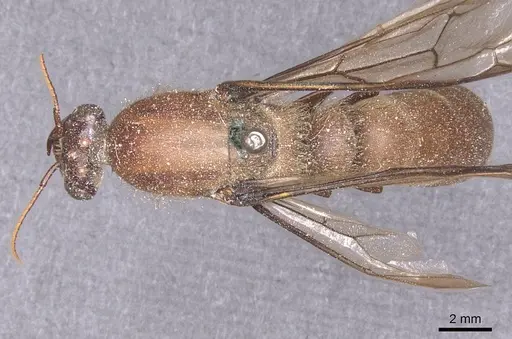
RMCAENT000017704
View on AntWeb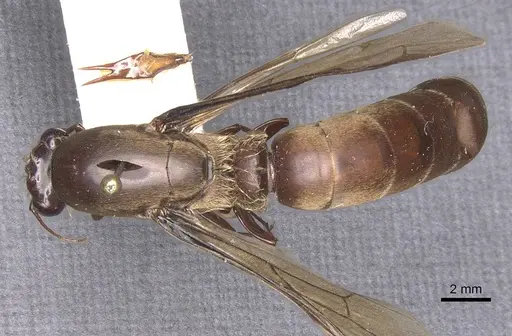
Literature
Loading...Loading products...