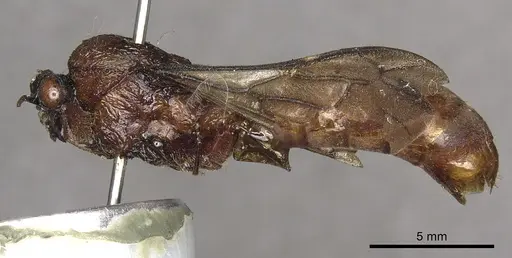
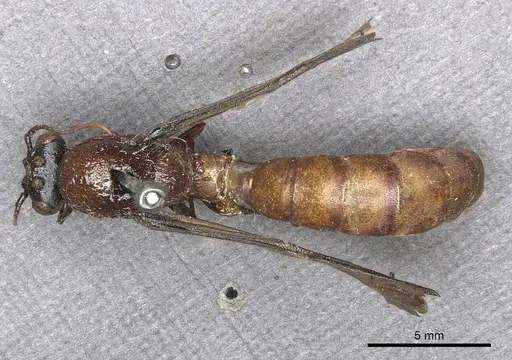
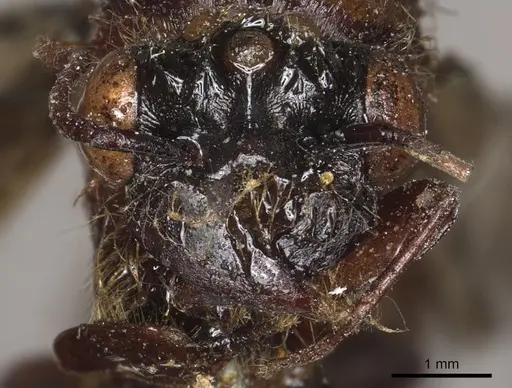
Dorylus attenuatus - "Driver Ant / Safari Ant (a species within the genus Dorylus)"
Dorylus attenuatus is a species of army ant within the genus Dorylus, often referred to as 'driver ants' or 'safari ants'. These ants are known for their nomadic lifestyle and impressive swarm raids. While most Dorylus species are subterranean, some, like those in the subgenus Anomma (which D. attenuatus is a part of as a member of the D. orientalis-group), are known for their massive surface swarms. Workers exhibit a high degree of polymorphism, meaning there's a wide range of sizes and forms among them. Soldiers have notably large heads and powerful, scissor-like mandibles. Queens of the Dorylus genus are among the largest ants on Earth, and males (sometimes called 'sausage flies' due to their bloated abdomens) are winged alates, larger than soldiers.
- Difficulty: Expert
- Origin & Habitat: Africa (specifically Afrotropical Region: Botswana, Democratic Republic of Congo, Ethiopia, Gambia, Namibia, South Africa) in Rainforests, grasslands, and scrublands. They typically form temporary subterranean nests, but some species can forage above ground..
- Colony Type: Monogyne (single queen), colony fission (new colonies formed by a portion of the original colony with a new queen) founding.
- Size & Growth:
- Queen: 40-63mm
- Worker: Not specified
- Colony: Supercolony (millions to tens of millions, with some estimates up to 20 million workers for certain Dorylus species). Fast (queens can lay millions of eggs per month) growth.
- Antkeeping:
- Temperature: While specific temperature requirements for Dorylus attenuatus are not detailed, other Dorylus species generally thrive in warm, tropical conditions, aligning with their natural African habitat. Consistency in temperature is likely crucial..
- Humidity: High humidity is expected due to their tropical rainforest and grassland habitats, and their subterranean nesting habits. Subterranean nests would naturally maintain higher humidity levels..
- Diapause: Not required. Not specified at Not specified.
- Nesting: Dorylus ants generally prefer subterranean nests, which they excavate or utilize existing cavities. These are temporary, with colonies relocating irregularly. For keeping, a large, secure, and escape-proof setup mimicking subterranean conditions would be necessary, with ample substrate for digging and moving. Given their nomadic nature, a highly adaptable and mobile setup would be ideal..
- Behavior: High (towards handler, food or other ants) aggressiveness.
- Common Issues: Escape risk due to nomadic nature and sheer numbers, Difficulty in providing adequate live food supply, Maintaining appropriate humidity in a large setup, Waste and sanitation management in massive colonies, Aggressive behavior and powerful bites of soldiers, Stress from confinement due to nomadic instinct.
Keeping Dorylus attenuatus, or any Dorylus species, presents an extreme challenge due to their unique biology and colony size. These are not your typical beginner ants; they are nomadic army ants that require immense space and a constant, varied food supply. Their colonies can number in the tens of millions, necessitating an entirely different approach to containment and feeding than what's standard for most captive ant species. Providing enough live prey to sustain such a massive, predatory colony is a logistical nightmare for even the most experienced antkeeper.
One of the most remarkable aspects of Dorylus is their migratory nature. They don't stay in one place for long, moving their entire colony, including the queen and brood, to new locations. This behavior, known as emigration, is irregular and driven by food availability. Replicating this nomadic lifestyle in a captive environment would be incredibly difficult, requiring either extremely large, connected enclosures or a system that allows for controlled relocation of the entire colony. Their blind nature means they rely heavily on pheromones, which makes managing their movements and foraging behavior incredibly complex.
The formidable bite of Dorylus soldiers is another significant consideration. These ants are known to clamp down with incredible force, and their jaws are so strong that they've been historically used as natural sutures in some cultures. While they rarely sting, their bite alone is enough to cause severe pain and can be difficult to release. Handling these ants, even indirectly, requires extreme caution and specialized tools to prevent injury. Their aggressive nature when swarming means direct interaction with the colony is highly risky.
The reproductive potential of a Dorylus queen is staggering, with some species capable of laying millions of eggs per month. This massive egg-laying capacity means that colony growth can be incredibly rapid once established, further exacerbating the challenges of containment and feeding. Managing such a fast-growing, large colony requires constant vigilance and advanced antkeeping knowledge. The sheer volume of ants produced also means that a successful colony will quickly outgrow typical formicaria, pushing the boundaries of what is feasible for a home setup.
Feeding Dorylus ants requires a specialized approach. They are generalist predators, consuming a wide range of arthropods and even small vertebrates in the wild. Some species also consume earthworms. Replicating this diverse diet in captivity means providing a constant and substantial supply of live insects, which can be costly and difficult to source in the quantities required. Overfeeding can lead to waste and sanitation issues, while underfeeding can stress the colony and lead to raiding behavior or even cannibalism within the confines of a captive setup.
Frequently Asked Questions
Are Dorylus attenuatus suitable for beginner antkeepers?
Absolutely not. Dorylus attenuatus, like all driver ants, are incredibly challenging to keep due to their immense colony sizes, nomadic behavior, and aggressive foraging. They are strictly for expert antkeepers with extensive experience and resources.
What kind of habitat do Dorylus attenuatus need in captivity?
These ants require an extremely large, secure, and escape-proof setup that mimics their subterranean and nomadic lifestyle. Think large tubs with ample substrate for tunneling, or interconnected systems that allow for their natural wandering. Traditional formicaria are simply too small for a Dorylus supercolony.
What do driver ants like Dorylus attenuatus eat?
Dorylus attenuatus are generalist predators. In the wild, they consume a wide variety of arthropods, including insects and earthworms, and can even overpower small vertebrates. In captivity, you'd need a consistent and substantial supply of live feeder insects to meet their voracious appetite.
Do Dorylus attenuatus sting or bite?
While Dorylus ants are capable of stinging, they rarely do. Their primary defense and method of subduing prey is their incredibly powerful bite. Soldier ants have strong mandibles that can deliver a painful, tenacious bite.
How large can a Dorylus attenuatus colony get?
Dorylus colonies can reach staggering numbers, often in the millions. Some species are estimated to have colonies of over 20 million individuals. This 'supercolony' size is a major factor in their complexity for antkeeping.
Are Dorylus queens winged?
No, Dorylus queens are wingless (dichthadiiform) and are among the largest ants on Earth. Only the males, often called 'sausage flies,' are winged alates.
How do Dorylus colonies reproduce?
Unlike many ant species that have a nuptial flight, Dorylus colonies reproduce through colony fission. When a new queen is ready, a significant portion of the worker force leaves with her to establish a new colony.
Do Dorylus attenuatus go through diapause?
No, as a tropical species from Africa, Dorylus attenuatus does not require a diapause (winter hibernation period). They thrive in consistent warm conditions.
How often do Dorylus colonies move their nests?
Dorylus colonies are nomadic and move their temporary nests irregularly. The frequency of these emigrations is often tied to food availability in their current foraging area.
Why are Dorylus ants called 'driver ants'?
They are called 'driver ants' because of their aggressive, coordinated swarm raids where they 'drive' or flush out prey. Their columns can be massive and sweep through an area, consuming almost everything in their path.
Can I mix different Dorylus species in one setup?
Absolutely not. Mixing different ant species, especially highly aggressive predatory ants like Dorylus, is never recommended. It would almost certainly lead to conflict and the demise of one or both colonies.
What are the common issues faced when keeping Dorylus ants?
The main issues include managing their immense numbers and nomadic nature, ensuring a constant and adequate food supply, preventing escapes (which are a major risk with these ants), maintaining proper humidity in such large setups, and dealing with waste from such a large colony. Their aggressive bites also pose a handling risk.
Are Dorylus ants blind?
Yes, all Dorylus species are functionally blind, relying primarily on pheromones for communication and navigation within their colonies and during foraging raids.