

Dolichoderus validus
- Scientific Name
- Dolichoderus validus
- Tribe
- Dolichoderini
- Subfamily
- Dolichoderinae
- Author
- Kempf, 1959
- Distribution
- Found in 6 countries
Dolichoderus validus Overview
Dolichoderus validus is an ant species of the genus Dolichoderus. It is primarily documented in 6 countries , including Brazil, Colombia, Costa Rica. Detailed taxonomic data and occurrence records can be further explored via authoritative databases such as AntWeb or the Global Biodiversity Information Facility (GBIF).
Dolichoderus validus
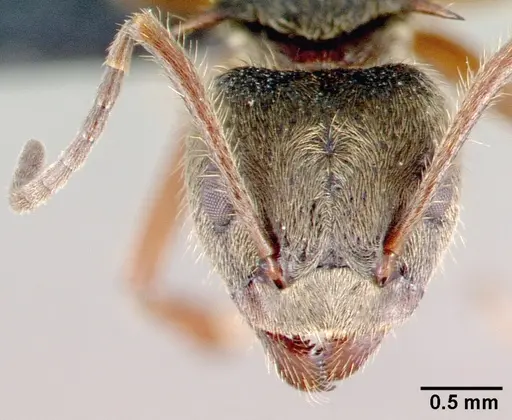
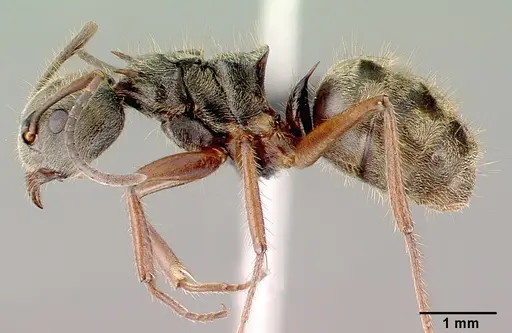
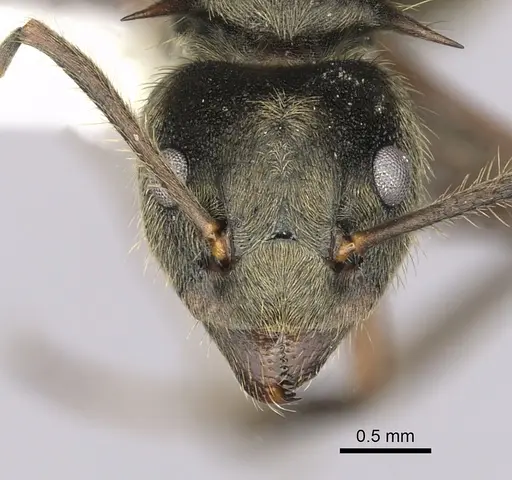
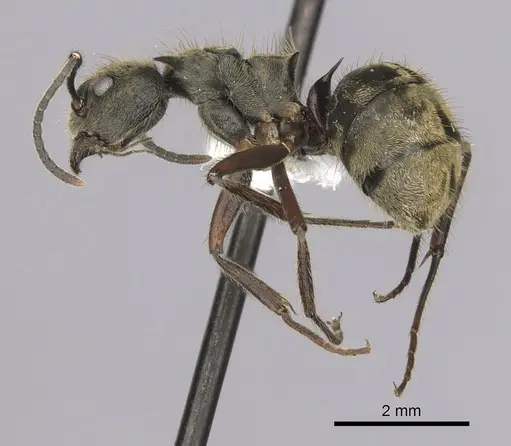
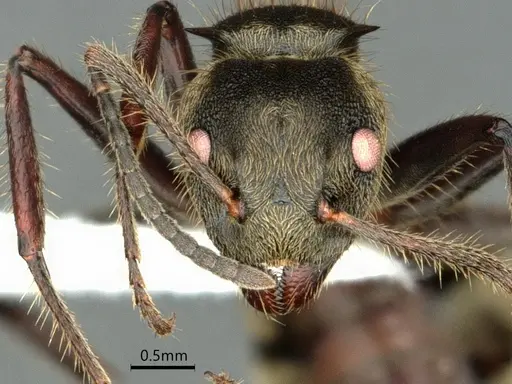
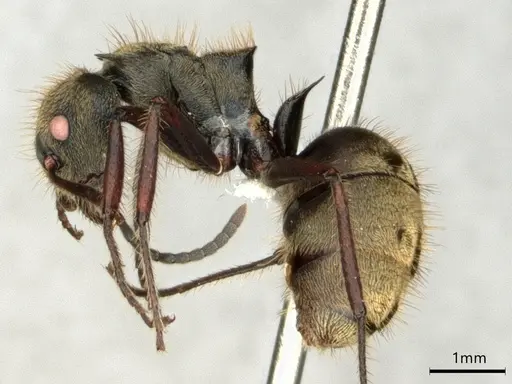
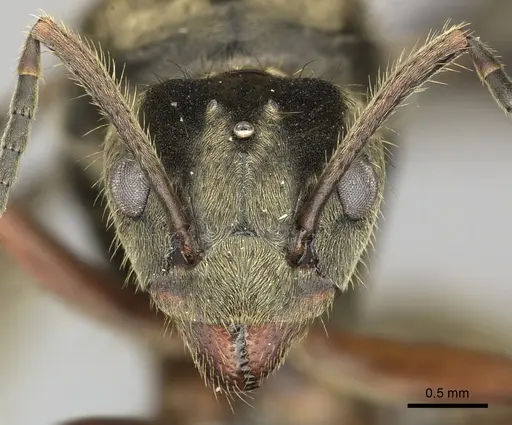
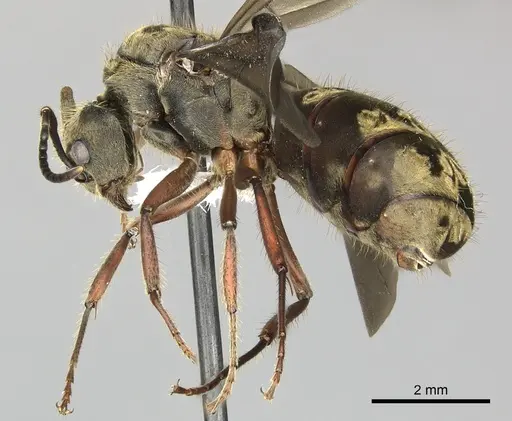
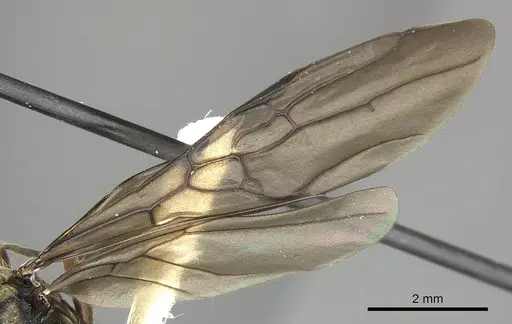
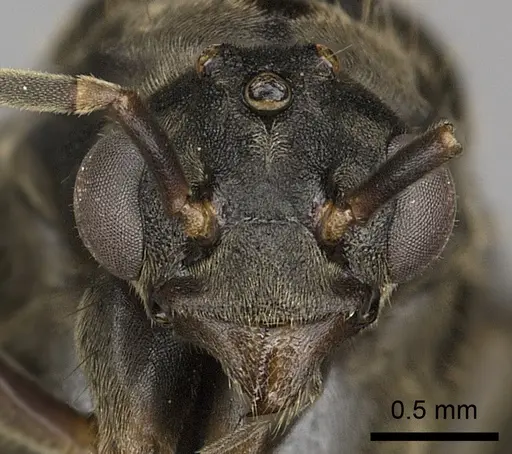
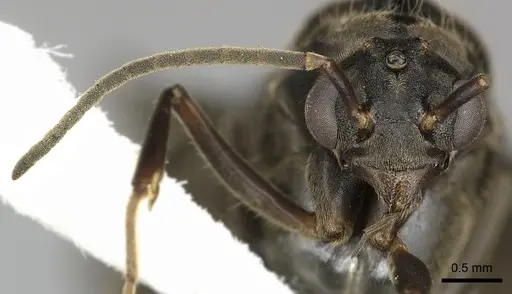
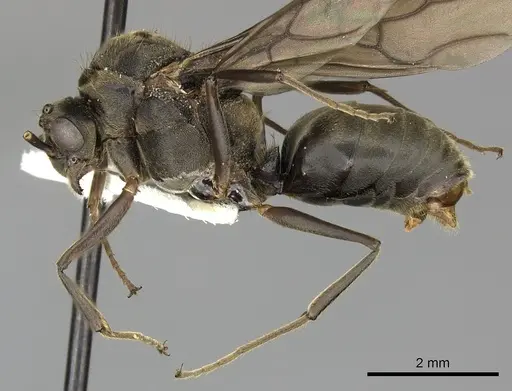
Dolichoderus validus is a large, striking ant species native to the Neotropical region, found in Costa Rica, Panama, and Ecuador. Workers are black with abundant yellow pubescence (fine hairs) covering their body, and they have distinctive erect setae on their scapes and mesosoma. They measure around 5-7mm as workers, with queens being larger. The dorsal and posterior faces of the propodeum are separated by a well-defined transverse flange, and the petiolar summit tapers into a spine rather than being truncate [1].
What makes D. validus particularly interesting is their unique arboreal nesting behavior. Unlike most ants that nest in soil or rotting wood at ground level, these ants build large carton nests suspended from tree branches 1.5-6 meters above ground. They construct these nests from coarse plant fibers woven together like burlap, creating protective shelters. They are crepuscular foragers, meaning they are most active at dawn and dusk, and they aggressively defend their nests. This species tends membracids and coccids for honeydew and visits extrafloral nectaries [1].
Quick Summary
- Difficulty: Medium
- Origin & Habitat: Neotropical region, Costa Rica, Panama, and Ecuador. They inhabit tropical rainforests where they build arboreal carton nests suspended from tree branches 1.5-6 meters above ground level [1].
- Colony Type: Probably monogyne (single queen colony). One documented nest contained approximately 2,200 workers, while another large nest had an estimated 11,800 workers [1].
- Colony: Monogyne
- Size & Growth:
- Queen: Larger than workers, exact measurements not specified in available literature [1]
- Worker: 5-7mm [1]
- Colony: Colonies can reach 2,200-12,000 workers in natural nests [1]
- Growth: Moderate, based on typical Dolichoderus patterns
- Development: Unconfirmed, no specific development data available for this species. Based on related Dolichoderus species, expect 6-10 weeks at optimal temperature. (Development timeline is estimated from genus-level data since species-specific measurements are not available.)
- Antkeeping:
- Temperature: Keep at 24-28°C. These are tropical ants requiring warm, stable conditions. A gentle gradient is recommended with a heating cable on one side of the nest area.
- Humidity: High humidity (70-85%). As arboreal nest builders, they need consistently moist conditions. Mist the outworld regularly and keep nest materials damp but not waterlogged.
- Diapause: No, as a tropical species, they do not require hibernation. Maintain warm conditions year-round.
- Nesting: These ants naturally build arboreal carton nests from plant fibers. In captivity, they adapt well to acrylic nests or Y-tong nests with added plant material they can manipulate. Provide materials they can weave together. They do well with moderate chamber sizes scaled to colony size.
- Behavior: Dolichoderus validus is aggressive when defending the nest, this is their primary defense mechanism. They are crepuscular, meaning they show peak activity during dawn and dusk hours. Workers are medium-sized and relatively fast-moving. They have moderate escape risk, use standard barrier methods. They are not known for stinging but will bite if threatened. Their main food source in nature is nectar and honeydew from tended insects, but they also collect bird droppings, insect fragments, and seeds [1].
- Common Issues: aggressive defense means colony handling requires extra caution, they will readily bite when threatened, arboreal nesting means they need vertical space and plant materials to construct their characteristic carton nests, crepuscular activity pattern means they are most active at dawn/dusk, don't be alarmed if they seem less active during midday, tropical species will not tolerate cool temperatures, keep consistently warm to prevent colony decline, large colony sizes mean they need significant space and resources as they grow
Nest Preferences and Housing
Dolichoderus validus has highly specific nesting requirements that differ from most commonly kept ants. In the wild, they build arboreal carton nests suspended from tree branches 1.5-6 meters above ground. These nests consist of coarse plant fibers (about 3cm long) woven together like burlap, creating a papery, carton-like material [1].
For captive care, you'll need to replicate this arboreal nesting environment. Acrylic nests work well, but consider adding loose plant fibers, dried leaves, or similar materials that workers can manipulate. They prefer having vertical space and will often build their carton structures upward. The nest should be kept humid but with adequate ventilation to prevent mold.
These ants are not ground-nesting, so they do not need deep soil substrates. However, they do appreciate an outworld where they can forage and explore. Provide branches or vertical structures in the outworld to simulate their natural arboreal environment. Given their large colony sizes (potentially 10,000+ workers), ensure your formicarium can accommodate significant growth [1].
Feeding and Diet
In their natural habitat, Dolichoderus validus is primarily nectivorous, nectar is their principal food source. They actively tend membracids (treehoppers) and coccids (scale insects), farming these insects for their honeydew production. They also visit extrafloral nectaries of plants, including species like Inga edulis [1].
Beyond sweet liquids, they collect a surprisingly varied diet including bird droppings, insect fragments, and seeds. This opportunistic foraging suggests they are adaptable feeders.
For captive care, offer sugar water or honey water as a constant food source. Protein is also important, offer small insects like fruit flies, small crickets, or mealworms. Given their large colony sizes, they can consume significant amounts of food. Feed them every 2-3 days, removing any uneaten prey after 24 hours. Their crepuscular activity pattern means they are most receptive to food during dawn and dusk, consider timing feedings accordingly.
Temperature and Seasonal Care
As a tropical species from Central America, Dolichoderus validus requires warm, stable temperatures year-round. Keep the nest area at 24-28°C. These ants will not tolerate cool conditions, temperatures below 20°C for extended periods can stress the colony and slow or stop brood development.
Use a heating cable or heating mat on one side of the nest to create a gentle temperature gradient. Place the heating element on top of the nest, not underneath, to avoid drying out the nest materials too quickly. Monitor with a thermometer to ensure consistent warmth.
Unlike temperate species, D. validus does not require diapause or hibernation. Maintain warm conditions throughout the year. Their natural habitat in Costa Rica, Panama, and Ecuador has minimal seasonal temperature variation, so your colony will thrive best under consistent tropical conditions. Reduce feeding slightly during cooler months if activity decreases, but do not attempt to cool the colony for hibernation. [1]
Behavior and Colony Dynamics
Dolichoderus validus is notably aggressive when defending its nest. This is their primary defense strategy, they do not have a painful sting but will readily bite threats. When collecting or working with the colony, use caution and consider wearing gloves. Their aggression level means they are not the best choice for keepers who want frequent, hands-on interaction with their ants.
These ants exhibit crepuscular foraging rhythms, meaning they are most active during dawn and dusk. Workers will often rest during midday and become more active in the evening hours. This is normal behavior, do not mistake their lower midday activity for a problem.
Colony structure appears to be monogyne (single queen), with documented colonies reaching impressive sizes. One studied nest contained 2,200 workers, while another large nest had an estimated 11,800 workers [1]. This suggests colonies can grow very large given optimal conditions and time. Queens are likely claustral (seal themselves in to raise first workers), though this specific behavior has not been directly documented.
Frequently Asked Questions
Can I keep Dolichoderus validus in a test tube?
Test tubes are not ideal for D. validus. These ants build arboreal carton nests from plant fibers and need materials to manipulate and construct their characteristic nests. They also reach very large colony sizes (potentially 10,000+ workers). A proper formicarium with vertical space and nest materials is recommended from the start, or transition to one once the colony reaches 20-30 workers.
How long does it take for Dolichoderus validus to produce first workers?
The exact egg-to-worker timeline is unconfirmed for this species. Based on typical Dolichoderus genus patterns, expect approximately 6-10 weeks from egg to first worker (nanitics) at optimal temperature (24-28°C). Expect slower growth initially as the colony establishes.
Are Dolichoderus validus good for beginners?
No, D. validus is not recommended for beginners. They have specific arboreal nesting requirements, require warm tropical conditions year-round, can reach very large colony sizes, and are notably aggressive when defending the nest. They are better suited for intermediate to experienced antkeepers who can provide the specialized care they need.
How big do Dolichoderus validus colonies get?
Colonies can reach impressive sizes. Documented wild colonies contain 2,200 to 11,800 workers [1]. With optimal care, your colony has the potential to grow to several thousand workers over several years.
Can I keep multiple queens together in one colony?
Based on available information, D. validus is probably monogyne (single queen). There is no evidence supporting multi-queen colonies in this species. It is not recommended to introduce additional queens to an established colony.
What do Dolichoderus validus eat?
They are primarily nectivorous, feeding on nectar and honeydew from tended insects (membracids and coccids). In captivity, offer sugar water or honey water as a constant food source, plus small insects for protein. They also accept a variety of organic materials including bird droppings and insect fragments in the wild.
Do Dolichoderus validus need hibernation?
No, they do not require hibernation. As a tropical species from Costa Rica, Panama, and Ecuador, they need warm conditions year-round. Maintain temperatures of 24-28°C consistently. Cooling the colony for winter rest can stress or kill them.
When should I move my Dolichoderus validus to a formicarium?
Move them to a formicarium once the colony reaches around 30-50 workers and the test tube space becomes cramped. Given their arboreal nesting nature, use a formicarium that provides vertical space and includes materials they can use for nest construction. Ensure the formicarium can accommodate their large eventual colony size.
Why is my Dolichoderus validus colony not very active during the day?
This is normal behavior. D. validus is crepuscular, meaning they are most active during dawn and dusk. They naturally rest during midday and become more active in the evening hours. This is not a problem, it is their natural activity pattern.
References

This caresheet is licensed under CC BY-SA 4.0 .
CASENT0040148
View on AntWeb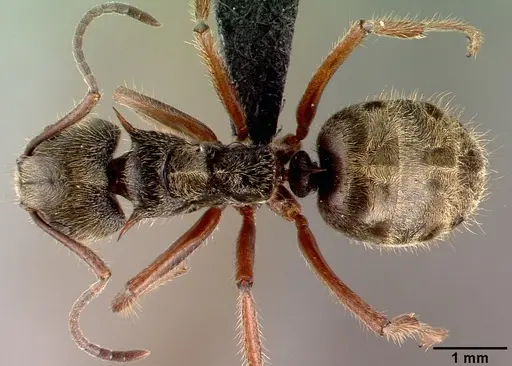
CASENT0249653
View on AntWeb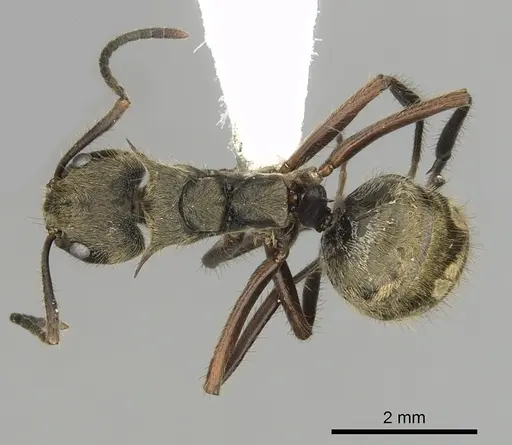
CASENT0866540
View on AntWeb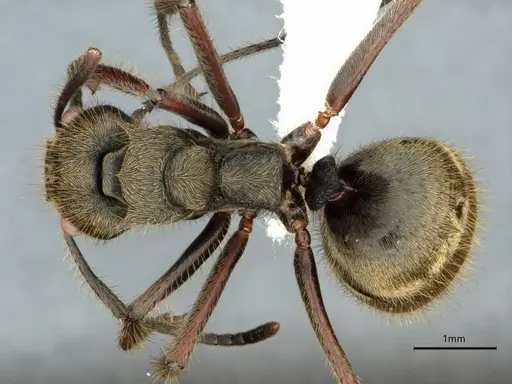
INB0003662377
View on AntWeb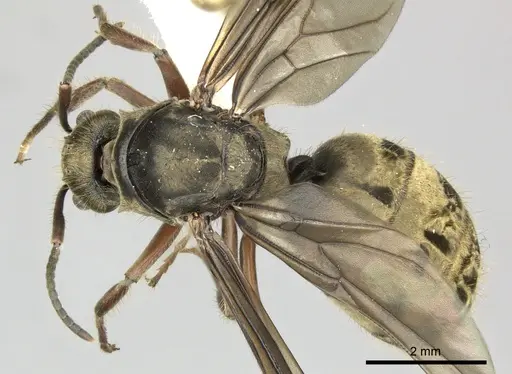
INBIOCRI001280169
View on AntWeb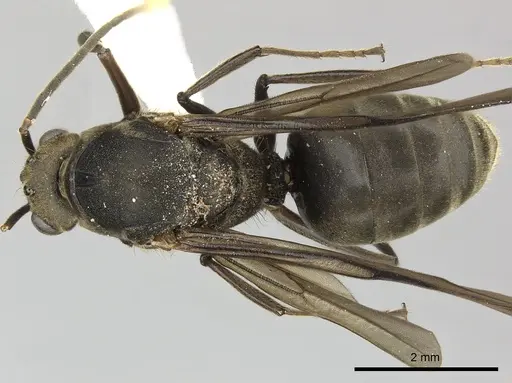
Literature
Loading...Loading products...