

Dolichoderus tricolor
- Scientific Name
- Dolichoderus tricolor
- Tribe
- Dolichoderini
- Subfamily
- Dolichoderinae
- Author
- Emery, 1914
- Distribution
- Found in 1 countries
Dolichoderus tricolor Overview
Dolichoderus tricolor is an ant species of the genus Dolichoderus. It is primarily documented in 1 countries , including New Caledonia. Detailed taxonomic data and occurrence records can be further explored via authoritative databases such as AntWeb or the Global Biodiversity Information Facility (GBIF).
Dolichoderus tricolor
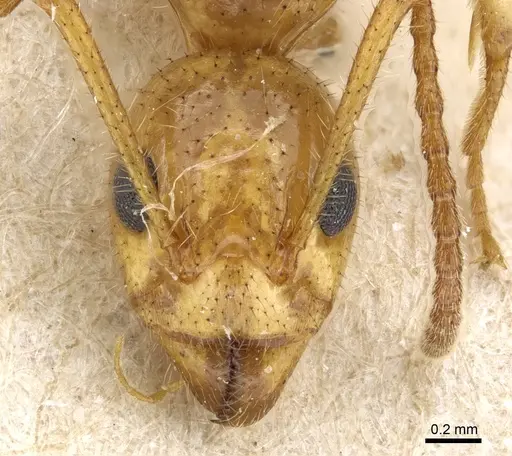
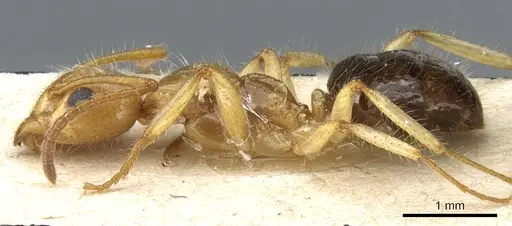
Dolichoderus tricolor is a small to medium-sized ant species native to New Caledonia, an island in the South Pacific. Workers measure around 4-6mm and display a distinctive three-colored appearance that gives this species its name. The species belongs to the australis group within the subgenus Hypoclinea, a classification that helps explain its behavior and habitat preferences [1]. These ants are part of the Dolichoderinae subfamily, which includes other well-known ants like the Argentine ant, and like their relatives, they can produce a distinctive unpleasant odor when disturbed or crushed, a defense mechanism common to this group.
Quick Summary
- Difficulty: Medium
- Origin & Habitat: New Caledonia, a tropical island in the South Pacific with humid forest environments. The species has been recorded at elevations ranging from 230m to 800m in the Yaté region [2][3]. Like other Dolichoderus species, they likely nest in arboreal cavities, under bark, or in rotting wood in forest habitats.
- Colony Type: Colony structure is unconfirmed for this species. Based on typical Dolichoderus patterns, they may form single-queen colonies (monogyne), though some related species can have multiple queens. More research is needed to confirm the exact colony structure.
- Colony: Monogyne
- Founding: Claustral
- Size & Growth:
- Queen: Estimated 6-8mm based on genus patterns and type description [4]
- Worker: Estimated 4-6mm based on genus patterns [1]
- Colony: Likely moderate colonies of several hundred workers based on typical Dolichoderus colony sizes
- Growth: Moderate, estimated based on related species
- Development: Estimated 6-8 weeks based on typical Dolichoderus development at tropical temperatures (Development time is estimated from related species, specific data for D. tricolor is not available)
- Antkeeping:
- Temperature: Keep at 24-28°C, reflecting their tropical New Caledonian origin. A slight gradient allowing cooler areas around 22°C is beneficial. Avoid temperatures below 20°C for extended periods.
- Humidity: Moderate to high humidity (60-80%). These forest-dwelling ants prefer conditions similar to their natural humid forest habitat. Keep the nest substrate consistently moist but not waterlogged.
- Diapause: Unlikely, as a tropical species from New Caledonia, they probably do not require a true hibernation period. However, a slight reduction in temperature during cooler months may be appropriate.
- Nesting: Arboreal or semi-arboreal nesting preferences. In captivity, they do well in naturalistic setups with access to moist substrate, or Y-tong/plaster nests that maintain humidity. They prefer nests with multiple chambers and will often establish satellite colonies. Provide climbing structures and bark or wood pieces.
- Behavior: Dolichoderus ants are generally moderate in temperament, not particularly aggressive but will defend their colony if threatened. They are active foragers with a preference for honeydew from aphids and scale insects, supplemented by small insects. When crushed or threatened, they can release a distinctive unpleasant odor, a characteristic shared by many Dolichoderinae. They are good climbers and may establish colonies in elevated positions. Escape prevention should be moderate, they are not extreme escape artists but can climb smooth surfaces.
- Common Issues: tropical humidity requirements mean mold can be an issue if ventilation is poor, balance humidity with adequate airflow, the unpleasant odor they produce when disturbed may be off-putting to some keepers, handle gently and avoid crushing, limited specific care information means keepers may need to experiment to find optimal conditions, wild-caught colonies from New Caledonia may have parasites or diseases not common in captive-bred colonies, temperature sensitivity, prolonged cool temperatures below 20°C can stress or kill colonies
Housing and Nest Setup
Dolichoderus tricolor does well in naturalistic setups that mimic their arboreal forest habitat. A formicarium with multiple chambers filled with moist substrate works well, as does a Y-tong (acrylic) nest. Because they naturally nest in rotting wood and tree cavities, adding pieces of bark or small wood chunks to the setup encourages natural behavior. Keep the nest substrate consistently moist, these ants come from humid New Caledonian forests and need moisture to thrive. A water tube attached to the nest helps maintain humidity. Provide an outworld area for foraging where you can place food and where workers can hunt small prey. [1]
Feeding and Diet
Like other Dolichoderus species, D. tricolor likely has a diet centered on honeydew, the sweet secretions from aphids and scale insects. In captivity, offer sugar water, honey, or diluted maple syrup as a constant sugar source. For protein, provide small live insects like fruit flies, small crickets, or mealworm pieces. They are not specialized predators but will accept a variety of small arthropods. Some keepers report that Dolichoderus species accept protein baits readily. Feed sugar sources constantly and protein prey 2-3 times per week, adjusting based on colony size and appetite. Remove uneaten prey after 24 hours to prevent mold.
Temperature and Seasonal Care
As a tropical species from New Caledonia, Dolichoderus tricolor requires warm conditions year-round. Keep the nest area at 24-28°C during the active season. A small heating cable on one side of the nest can create a beneficial temperature gradient, allowing ants to self-regulate. They do not require hibernation, but a slight temperature reduction (by 2-4°C) during winter months may be appropriate if your room temperature drops significantly. Avoid temperatures below 20°C for extended periods, this species is not cold-tolerant. Room temperature in the low-to-mid 20s°C is ideal for year-round keeping. [2][3]
Behavior and Colony Dynamics
Dolichoderus tricolor is an active forager that will send workers out to explore their environment and locate food sources. When threatened, they can release a distinctive unpleasant odor, this is a defense mechanism common to the Dolichoderinae subfamily and is how these ants got the common name 'odorous ants.' This smell is not dangerous but can be off-putting. Handle the colony gently and avoid crushing any workers. The colony will likely establish a main nest with workers patrolling the surrounding area. As the colony grows, they may establish satellite chambers or foraging routes. Queens are relatively large and robust, capable of claustral founding where they seal themselves in a chamber and raise the first generation of workers alone. [1]
Frequently Asked Questions
How long does it take for Dolichoderus tricolor to produce first workers?
Based on typical Dolichoderus development, expect first workers (nanitics) around 6-8 weeks after the queen lays eggs, assuming temperatures around 24-28°C. Specific development data for this species is not available, so this is an estimate from related species.
What temperature do Dolichoderus tricolor need?
Keep them at 24-28°C. They are tropical ants from New Caledonia and need warm conditions. Avoid temperatures below 20°C for extended periods.
Can I keep multiple Dolichoderus tricolor queens together?
The colony structure of this species is not well-documented. Based on typical Dolichoderus patterns, single-queen colonies are most common. Combining unrelated queens is not recommended as it may lead to aggression.
What do Dolichoderus tricolor eat?
They primarily feed on honeydew (sweet secretions from aphids and scale insects). In captivity, offer sugar water, honey, or maple syrup constantly. For protein, provide small insects like fruit flies, small crickets, or mealworm pieces 2-3 times per week.
Are Dolichoderus tricolor good for beginners?
This species is rated as Medium difficulty. While not the most challenging ant to keep, the lack of specific care information and their tropical humidity requirements make them better suited for keepers with some experience. Beginners may struggle with their specific humidity and temperature needs.
Do Dolichoderus tricolor need hibernation?
No, as a tropical species from New Caledonia, they do not require true hibernation. However, a slight temperature reduction during winter months may be appropriate if your room temperature drops significantly.
How big do Dolichoderus tricolor colonies get?
Based on typical Dolichoderus species, colonies likely reach several hundred workers. Specific colony size data for this species is not available.
Why do my Dolichoderus tricolor smell bad?
This is normal behavior! Dolichoderus ants produce a distinctive unpleasant odor as a defense mechanism when threatened or crushed. This is how they got the common name 'odorous ants.' It's not harmful, just handle them gently to avoid triggering this response.
When should I move Dolichoderus tricolor to a formicarium?
You can keep them in a test tube setup for the founding stage. Once the colony reaches 20-30 workers and you see they are active and healthy, you can move them to a formicarium with appropriate humidity control. A naturalistic setup or Y-tong nest works well.
References

This caresheet is licensed under CC BY-SA 4.0 .
CASENT0905015
View on AntWeb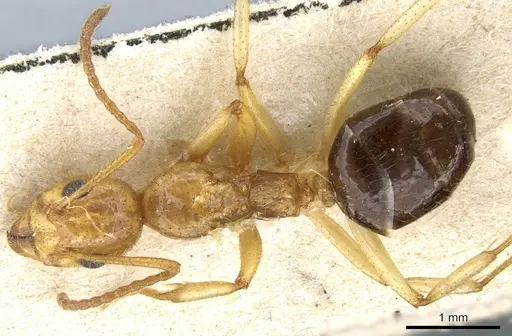
CSIRONC0201
View on AntWeb


Literature
Loading...Loading products...