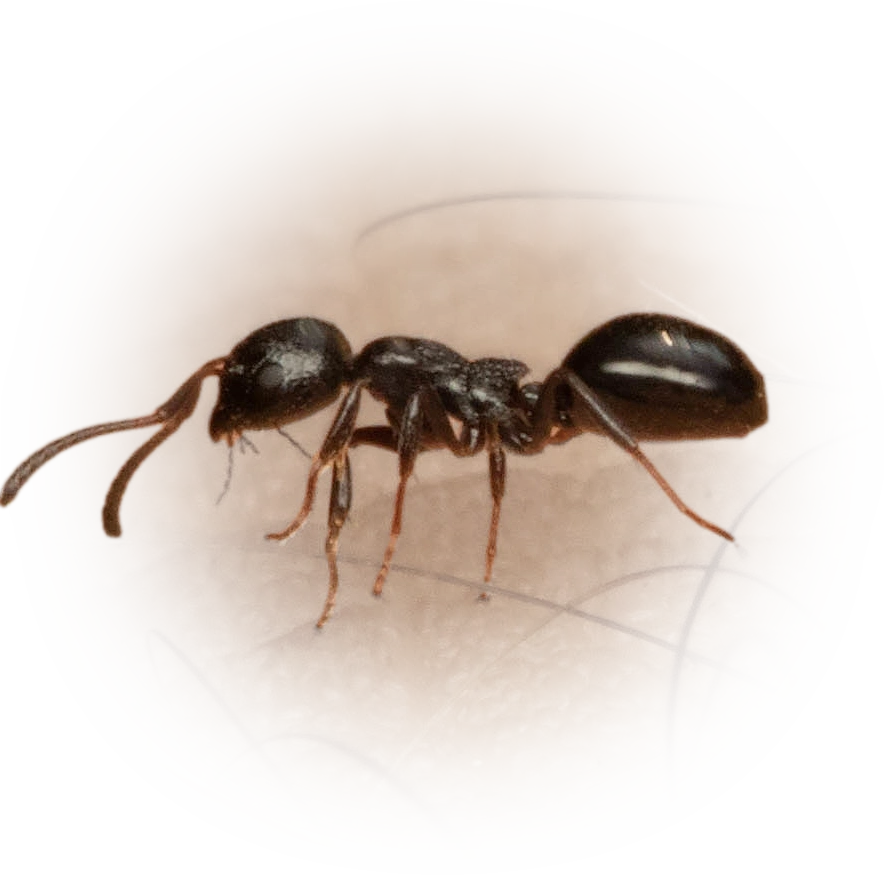

Dolichoderus taschenbergi
- Scientific Name
- Dolichoderus taschenbergi
- Tribe
- Dolichoderini
- Subfamily
- Dolichoderinae
- Author
- Mayr, 1866
- Common Name
- Taschenberg's Odorous Ant
- Distribution
- Found in 2 countries
Dolichoderus taschenbergi Overview
Dolichoderus taschenbergi (commonly known as the Taschenberg's Odorous Ant) is an ant species of the genus Dolichoderus. It is primarily documented in 2 countries , including Canada, United States of America. Detailed taxonomic data and occurrence records can be further explored via authoritative databases such as AntWeb or the Global Biodiversity Information Facility (GBIF).
Dolichoderus taschenbergi - "Taschenberg's Odorous Ant"
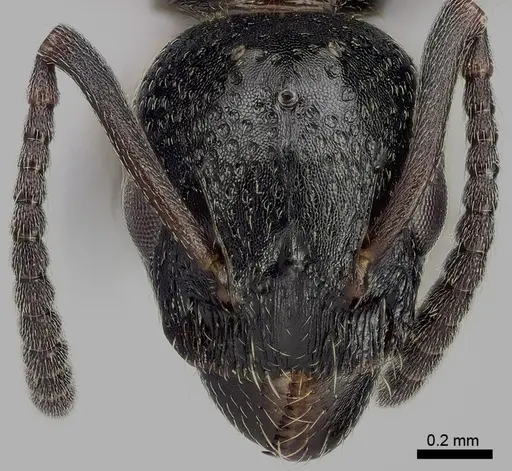
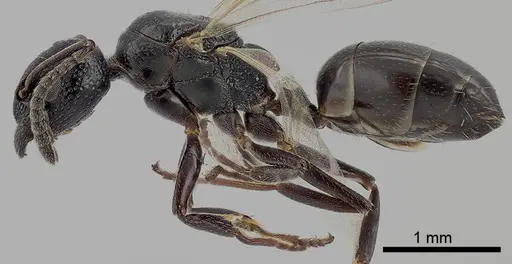
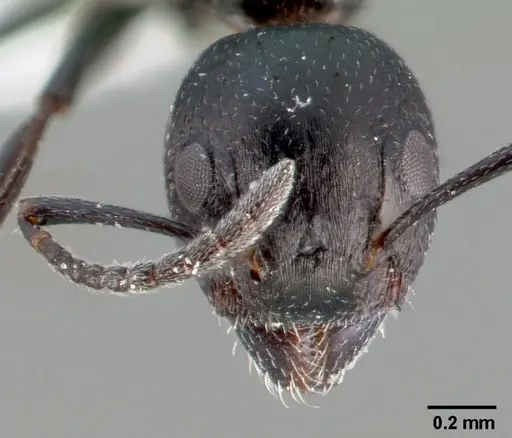
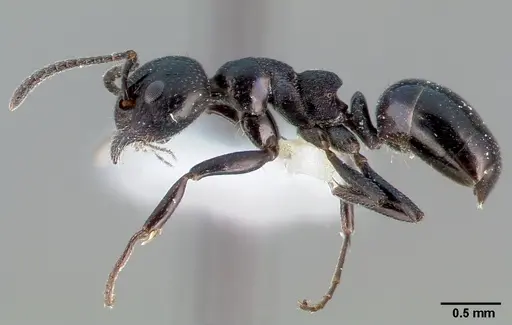
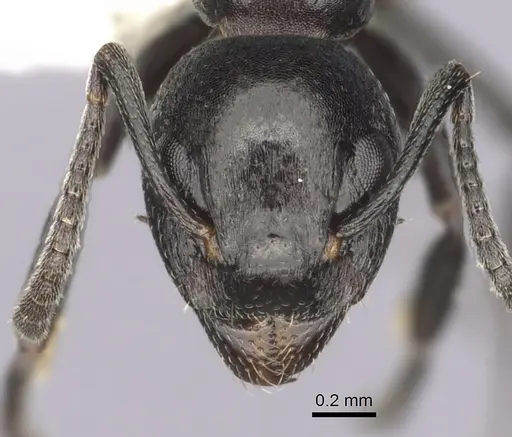
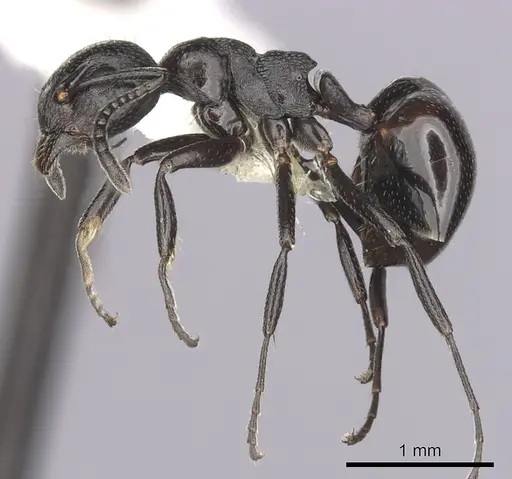
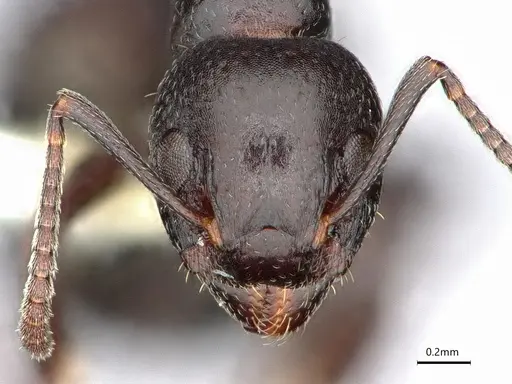
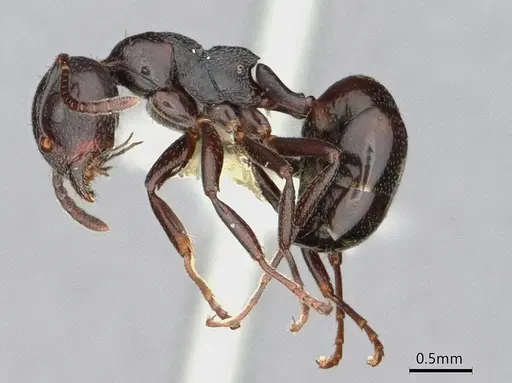
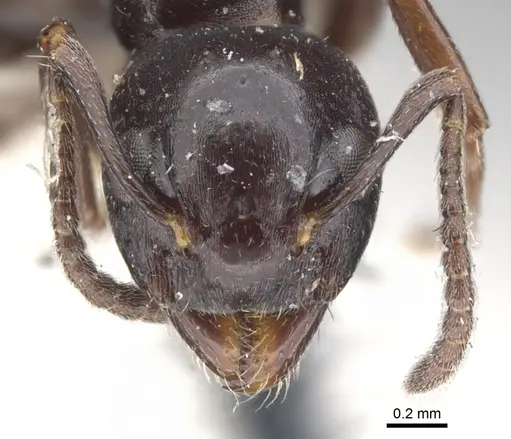
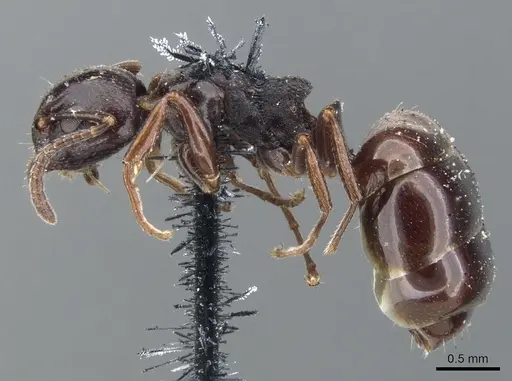
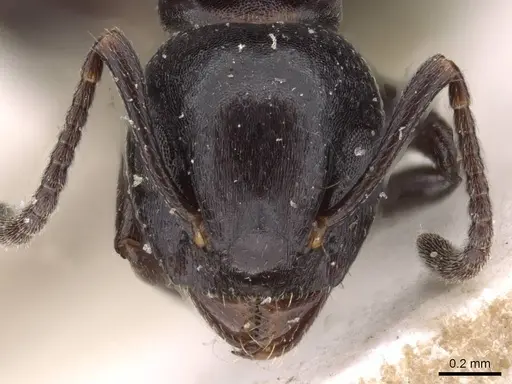
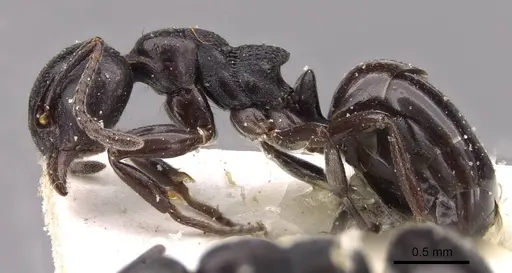
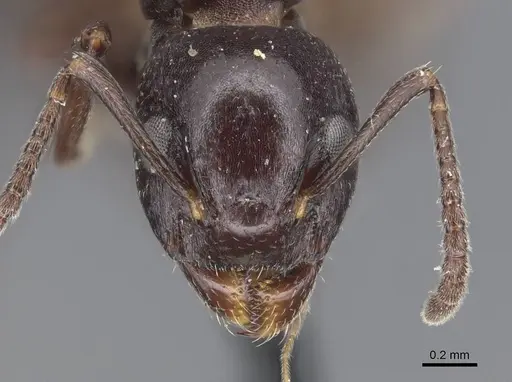
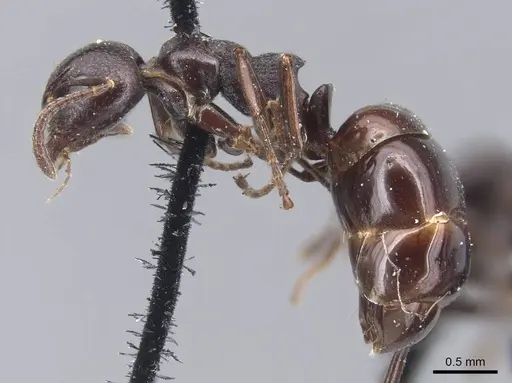
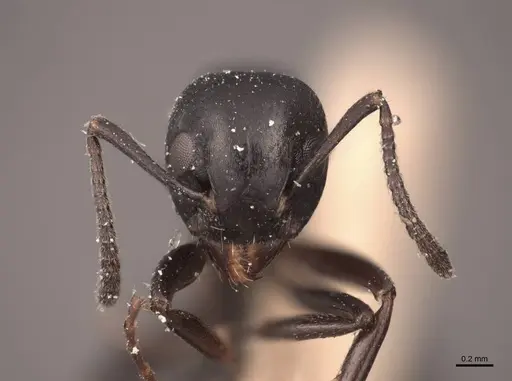
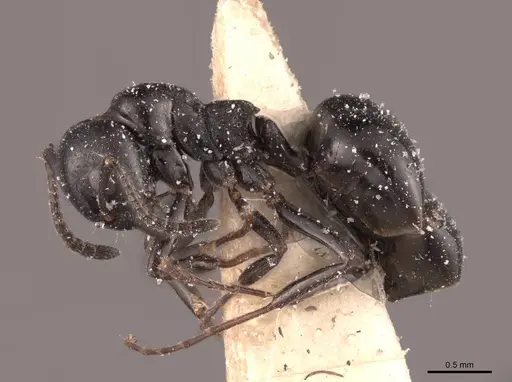
Dolichoderus taschenbergi is a medium-sized dark ant native to eastern North America. Workers measure 3.5-4.5mm and are essentially concolorous black or dark brown, with lighter brown mandibles and antennae. They have a distinctive shiny appearance with fine granulation on the head and thorax, and their propodeum (the section behind the thorax) is roughly square when viewed from above. These ants form large colonies that can grow to 50,000 workers with multiple queens [1].
What makes D. taschenbergi interesting is their association with vegetation, they maintain foraging trails that lead up into trees and shrubs where they tend aphids and scale insects for honeydew. In spring, workers gather in exposed sunny spots in large clusters to warm themselves after winter, which jump-starts their activity for the season [2]. They build distinctive nests at the base of trees or shrubs, consisting of thatched plant material mixed with soil.
Quick Summary
- Difficulty: Medium
- Origin & Habitat: Eastern North America, from Nova Scotia west to Manitoba and North Dakota, south to South Carolina and Mississippi. Found in various habitats including woodland edges, dry brushy fields with sandy soil, grassy fields, shaded forests, and peat bogs [1][3][4].
- Colony Type: Polygynous, colonies have multiple queens and can grow very large, up to 50,000 workers [1].
- Colony: Polygyne
- Size & Growth:
- Queen: 5.5-6.5mm [5]
- Worker: 3.5-4.5mm [3]
- Colony: Up to 50,000 workers [1]
- Growth: Moderate
- Development: Unknown, no specific development data available for this species (Development timeline has not been directly studied. Based on typical Dolichoderus patterns, expect several months from egg to first worker at warm temperatures.)
- Antkeeping:
- Temperature: Keep nest area around 20-24°C. These are warmth-loving (thermophilous) ants, and colonies are active in temperatures ranging from 14°C during early spring warming to typical summer temperatures. Flight observations show alates emerge at 14-22°C (58-72°F) [6]. A heating cable on one side of the nest can help maintain warmth, especially for brood development.
- Humidity: Moderate humidity. They nest in soil and thatch, so keep substrate consistently moist but not waterlogged. They do well in typical room humidity but appreciate a damp section in their nest for brood areas.
- Diapause: Yes, these ants are native to temperate regions and require a winter rest period. In their northern range (Michigan, Ontario, etc.), colonies experience cold winters and enter dormancy. Provide 3-4 months of cold storage at 5-10°C during winter.
- Nesting: They naturally nest at tree bases with thatched plant material. In captivity, they do well in naturalistic setups with soil or in acrylic/plaster nests. Provide a thick layer of substrate they can build their thatch structure in, or use a formicarium with chambers they can customize. They prefer nests with some vertical space for their characteristic mound-building behavior.
- Behavior: Dolichoderus taschenbergi workers are moderately aggressive when defending their nest but not particularly territorial. They forage in characteristic files along scent trails and spend significant time tending aphids and other honeydew-producing insects on vegetation. They have a degenerate sting, present but not functional for defense [7]. Escape risk is moderate since workers are 3.5-4.5mm, standard formicarium barriers work well. They are active foragers and will readily explore outworlds for food.
- Common Issues: Large colony size means they need significant space as they grow, be prepared to upgrade to larger setups, Polygynous colonies can be sensitive to queen disturbance during setup, handle founding colonies gently, Their thatching behavior can clog test tube water reservoirs if given access to nesting material, Spring warming behavior means they may become active earlier than expected if kept in a warm room year-round, Wild-caught colonies may have parasites that affect captive survival
Nest Preferences and Setup
In the wild, Dolichoderus taschenbergi builds distinctive nests at the base of trees or shrubs. The nests consist of irregular funnels filled with thatched plant material, grass, twigs, needles, and other debris mixed with soil. The thatched roof is typically 5-8mm thick and can reach 22-30cm in diameter and 5-6cm in height [3][6]. Workers tend aphids on nearby vegetation and create multiple foraging trails radiating from the nest up to 36 feet away into the surrounding area [8].
For captive care, provide a naturalistic setup with a thick substrate layer (at least 5-10cm) that allows them to build their characteristic thatch structure. A mix of soil and peat works well. Alternatively, acrylic or plaster nests with narrow chambers can work, but provide an outworld with substrate material they can use for their natural building behavior. They need access to both nest chambers and foraging space.
Feeding and Diet
These ants are opportunistic feeders with a strong preference for honeydew. Workers actively tend aphids and scale insects (coccids) on vegetation, collecting the sugary honeydew these insects produce [1][6]. They also scavenge dead arthropods and are predatory on small insects.
In captivity, offer sugar water or honey as a constant energy source. For protein, provide small insects like fruit flies, small crickets, or mealworms. They will readily accept most standard ant foods. The key is providing both sugar sources (honey, sugar water) and protein regularly. Their large colony size means you'll need to feed more frequently than with smaller species.
Temperature and Seasonal Care
Dolichoderus taschenbergi is a warmth-loving species found across temperate North America. They emerge in spring when temperatures rise, and workers engage in a unique warming behavior, they cluster together in exposed sunny areas to raise their body temperature and become active after winter dormancy [2].
Keep nest temperatures around 20-24°C for optimal brood development. They can tolerate cooler temperatures (down to around 14°C) during their active season, but development slows significantly. During winter, provide a cold period at 5-10°C for 3-4 months to simulate their natural dormancy cycle. This is essential for colony health long-term. A simple way to do this is to move them to an unheated garage or basement during winter months.
Behavior and Foraging
This species is known for its characteristic foraging behavior. Workers travel in well-organized files along scent trails, creating visible pathways through leaf litter and vegetation [1][8]. A single colony can maintain six or more distinct foraging trails extending dozens of feet from the nest to different feeding sites, typically trees or shrubs with aphid colonies.
Workers are moderately defensive but not particularly aggressive toward humans. They have a degenerate sting that is not effective for defense [7]. In captivity, they will readily explore outworlds and establish foraging routes. Their large colony size and active foraging mean they benefit from regular feeding schedules and will quickly consume available prey.
Nuptial Flights and Reproduction
Mating flights occur from mid-June through late July in most of their range [1][6]. Males appear first around June 6,with females following around June 17. Flights typically occur in the morning, beginning about 20 minutes before sunrise and continuing for several hours. Temperature is critical, flights begin when temperatures reach 58-71°F (14-22°C), and alates will not fly if it's too cool [6].
A single colony can release 12,000-15,000 alates during a flight season, with most flights involving 300-400 individuals [6]. Males comprise roughly 80% of alates early in the season, with females becoming more common toward the end. If you're keeping colonies long-term, expect reproductive swarms during summer months and be prepared for the colony's foraging activity to increase significantly during this period.
Frequently Asked Questions
How long does it take for Dolichoderus taschenbergi to develop from egg to worker?
The exact development timeline has not been scientifically documented for this species. Based on typical Dolichoderus genus patterns, expect approximately 2-3 months from egg to first worker at optimal temperatures around 22-24°C. The first workers (nanitics) will be smaller than mature workers.
Can I keep multiple Dolichoderus taschenbergi queens together?
Yes, this species is naturally polygynous, meaning colonies typically have multiple queens. However, introducing unrelated queens to an established colony is not recommended as they may fight. If starting from scratch, it's best to establish a single queen or small group and allow the colony to develop naturally.
What do Dolichoderus taschenbergi ants eat?
They primarily feed on honeydew from aphids and scale insects, plus small insects and scavenged arthropods. In captivity, provide constant access to sugar water or honey, plus protein sources like small crickets, fruit flies, or mealworms 2-3 times per week. They are not picky eaters and will accept most standard ant foods.
Do Dolichoderus taschenbergi need hibernation?
Yes, as a temperate species they require a winter dormancy period. Keep colonies at 5-10°C for 3-4 months during winter, typically from late fall through early spring. This can be done in an unheated garage, basement, or refrigerator. Failure to provide adequate cold rest can weaken or kill colonies over time.
How big do Dolichoderus taschenbergi colonies get?
This is one of the larger North American ant species, with colonies potentially reaching 50,000 workers [1]. They are polygynous (multiple queens), which contributes to their ability to grow so large. Be prepared for significant space requirements as the colony matures.
What is the best nest type for Dolichoderus taschenbergi?
They do best in naturalistic setups with deep substrate (5-10cm) that allows their natural thatching behavior. A soil/peat mixture in a formicarium or simple plastic container works well. They will build their characteristic thatched mound structure if given the materials. Alternatively, acrylic nests can work but provide an outworld area with substrate material.
Are Dolichoderus taschenbergi good for beginners?
They are rated as medium difficulty. While not the hardest species, their large colony size, polygynous structure, and need for winter dormancy make them better suited for keepers with some experience. They are rewarding species for intermediate keepers who can provide adequate space and seasonal care.
When do Dolichoderus taschenbergi have nuptial flights?
Mating flights occur from mid-June through late July, typically in the morning hours [1][6]. Males appear first, followed by females. Flights begin when temperatures reach 58-71°F (14-22°C). If you're keeping colonies outdoors or in unheated spaces, expect reproductive swarms during summer mornings.
Why are my Dolichoderus taschenbergi dying?
Common causes include: inadequate winter dormancy (they need 3-4 months of cold), poor humidity causing desiccation, insufficient protein leading to starvation, or stress from disturbance during founding. They also may have come from the wild with parasites. Ensure proper temperature gradient, consistent moisture, and regular feeding. If caught wild, parasites are a common issue.
References

This caresheet is licensed under CC BY-SA 4.0 .
ANTWEB1041580
View on AntWeb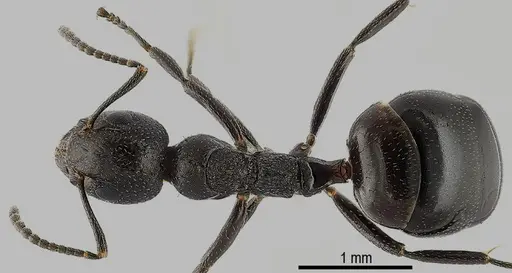
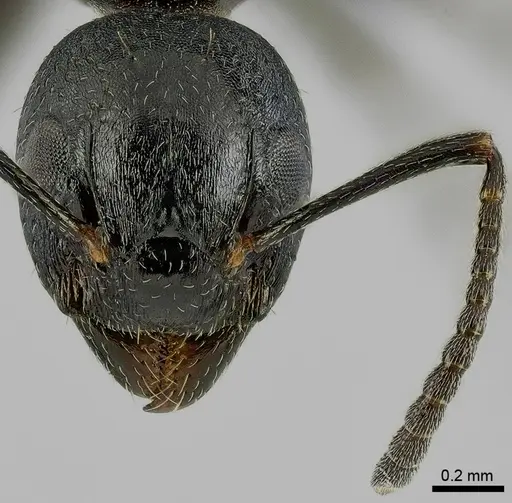
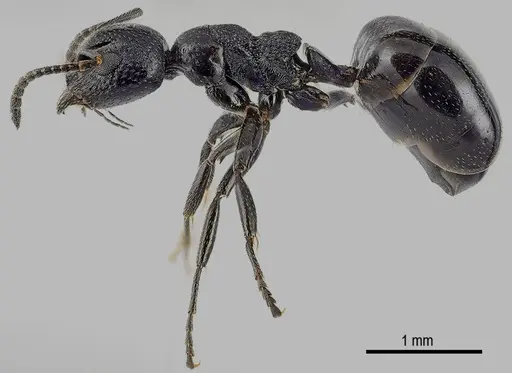
ANTWEB1041581
View on AntWeb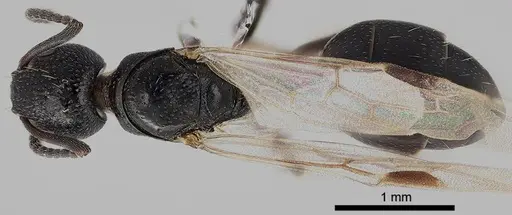
CASENT0005172
View on AntWeb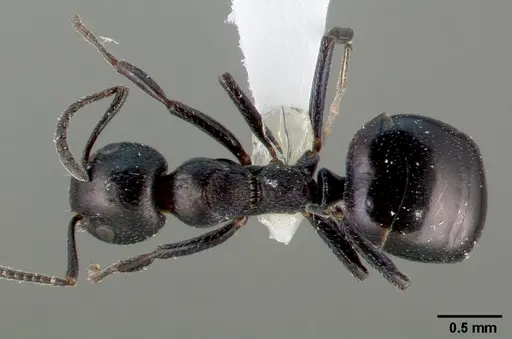
CASENT0249580
View on AntWeb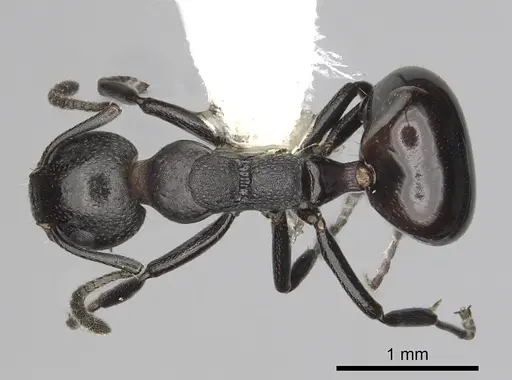
CASENT0886022
View on AntWeb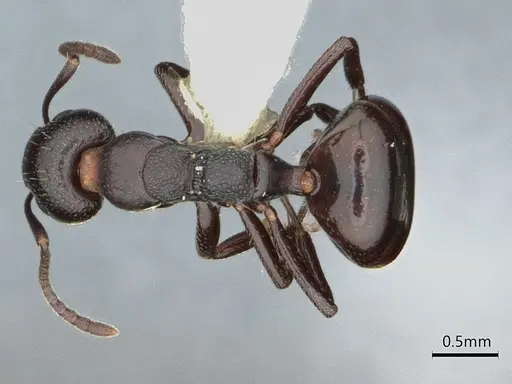
CASENT0902961
View on AntWeb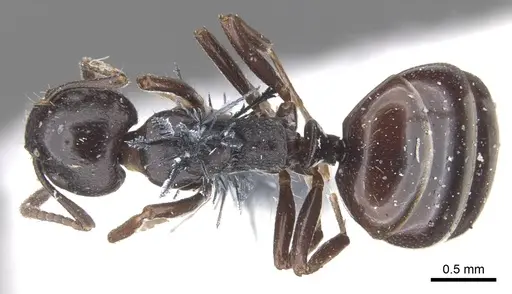
CASENT0909457
View on AntWeb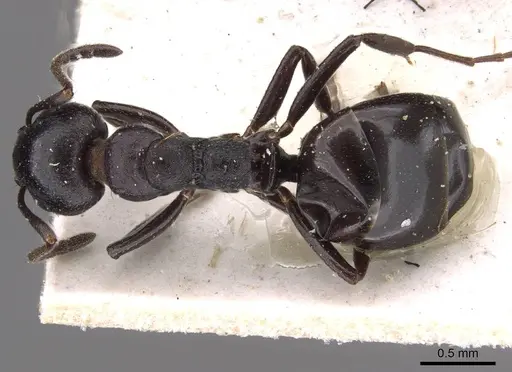
CASENT0915568
View on AntWeb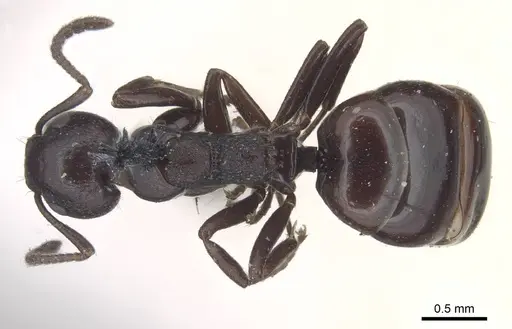
FMNHINS0000045083
View on AntWeb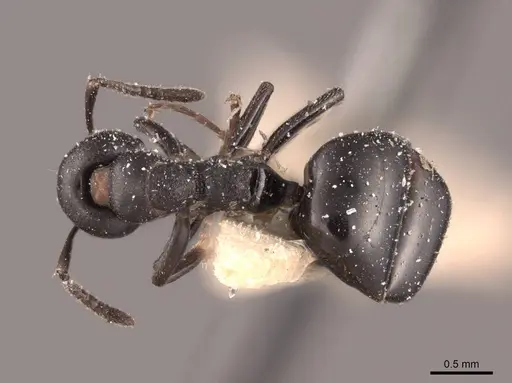
Literature
Loading...Loading products...