

Dolichoderus taprobanae
- Scientific Name
- Dolichoderus taprobanae
- Tribe
- Dolichoderini
- Subfamily
- Dolichoderinae
- Author
- Smith, 1858
- Distribution
- Found in 7 countries
Dolichoderus taprobanae Overview
Dolichoderus taprobanae is an ant species of the genus Dolichoderus. It is primarily documented in 7 countries , including China, Hong Kong, Indonesia. Detailed taxonomic data and occurrence records can be further explored via authoritative databases such as AntWeb or the Global Biodiversity Information Facility (GBIF).
Dolichoderus taprobanae
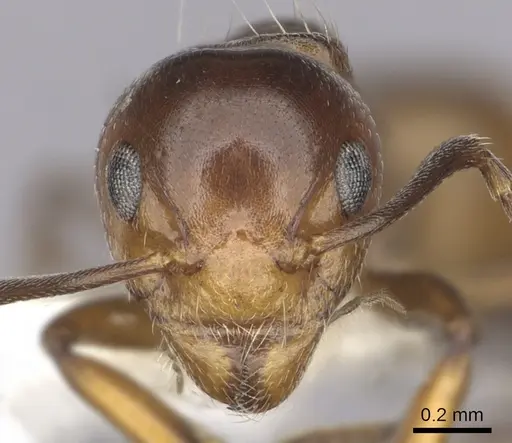
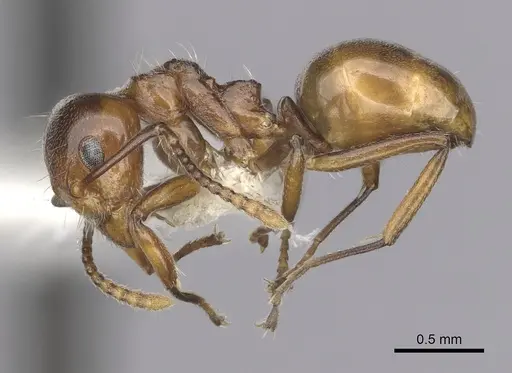
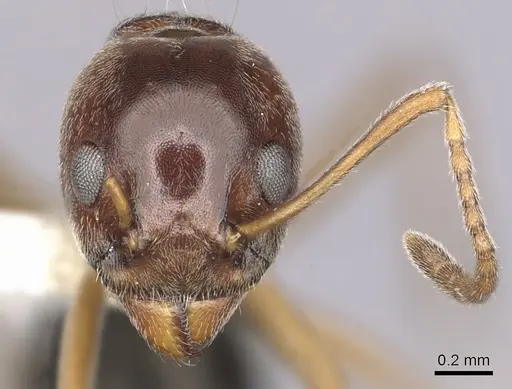
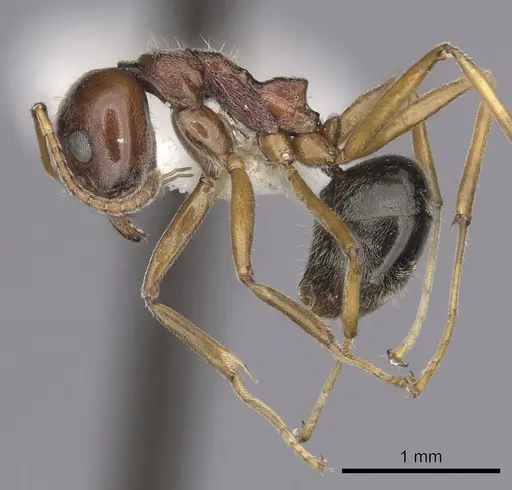
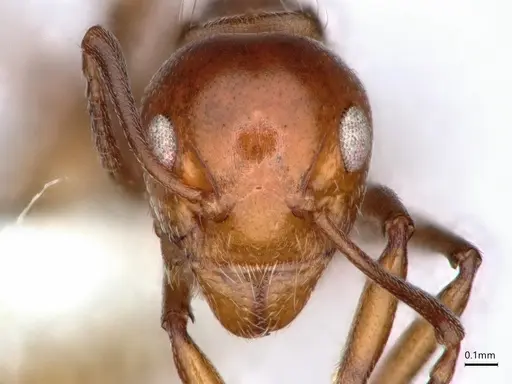
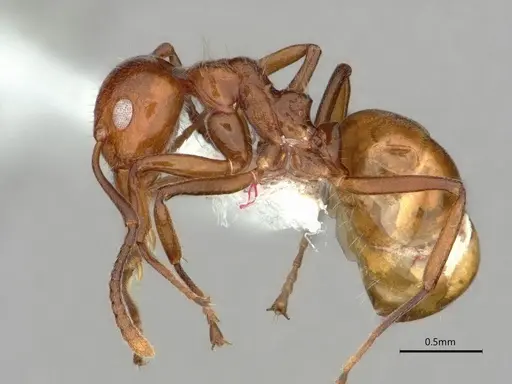
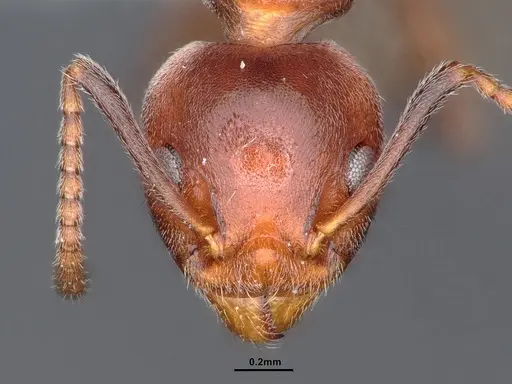
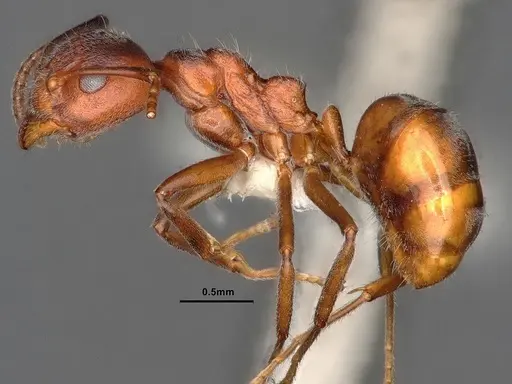
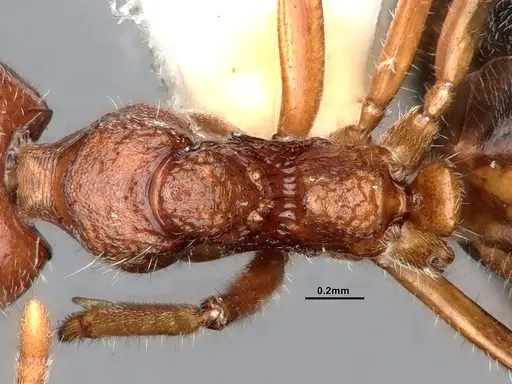
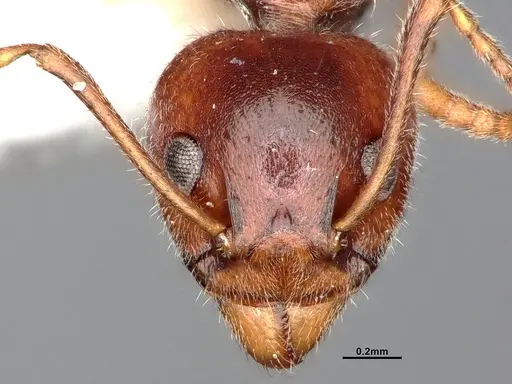
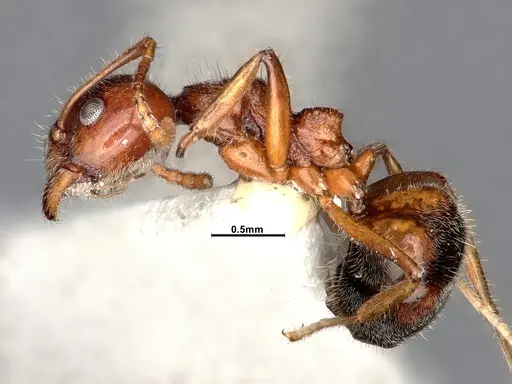
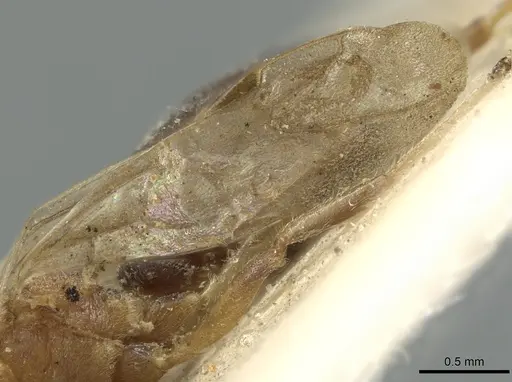
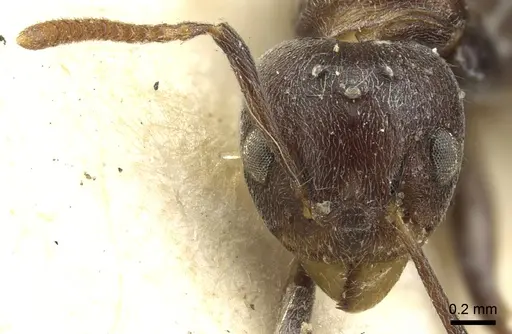
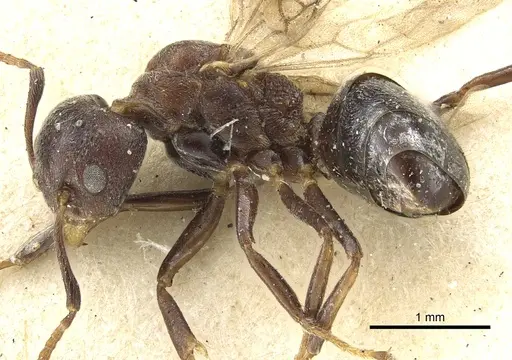
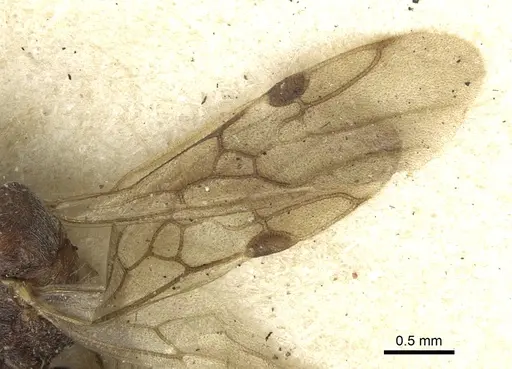
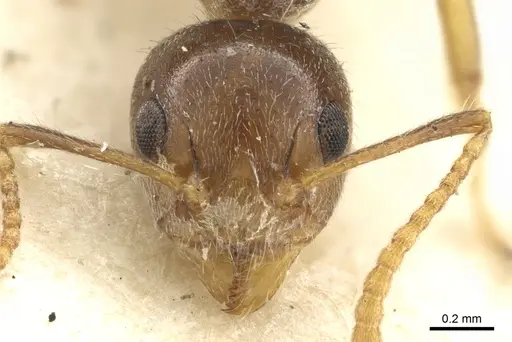
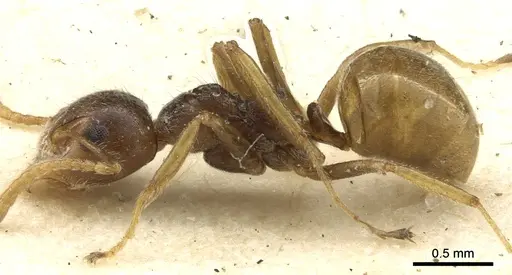
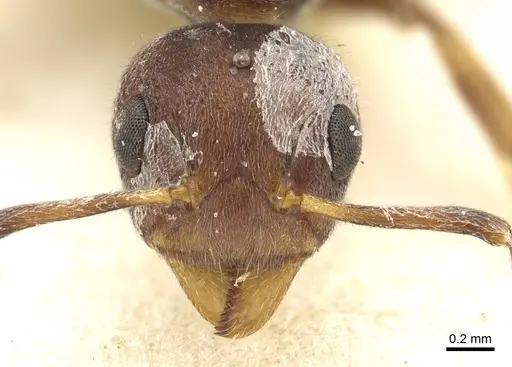
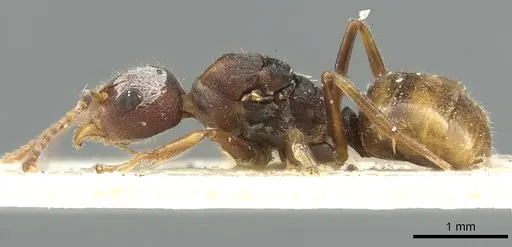
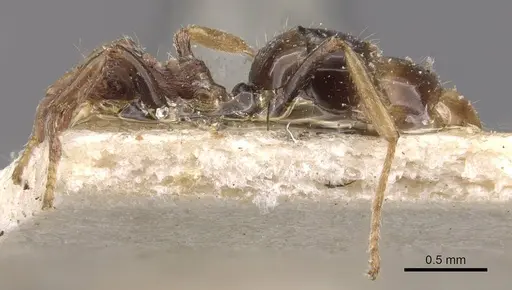
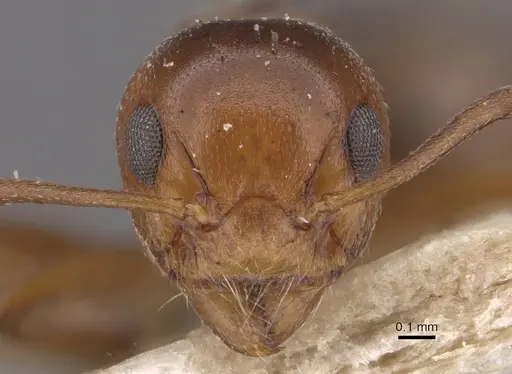
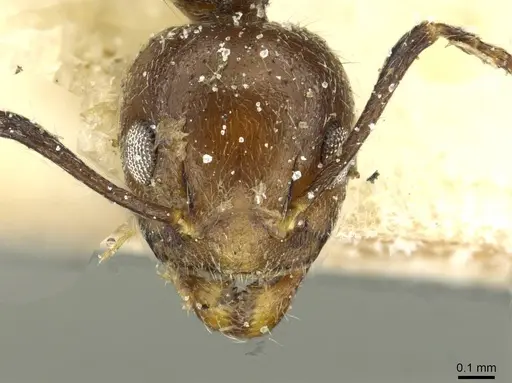
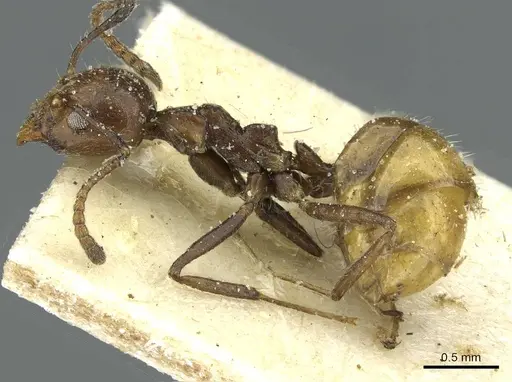
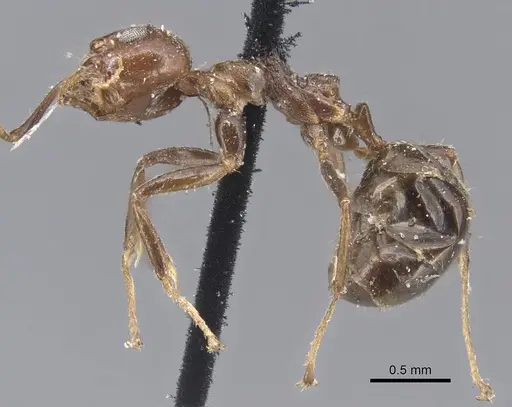
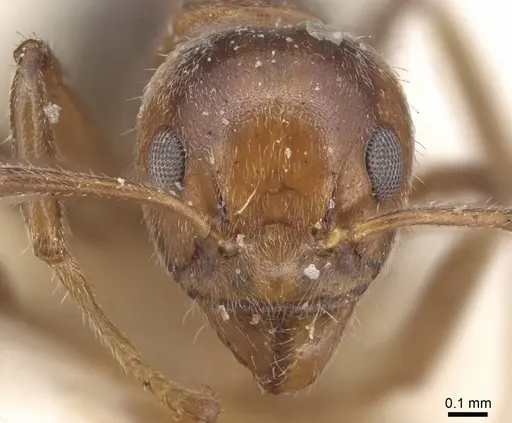
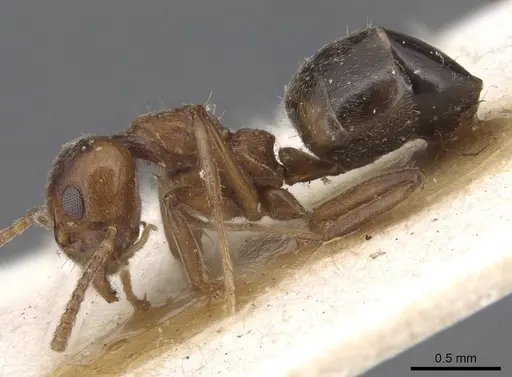
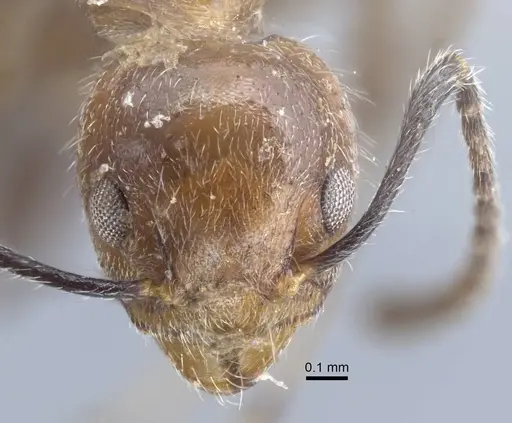
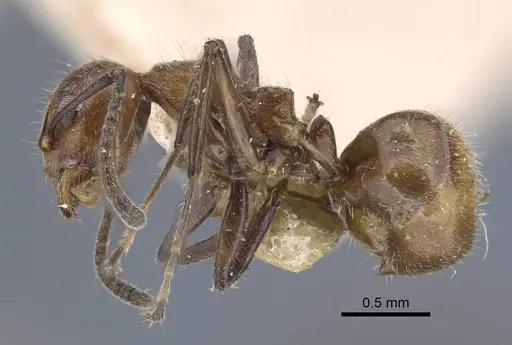
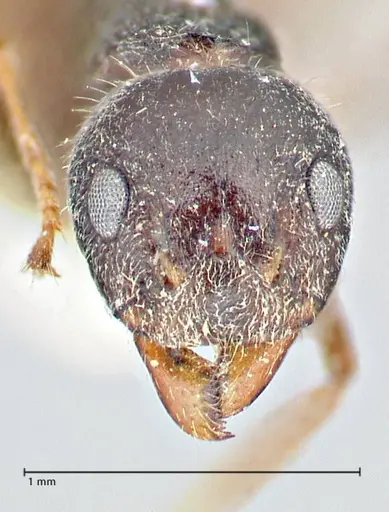
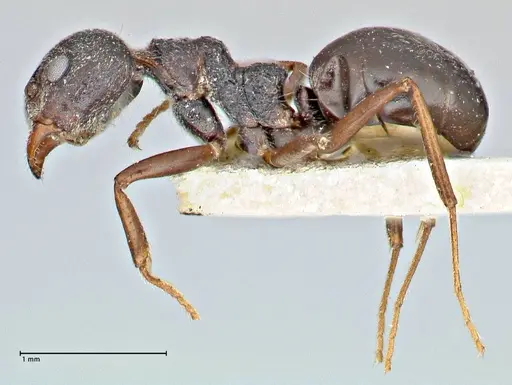
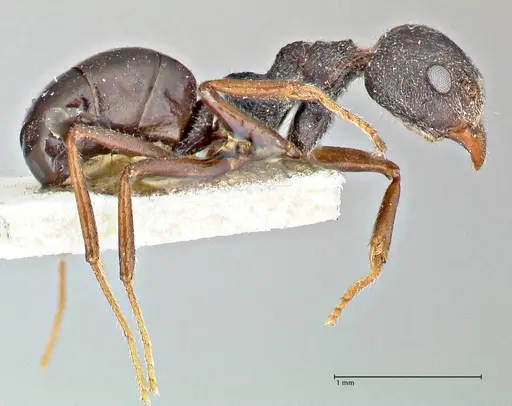
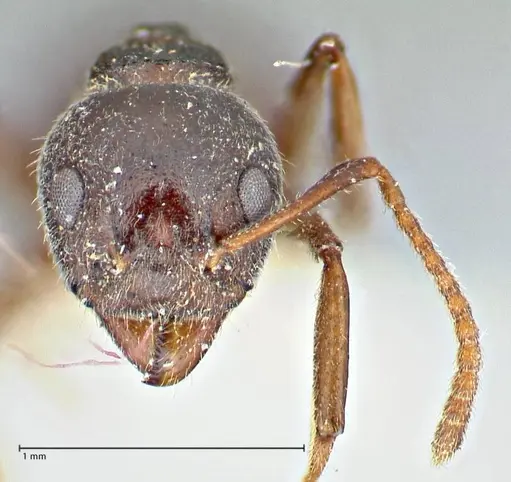
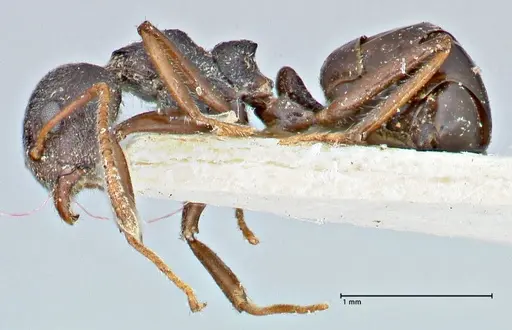
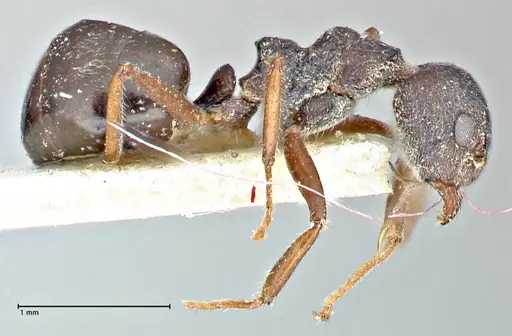
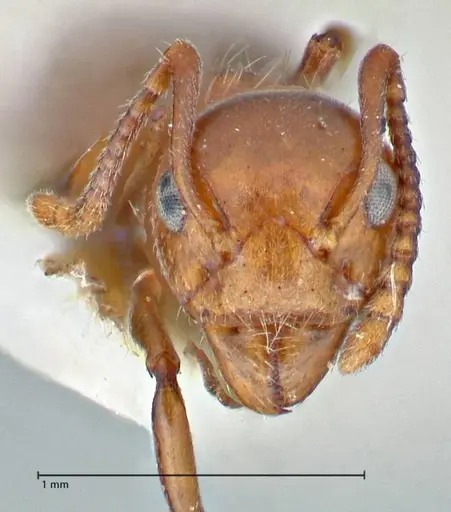
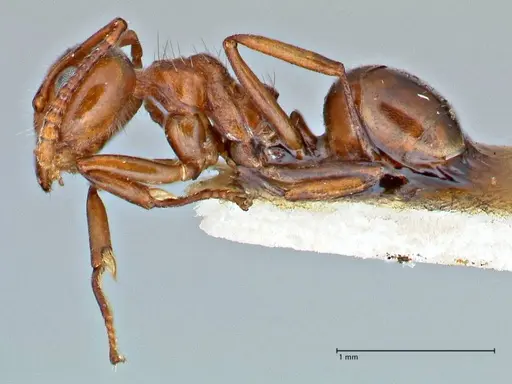
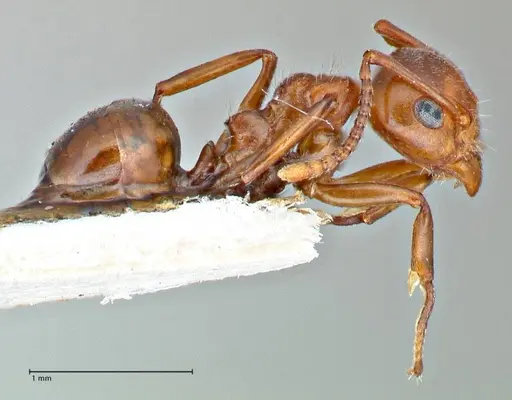
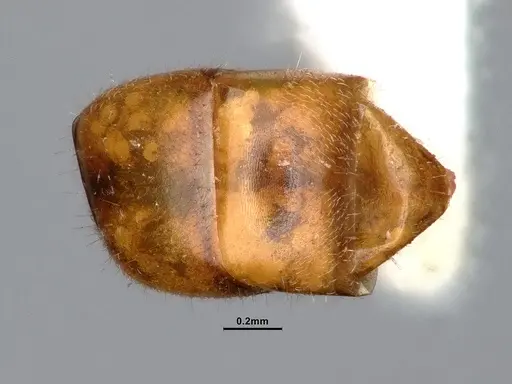
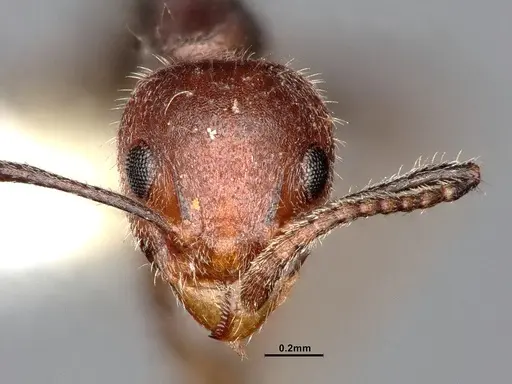
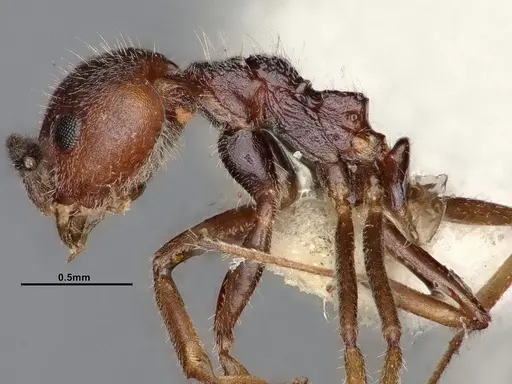
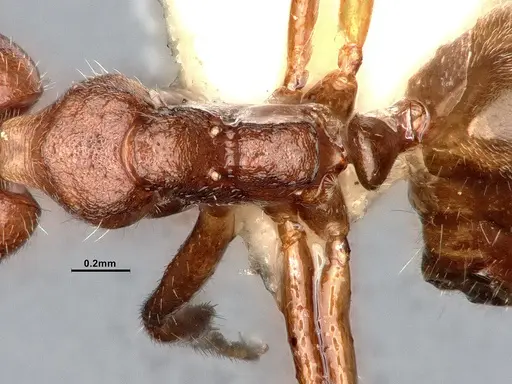
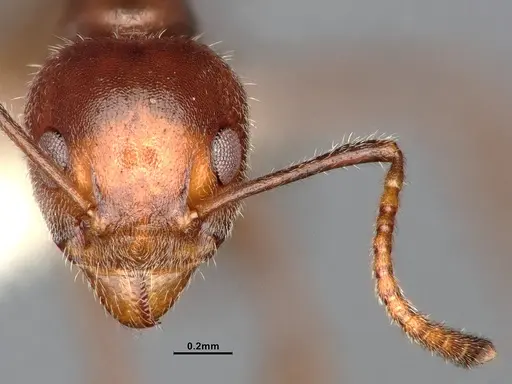
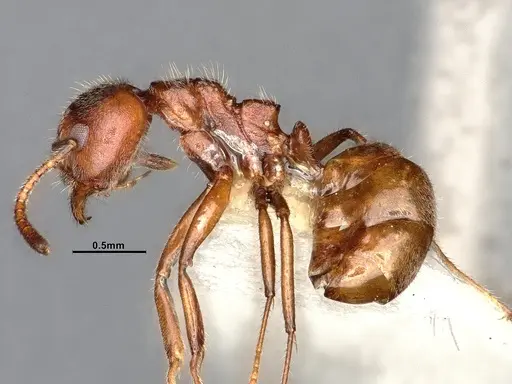
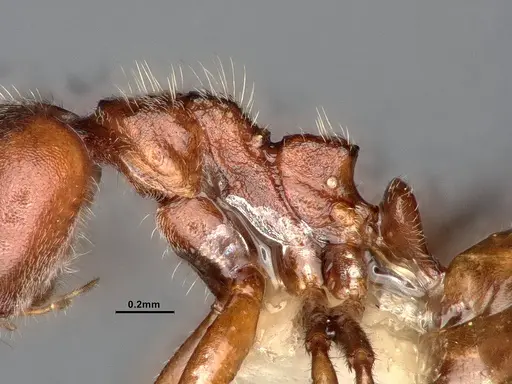
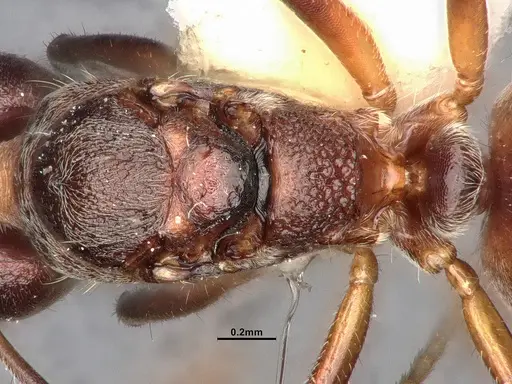
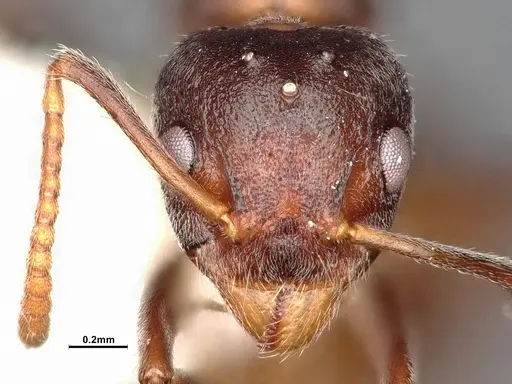
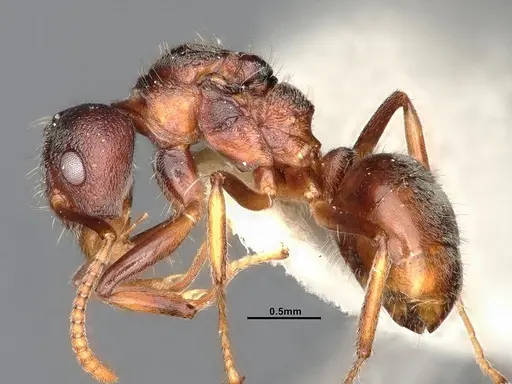
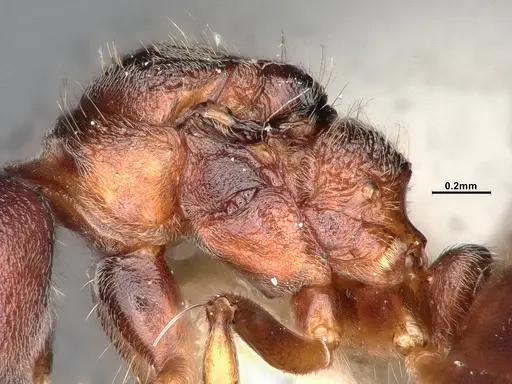
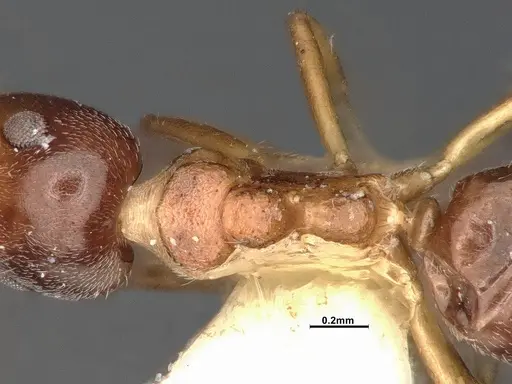
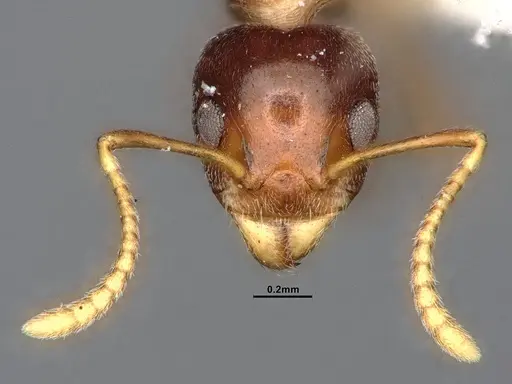
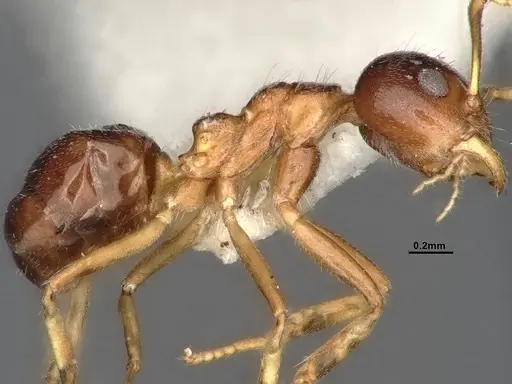
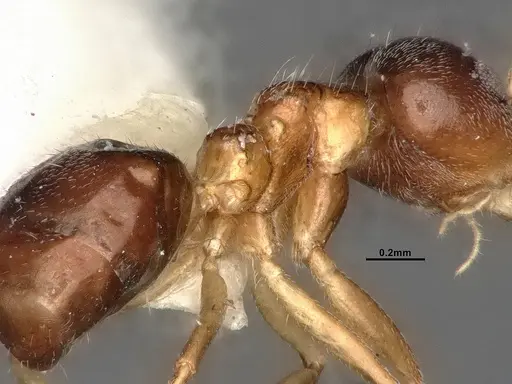
Dolichoderus taprobanae is a small to medium-sized ant native to South and Southeast Asia. Workers measure 2.5-3.3mm with a distinctive color pattern: the head, thorax, and petiole are brownish-red while the abdomen is black [1]. Queens are slightly larger with a similar coloration but a more robust thorax adapted for founding colonies. This species resembles Dolichoderus bakhtiari but can be distinguished by its smaller size and darker vertex and gaster [2].
The species has an extremely wide distribution across the Indomalaya region, from Sri Lanka and India through Nepal, Laos, Thailand, Malaysia, Indonesia, and into southern China. It thrives in wet tropical zones and has been recorded at elevations from near sea level up to around 1000m in the Himalayas [3]. In Sri Lanka, it is found exclusively in the wet zone [4]. Despite its broad range, almost nothing is known about this species' biology in the wild, this is one of the least studied ants in the hobby.
Quick Summary
- Difficulty: Medium
- Origin & Habitat: Native to South and Southeast Asia including Sri Lanka, India, Nepal, Laos, Thailand, Malaysia, Indonesia (Sumatra), and southern China. Found in wet tropical zones and warm temperate areas, typically at elevations from sea level to around 1000m [3][4].
- Colony Type: Colony structure is unconfirmed, no direct studies have documented whether colonies are single-queen (monogyne) or multi-queen (polygyne). Based on typical Dolichoderus patterns, single-queen colonies are likely.
- Size & Growth:
- Queen: Approximately 4-5mm (estimated from description, queens described as larger than workers with robust thorax)
- Worker: 2.5-3.3mm [1][5]
- Colony: Unknown, no colony size data exists in scientific literature
- Growth: Unknown, no development studies available
- Development: Unknown, no direct measurements exist. Based on typical Dolichoderus patterns, estimate 6-10 weeks at optimal temperature. (This is entirely estimated, no species-specific development data exists.)
- Antkeeping:
- Temperature: Keep at 24-28°C. This species is a tropical-climate specialist found in warm regions [3]. One wild collection was at 30°C and 28% humidity [6]. Provide a gentle temperature gradient so ants can self-regulate.
- Humidity: Moderate to high humidity preferred. In the wild, this species inhabits wet tropical zones [4]. Keep nest substrate consistently moist but not waterlogged. Mist occasionally and provide a water tube.
- Diapause: Unknown, likely minimal or no true diapause given tropical distribution. Some reduction in activity during cooler months may occur.
- Nesting: In nature they likely nest in rotting wood, under bark, or in soil cavities. For captivity, a Y-tong (AAC) nest or plaster formicarium works well. They prefer tight, dark chambers. Avoid dry conditions.
- Behavior: Dolichoderus taprobanae is a relatively calm, non-aggressive species. Workers are moderate foragers, actively searching for honeydew and small prey. They do not have a painful sting but may bite defensively. Escape risk is moderate, their 3mm size means they can squeeze through small gaps, so use standard barrier precautions. They are arboreal to semi-arboreal in behavior, often foraging on vegetation. Colonies are likely moderate in size based on genus patterns.
- Common Issues: no biological data means care is based on genus inference, results may vary, humidity control is critical, dry conditions will likely kill colonies, escape prevention needed due to small worker size, slow growth with no established timeline may frustrate beginners, wild-caught colonies may have parasites or disease with no documented treatment
Housing and Nest Preferences
Dolichoderus taprobanae does best in a dark, humid nest environment. A Y-tong (AAC) nest or plaster formicarium works well, both hold humidity consistently and provide the darkness these ants prefer. The chambers should be appropriately sized for their 2.5-3.3mm workers, tight passages help them feel secure. Avoid overly bright or dry conditions. A small outworld for foraging completes the setup. Because of their small size, ensure all connections are secure and consider using fluon on rim edges to prevent escapes. [2][1]
Feeding and Diet
Based on typical Dolichoderus behavior, this species likely feeds on honeydew from sap-sucking insects, nectar, and small arthropods. In captivity, offer sugar water or honey as a constant energy source. For protein, provide small insects like fruit flies, pinhead crickets, or mealworm pieces. They are not large predators, so prey items should be appropriately sized. Fresh fruit can also be offered occasionally. Feed every 2-3 days and remove uneaten protein within 24 hours to prevent mold.
Temperature and Seasonal Care
Keep your colony at 24-28°C. This species is a tropical-climate specialist found in warm regions, with documented activity at 30°C in the wild [6]. A temperature gradient allows workers to self-regulate, place a heating cable on one end of the nest, but never directly on the ants. Room temperature in most homes may be adequate if kept in a warm room. Reduce feeding slightly during winter months if your room temperature drops, but expect year-round activity rather than true hibernation.
Behavior and Colony Dynamics
Dolichoderus taprobanae is a relatively docile species that establishes moderate-sized colonies. Workers are active foragers, both on the ground and on vegetation, they are semi-arboreal in behavior. They do not possess a painful sting but may bite if threatened. Colonies likely grow slowly at first during the claustral founding phase, then accelerate once the first workers (nanitics) emerge. The intercaste (queen-worker intermediate) recently documented in India suggests some developmental flexibility in this species [6], but this is a rare anomaly, not typical behavior.
Frequently Asked Questions
How long does it take for Dolichoderus taprobanae to produce first workers?
Unknown, no species-specific development data exists. Based on typical Dolichoderus patterns, expect 6-10 weeks from egg to worker at optimal temperature. Be patient, as slow growth is normal for this genus.
What temperature should I keep Dolichoderus taprobanae at?
Keep them at 24-28°C. They are tropical ants and have been found active at 30°C in the wild. A gentle gradient allows them to self-regulate.
How big do Dolichoderus taprobanae colonies get?
Unknown, no colony size data exists in scientific literature. Based on genus patterns, expect moderate colonies of probably 100-500 workers at maturity.
Can I keep multiple queens together?
Not recommended, colony structure is unconfirmed and no studies document multi-queen founding in this species. Start with a single queen.
What do Dolichoderus taprobanae eat?
Based on typical Dolichoderus behavior: sugar sources (honey, sugar water) and small protein (fruit flies, small insects). They likely also collect honeydew in the wild.
Is Dolichoderus taprobanae good for beginners?
Moderate difficulty. The main challenge is that almost no biological data exists for this species, so care is based on genus inference rather than documented requirements. Expect some experimentation.
Do they need hibernation?
Likely no true hibernation given their tropical distribution. Some reduction in activity during cooler months may occur, but they do not require a cold diapause period.
What humidity do they need?
Moderate to high humidity. They are found in wet tropical zones. Keep nest substrate consistently moist but not waterlogged. Mist occasionally.
When should I move them to a formicarium?
Move to a formicarium once the colony reaches around 30-50 workers and outgrows their founding setup. Ensure the new nest maintains appropriate humidity and darkness.
References

This caresheet is licensed under CC BY-SA 4.0 .
CASENT0249571
View on AntWeb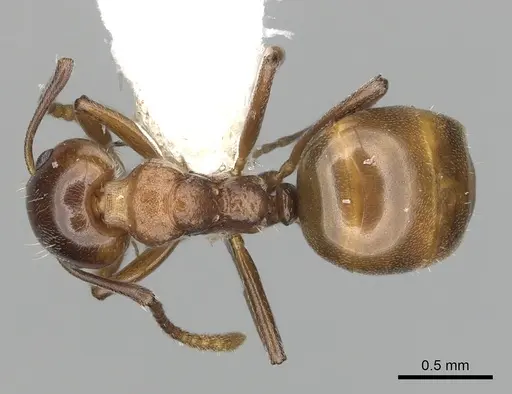
CASENT0249574
View on AntWeb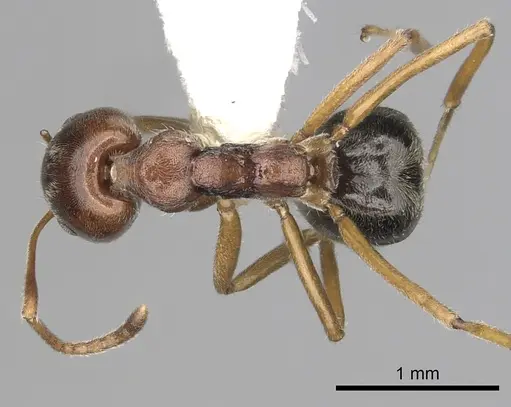
CASENT0866543
View on AntWeb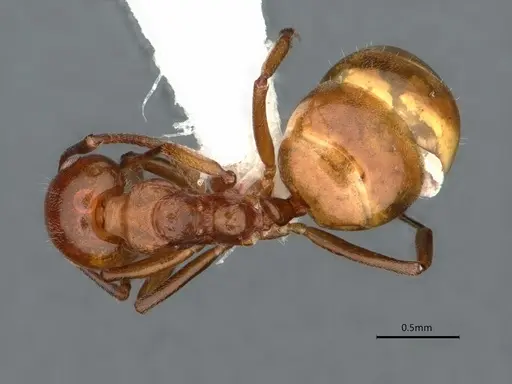
CASENT0886088
View on AntWeb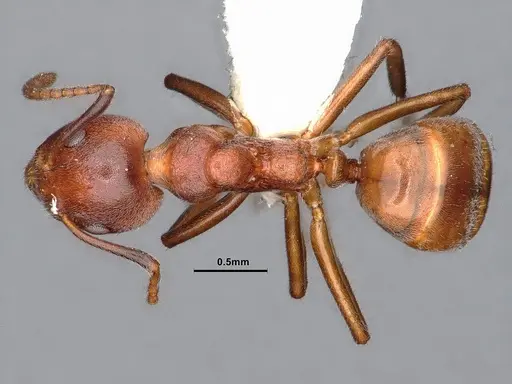
CASENT0886097
View on AntWeb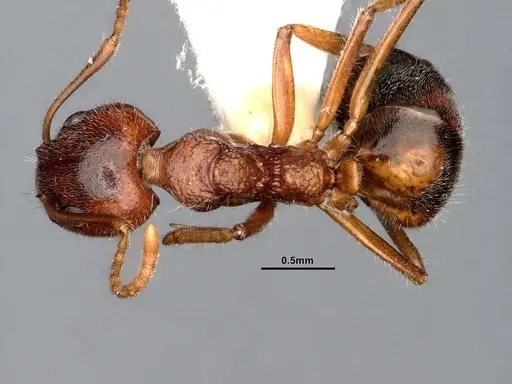
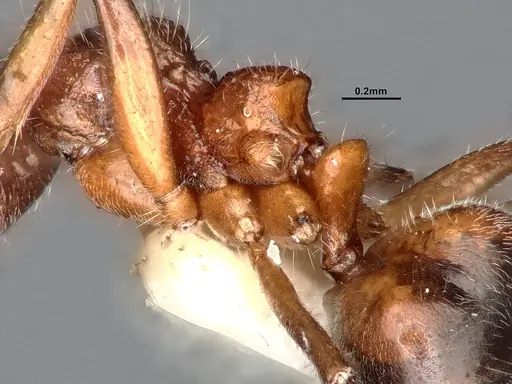
CASENT0902971
View on AntWeb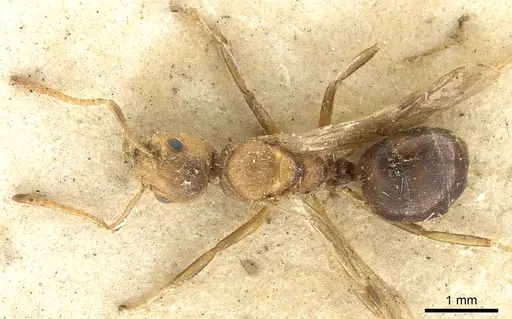
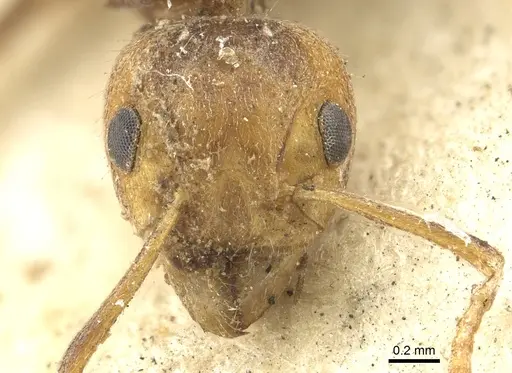
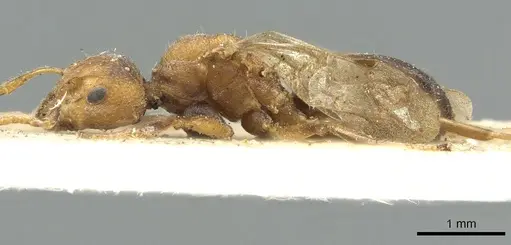
CASENT0902972
View on AntWeb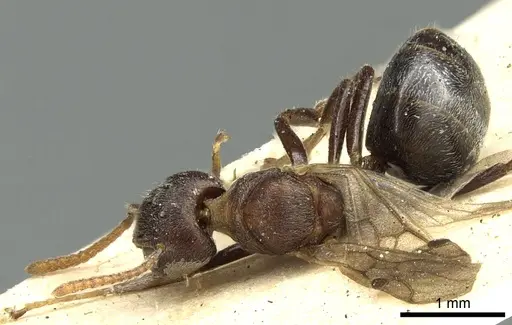
CASENT0902974
View on AntWeb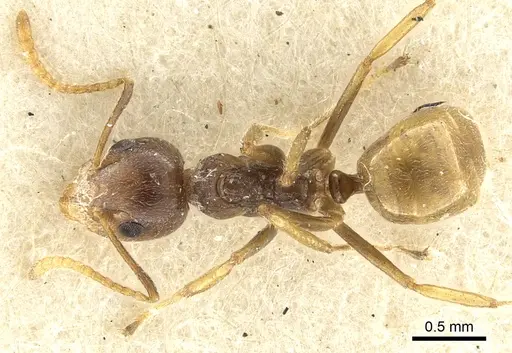
CASENT0902975
View on AntWeb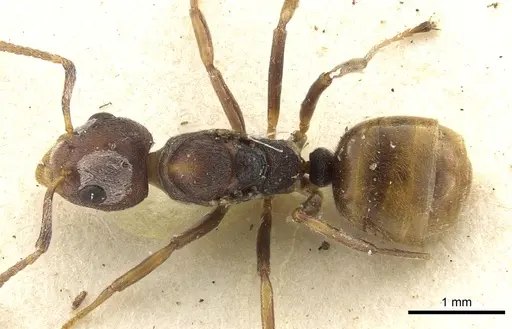
CASENT0909487
View on AntWeb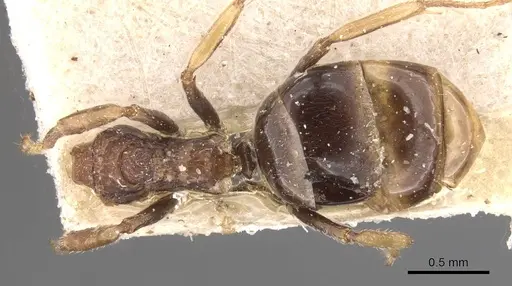
CASENT0909488
View on AntWeb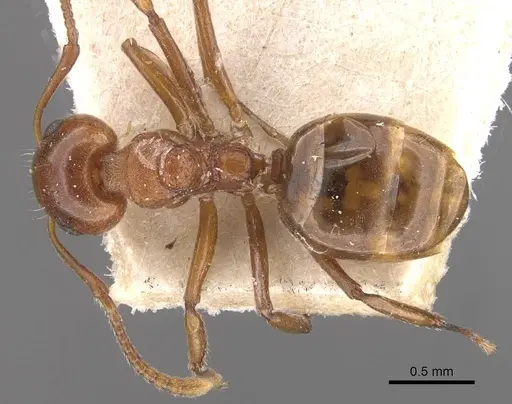
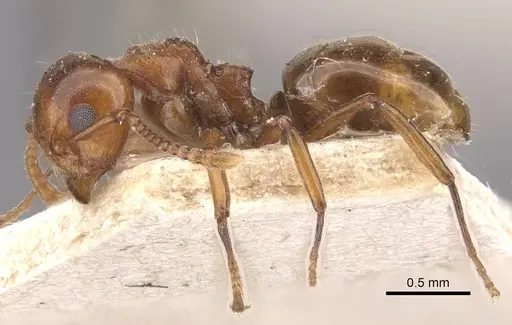
CASENT0909489
View on AntWeb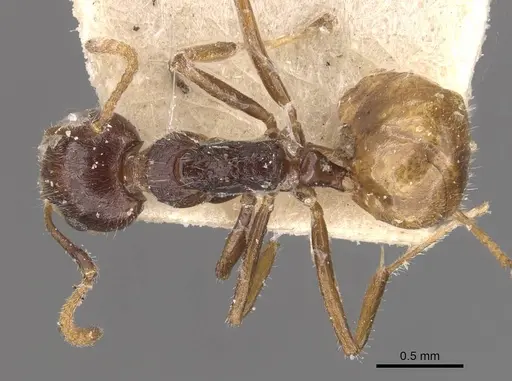
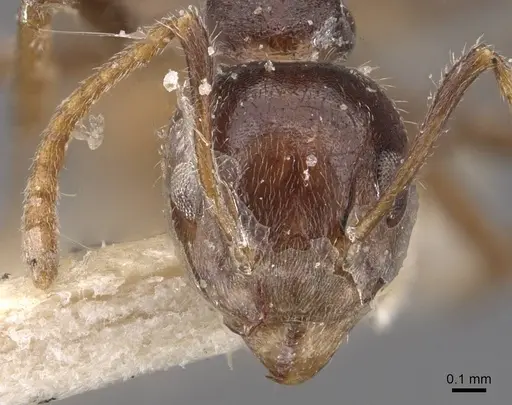
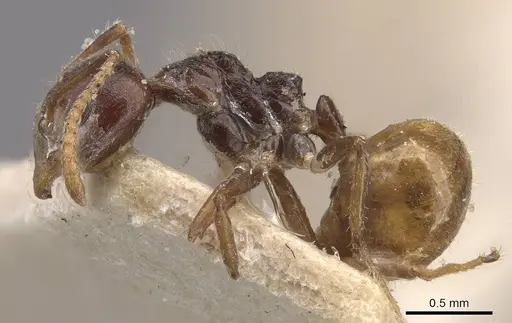
CASENT0911512
View on AntWeb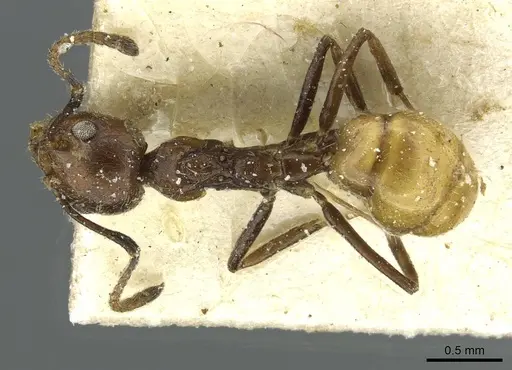
CASENT0911513
View on AntWeb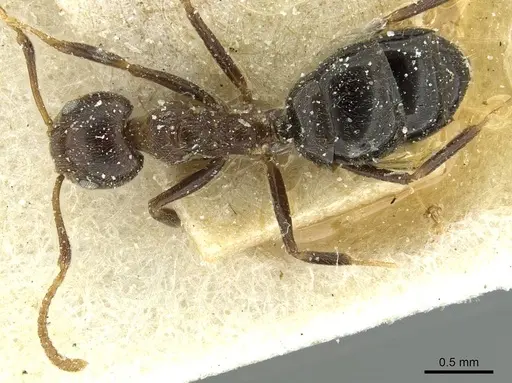
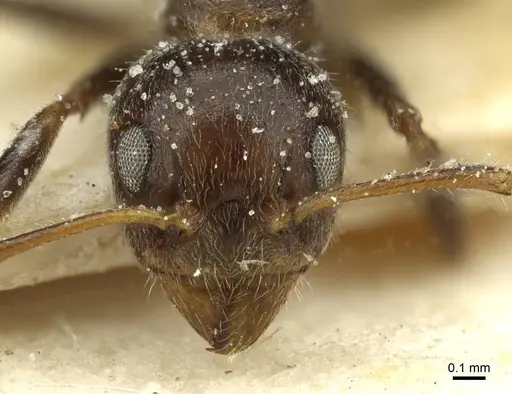
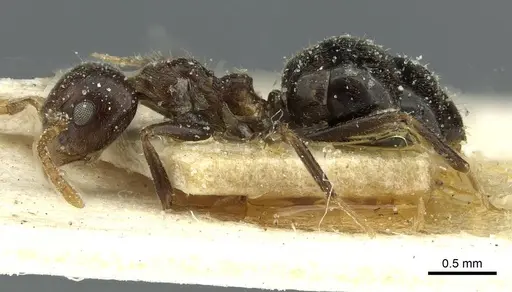
CASENT0915558
View on AntWeb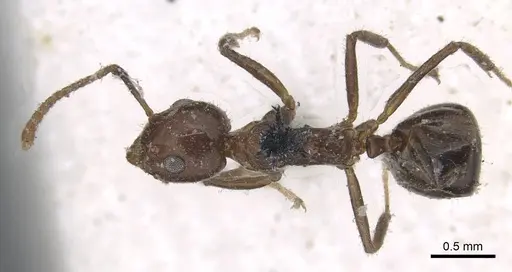
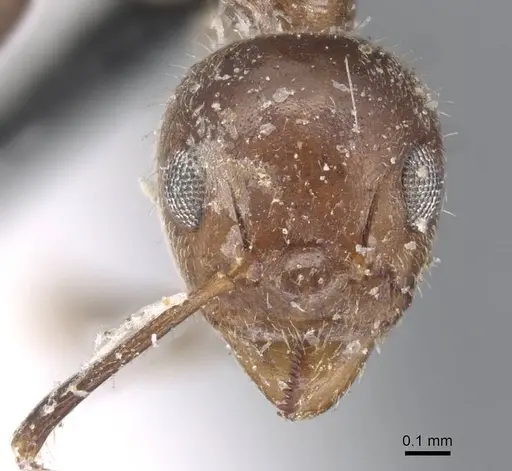
CASENT0915559
View on AntWeb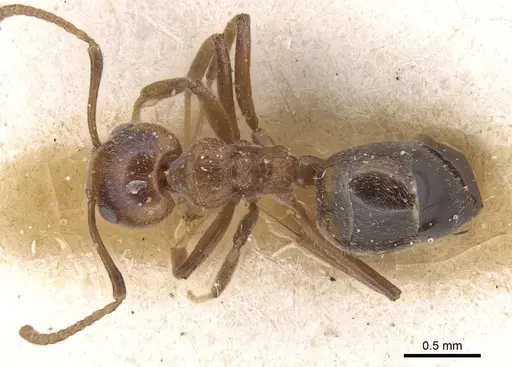
CASENT0917102
View on AntWeb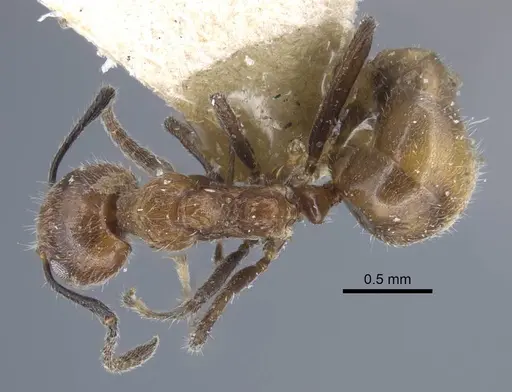
FOCOL2760
View on AntWeb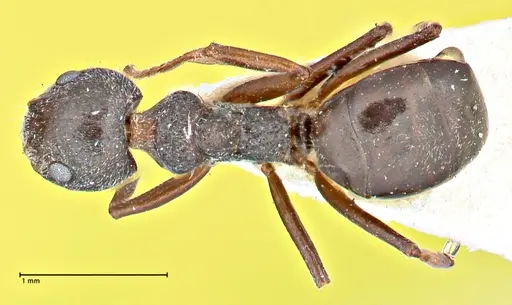
FOCOL2761
View on AntWeb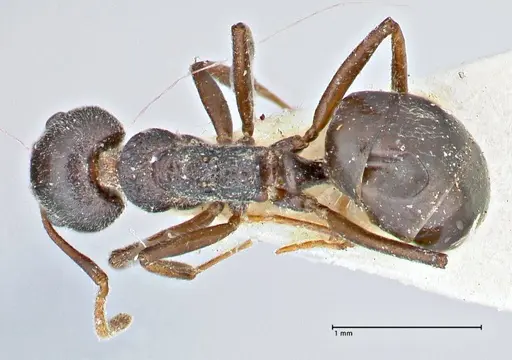
FOCOL2762
View on AntWeb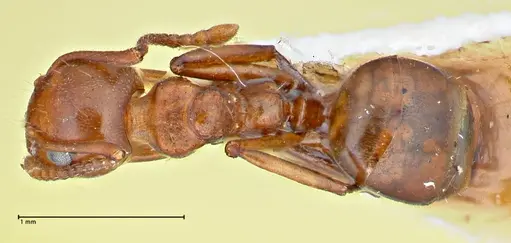
FOCOL2763
View on AntWeb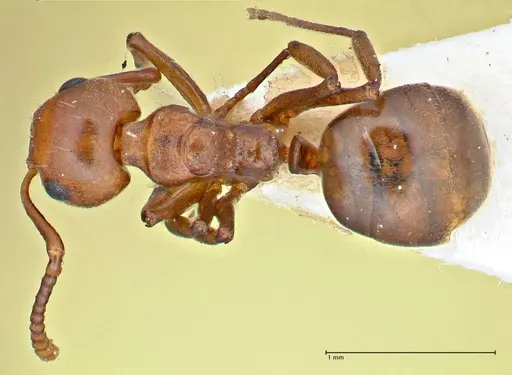
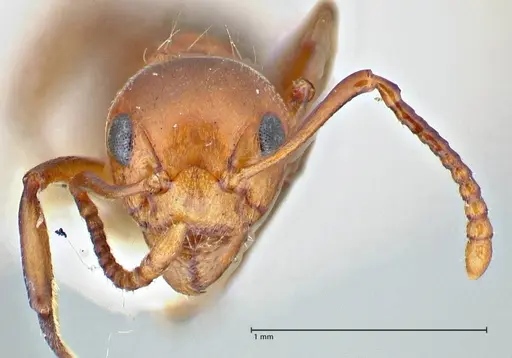
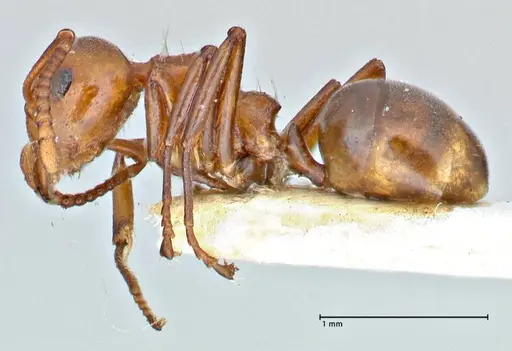
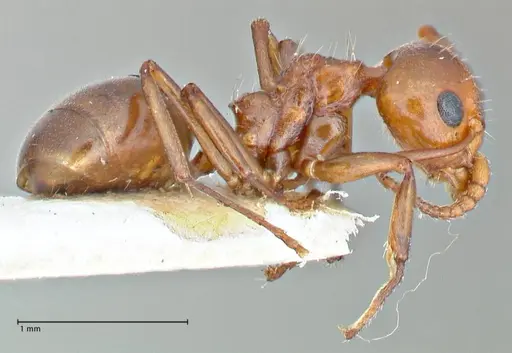
SMFHYM0008907
View on AntWeb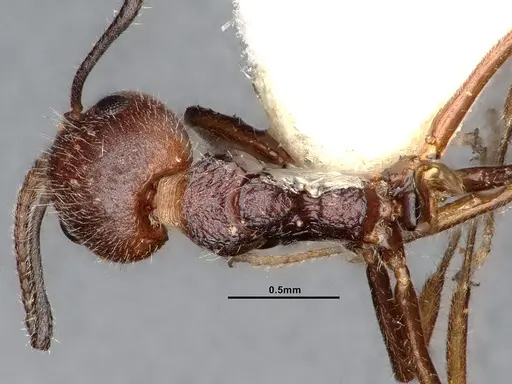
SMFHYM0008922
View on AntWeb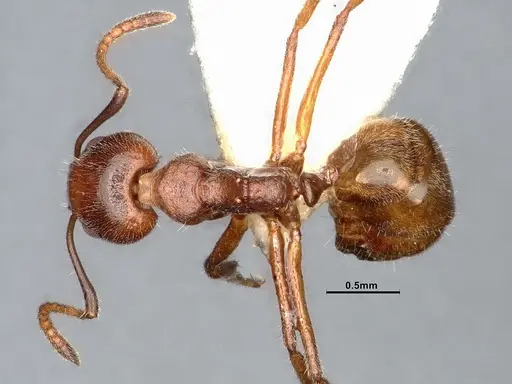
SMFHYM0008930
View on AntWeb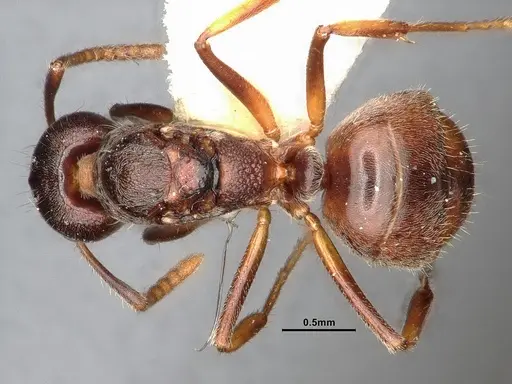
SMFHYM0008932
View on AntWeb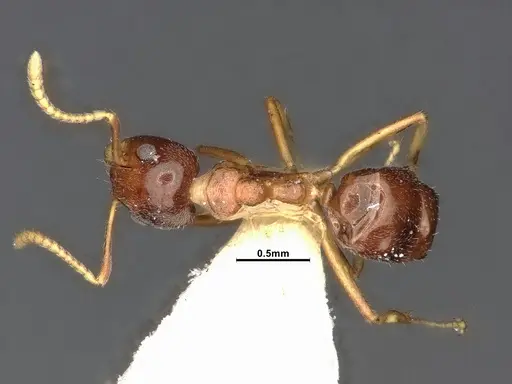
Literature
Loading...Loading products...