

Dolichoderus squamanodus
- Scientific Name
- Dolichoderus squamanodus
- Tribe
- Dolichoderini
- Subfamily
- Dolichoderinae
- Author
- Xu, 2001
- Distribution
- Found in 2 countries
Dolichoderus squamanodus Overview
Dolichoderus squamanodus is an ant species of the genus Dolichoderus. It is primarily documented in 2 countries , including China, Lao People's Democratic Republic. Detailed taxonomic data and occurrence records can be further explored via authoritative databases such as AntWeb or the Global Biodiversity Information Facility (GBIF).
Dolichoderus squamanodus
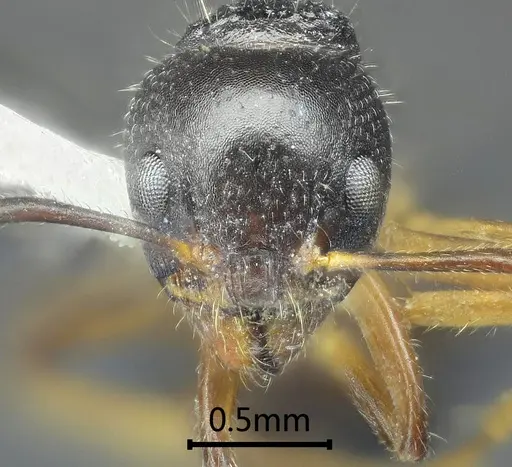
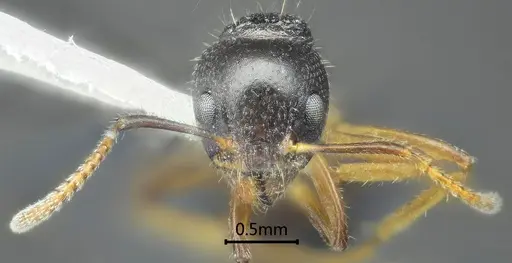
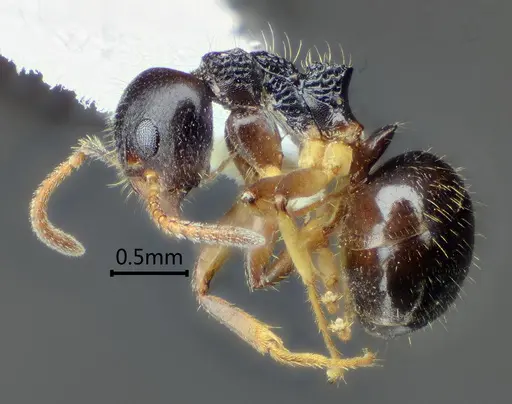
Dolichoderus squamanodus is a small, dark ant species native to Yunnan Province, China. Workers measure 2.7-3.7mm with a distinctive color pattern: the head and alitrunk (middle body section) are black, while the petiolar node and gaster (rear body) are brownish black. Their antennae, legs, and mandibles are yellowish brown. This species was described by Xu in 2001 and is known from seasonal rain forest and mountain rain forest habitats at elevations between 760m and 1120m in southern Yunnan. [1]
What makes this species interesting is its limited known distribution, it's endemic to Yunnan Province and represents an understudied component of China's ant biodiversity. The propodeum (the rear section of the thorax) is elevated and forms a horizontal plane, almost as high as the pronotum, which helps distinguish it from similar species. [1]
Quick Summary
- Difficulty: Unknown, likely Medium to Hard
- Origin & Habitat: Yunnan Province, China. Found in seasonal rain forest and mountain rain forest at elevations of 760-1120m. [1]
- Colony Type: Unconfirmed colony structure. Based on typical Dolichoderus patterns, likely single-queen colonies.
- Size & Growth:
- Queen: Unknown, not described in original description [1]
- Worker: 2.7-3.7mm (holotype 3.5mm) [1]
- Colony: Unknown, no colony size data available [1]
- Growth: Unknown, no development data available
- Development: Unknown, no direct measurements. Based on typical Dolichoderus patterns and small worker size, estimate 6-10 weeks at optimal temperature. (Development timeline is unconfirmed for this species. Estimates based on related Dolichoderus species.)
- Antkeeping:
- Temperature: Likely prefers warm, stable conditions typical of subtropical rain forest. Based on elevation (760-1120m) and habitat, aim for roughly 22-26°C. Adjust based on colony activity.
- Humidity: Requires higher humidity, they come from rain forest environments. Keep nest substrate consistently moist but not waterlogged. Provide a humidity gradient so ants can choose their preferred zone.
- Diapause: Unknown, likely experiences seasonal variation given the seasonal rain forest habitat. May require a slight cool period during winter months, but specific requirements are unconfirmed.
- Nesting: In nature they likely nest in rotting wood, under bark, or in soil in shaded forest areas. In captivity, a naturalistic setup with moist substrate or a Y-tong/plaster nest works well. Avoid drying out the nest.
- Behavior: Dolichoderus ants are generally not aggressive and rely on chemical defenses rather than stinging. They are moderate foragers and likely tend honeydew-producing insects. Their small size (under 4mm) means escape prevention is important, use fine mesh and tight-fitting barriers. They are not known to be escape artists but their tiny size means they can squeeze through small gaps.
- Common Issues: no colony size data makes it hard to plan for growth, start with small setup and be prepared to upgrade, humidity requirements are uncertain, monitor for drying out or mold issues, escape prevention is important due to small worker size, very limited availability in the antkeeping hobby, rarely available, no specific diet information means trial and error may be needed to determine accepted foods
Nest Preferences
In the wild, Dolichoderus squamanodus has been collected from seasonal rain forest and mountain rain forest habitats in Yunnan Province. The type specimens were found at elevations ranging from 760m to 1120m, suggesting they prefer shaded, humid microhabitats. Based on typical Dolichoderus nesting behavior, they likely nest in rotting wood, under loose bark, or in soil in protected forest areas. For captive care, a naturalistic setup with moist substrate works well. You could use a Y-tong (acrylic) nest with chambers scaled to their small size, or a plaster nest that holds humidity well. Avoid letting the nest dry out, these are rain forest ants that need consistent moisture. A small water tube or reservoir in the outworld helps maintain humidity. [1]
Feeding and Diet
The specific diet of Dolichoderus squamanodus has not been documented, but Dolichoderus genus ants typically feed on honeydew from aphids and scale insects, and supplement with small insects and arthropods. Based on related species, they likely accept sugar water or honey as an energy source, and need regular protein from small prey items like fruit flies, pinhead crickets, or other tiny insects. Start by offering sugar water constantly and small live prey 2-3 times per week. Remove uneaten prey after 24 hours to prevent mold. Since this species is small (under 4mm), prey items should be appropriately sized, very small insects or pre-killed pieces work better than large prey.
Temperature and Care
This species comes from subtropical rain forest in Yunnan at moderate elevations (760-1120m). Based on the habitat, they likely prefer warm but not hot conditions, roughly 22-26°C. The seasonal rain forest environment suggests they experience some temperature variation throughout the year. Use a heating cable on one side of the nest to create a temperature gradient if your room temperature falls below this range. Monitor colony activity, if workers cluster near the warm side, increase slightly, if they avoid it, reduce heat. Avoid temperatures above 30°C or below 18°C for extended periods. The specific overwintering requirements are unknown, but a slight cool period during winter months may be beneficial. [1]
Behavior and Temperament
Dolichoderus ants are generally calm and not particularly aggressive. They defend themselves through chemical secretions rather than stinging, which makes them safe to handle. Workers are small (2.7-3.7mm) and relatively docile. They are moderate foragers and likely form trails to food sources, similar to other Dolichoderus species. The main concern for keepers is their small size, they can squeeze through tiny gaps that larger ants cannot. Use excellent escape prevention with fine mesh barriers and tight-fitting lids. They are not known to be particularly good climbers or escape artists, but their diminutive size means even small gaps pose a risk. [1]
Colony Founding
The founding behavior of Dolichoderus squamanodus has not been directly documented. Based on typical Dolichoderus genus patterns, queens are likely claustral, they seal themselves in a chamber and survive entirely on stored fat reserves until their first workers emerge. The queen would not leave to forage during this time. Expect the founding chamber to be relatively small and enclosed. Once the first workers (nanitics) emerge, they will begin foraging for food to support the growing colony. The exact timeline from egg to first worker is unknown but estimated at 6-10 weeks based on related species.
Availability and Collection
Dolichoderus squamanodus is extremely rare in the antkeeping hobby. It is endemic to Yunnan Province, China, and has only been documented from a few locations in southern Yunnan. This species is not commonly available from suppliers and would be a rare find. If you do obtain a colony, it likely came from a specialist supplier who imported them or from field collection (which may require permits). Be cautious of the source, wild-caught colonies from this region may carry parasites or diseases. Captive-bred colonies are preferable when available.
Frequently Asked Questions
How long does it take for Dolichoderus squamanodus to produce first workers?
The exact development timeline is unknown for this species. Based on typical Dolichoderus patterns and their small worker size, estimate 6-10 weeks from egg to first worker at optimal temperature (around 24°C). This is an estimate, actual times may vary.
What do Dolichoderus squamanodus ants eat?
Specific diet is unconfirmed, but based on related Dolichoderus species, they likely accept sugar water or honey as an energy source and need small live or pre-killed insects for protein. Offer sugar water constantly and small prey items 2-3 times weekly.
What temperature do Dolichoderus squamanodus need?
Based on their rain forest habitat at 760-1120m elevation, aim for roughly 22-26°C. Start in the middle of this range and adjust based on colony behavior. Avoid temperatures above 30°C or below 18°C.
Are Dolichoderus squamanodus good for beginners?
Unknown difficulty, this species is extremely rare in the antkeeping hobby and basic biology is poorly documented. Proceed with caution and be prepared for a learning curve. If you're experienced with tropical ant species, you may have success. Beginners should start with better-documented species.
How big do Dolichoderus squamanodus colonies get?
Colony size is unknown, no data has been published on maximum colony size. Based on their small worker size (2.7-3.7mm) and typical Dolichoderus patterns, colonies likely reach several hundred workers at most, not massive supercolonies.
Do Dolichoderus squamanodus need hibernation?
Diapause requirements are unconfirmed. Based on their seasonal rain forest habitat, they likely experience some seasonal temperature variation. A slight cool period (15-18°C) during winter months may be beneficial but is not strictly required if kept at stable room temperature.
Can I keep multiple Dolichoderus squamanodus queens together?
Colony structure is unconfirmed. Based on typical Dolichoderus patterns, they likely form single-queen colonies. Combining unrelated queens has not been documented for this species and is not recommended.
What humidity level do Dolichoderus squamanodus need?
They come from rain forest habitats, so higher humidity is needed. Keep nest substrate consistently moist but not waterlogged. Provide a humidity gradient so ants can choose their preferred zone. Avoid both drying out and stagnant moisture.
Why are my Dolichoderus squamanodus dying?
Without specific data, common issues likely include: drying out (they need humidity), temperature stress (avoid extremes), escape (small size means they can slip through tiny gaps), and poor nutrition (offer varied diet). Monitor closely and adjust conditions gradually.
References

This caresheet is licensed under CC BY-SA 4.0 .
ANTWEB1060612
View on AntWeb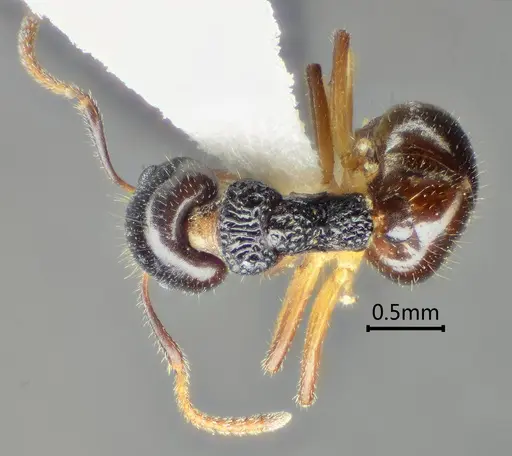
Literature
Loading...Loading products...