

Dolichoderus spinicollis
- Scientific Name
- Dolichoderus spinicollis
- Tribe
- Dolichoderini
- Subfamily
- Dolichoderinae
- Author
- Latreille, 1817
- Distribution
- Found in 1 countries
Dolichoderus spinicollis Overview
Dolichoderus spinicollis is an ant species of the genus Dolichoderus. It is primarily documented in 1 countries , including Brazil. Detailed taxonomic data and occurrence records can be further explored via authoritative databases such as AntWeb or the Global Biodiversity Information Facility (GBIF).
Dolichoderus spinicollis
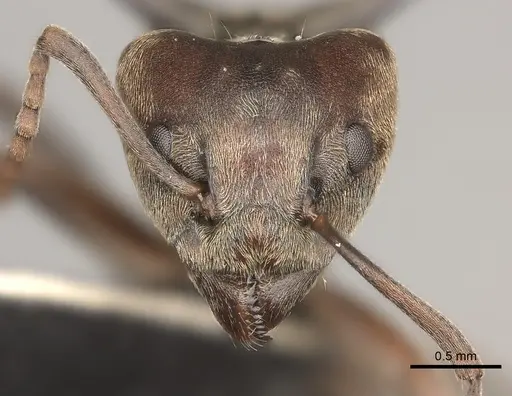
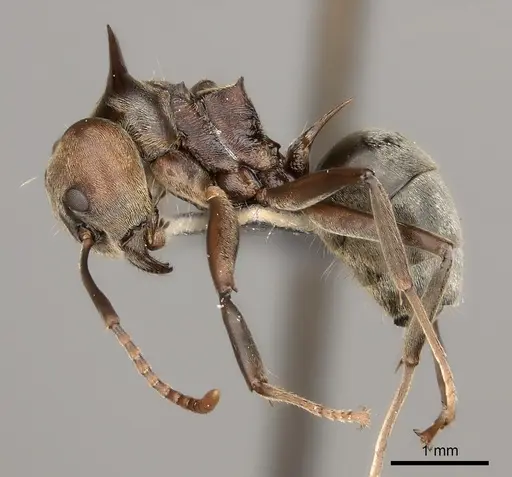
Dolichoderus spinicollis is a Neotropical ant species native to South America, found in Brazil, Colombia, and Venezuela. Workers are relatively small with a distinctive appearance featuring enormous pronotal spines that are much wider than the mesonotum, giving them a spiny-shouldered look. The posterior corners of the propodeum are dentate, and the head, antennal scapes, and legs lack erect hairs. This species belongs to the Dolichoderinae subfamily, which includes ants that lack a stinger and instead use chemical defenses. Colonies are typically found in forested habitats in the Amazon basin region.
Quick Summary
- Difficulty: Medium
- Origin & Habitat: Neotropical rainforests of Brazil, Colombia, and Venezuela. In Colombia, known only from the Putumayo region (PNN La Paya, Viviano-Cocha) [1][2]. Found in lowland tropical forest areas.
- Colony Type: Colony structure is unconfirmed. Most Dolichoderus species are monogyne (single queen colonies), but this has not been specifically documented for D. spinicollis.
- Founding: Claustral
- Size & Growth:
- Queen: Undocumented for this species. Based on related Dolichoderus species, likely 7-10mm.
- Worker: Approximately 3-4mm based on genus typical sizes [1].
- Colony: Likely moderate, similar to other Dolichoderus species, possibly several hundred workers. Not directly documented.
- Growth: Moderate, typical for tropical Dolichoderinae.
- Development: Estimated 6-8 weeks at tropical temperatures (25-28°C) based on genus patterns. Not directly studied for this species. (Development time is estimated from related Dolichoderus species, actual timeline may vary.)
- Antkeeping:
- Temperature: Keep at 24-28°C. As a Neotropical species from lowland rainforests, they need warm, stable temperatures. A heating cable on one side of the nest creates a suitable gradient.
- Humidity: High humidity required, aim for 70-85%. These forest-dwelling ants need moist substrate conditions. Keep the nest substrate consistently damp but not waterlogged.
- Diapause: No, as a tropical species, they do not require hibernation. Keep temperatures stable year-round.
- Nesting: In nature, they likely nest in rotting wood, under bark, or in soil cavities in forest habitats. In captivity, a Y-tong (AAC) nest or plaster nest with good humidity retention works well. Provide a moist nesting environment with some dry areas for the ants to regulate humidity themselves.
- Behavior: Dolichoderus ants are generally not aggressive and lack a stinger. They defend through chemical secretions from their anal gland. Workers are active foragers that likely hunt small insects and tend aphids for honeydew. They have moderate escape risk due to their small size, use standard barrier methods. They are diurnal and relatively active throughout the nest.
- Common Issues: high humidity can lead to mold growth if ventilation is poor, balance humidity with adequate airflow, tropical species are sensitive to temperature drops below 20°C, avoid cold drafts, small colony size means founding colonies are fragile and easily stressed, limited availability in the antkeeping hobby due to restricted range
Housing and Nest Setup
Dolichoderus spinicollis does best in a humid nest setup that mimics their natural forest floor habitat. A Y-tong (AAC) nest or plaster formicarium works well, both hold moisture well while providing dark chambers for the colony. The chambers should be appropriately sized for their small worker size of 3-4mm. Connect the nest to an outworld using tubing that is also appropriately scaled, these tiny ants can squeeze through surprisingly small gaps, so ensure connections are snug. Provide a water test tube as a humidity source attached to the nest. Because they come from humid tropical forests, the nest substrate should remain consistently moist but never sitting in standing water. [1]
Feeding and Diet
In the wild, Dolichoderus species are omnivorous, they hunt small insects and arthropods, and also tend aphids and scale insects for honeydew. In captivity, offer a varied diet: protein sources like small fruit flies, pinhead crickets, or small mealworms work well. Sugar sources like honey water or sugar water should be available constantly, these ants will readily accept sweet liquids. Feed protein prey 2-3 times per week, and replace sugar water every few days. Remove any uneaten prey after 24 hours to prevent mold. Since they're small ants, portion sizes should be tiny, a few fruit flies or a drop of honey water is sufficient for a developing colony.
Temperature and Humidity Management
As a Neotropical species from Brazil, Colombia, and Venezuela, Dolichoderus spinicollis needs warm, humid conditions. Keep the nest area at 24-28°C, use a heating cable on one side of the nest if your room temperature is below this range. Place the heating on top of the nest material, not underneath, to avoid drying out the substrate too quickly. Humidity should be high, around 70-85%. You can achieve this by keeping the nest substrate moist and connecting a water test tube. Monitor for condensation, some condensation is good, but excessive dripping indicates too much moisture. Good ventilation is also important to prevent mold while maintaining humidity. [2]
Colony Development and Growth
A newly mated queen will seal herself in a chamber and lay eggs without leaving to forage, this is called claustral founding. She will survive on her stored fat reserves while raising the first brood. The first workers (called nanitics) are typically smaller than mature workers. Based on genus patterns, expect the first workers to emerge in 6-8 weeks when kept at optimal temperatures. Growth rate is moderate, the colony will gradually expand over several months. These ants likely form colonies of several hundred workers in the wild. Be patient with founding colonies, they are fragile and growth can seem slow until the first major worker batch hatches.
Behavior and Temperament
Dolichoderus spinicollis workers are relatively calm and not prone to biting or stinging. Like all Dolichoderinae ants, they lack a stinger and instead defend themselves by secreting chemicals from their anal gland, this can be unpleasant but is not dangerous to humans. Workers are active foragers that will search the outworld for food. They are diurnal, being most active during daylight hours. Their small size means they can escape through tiny gaps, check that all connections and barriers are secure. They do not exhibit aggressive swarming behavior, making them manageable even when the colony grows large.
Frequently Asked Questions
How long does it take for Dolichoderus spinicollis to produce first workers?
Expect first workers in 6-8 weeks at optimal temperatures of 25-28°C. This is estimated from related Dolichoderus species since specific development data for D. spinicollis is not available.
What temperature do Dolichoderus spinicollis ants need?
Keep them at 24-28°C. As a Neotropical species from Brazil, Colombia, and Venezuela, they need warm, stable temperatures. Avoid temperatures below 20°C as this can stress or kill them.
Can I keep multiple Dolichoderus spinicollis queens together?
This has not been documented for this specific species. Most Dolichoderus species are monogyne (single queen), but colony structure for D. spinicollis is unconfirmed. It is not recommended to combine unrelated foundress queens as they may fight.
What do Dolichoderus spinicollis ants eat?
They are omnivorous. Offer small protein sources like fruit flies, pinhead crickets, or small mealworms 2-3 times per week. Also provide a constant sugar source like honey water or sugar water. They will also accept honeydew if available.
Are Dolichoderus spinicollis good for beginners?
They are rated as Medium difficulty. They require warm, humid tropical conditions that may need active management. Their small size and specific humidity needs make them better suited for keepers with some antkeeping experience rather than complete beginners.
Do Dolichoderus spinicollis need hibernation?
No, they do not require hibernation. As a tropical species from the Amazon basin, they need stable warm temperatures year-round. Do not expose them to cold temperatures or attempt to cool them for winter.
How big do Dolichoderus spinicollis colonies get?
Colony size is not directly documented, but based on related Dolichoderus species, colonies likely reach several hundred workers. They are not among the largest ant species.
What humidity level do Dolichoderus spinicollis need?
High humidity around 70-85% is needed. Keep the nest substrate consistently moist but not waterlogged. Some condensation in the nest is normal and indicates good humidity.
When should I move my Dolichoderus spinicollis to a formicarium?
Wait until the colony has at least 20-30 workers and is actively using the outworld for foraging. Moving too early can stress a fragile founding colony. A test tube setup works well for founding colonies, transition to a larger nest once the colony outgrows the tube.
References

This caresheet is licensed under CC BY-SA 4.0 .
CASENT0217405
View on AntWeb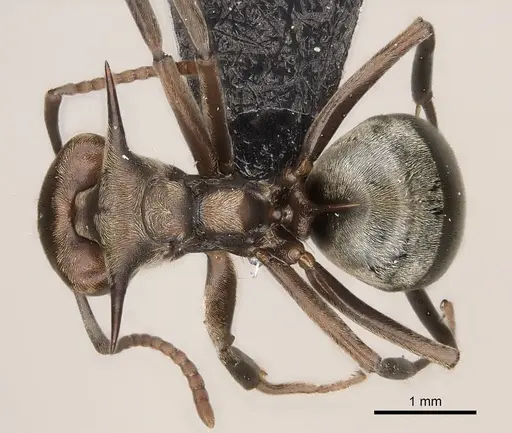
Literature
Loading...Loading products...