

Dolichoderus smithi
- Scientific Name
- Dolichoderus smithi
- Tribe
- Dolichoderini
- Subfamily
- Dolichoderinae
- Author
- MacKay, 1993
- Distribution
- Found in 3 countries
Dolichoderus smithi Overview
Dolichoderus smithi is an ant species of the genus Dolichoderus. It is primarily documented in 3 countries , including Bolivia, Plurinational State of, French Guiana. Detailed taxonomic data and occurrence records can be further explored via authoritative databases such as AntWeb or the Global Biodiversity Information Facility (GBIF).
Dolichoderus smithi
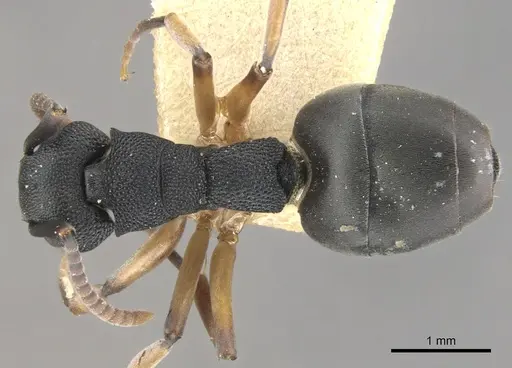
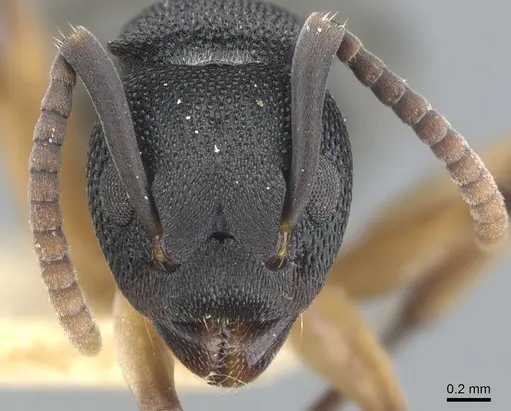
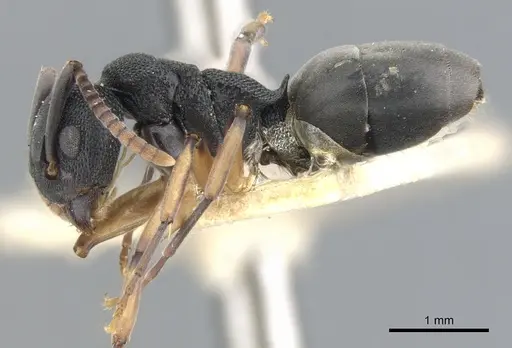
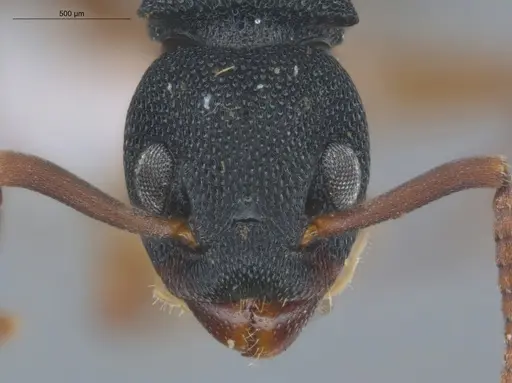
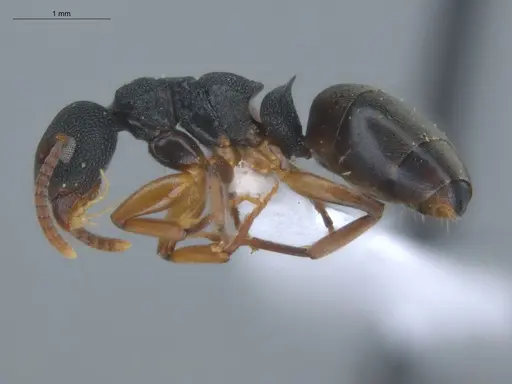
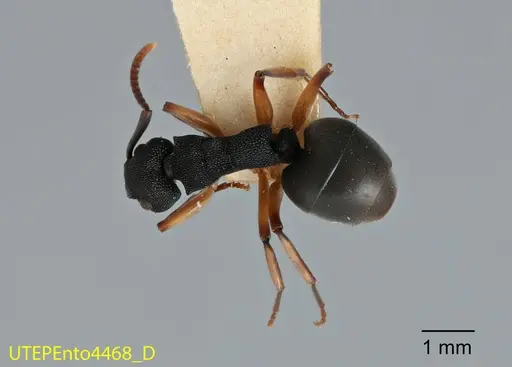
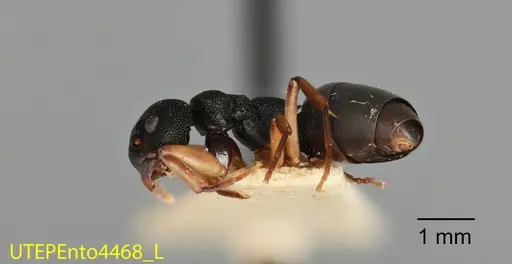
Dolichoderus smithi is a Neotropical ant species belonging to the subfamily Dolichoderinae. Workers are relatively small ants with the characteristic dolichoderine feature of a single petiole (waist segment) between the thorax and abdomen. The genus Dolichoderus is known for their ability to produce and spray formic acid as a defense mechanism, though the exact behavior of this species is unconfirmed. This species was described from Bolivia in 1993 and has since been recorded in Brazil and French Guiana. Found in urban green areas in Brazil, these ants appear to adapt to modified habitats while maintaining their presence in Neotropical ecosystems [1][2].
Quick Summary
- Difficulty: Medium
- Origin & Habitat: Neotropical region, found in Bolivia, Brazil, and French Guiana. Habitat data from Brazil shows occurrence in urban public squares, suggesting tolerance for modified landscapes [1][2].
- Colony Type: Colony structure is unconfirmed. Only the worker caste has been described. Based on typical Dolichoderus patterns, colonies likely have a single queen (monogyne), though this requires confirmation.
- Size & Growth:
- Queen: Estimated 7-9mm based on genus patterns, not directly measured for this species
- Worker: Approximately 3-4mm based on genus descriptions [2]
- Colony: Unknown, no colony size data available for this species
- Growth: Moderate, estimated based on typical Dolichoderus development
- Development: Estimated 6-8 weeks based on related Dolichoderus species at optimal temperatures (Timeline is inferred from genus-level data since species-specific development has not been studied)
- Antkeeping:
- Temperature: Keep around 24-28°C based on Neotropical origin. A gentle temperature gradient allows workers to regulate their preferred zone. Avoid temperatures below 20°C or above 32°C.
- Humidity: Moderate humidity around 60-80%. These ants tolerate some variation but prefer consistent moisture. Provide a water source and ensure the nest substrate doesn't dry out completely.
- Diapause: No, as a Neotropical species, they do not require hibernation. Maintain consistent temperatures year-round.
- Nesting: In captivity, they do well in Y-tong (acrylic) nests or test tube setups with moist substrate. They may accept nesting in rotting wood or bark-based setups. Provide dark nesting areas as they prefer dim conditions.
- Behavior: Dolichoderus ants are generally less aggressive than some genera but will defend their colony vigorously. Workers are active foragers that search for honeydew and small insects. They have the ability to spray formic acid when threatened. Their small worker size (3-4mm) means escape prevention should be a priority, they can squeeze through small gaps. They are fast-moving and alert, with good navigation abilities.
- Common Issues: escape prevention is critical due to their small size, use fine mesh and tight-fitting barriers, limited availability in the antkeeping hobby since they are rarely kept, temperature drops below 20°C can stress colonies and slow development, overfeeding can lead to mold issues in enclosed nest setups, wild-caught colonies may have parasites that are difficult to detect
Housing and Nest Setup
Dolichoderus smithi can be kept in standard ant keeping setups including test tubes with water reservoirs, Y-tong (acrylic) nests, or plaster nests. Given their small worker size of approximately 3-4mm, ensure all connections and barriers are secure. They prefer darker nesting conditions, so consider using an opaque outer wrapper or placing the nest in a shaded area. A small outworld for foraging allows you to observe their hunting and collection behaviors. Provide a shallow water dish and ensure humidity is maintained by occasional misting or a water reservoir connected to the nest. [2]
Feeding and Diet
Like other Dolichoderus species, these ants are omnivorous with a preference for sweet liquids and protein. Offer sugar water, honey, or diluted honey water as a constant carbohydrate source. For protein, provide small insects such as fruit flies, small mealworms, or cricket pieces. They will also collect honeydew from aphids if available. Feed protein sources 2-3 times per week, removing any uneaten prey after 24 hours to prevent mold. Fresh water should always be available. [2]
Temperature and Seasonal Care
As a Neotropical species from Bolivia, Brazil, and French Guiana, Dolichoderus smithi prefers warmer temperatures in the range of 24-28°C. Maintain this consistently year-round as they do not require hibernation or diapause. A temperature gradient is beneficial, allowing workers to move between warmer and cooler areas of the nest. Avoid placing the setup near air conditioning vents or in rooms that experience significant temperature fluctuations. If your room temperature falls below 22°C, consider using a heating cable on one side of the nest to maintain optimal conditions. [1]
Behavior and Defense
Dolichoderus ants possess a specialized gland system that allows them to produce and spray formic acid as a defense mechanism. While this species is not considered highly aggressive, disturbed workers may release this irritant. The spray can cause discomfort if it contacts skin or eyes, so handle with care and avoid disturbing the colony unnecessarily. Workers are active and fast-moving, with good foraging behavior. They establish well-defined foraging trails when food sources are discovered. Their small size makes them excellent at navigating complex terrain but also means they can escape through surprisingly small gaps. [2]
Colony Development
The colony development timeline for this specific species has not been documented. Based on typical Dolichoderus patterns, expect the following: after mating, the queen will establish a nesting chamber and begin laying eggs. The first brood typically develops over 6-8 weeks under optimal warm conditions (around 26°C). The first workers (nanitics) will be smaller than mature workers and will take over foraging duties while the queen continues laying eggs. Colony growth is moderate, a healthy colony may reach several hundred workers over 1-2 years under good conditions. Regular feeding with protein and sugar sources supports rapid colony development.
Frequently Asked Questions
How long does it take for Dolichoderus smithi to produce first workers?
The exact timeline for this species is unconfirmed, but based on related Dolichoderus species, expect 6-8 weeks from egg to first worker at optimal temperatures (around 26°C). Factors like temperature, feeding quality, and queen health can affect this timeline.
What do Dolichoderus smithi ants eat?
They are omnivorous. Offer sugar water or honey as a constant carbohydrate source, and protein such as small insects (fruit flies, small mealworms, cricket pieces) 2-3 times per week. They will also collect honeydew if aphids are available.
What temperature do Dolichoderus smithi need?
Keep them warm at 24-28°C. As a Neotropical species from Bolivia, Brazil, and French Guiana, they do not tolerate cool temperatures well. Avoid dropping below 20°C.
Are Dolichoderus smithi good for beginners?
This species is rated as Medium difficulty. While not the most challenging, they are rarely available in the antkeeping hobby and have specific temperature requirements. They are better suited for keepers with some experience who can maintain warm, stable conditions.
How big do Dolichoderus smithi colonies get?
Colony size data is not available for this specific species. Based on typical Dolichoderus patterns, expect colonies to reach several hundred workers over 1-2 years with good care.
Do Dolichoderus smithi need hibernation?
No. As a Neotropical species, they do not require hibernation or winter cooling. Maintain warm temperatures (24-28°C) year-round.
Can I keep multiple Dolichoderus smithi queens together?
The colony structure of this species is unconfirmed. Dolichoderus species are typically monogyne (single queen), but some can be polygynous. Without specific data for D. smithi, it is not recommended to combine unrelated queens.
What size nest do Dolichoderus smithi need?
Use a nest with appropriately scaled chambers for their small 3-4mm workers. Y-tong nests or test tube setups work well. Ensure all connections are secure as their small size allows them to escape through tiny gaps.
Where is Dolichoderus smithi found?
This species is found in the Neotropical region: Bolivia, Brazil, and French Guiana. Studies in Brazil show they can occur in urban green areas like public squares.
References

This caresheet is licensed under CC BY-SA 4.0 .
Literature
Loading...Loading products...