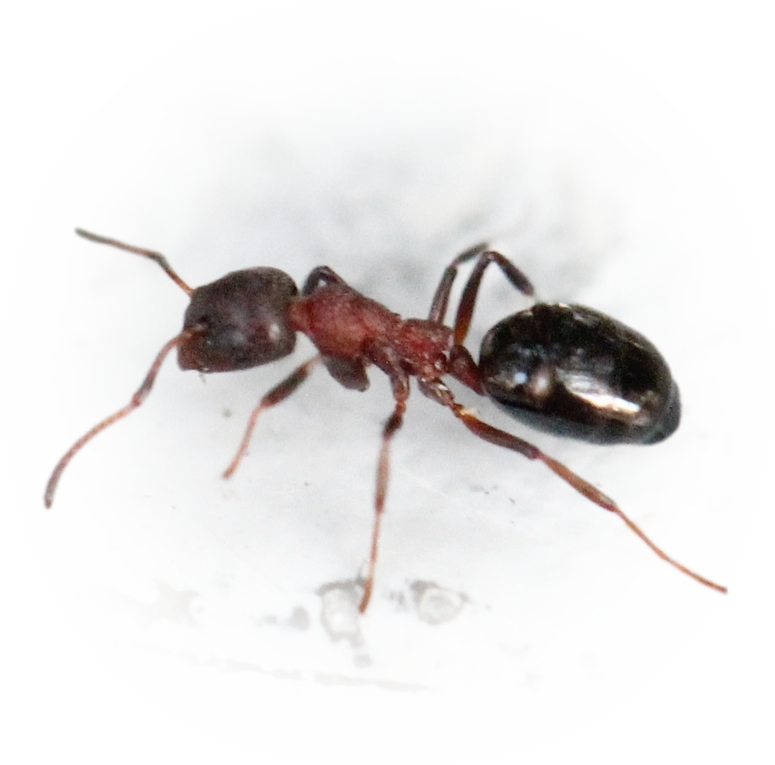

Dolichoderus sibiricus
- Scientific Name
- Dolichoderus sibiricus
- Tribe
- Dolichoderini
- Subfamily
- Dolichoderinae
- Author
- Emery, 1889
- Distribution
- Found in 6 countries
Dolichoderus sibiricus Overview
Dolichoderus sibiricus is an ant species of the genus Dolichoderus. It is primarily documented in 6 countries , including China, Hong Kong, Japan. Detailed taxonomic data and occurrence records can be further explored via authoritative databases such as AntWeb or the Global Biodiversity Information Facility (GBIF).
Dolichoderus sibiricus
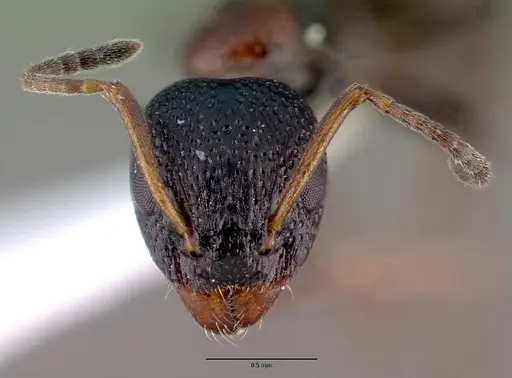
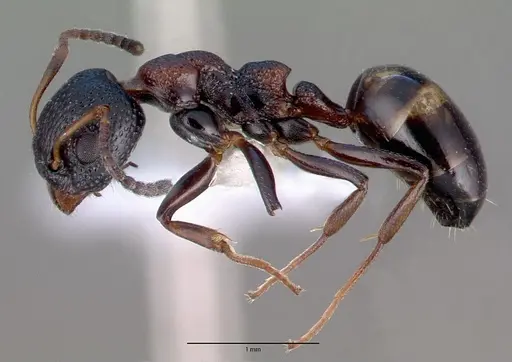
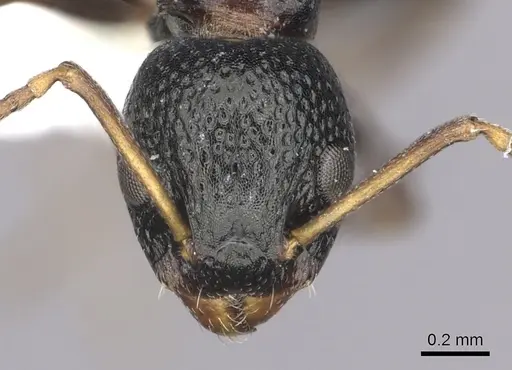
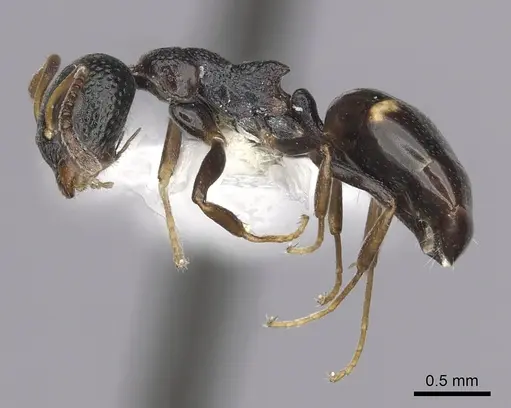
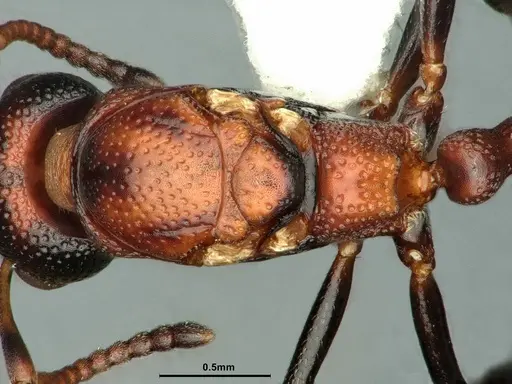
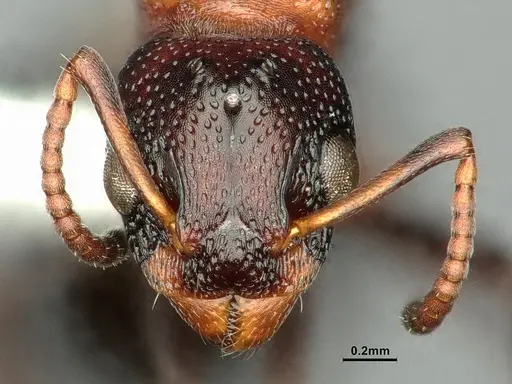
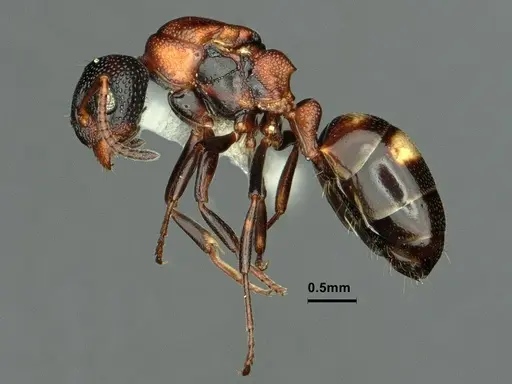
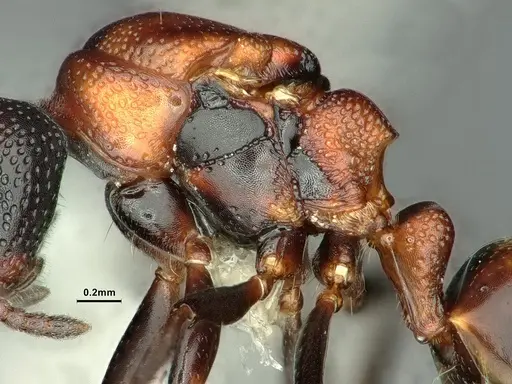
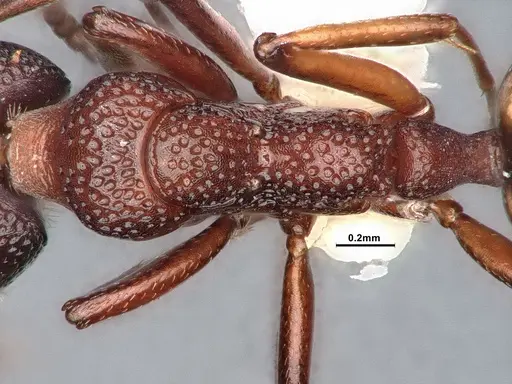
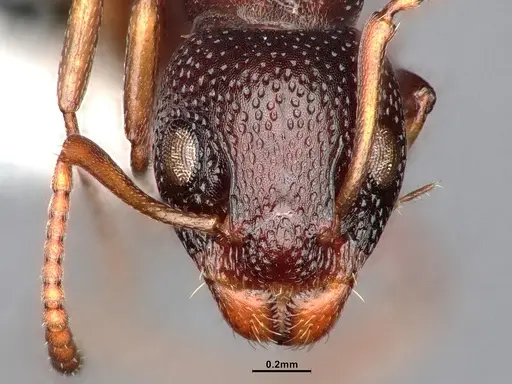
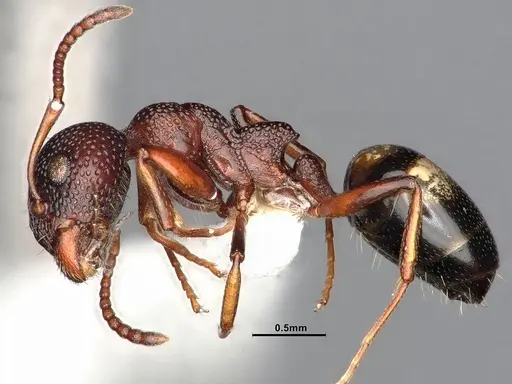
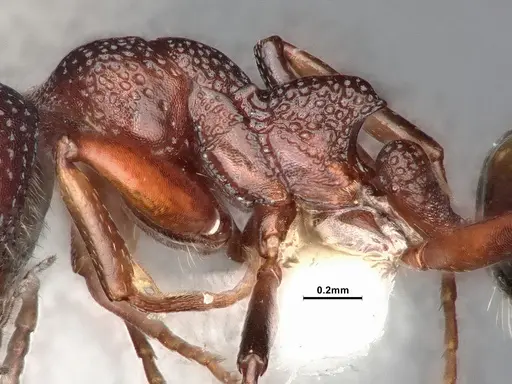
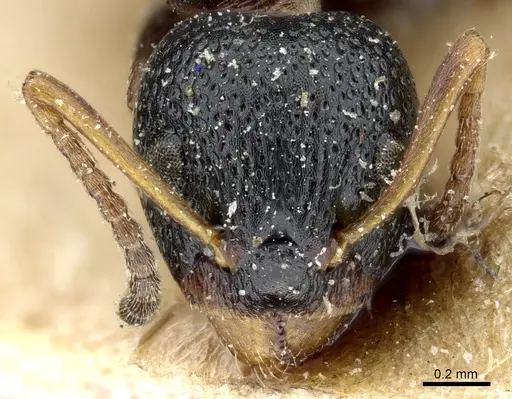
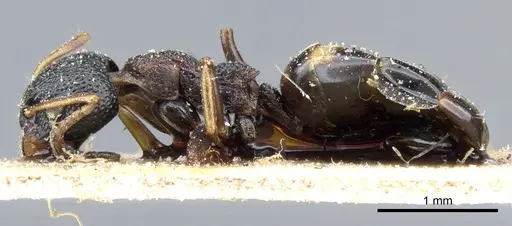
Dolichoderus sibiricus is a small arboreal ant native to the Palearctic region, found across Russia (Siberia, Far East), Mongolia, China, the Korean Peninsula, and Japan. Workers measure 2.8-3.8mm with a distinctive appearance: the head, mesosoma, and petiole are deep reddish-brown to red, while the gaster is black with two pairs of yellowish-white spots on the first and second abdominal segments [1][2][3]. This species is truly arboreal, nesting in dead branches, decaying wood, and under tree bark, then foraging along tree trunks [3]. Unlike many ants that nest underground, you'll find these ants high up in trees in their natural habitat.
Quick Summary
- Difficulty: Medium
- Origin & Habitat: Palearctic region, Russia (Siberia, Far East, Krasnoyarsk), Mongolia, China (multiple provinces), Korean Peninsula, Japan (Hokkaido, Honshu, Shikoku, Kyushu). Found in nemoral forests and broadleaf forests, particularly at forest edges, clearings, and areas with early-decomposition trees [4][5][3].
- Colony Type: Likely monogyne (single-queen colonies). Workers are monomorphic with no documented ergatoid replacement reproductives. Colony size data is limited but appears moderate based on related species.
- Colony: Monogyne
- Size & Growth:
- Queen: Estimated 5-6mm based on genus patterns (queen described in Kupyanskaya 1990 but measurements not available)
- Worker: 2.8-3.8mm [1][2]
- Colony: Unknown, likely several hundred workers based on similar Dolichoderus species
- Growth: Moderate, estimated based on genus patterns
- Development: Estimated 6-10 weeks at optimal temperature (typical for Dolichoderus genus) (Direct development data unavailable, estimate based on related species patterns)
- Antkeeping:
- Temperature: Start around 20-24°C. As a temperate species from Siberia and northern Japan, they prefer cooler conditions than tropical ants. Adjust based on colony activity, if workers cluster near heat, increase slightly, if they avoid heated areas, reduce temperature.
- Humidity: Moderate to high (60-80%). Being arboreal nesters in forest environments, they prefer damp but not waterlogged conditions. Provide a water tube and occasional misting, but ensure good ventilation to prevent mold.
- Diapause: Likely yes, as a species native to Siberia and northern Japan, they almost certainly require a winter rest period. Provide 3-4 months at 5-10°C ( refrigerator or cold garage) from late autumn through early spring.
- Nesting: Arboreal specialists. They naturally nest in dead branches, decaying wood, and under bark. In captivity, they do well in wooden formicaria, Y-tong nests with wood inserts, or naturalistic setups with cork bark pieces. Avoid fully artificial acrylic nests unless they have wood/plant material added.
- Behavior: Generally calm and non-aggressive foragers. They are truly arboreal, they spend most of their time on trees and can be found foraging along trunks. They have a stinger but their toxicity is described as relatively mild [6]. Escape risk is moderate since workers are around 3mm, standard barriers work well but check for small gaps. They are active foragers and will search for honeydew and small prey on vertical surfaces.
- Common Issues: arboreal nature means they need vertical space and climbing structures, horizontal-only nests may cause stress, colonies may be slow to establish initially due to their naturally small colony sizes, winter die-off is possible if proper diapause is not provided, wild-caught colonies may have parasites, quarantine and observe new colonies, bamboo tube or wood-based nests are essential, they reject fully artificial enclosures
Nest Preferences and Housing
Dolichoderus sibiricus is an arboreal species, meaning they naturally live in trees. In the wild, they nest in dead tree trunks, decaying branches, under bark, and even in bamboo cavities [7][3]. This is critical for their captive care, they do NOT do well in standard test tube setups or fully artificial acrylic formicaria. The best housing options include: (1) Y-tong nests with wood inserts or cork bark pieces, (2) wooden formicaria designed for arboreal species, (3) naturalistic setups with vertical branches, cork bark, and moist substrate. They need vertical climbing space and surfaces to walk on, not just horizontal chambers. A small outworld with branches or cork bark pieces allows them to forage naturally. Keep the nest area humid but ensure good ventilation to prevent mold in the wooden components.
Feeding and Diet
Like most Dolichoderus ants, D. sibiricus likely feeds on honeydew (the sugary waste from aphids and scale insects) and small insects. In captivity, offer a mix of sugar sources (honey water, sugar water, or commercial ant nectar) and protein foods (small crickets, mealworms, fruit flies). They are foragers along tree trunks in the wild, so place food on vertical surfaces or branches in the outworld rather than on the floor. Feed sugar water constantly (via a cotton swab or small container) and offer protein 2-3 times per week. Remove uneaten prey after 24-48 hours to prevent mold. While not directly studied, their diet likely mirrors other Dolichoderus species, they are not strict predators but opportunists that exploit honeydew and small arthropods. [3]
Temperature and Seasonal Care
As a species native to Siberia and northern Japan, D. sibiricus prefers cooler temperatures than many commonly kept ants. Aim for 20-24°C in the nest area, this is cooler than tropical species but matches their temperate origin. Room temperature is often suitable if your home stays in this range. A heating cable on one side of the nest can create a beneficial gradient, but many keepers find room temperature works well. More critical is their winter rest period. From late autumn (around November) through early spring (March), provide 3-4 months of cold temperatures at 5-10°C. This can be achieved in a refrigerator, unheated garage, or basement. Do not skip this dormancy period, it is essential for colony health and queen reproduction. Signs of proper diapause include reduced activity and clustering in cooler areas of the nest. [3][4][5]
Behavior and Colony Dynamics
D. sibiricus is a calm, non-aggressive species with mild sting toxicity [6]. Workers are monomorphic (all the same size) and forage primarily along tree trunks, they are truly arboreal [8]. Colonies are likely monogyne (single queen) based on the monomorphic worker caste and lack of documented ergatoid reproductives. They are not aggressive defenders but will use their stinger if threatened. Foraging activity is highest during the day, reflecting their arboreal lifestyle. Nuptial flights occur in September-October in Japan, with winged reproductives emerging in the afternoon and flying until dawn [3]. In captivity, they are interesting to watch as workers systematically search vertical surfaces for food. Their small size (under 4mm) means standard escape barriers work, but check for small gaps regularly.
Frequently Asked Questions
Can I keep Dolichoderus sibiricus in a test tube?
No, test tubes are not suitable. This is an arboreal species that naturally nests in dead wood, branches, and under bark. They need wooden formicaria, Y-tong nests with wood inserts, or naturalistic setups with cork bark. Test tubes cause stress and the ants may refuse to nest.
How long until first workers in Dolichoderus sibiricus?
Estimated 6-10 weeks from egg to worker at optimal temperature (around 20-24°C). This is an estimate based on typical Dolichoderus genus development, direct studies on this species are not available.
Do Dolichoderus sibiricus need hibernation?
Yes, almost certainly. As a species native to Siberia and northern Japan, they require a winter rest period. Provide 3-4 months at 5-10°C from late autumn through early spring. Skip this and the colony may weaken or die.
Are Dolichoderus sibiricus good for beginners?
Medium difficulty, not the easiest but not advanced. Their arboreal nesting requirements are the main challenge. If you can provide proper wooden or naturalistic housing and understand the need for winter diapause, they are manageable. Their mild sting and calm temperament make them less intimidating.
Can I keep multiple queens together?
Not recommended. This species appears to be monogyne (single-queen colonies). Combining unrelated queens has not been documented and queens will likely fight. Start with one queen for best results.
What do Dolichoderus sibiricus eat?
They likely accept honeydew/sugar sources and small insects. Offer honey water or sugar water constantly, plus protein foods like small crickets, mealworms, or fruit flies 2-3 times weekly. Place food on vertical surfaces to match their arboreal foraging behavior.
How big do Dolichoderus sibiricus colonies get?
Colony size is not well documented, but based on related species, they likely reach several hundred workers. They are not among the largest ant species but can still form substantial colonies over several years.
Why is my Dolichoderus sibiricus colony dying?
Common causes include: (1) wrong housing, they need wood/bark, not plastic/acrylic, (2) too warm, they prefer 20-24°C, not tropical heat, (3) no winter rest, they need diapause, (4) too dry, they need moderate humidity. Check each of these factors.
When to move to a formicarium?
Wait until the colony has 20-30 workers and is actively using a nest chamber. For this species, provide appropriate arboreal housing from the start, a Y-tong or wooden nest works for founding colonies. They do not need to start in test tubes.
References

This caresheet is licensed under CC BY-SA 4.0 .
CASENT0008644
View on AntWeb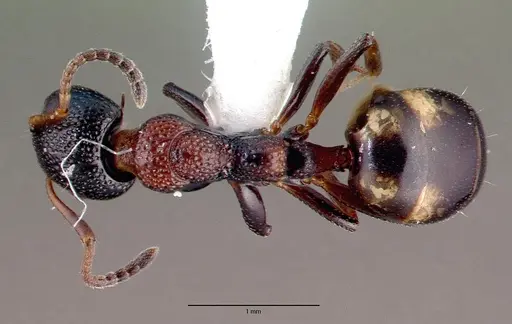
CASENT0249566
View on AntWeb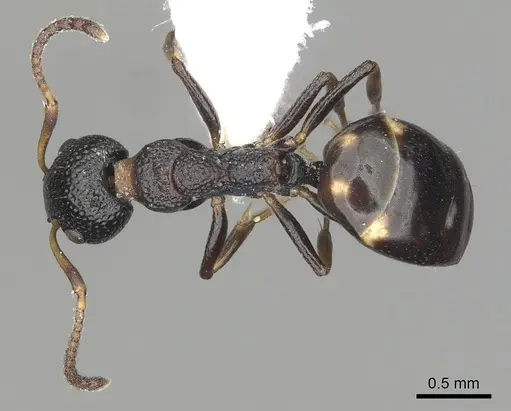
CASENT0886074
View on AntWeb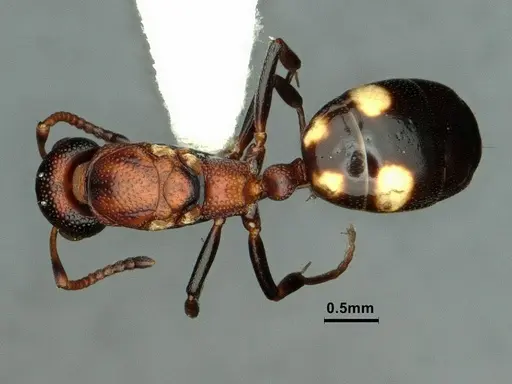
CASENT0886098
View on AntWeb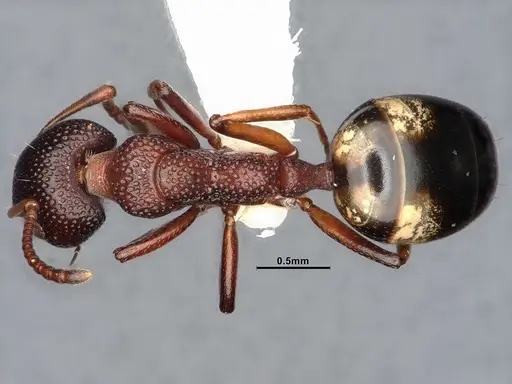
CASENT0905009
View on AntWeb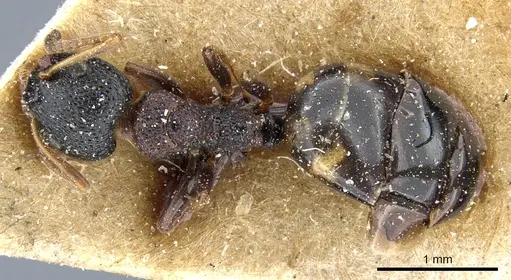
Literature
Loading...Loading products...