

Dolichoderus shattucki
- Scientific Name
- Dolichoderus shattucki
- Tribe
- Dolichoderini
- Subfamily
- Dolichoderinae
- Author
- MacKay, 1993
- Distribution
- Found in 1 countries
Dolichoderus shattucki Overview
Dolichoderus shattucki is an ant species of the genus Dolichoderus. It is primarily documented in 1 countries , including Colombia. Detailed taxonomic data and occurrence records can be further explored via authoritative databases such as AntWeb or the Global Biodiversity Information Facility (GBIF).
Dolichoderus shattucki
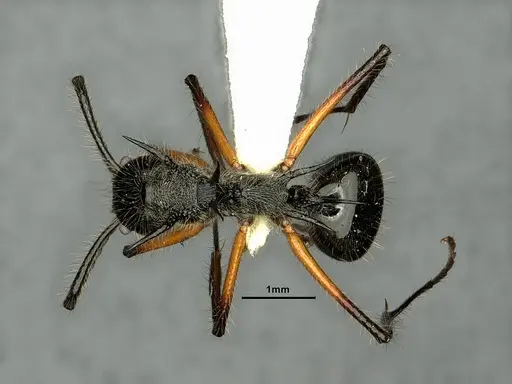
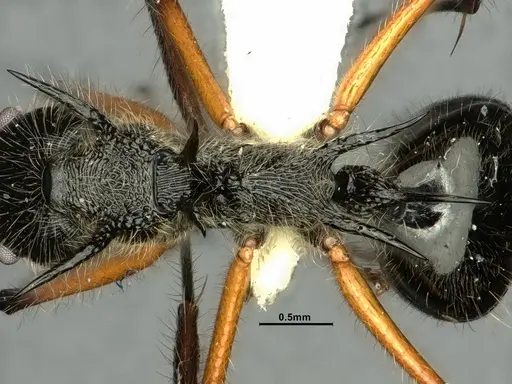
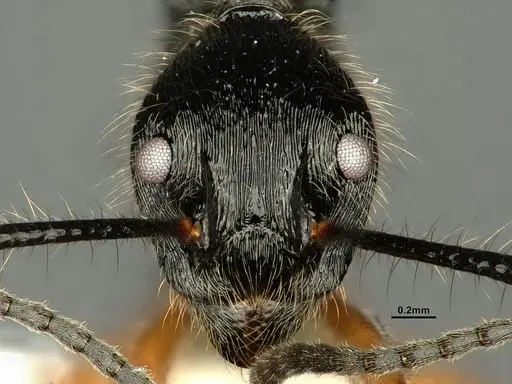
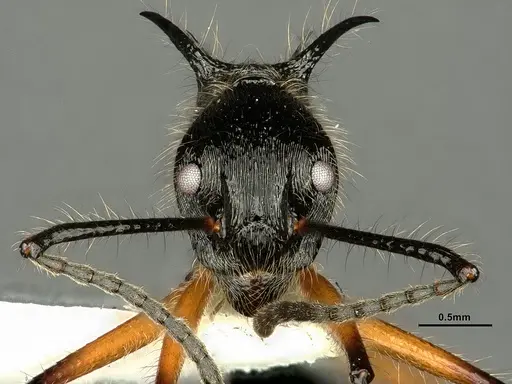
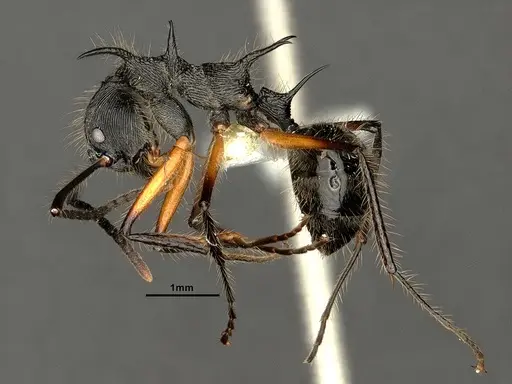
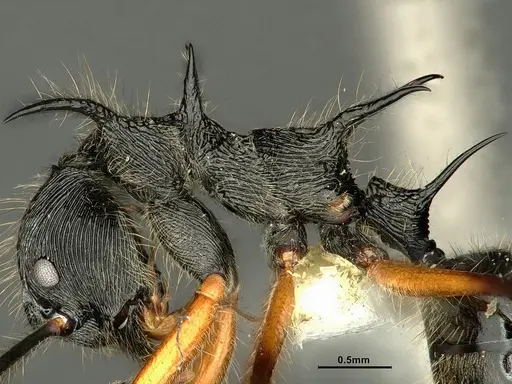
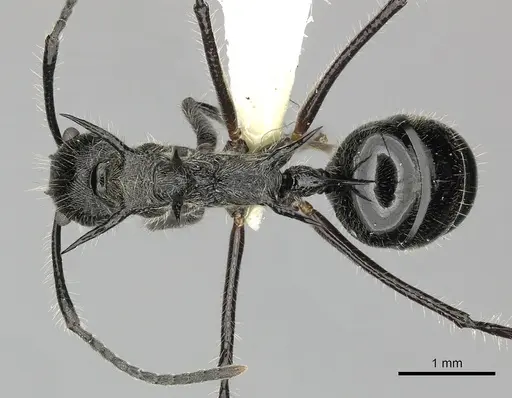
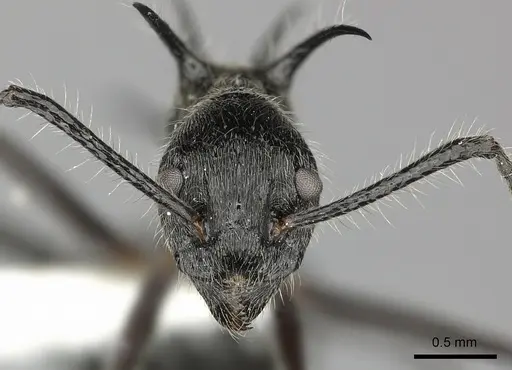
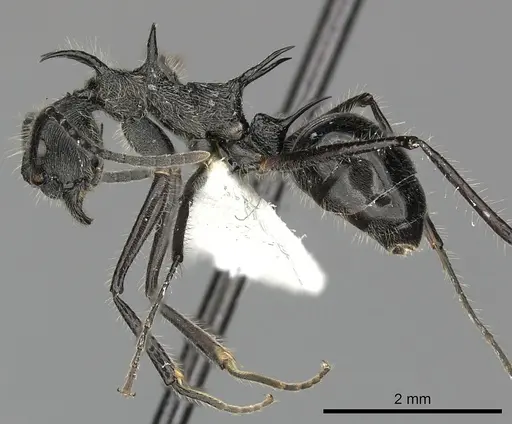
Dolichoderus shattucki is a Neotropical ant species native to the forests of Panama, Colombia, and Ecuador. Workers are medium-sized with a distinctive appearance featuring very long maxillary palpi, eyes that protrude beyond the head margin, and well-developed spines on the pronotum, mesonotum, propodeum, and petiole. The entire body is covered with erect to suberect hairs, giving them a somewhat bristly look [1]. This species is an indicator of minimally disturbed forest ecosystems, found primarily in mature forest habitats like Río Azul [2][1].
These ants are part of the Dolichoderinae subfamily, which means they lack a stinger but can defend themselves by spraying formic acid. They are arboreal or semi-arboreal nesters in the wild, typically inhabiting rotting wood in humid forest environments. The species was described by Mackay in 1993 from Panama specimens [1].
Quick Summary
- Difficulty: Medium
- Origin & Habitat: Neotropical forests of Panama, Colombia (Nariño, Valle del Cauca), and Ecuador (Pichincha province). Found in mature forest habitats and indicator species of minimally disturbed forest areas [2][1][3].
- Colony Type: Colony structure is unconfirmed. Based on typical Dolichoderus patterns, likely single-queen (monogyne) colonies, though this has not been directly documented for this species.
- Size & Growth:
- Queen: Estimated 6-8mm based on genus patterns, no specific measurements available
- Worker: Estimated 4-6mm based on genus patterns, no specific measurements available
- Colony: Likely moderate colony size (several hundred workers) based on typical Dolichoderus patterns, unconfirmed for this species
- Growth: Moderate, estimated based on genus patterns
- Development: Estimated 6-10 weeks at optimal temperature based on related Dolichoderus species (Timeline is estimated, no direct development data available for this species. Temperature dependency follows typical Neotropical ant patterns.)
- Antkeeping:
- Temperature: Keep at 24-28°C. Being a Neotropical species from humid forest habitats, they prefer warm and stable conditions. A heating cable on one side of the nest can create a gentle gradient
- Humidity: High humidity required, think damp forest floor. Keep nest substrate consistently moist but not waterlogged. Provide a water tube for drinking access. Avoid drying out the nest
- Diapause: Likely minimal or no true diapause given their Neotropical origin. May show reduced activity during cooler months but probably don't need a full hibernation. More research needed on their seasonal requirements.
- Nesting: Based on typical Dolichoderus behavior, they prefer nesting in rotting wood or arboreal cavities. In captivity, a Y-tong (AAC) nest or plaster nest with good moisture retention works well. Provide damp substrate and avoid dry conditions.
- Behavior: Generally calm temperament compared to some other ant genera. They are not aggressive but will defend their nest if threatened. Workers forage actively and can spray formic acid as a defense mechanism. Escape risk is moderate, use standard barrier methods but they are not particularly escape-prone like some tiny species. They are primarily arboreal foragers in the wild but will adapt to ground-level foraging in captivity.
- Common Issues: high humidity maintenance is critical, drying out causes colony decline, limited availability of wild-caught queens makes starting colonies difficult, slow growth compared to faster-raising species may frustrate beginners, wild-caught colonies may have parasites that are difficult to detect, temperature drops below 22°C can slow or stop brood development
Housing and Nest Setup
Dolichoderus shattucki does well in nests that retain moisture well. A Y-tong (AAC) formicarium or a plaster nest works nicely for this species. The key is keeping the nest substrate consistently damp without creating standing water. Place a water tube connected to the nest so workers can drink, they will readily use it. Because they come from humid forest environments, avoid dry conditions entirely. Some keepers add a layer of damp soil or coco fiber in part of the nest to help maintain humidity. A test tube setup can work for founding colonies, but monitor moisture levels carefully as test tubes dry out faster than larger nests. [1][2]
Feeding and Diet
Based on typical Dolichoderus feeding patterns, these ants are omnivorous and will accept both sugar sources and protein. Offer sugar water, honey, or diluted maple syrup as a constant sugar source. For protein, provide small insects like fruit flies, small mealworms, or cricket pieces. They are not specialized predators so standard ant feeds work well. Feed protein 2-3 times per week depending on colony size, and keep sugar water available at all times. Remove uneaten prey after 24-48 hours to prevent mold issues.
Temperature and Seasonal Care
As a Neotropical species from Panama, Colombia, and Ecuador, Dolichoderus shattucki prefers warm conditions. Keep the nest area between 24-28°C for optimal brood development. A slight temperature gradient allows workers to choose their preferred zone. During cooler months, they may show reduced activity but probably don't require a full hibernation period like temperate species. If your room temperature stays above 22°C year-round, that should work fine. Avoid temperatures below 20°C for extended periods as this can stress the colony and slow or stop brood development. [3][1]
Behavior and Colony Dynamics
Workers of Dolichoderus shattucki are active foragers with a generally calm disposition. They lack a stinger but can spray formic acid as defense, this is harmless to humans in small amounts but can be irritating. Colonies grow at a moderate pace compared to faster-raising species like some Formicinae. The first workers (nanitics) may be smaller than mature workers. Once established, colonies can reach several hundred workers over time. They are not aggressive toward keepers and rarely bite. Standard escape prevention measures work well, they are not particularly escape-prone like very small species. [1]
Frequently Asked Questions
How long does it take for Dolichoderus shattucki to raise their first workers?
The exact timeline is unconfirmed for this species, but based on related Dolichoderus species, expect 6-10 weeks from egg to first worker at optimal temperature (24-28°C). Founding colonies need patience, the queen seals herself in and raises the first brood alone.
What do Dolichoderus shattucki ants eat?
They are omnivorous. Offer a constant sugar source like sugar water, honey, or maple syrup. For protein, provide small insects such as fruit flies, small mealworms, or cricket pieces. Feed protein 2-3 times per week and remove uneaten prey after a day or two.
What temperature do Dolichoderus shattucki ants need?
Keep them warm at 24-28°C. This Neotropical species prefers stable warm conditions. A heating cable on one side of the nest can create a gentle gradient. Avoid temperatures below 20°C for extended periods.
Do Dolichoderus shattucki ants need hibernation?
Probably not. Being from Neotropical regions (Panama, Colombia, Ecuador), they likely don't require a true diapause. They may show reduced activity during cooler months, but a full hibernation like temperate species is probably unnecessary.
How big do Dolichoderus shattucki colonies get?
Exact colony size is unconfirmed for this species, but based on typical Dolichoderus patterns, expect several hundred workers at maturity. Growth is moderate, not as fast as some genera but steady once established.
Can I keep multiple Dolichoderus shattucki queens together?
This has not been documented for this species. Based on typical Dolichoderus behavior, they likely form single-queen colonies. Combining unrelated queens is not recommended as it often leads to fighting.
Is Dolichoderus shattucki good for beginners?
They are rated as Medium difficulty. They require warm temperatures and high humidity, which can be challenging for complete beginners. However, they are calm-tempered and not escape-prone. If you can maintain proper heat and humidity, they can be a rewarding species.
What humidity level do Dolichoderus shattucki ants need?
High humidity is critical. Keep the nest substrate consistently moist but not waterlogged. Think damp forest floor conditions. A water tube for drinking access is essential. Avoid letting the nest dry out.
Where does Dolichoderus shattucki come from?
They are native to the Neotropical forests of Panama, Colombia (specifically Nariño and Valle del Cauca departments), and Ecuador (Pichincha province). They are indicators of minimally disturbed mature forest ecosystems.
When will my queen lay eggs?
After the nuptial flight, claustral queens seal themselves in a chamber and lay eggs after a settling period. This typically happens within 1-2 weeks after founding, but timing varies. The queen uses stored fat reserves to feed herself and the first brood, do not disturb the founding chamber.
Why is my Dolichoderus shattucki colony declining?
Common causes include: nest drying out (critical for this species), temperatures below 20°C, mold from overwatering or uneaten food, stress from disturbance, or parasites from wild-caught colonies. Check humidity levels first, then temperature, then look for other stress factors.
References

This caresheet is licensed under CC BY-SA 4.0 .
Literature
Loading...Loading products...