

Dolichoderus setosus
- Scientific Name
- Dolichoderus setosus
- Tribe
- Dolichoderini
- Subfamily
- Dolichoderinae
- Author
- Kempf, 1959
- Distribution
- Found in 1 countries
Dolichoderus setosus Overview
Dolichoderus setosus is an ant species of the genus Dolichoderus. It is primarily documented in 1 countries , including Costa Rica. Detailed taxonomic data and occurrence records can be further explored via authoritative databases such as AntWeb or the Global Biodiversity Information Facility (GBIF).
Dolichoderus setosus
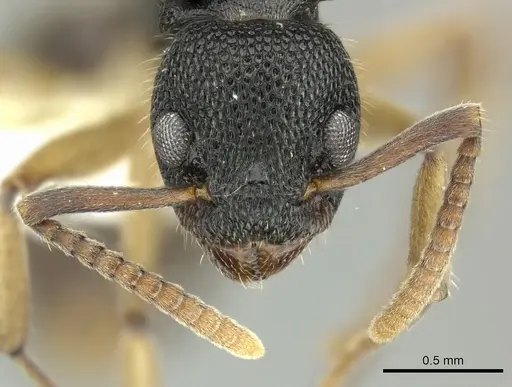
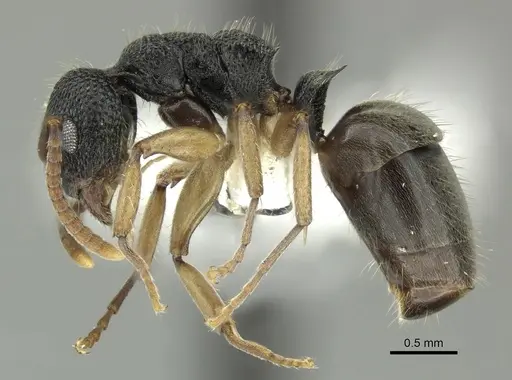
Dolichoderus setosus is a small to medium-sized arboreal ant native to the Neotropical region, found in Brazil (Pará state) and Costa Rica. Workers are black with striking orange legs and have abundant erect bristles (setae) covering their bodies, giving them a somewhat fuzzy appearance. They can be identified by the sharp spines on their pronotal humeri, a distinctive tooth on their hind coxae, and a long pointed projection on the petiole. This species is arboreal, living in the canopy as evidenced by its collection in fogging samples from forest trees. [1]
Quick Summary
- Difficulty: Medium
- Origin & Habitat: Neotropical region, Brazil (Pará state) and Costa Rica (La Selva Biological Station). Found in tropical forest canopy, typically in hollow twigs or branches of trees like Minquartia guianensis. [2][1]
- Colony Type: Colony structure is unconfirmed. Based on genus patterns, likely single-queen (monogyne) colonies. [1]
- Size & Growth:
- Queen: Unknown, no documented measurements for queens [1]
- Worker: Approximately 4-5mm based on typical Dolichoderus worker sizes [1]
- Colony: Unknown, no colony size data available for this species [1]
- Growth: Moderate, inferred from related Dolichoderus species [1]
- Development: Estimated 6-8 weeks based on typical Dolichoderus development at tropical temperatures (Development timeline is not directly documented for this species. Estimates based on genus-level patterns for tropical Dolichoderus ants.)
- Antkeeping:
- Temperature: Keep at 24-28°C (warm tropical conditions). A gentle gradient allowing workers to self-regulate is ideal.
- Humidity: High humidity (70-85%), these are arboreal forest ants that prefer damp conditions. Keep nest substrate consistently moist but not waterlogged.
- Diapause: No, as a tropical species, they do not require hibernation. Maintain warm temperatures year-round.
- Nesting: Arboreal setup recommended, they naturally nest in hollow twigs, branches, and tree cavities. In captivity, a naturalistic setup with vertical structures, cork bark, or a Y-tong/plaster nest with small chambers works well. Provide climbing surfaces and avoid horizontal-only setups.
- Behavior: Generally calm and non-aggressive. As arboreal ants, they are skilled climbers and may escape if given the chance. They tend honeydew from aphids and scale insects, and also hunt small arthropods. Workers are active and forage along branches and foliage. Their small size (around 4-5mm) means escape prevention should be taken seriously.
- Common Issues: escape prevention is critical, small arboreal ants can squeeze through tiny gaps, humidity control can be challenging, too dry causes colony decline, wild-caught colonies may have parasites or diseases that kill them in captivity, limited availability means established colonies are rare, tropical temperature requirements year-round can be energy-intensive
Housing and Nest Setup
Dolichoderus setosus is an arboreal ant, meaning it naturally lives in trees and woody vegetation. In captivity, you should replicate this vertical, forest-dwelling lifestyle rather than using a typical horizontal soil nest. A naturalistic setup works best, use a tall enclosure with cork bark, twigs, or artificial branches that the ants can climb on. Alternatively, a Y-tong or plaster nest with small chambers can work, but include vertical climbing structures and branching options. These ants are excellent climbers, so ensure all connections between the nest area and outworld are secure. A test tube setup can work for founding colonies if placed horizontally or slightly tilted, but transition to a more naturalistic arboreal setup once the colony grows.
Feeding and Diet
Like most Dolichoderus species, these ants are omnivorous with a preference for sugary liquids and protein. Offer sugar water, honey, or diluted maple syrup as a constant sugar source. For protein, provide small live prey like fruit flies, pinhead crickets, or small mealworms. They will also tend honeydew-producing insects like aphids or scale insects if available. Feed protein 2-3 times per week, and ensure sugar sources are always available. Remove uneaten prey after 24-48 hours to prevent mold. Being small ants, portion sizes should be tiny, a few drops of sugar water and prey items smaller than the workers themselves.
Temperature and Humidity
As a tropical species from Brazil and Costa Rica, Dolichoderus setosus requires warm, humid conditions. Maintain temperatures between 24-28°C (75-82°F) year-round, they do not tolerate cool temperatures well. Use a heating cable or mat on one side of the nest to create a gentle gradient if your room temperature is below this range. Place the heating on top of the nest to avoid drying it out. Humidity should be high, around 70-85%. Mist the enclosure regularly and keep the nest substrate moist but not saturated. For arboreal ants, condensation on the enclosure walls is a good sign of adequate humidity. Avoid placing the setup near air conditioning or drafts that could cause temperature swings.
Behavior and Colony Care
Dolichoderus setosus workers are active foragers that will explore their environment thoroughly. They are not particularly aggressive and rarely sting, making them safe to handle. However, their small size and arboreal nature means they are excellent climbers and can escape through remarkably small gaps. Use fine mesh on all ventilation holes and ensure lid seals are tight. These ants form moderate-sized colonies, expect a few dozen workers in the first year, potentially growing to a few hundred over time. They do not require hibernation and remain active year-round if kept warm. Watch for signs of stress like workers clustering in one area or avoiding certain parts of the setup, which may indicate temperature or humidity issues.
Frequently Asked Questions
How long does it take for Dolichoderus setosus to produce first workers?
The egg-to-worker timeline is not directly documented for this species. Based on typical Dolichoderus genus patterns, expect approximately 6-8 weeks from egg to first worker at optimal tropical temperatures (24-28°C).
What do Dolichoderus setosus ants eat?
They are omnivorous. Offer sugar water, honey, or maple syrup as a constant energy source. For protein, provide small live prey like fruit flies, small crickets, or mealworms. They will also accept small insects and may tend honeydew-producing insects.
Can I keep Dolichoderus setosus in a test tube?
A test tube can work for a founding colony, but these are arboreal ants that prefer vertical setups. For long-term housing, a naturalistic setup with climbing structures, cork bark, or a Y-tong/plaster nest with branching options is more appropriate.
What temperature do Dolichoderus setosus ants need?
Keep them warm at 24-28°C (75-82°F). As a tropical species from Brazil and Costa Rica, they do not tolerate cool temperatures. Maintain warmth year-round without hibernation.
Are Dolichoderus setosus good for beginners?
This species is rated as medium difficulty. While not aggressive, they have specific arboreal housing needs and require warm, humid tropical conditions. They are also rarely available in the antkeeping hobby. Experience with tropical arboreal ants would be helpful.
How big do Dolichoderus setosus colonies get?
Colony size is not documented for this specific species. Based on related Dolichoderus species, colonies likely reach a few hundred workers over several years. They are not among the largest ant species.
Do Dolichoderus setosus need hibernation?
No, as a tropical species from Central and South America, they do not require hibernation. Keep them warm year-round at 24-28°C. Simulating seasonal temperature changes is not necessary and could harm the colony.
Why are my Dolichoderus setosus dying?
Common causes include: low humidity (arboreal ants need 70-85%), temperatures below 24°C, escape through small gaps, parasites from wild-caught colonies, or mold from overwatering. Check your setup parameters and ensure the colony has proper humidity and warmth.
When should I move my colony to a formicarium?
Move from a founding setup to a more elaborate arboreal setup once the colony reaches 20-30 workers or outgrows the test tube. They will do better in a naturalistic setup with climbing structures rather than a traditional horizontal formicarium.
References

This caresheet is licensed under CC BY-SA 4.0 .
INBIOCRI002281821
View on AntWeb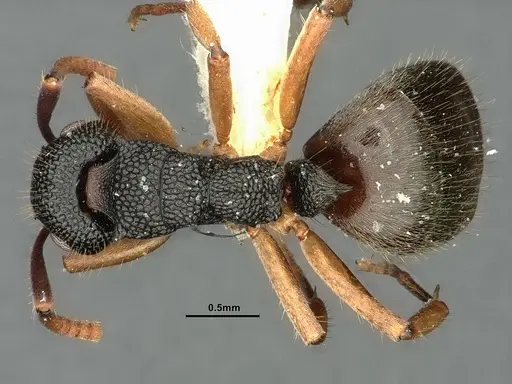
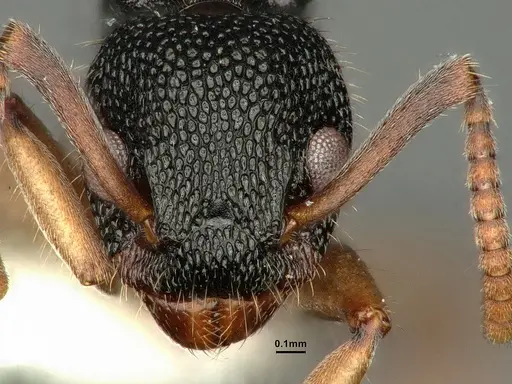
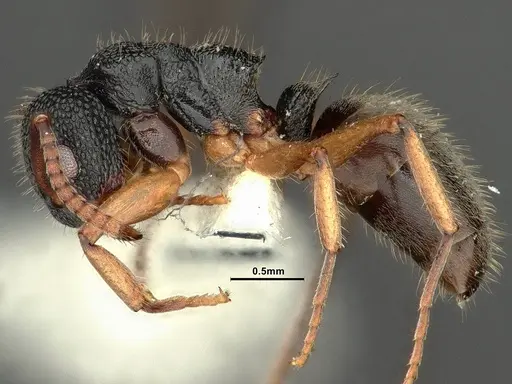
INBIOCRI002281828
View on AntWeb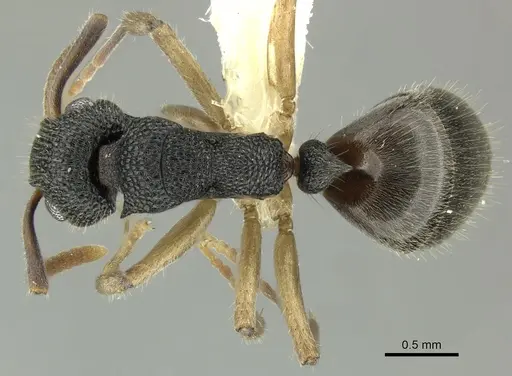
Literature
Loading...Loading products...