

Dolichoderus septemspinosus
- Scientific Name
- Dolichoderus septemspinosus
- Tribe
- Dolichoderini
- Subfamily
- Dolichoderinae
- Author
- Emery, 1894
- Distribution
- Found in 5 countries
Dolichoderus septemspinosus Overview
Dolichoderus septemspinosus is an ant species of the genus Dolichoderus. It is primarily documented in 5 countries , including Brazil, Colombia, Ecuador. Detailed taxonomic data and occurrence records can be further explored via authoritative databases such as AntWeb or the Global Biodiversity Information Facility (GBIF).
Dolichoderus septemspinosus
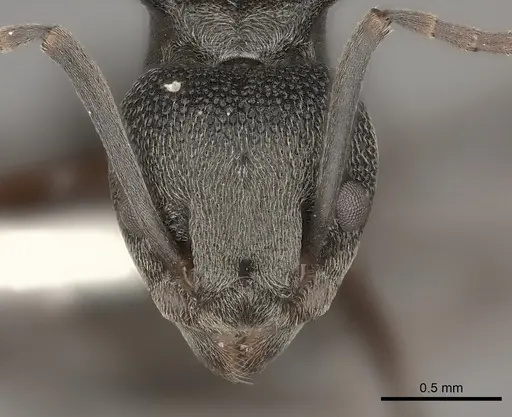
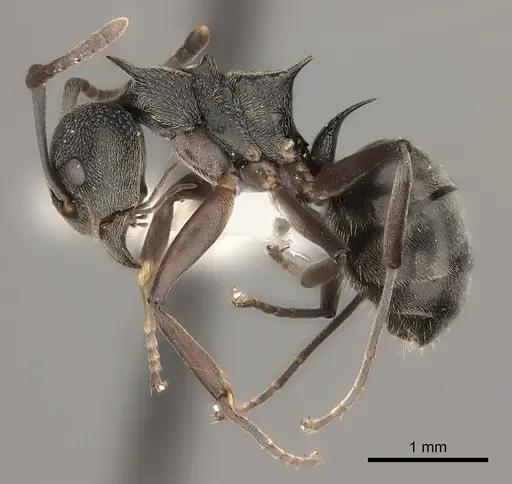
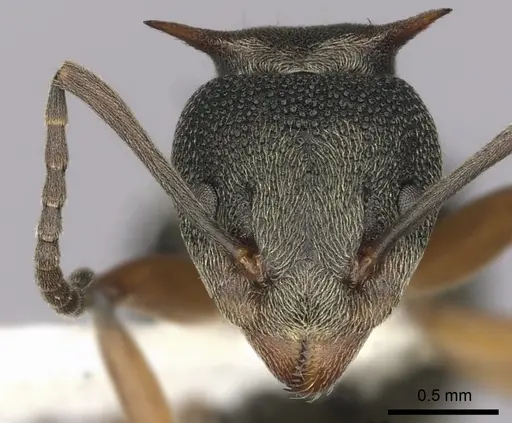
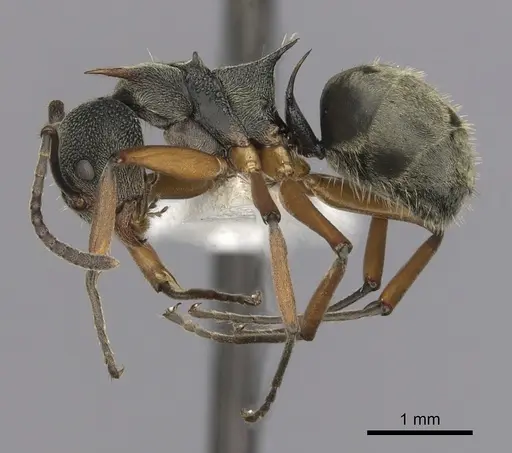
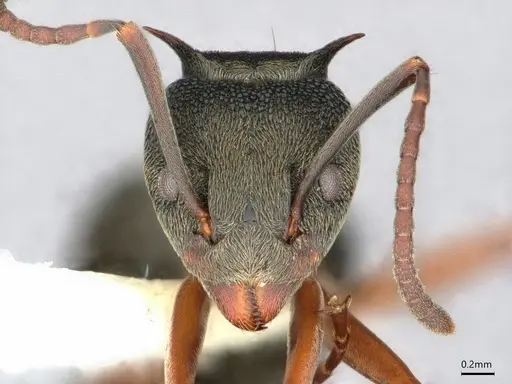
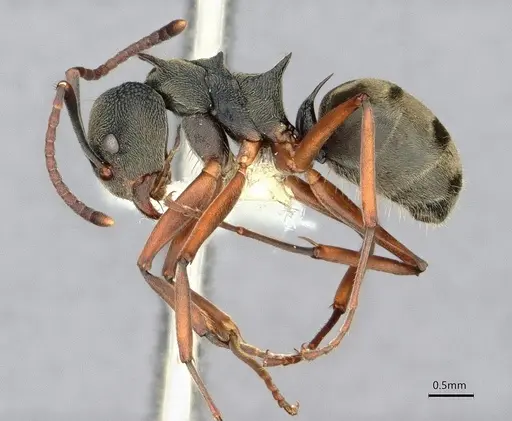
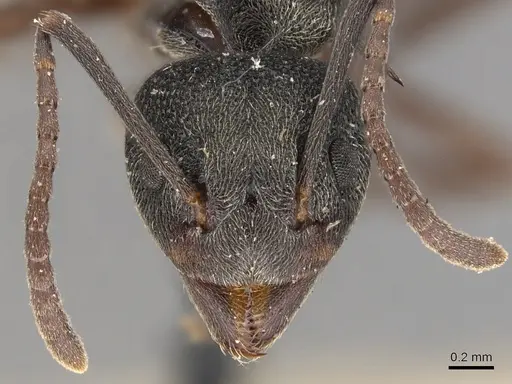
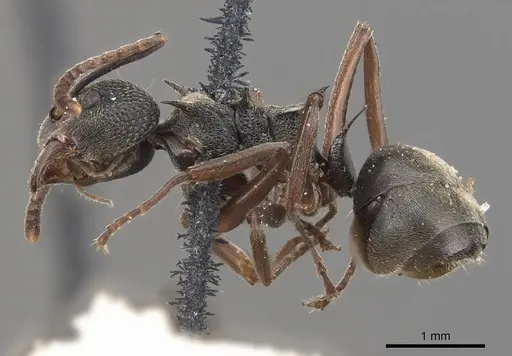
Dolichoderus septemspinosus is a distinctive Neotropical ant known for its three pairs of spines protruding from the mesosoma, one long horizontal pair on the pronotum, a small suberect pair on the mesonotum, and a shorter pair on the propodeum. The species name 'septemspinosus' means 'seven-spined' in Latin, referring to this spiny appearance. Workers are moderate-sized ants with a heart-shaped head, typically found in the Amazon basin and surrounding regions of South America including Brazil, Peru, Ecuador, Colombia, Bolivia, and the Guianas [1][2]. These ants inhabit tropical rainforest environments, where they can be found nesting in rotting wood in both terra firme (non-flooded) forest and várzea (seasonally flooded) areas [3].
As a Dolichoderine ant, this species possesses defensive anal gland secretions that give them their characteristic 'velvet ant' common name. They are relatively active foragers with a moderate colony size, though specific behavioral details for this exact species are limited in the scientific literature.
Quick Summary
- Difficulty: Medium
- Origin & Habitat: Tropical rainforests of the Amazon basin in South America, found in Brazil, Peru, Ecuador, Colombia (Meta and Putumayo departments), Bolivia, Guyana, Suriname, French Guiana, and Venezuela. They nest in rotting wood in both terra firme and seasonally flooded várzea forest areas [3][2].
- Colony Type: Likely monogyne (single queen) based on typical Dolichoderus genus patterns, though colony structure has not been directly studied for this species.
- Colony: Monogyne
- Founding: Semi-claustral
- Size & Growth:
- Queen: Approximately 7-9mm (estimated from genus patterns)
- Worker: 5-7mm based on genus descriptions [1]
- Colony: Likely several hundred workers based on typical Dolichoderus colony sizes
- Growth: Moderate
- Development: 6-10 weeks (estimated based on related Dolichoderus species) (Development time estimated from genus-level data, specific timeline for this species has not been documented)
- Antkeeping:
- Temperature: Keep at 24-28°C. These are tropical ants requiring warm, stable temperatures. Use a heating cable on one side of the nest to create a gentle gradient if room temperature is below 24°C.
- Humidity: High humidity (70-85%). They naturally inhabit damp rainforest environments. Keep nesting materials consistently moist but not waterlogged. Provide a water tube for drinking water.
- Diapause: No, as tropical ants from the Amazon basin, they do not require hibernation. Maintain warm temperatures year-round.
- Nesting: In captivity, they do well in Y-tong (acrylic) nests or plaster nests with multiple chambers. Provide rotting wood pieces or cork bark as nesting material to mimic their natural arboreal/rotting wood habitat. They prefer tight, dark chambers.
- Behavior: Dolichoderine ants are known for their defensive secretions from anal glands, when threatened, they can release a pungent, chemically-laden secretion. Workers are active foragers, typically hunting small invertebrates and tending honeydew-producing insects. They are not particularly aggressive toward humans but will defend the nest vigorously. Their spiny morphology provides some physical defense. Escape risk is moderate, use standard barrier techniques but they are not known escape artists like some tiny species.
- Common Issues: tropical temperature requirements mean colonies can fail if kept too cool, defensive secretions may leave marks on acrylic nests if they feel threatened, limited availability in the antkeeping hobby means wild-caught colonies are the primary source, high humidity needs can lead to mold if ventilation is inadequate
Housing and Nest Setup
Dolichoderus septemspinosus does well in Y-tong (acrylic) nests or plaster nests with multiple connected chambers. These ants naturally nest in rotting wood in tropical forests, so providing cork bark pieces or small wood fragments in the nest helps them feel secure. The chambers should be appropriately sized for workers of 5-7mm, not too tight, but not overly spacious either. A test tube setup can work for founding colonies, but expect to move them to a proper formicarium once the colony reaches 20-30 workers. Because they come from humid rainforest environments, the nest should retain moisture well while still having some ventilation to prevent mold. Place the nest in a dark area of your setup, as these ants prefer dim conditions for their nest site. [3]
Feeding and Diet
In the wild, Dolichoderus ants are omnivorous, they hunt small invertebrates and collect honeydew from aphids and scale insects. In captivity, offer a varied diet: protein sources like small crickets, mealworms, or fruit flies 2-3 times per week, and sugar sources like honey water or sugar water constantly. They will also accept fruit occasionally. Live prey is important for keeping them active and healthy, these are active hunters by nature. Remove any uneaten prey after 24-48 hours to prevent mold. Make sure they always have access to clean water, either through a water tube or by moistening the nest substrate.
Temperature and Humidity Management
As tropical Amazon ants, Dolichoderus septemspinosus requires warm and humid conditions. Maintain temperatures between 24-28°C year-round, they do not tolerate cool temperatures well. A heating cable placed on one side of the nest can create a temperature gradient, allowing the ants to self-regulate. Humidity should be kept high at 70-85%. The nest substrate should feel consistently damp but never sitting in standing water. You can achieve this by connecting a water tube to the nest or misting the substrate regularly. Monitor for condensation on the nest walls, some condensation is good, but excessive moisture can lead to mold problems. Good ventilation helps balance humidity without drying them out. [3]
Behavior and Defense
Dolichoderine ants, including this species, have a unique defense mechanism, they possess anal glands that can secrete a pungent, chemically complex spray when threatened. This secretion is their primary defense and can deter predators and rival colonies. When handling these ants or working with their nest, you may notice a distinctive odor if they feel threatened. They are not aggressive toward humans and rarely bite, but disturbing their nest can trigger defensive secretions. In the colony, workers are active foragers that search for food both on the ground and in vegetation. They communicate through chemical trails and will quickly recruit nestmates to food sources. The spiny morphology also provides some physical defense against predators.
Colony Growth and Development
Dolichoderus septemspinosus colonies likely grow at a moderate pace. Based on genus patterns, founding is semi-claustral, the queen does not seal herself in completely and must occasionally leave the nest to forage for food during the early founding stage. This is different from truly claustral ants that rely entirely on stored fat reserves. The first workers (nanitics) are typically smaller than mature workers and take several weeks to develop. Expect 6-10 weeks from egg to first worker at optimal temperatures. Once established, colonies can grow to several hundred workers over a year or two. The three pairs of spines become more pronounced as workers mature. Colonies are likely single-queen (monogyne) based on typical Dolichoderus patterns, though this has not been specifically documented for this species. [1]
Frequently Asked Questions
How long does it take for Dolichoderus septemspinosus to produce first workers?
Expect approximately 6-10 weeks from egg to first worker at optimal temperatures (24-28°C). This is an estimate based on related Dolichoderus species, as the specific development timeline for D. septemspinosus has not been documented in scientific literature.
What temperature do these ants need?
Keep them warm at 24-28°C year-round. As tropical Amazon ants, they do not tolerate cool temperatures and do not require hibernation. A heating cable on one side of the nest can help maintain proper temperatures.
Can I keep multiple queens together?
Not recommended. Dolichoderus septemspinosus is likely a single-queen (monogyne) species based on typical genus patterns. Combining unrelated queens has not been documented and would likely result in fighting.
What do Dolichoderus septemspinosus eat?
They are omnivorous. Offer protein sources like small crickets, mealworms, or fruit flies 2-3 times per week, and provide constant access to sugar sources like honey water or sugar water. They will also accept fruit and will hunt small live prey.
Are Dolichoderus septemspinosus good for beginners?
They are considered medium difficulty. While not the hardest species, they do have specific requirements: high humidity, warm temperatures year-round, and they produce defensive secretions that may concern some keepers. They are less commonly available than beginner species like Lasius or Camponotus.
How big do colonies get?
Based on typical Dolichoderus colony sizes, expect several hundred workers at maturity. Specific colony size data for this species has not been documented, but related species in the genus typically reach 200-500 workers.
What type of nest should I use?
Y-tong (acrylic) nests or plaster nests work well. They naturally nest in rotting wood, so including cork bark or wood pieces in the setup mimics their natural habitat. Keep the nest chambers appropriately sized for 5-7mm workers.
Do they need hibernation?
No. As tropical ants from the Amazon basin, they do not require a diapause or hibernation period. Maintain warm temperatures (24-28°C) year-round.
Why do they have spines?
The three pairs of spines on the mesosoma (pronotum, mesonotum, and propodeum) are likely a defensive adaptation. The long horizontal spines on the pronotum are particularly prominent. This spiny morphology helps deter predators and may also play a role in colony defense.
Where is Dolichoderus septemspinosus found in the wild?
They inhabit tropical rainforests of the Amazon basin in South America, including Brazil, Peru, Ecuador, Colombia, Bolivia, Guyana, Suriname, French Guiana, and Venezuela. They nest in rotting wood in both terra firme (non-flooded) and várzea (seasonally flooded) forest areas.
Is this species available in the antkeeping hobby?
They are not commonly available in the hobby compared to species like Camponotus or Lasius. Wild-caught colonies are the primary source if available. Their limited distribution and specific habitat requirements make them less common in captive breeding.
References

This caresheet is licensed under CC BY-SA 4.0 .
CASENT0217404
View on AntWeb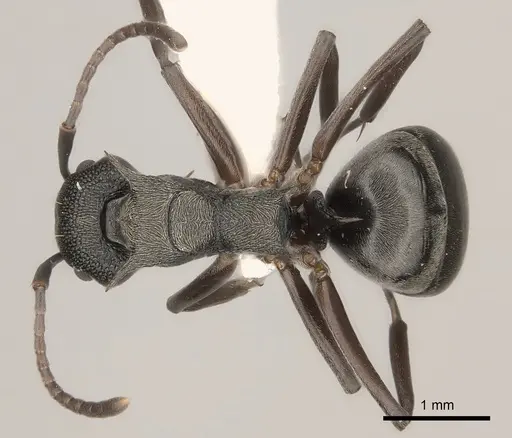
CASENT0249652
View on AntWeb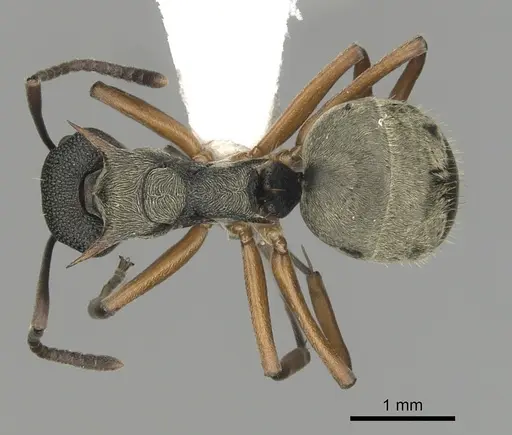
CASENT0886021
View on AntWeb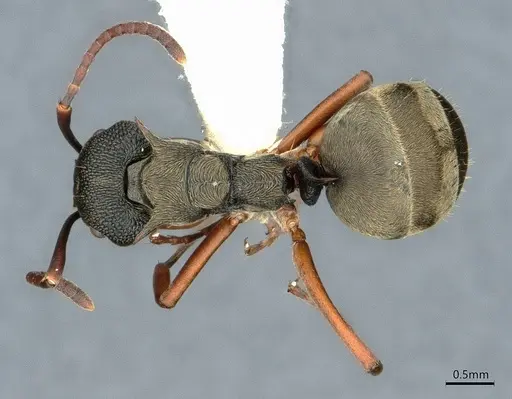
CASENT0905033
View on AntWeb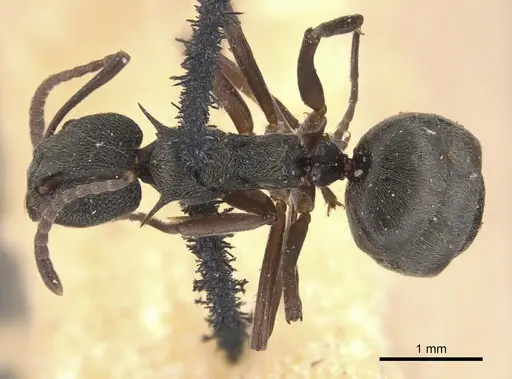
Literature
Loading...Loading products...