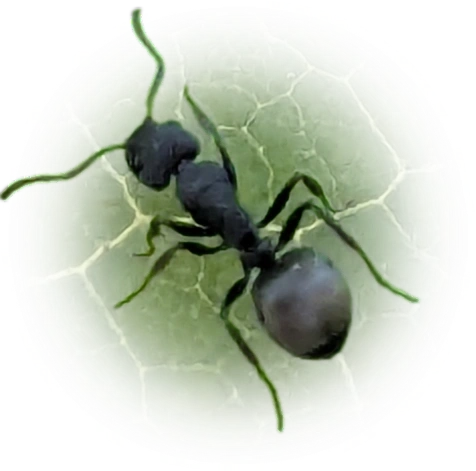

Dolichoderus scrobiculatus
- Scientific Name
- Dolichoderus scrobiculatus
- Tribe
- Dolichoderini
- Subfamily
- Dolichoderinae
- Author
- Mayr, 1876
- Common Name
- Northern Sharkfinned Dolly Ant
- Distribution
- Found in 1 countries
Dolichoderus scrobiculatus Overview
Dolichoderus scrobiculatus (commonly known as the Northern Sharkfinned Dolly Ant) is an ant species of the genus Dolichoderus. It is primarily documented in 1 countries , including Australia. Detailed taxonomic data and occurrence records can be further explored via authoritative databases such as AntWeb or the Global Biodiversity Information Facility (GBIF).
Dolichoderus scrobiculatus - "Northern Sharkfinned Dolly Ant"
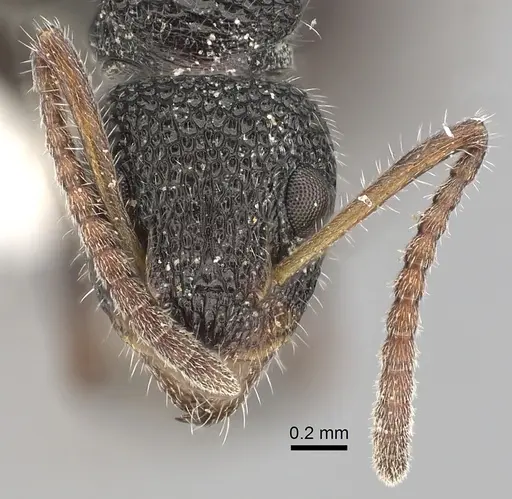
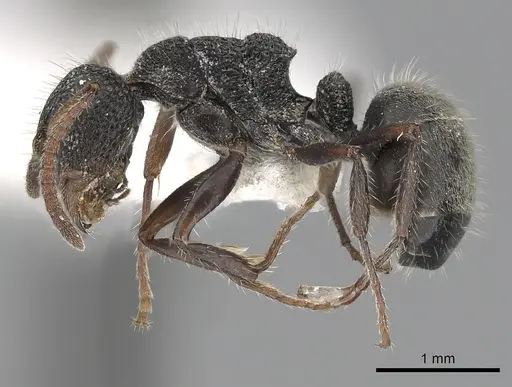
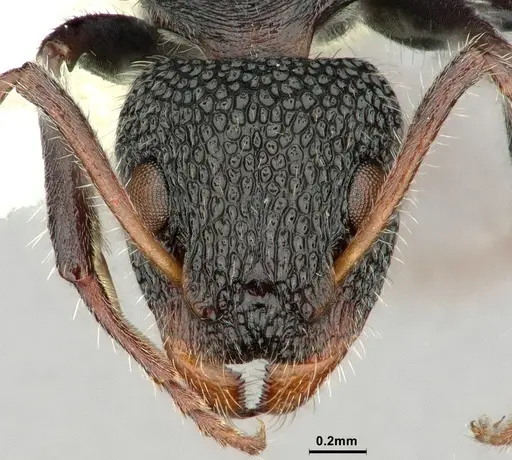
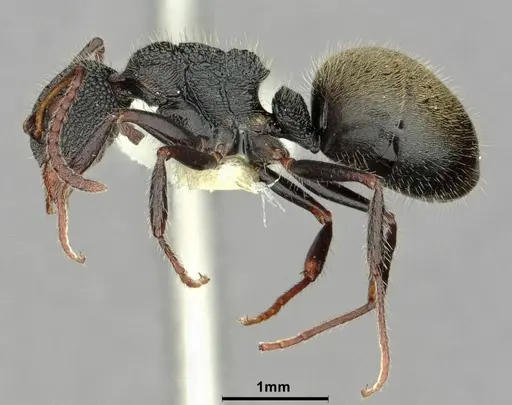
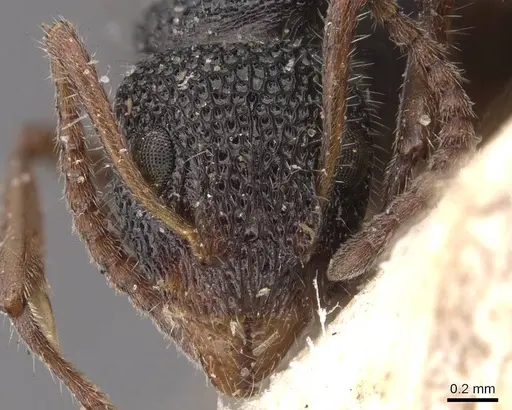
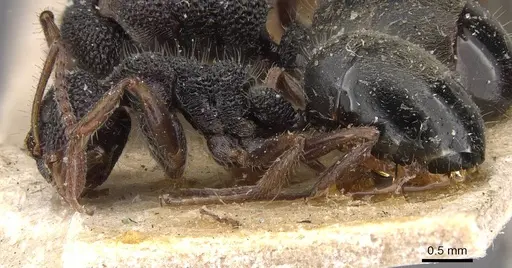
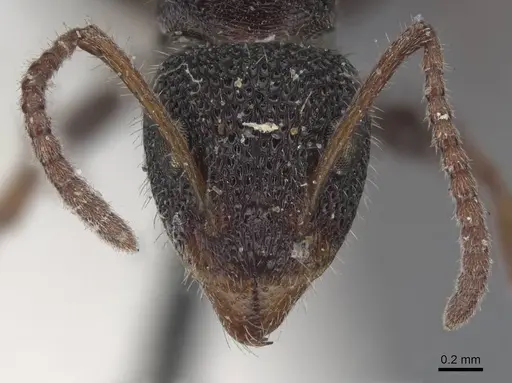
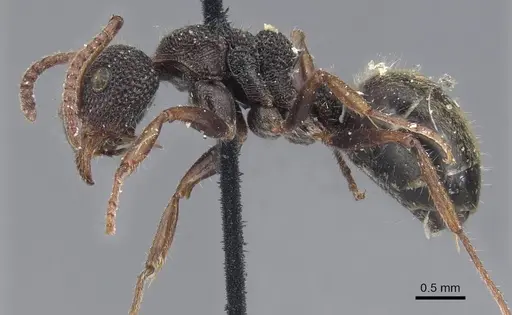
Dolichoderus scrobiculatus is a small, dark ant native to the Australian wet tropics. Workers measure about 1mm in head width and are dark brown to black with reddish mandibles and scapes [1]. They lack spines on the pronotum and propodeum, and have a distinctive concave area at the back of the propodeum. Their body is covered in abundant fine hairs, giving them a slightly fuzzy appearance. This species is the only common Dolichoderus in the Australian wet tropics, found from Cape York Peninsula south to north-eastern New South Wales [1].
These ants are diurnal foragers that scavenge and tend aphids and other Hemiptera for honeydew. They often travel in visible columns along the ground or up into low vegetation and trees [2]. They nest in soil under rocks, in rotten wood, or in tussock grass. This is an endemic Australian species belonging to the scrobiculatus group within the subgenus Hypoclinea [2].
Quick Summary
- Difficulty: Medium
- Origin & Habitat: Australian wet tropics, found from Cape York Peninsula south to north-eastern New South Wales. Inhabits savannah woodlands to rainforests, nesting in tussocks and under rocks [1][2].
- Colony Type: Colony structure is unconfirmed. Based on typical Dolichoderus genus patterns, likely forms single-queen colonies with moderate worker populations.
- Size & Growth:
- Queen: Unconfirmed, no direct measurements available. Estimated 6-8mm based on genus patterns.
- Worker: 0.98-1.07mm head width, workers are approximately 4-5mm total length [1].
- Colony: Unknown from available research. Based on related Dolichoderus species, likely reaches several hundred workers.
- Growth: Moderate, estimated based on typical Dolichoderus development patterns.
- Development: Estimated 6-8 weeks at optimal temperature based on genus-level data for related species. (Direct development data unavailable, estimate based on typical Dolichoderus patterns. Tropical origin suggests faster development than temperate species.)
- Antkeeping:
- Temperature: Keep at 22-26°C. As a tropical Australian species, they prefer warm conditions. A heating cable on one side of the nest creates a suitable gradient.
- Humidity: High humidity preferred, think damp forest floor conditions. Keep the nest substrate consistently moist but not waterlogged. Provide a water tube for drinking access.
- Diapause: Likely reduced activity during cooler months rather than true diapause. Australian species from the wet tropics may slow down in winter but typically do not require extended cold periods.
- Nesting: Nests naturally in soil under rocks, in rotten wood, or within tussock grass [2]. In captivity, a naturalistic setup with soil and flat stones, or a Y-tong/plaster nest with moist substrate works well. Avoid completely dry conditions.
- Behavior: Workers are diurnal and active during the day. They are general scavengers that also tend aphids for honeydew, making them somewhat like miniature dairy farmers. They forage in columns along the ground and up vegetation, which means they will readily explore outworlds. They are not particularly aggressive toward keepers but can be defensive if their nest is disturbed. Escape prevention should be good, while small, they are not as tiny as some tropical ants and standard barriers work well. They accept sugar water and honeydew substitutes readily due to their honeydew-feeding habits.
- Common Issues: high humidity is essential, dry conditions cause colony decline and death, colonies may struggle if temperatures drop below 20°C for extended periods, wild-caught colonies may have parasites that affect survival in captivity, foraging columns mean escape risk is moderate, ensure outworld barriers are secure, slow founding means new colonies need patience, queens may take months to raise first workers
Nest Preferences and Housing
In the wild, Dolichoderus scrobiculatus nests in soil under rocks, within rotten wood, or concealed in tussock grass [2]. This tells us they prefer dark, humid, enclosed spaces with some moisture present. For captive colonies, a naturalistic setup works best, a container filled with moist soil or sand, with flat stones or pieces of wood placed on top for the ants to nest under. Alternatively, Y-tong (AAC) nests or plaster nests with moisture reservoirs provide good humidity control. Test tubes can work for founding colonies if the queen is caught, but a more spacious setup will serve the colony better as it grows. The key is maintaining consistently damp substrate without flooding, these ants come from the wet tropics and drying out is a serious risk.
Feeding and Diet
These ants are general scavengers with a strong preference for honeydew. In nature, they actively tend aphids and other Hemiptera (sap-sucking insects) to collect the sweet honeydew they produce [2]. This means your colony will readily accept sugar water, honey, or commercial honeydew substitutes. For protein, they scavenge small insects and arthropods, offer small crickets, mealworms, fruit flies, or other tiny prey. Feed protein once or twice weekly, and keep a sugar source constantly available. Because they naturally forage in columns, they will efficiently clear out prey items. Avoid overfeeding, uneaten protein decays quickly and can cause mold problems in the humid setup they need.
Temperature and Seasonal Care
As a species from the Australian wet tropics, Dolichoderus scrobiculatus needs warm conditions year-round. Aim for 22-26°C in the nest area, this mimics their natural environment along the Queensland coast. A small heating cable placed on one side of the nest creates a temperature gradient that lets the ants choose their preferred spot. During Australian winter (roughly June-August in the southern hemisphere), room temperature may drop below their preferred range, so monitor closely. Unlike temperate species, they do not require a true hibernation period. However, they may become less active during cooler months. If your colony slows down in winter, reduce feeding frequency but maintain humidity, do not let them dry out even if they seem dormant. [1][2]
Behavior and Colony Dynamics
Workers are strictly diurnal, meaning they are active during daylight hours and rest at night [2]. This makes them entertaining to watch, you can observe their foraging expeditions during the day. They form distinct columns when traveling to food sources, which is both fascinating and practical for keepers since you can easily track their activity. The colony will likely establish a main nest chamber and may create satellite chambers if given enough space. Workers communicate using chemical signals and may recruit nestmates to good food sources. Unlike some aggressive ant species, they are generally calm toward keepers but will defend their nest if threatened. The queen is likely claustral (seals herself in during founding) based on typical genus behavior, though this has not been directly documented for this species.
Frequently Asked Questions
How long does it take for Dolichoderus scrobiculatus to raise first workers?
The exact timeline is unconfirmed, but based on typical Dolichoderus development patterns, expect 6-8 weeks from egg to first worker at optimal temperature (22-26°C). Be patient, founding colonies can take several months to establish, especially if the queen was recently caught.
What do Dolichoderus scrobiculatus ants eat?
They are general scavengers with a strong sweet tooth. Offer sugar water, honey, or honeydew substitutes constantly. For protein, feed small insects like fruit flies, pinhead crickets, or mealworms twice weekly. They naturally tend aphids for honeydew, so sugar sources are particularly important.
Can I keep Dolichoderus scrobiculatus in a test tube?
Test tubes work for founding colonies, but these ants need high humidity and will do better in a naturalistic setup with moist substrate. If using test tubes, ensure the water reservoir is adequate and consider adding a humid outworld as the colony grows.
Do Dolichoderus scrobiculatus ants need hibernation?
No true hibernation is required. As a tropical Australian species, they prefer warm conditions year-round. They may reduce activity during cooler months but do not need cold treatment like temperate species do.
Are Dolichoderus scrobiculatus ants aggressive?
They are not particularly aggressive toward keepers. Workers are diurnal foragers that focus on scavenging and honeydew collection rather than defending territory. However, they will protect their nest if directly threatened.
What temperature should I keep Dolichoderus scrobiculatus at?
Keep the nest at 22-26°C. This tropical species needs warmth, a heating cable on one side of the nest creates a suitable gradient. Avoid temperatures below 20°C for extended periods.
How big do Dolichoderus scrobiculatus colonies get?
Colony size is not well documented, but based on related species, expect several hundred workers at maturity. Growth is moderate, give them time to develop over the first year or two.
Do Dolichoderus scrobiculatus ants escape easily?
They are moderate escape risks. While not the smallest ants, they are small enough to exploit gaps. Use standard barrier methods like fluon on outworld rims and ensure connections are secure. Their column-foraging behavior means they will explore any openings.
Can I keep multiple Dolichoderus scrobiculatus queens together?
Colony structure is unconfirmed for this species. Based on typical Dolichoderus patterns, they likely form single-queen colonies. Combining unrelated queens is not recommended without documented evidence that they accept multiple queens.
What humidity do Dolichoderus scrobiculatus ants need?
High humidity is essential, these ants come from the Australian wet tropics. Keep the nest substrate consistently moist but not waterlogged. The substrate should feel damp to the touch. A water tube provides drinking access.
References

This caresheet is licensed under CC BY-SA 4.0 .
CASENT0217403
View on AntWeb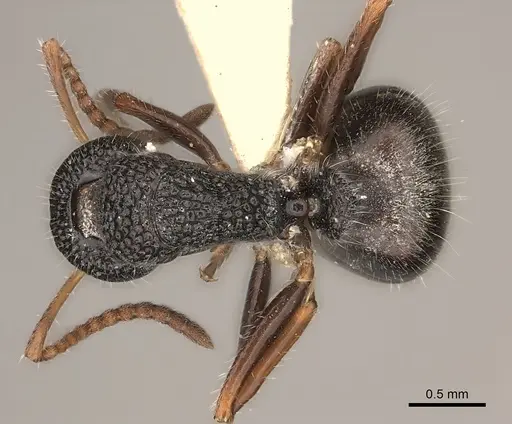
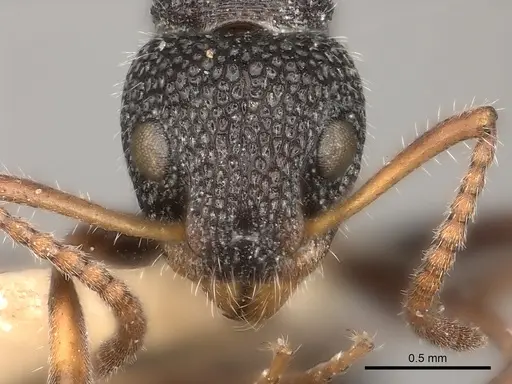
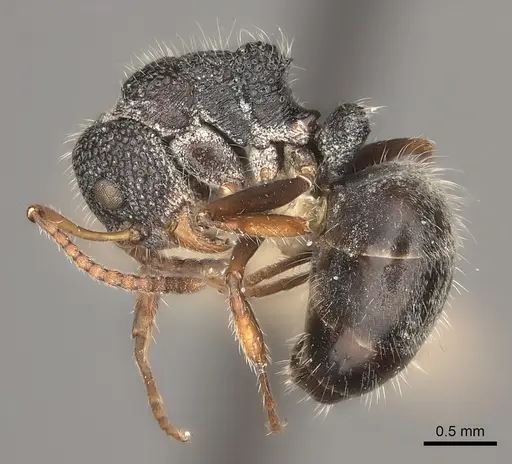
CASENT0249559
View on AntWeb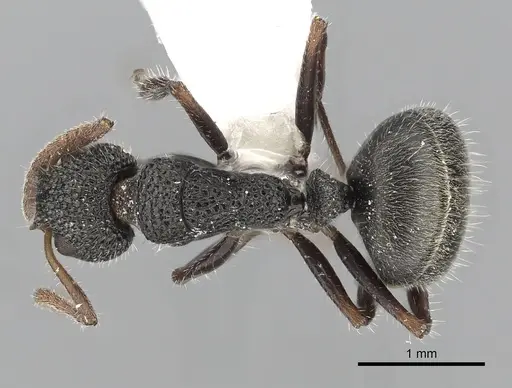
CASENT0886071
View on AntWeb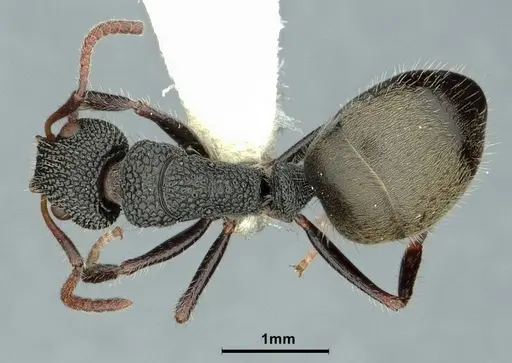
CASENT0909475
View on AntWeb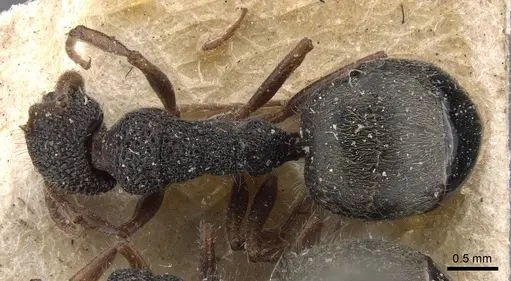
CASENT0915569
View on AntWeb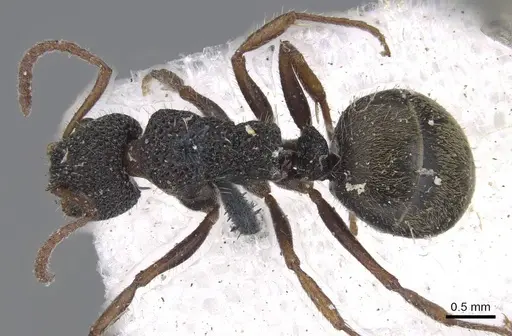
Literature
Loading...Loading products...